


-
 Vendor:Boat Suppliers
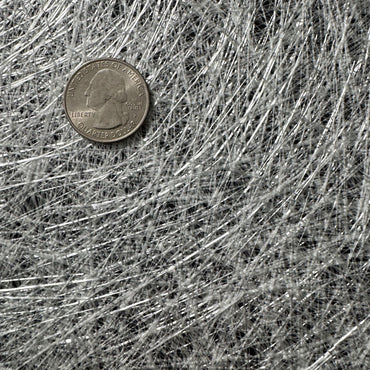
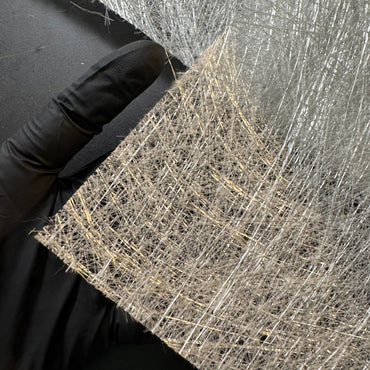
0.75oz Fiberglass Chopped Strand Mat
The thinnest chopped strand mat we carry, 0.75 oz per square foot of randomly oriented E-glass held with...Regular price $4.45 USDSale price $4.45 USD Regular priceUnit price $4.45 per yd$3.12 USD -

 Vendor:Boat Suppliers
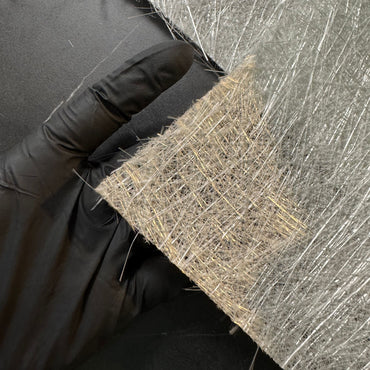
1.5oz Fiberglass Chopped Strand Mat
1.5 oz per square foot chopped strand mat, the mat every boatyard runs. Random fiber means it has...Regular price $6.45 USDSale price $6.45 USD Regular priceUnit price $6.45 per yd -
 Vendor:Boat Suppliers
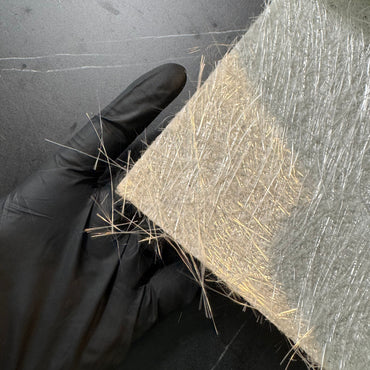
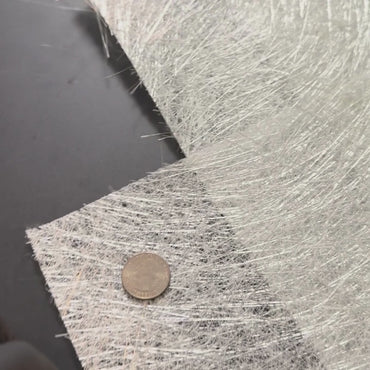
2oz Fiberglass Chopped Strand Mat
Heavy chopped strand mat at 2 oz per square foot (18 oz per square yard), 50 in wide....Regular price $8.95 USDSale price $8.95 USD Regular priceUnit price $8.95 per yd -
 Vendor:Boat Suppliers
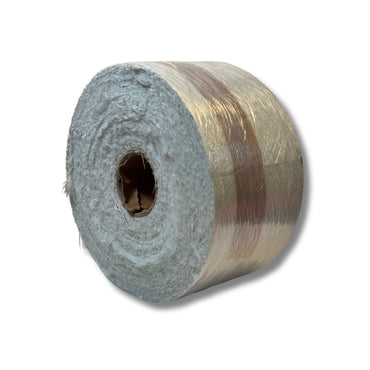
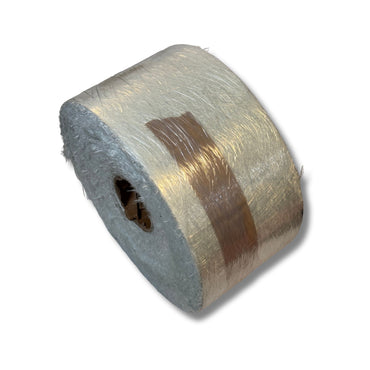
1.5oz Fiberglass Mat Tape
Chopped strand mat, precut to tape widths, so you can tab a bulkhead or glass a chine without...Regular price $3.25 USDSale price $3.25 USD Regular priceUnit price $3.25 per yd -
 Vendor:Boat Suppliers
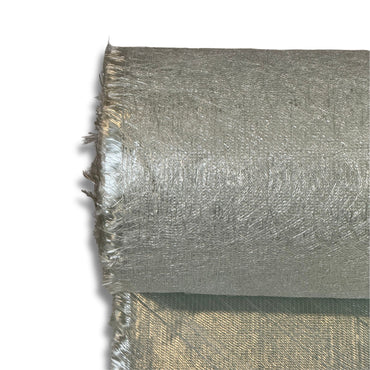
1208 Biaxial Fiberglass
1208 is the lighter sibling to 1708. Same +45 and -45 stitched construction and the same 3/4 oz...Regular price $16.45 USDSale price $16.45 USD Regular priceUnit price $16.45 per yd -

 Vendor:Boat Suppliers
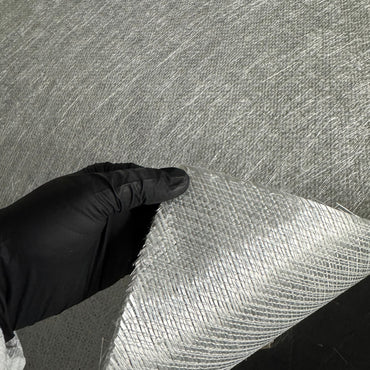
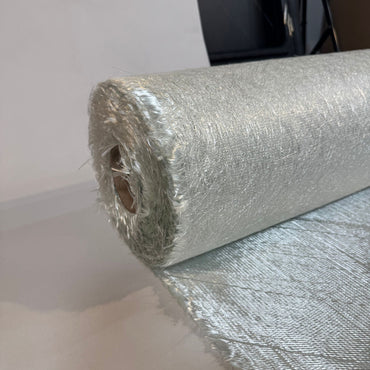
1708 Biaxial Fiberglass
1708 is the workhorse for transom, stringer and tabbing work. You get 17 oz of stitched E-glass at...Regular price $12.95 USDSale price $12.95 USD Regular priceUnit price $12.95 per yd -
 Vendor:Boat Suppliers
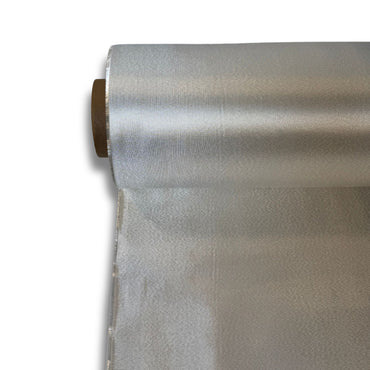
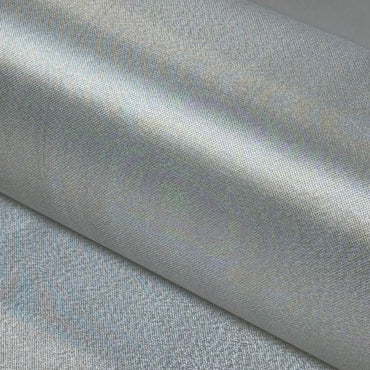
1808 Biaxial Fiberglass
1808 is the heavy end of our stitched biaxial rack: 18 oz/yd² of 0/90 E-glass stitched over a...Regular price $14.45 USDSale price $14.45 USD Regular priceUnit price $14.45 per yd -
 Vendor:Boat Suppliers
3oz Fiberglass E Cloth
Style 120 E-glass in a 4-harness satin weave, 3.16 oz per square yard, 38 in wide. This is...Regular price $16.45 USDSale price $16.45 USD Regular priceUnit price $16.45 per yd -

 Vendor:Boat Suppliers
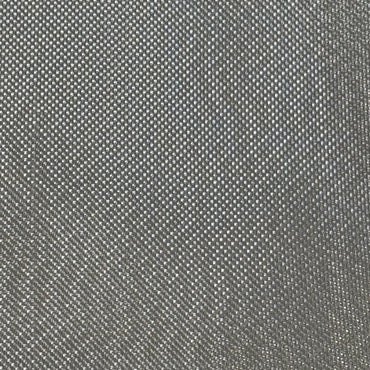
4oz Fiberglass E Cloth
Style 1522 plain weave E-glass at 4 oz per square yard, in 30 in and 50 in widths....Regular price $7.95 USDSale price $7.95 USD Regular priceUnit price $7.95 per yd -

 Vendor:Boat Suppliers
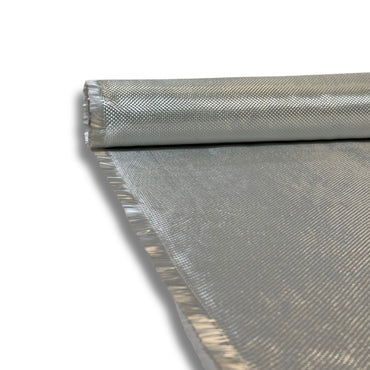
6oz Fiberglass E Cloth
6 oz plain weave is the cloth most shops go through fastest. Light enough to drape into a...Regular price $10.95 USDSale price $10.95 USD Regular priceUnit price $10.95 per yd -
 Vendor:Boat Suppliers
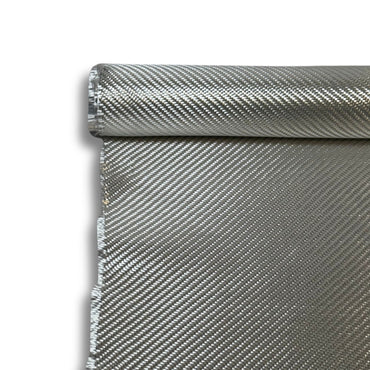
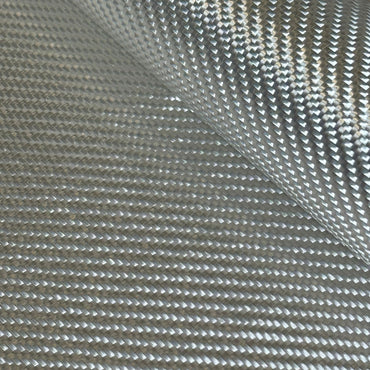
8.5oz 2x2 Twill Fiberglass E Cloth
Style 7725: 8.5 oz/yd² E-glass in a 2x2 twill. The twill is why you buy it. Two over,...Regular price $12.80 USDSale price $12.80 USD Regular priceUnit price $12.80 per yd -
 Vendor:Boat Suppliers
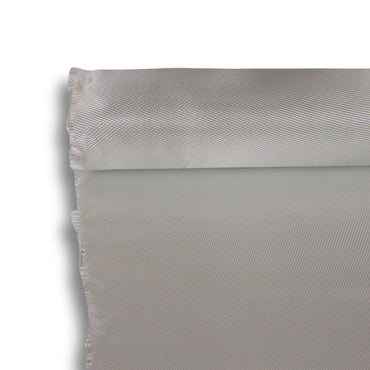
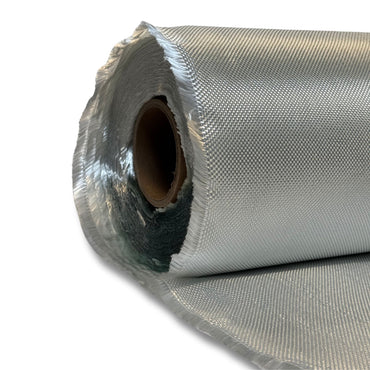
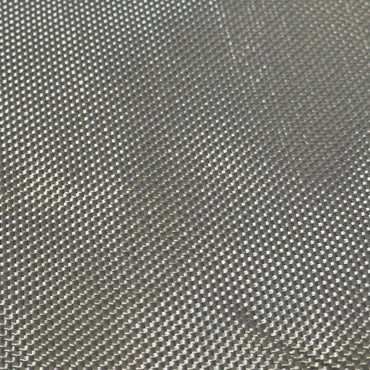
8.9oz Fiberglass E Cloth - Style 7781 Satin Weave
Style 7781 is the 8-harness satin E-glass that tooling shops and aircraft builders order by number. Each yarn...Regular price $16.95 USDSale price $16.95 USD Regular priceUnit price $16.95 per yd -
 Vendor:Boat Suppliers
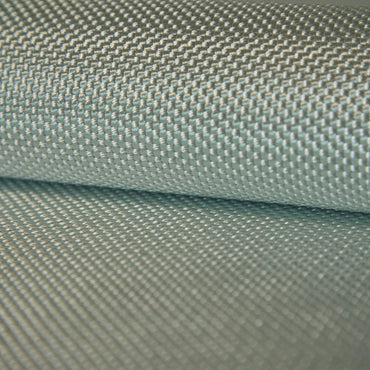
10oz Fiberglass E Cloth
10 oz plain weave is the medium-weight workhorse: enough body to carry structural load without the bulk and...Regular price $14.45 USDSale price $14.45 USD Regular priceUnit price $14.45 per yd -
 Vendor:Boat Suppliers
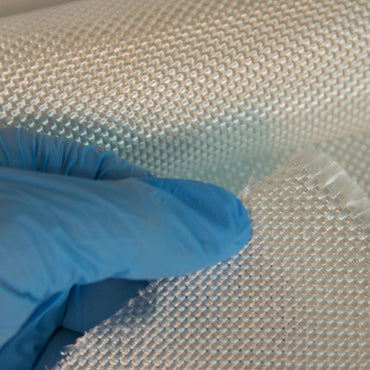
18oz Fiberglass E Cloth
Style 7544 two-end plain weave E-glass at 18 oz per square yard, 50 in wide. This is heavy...Regular price $27.45 USDSale price $27.45 USD Regular priceUnit price $27.45 per yd -
 Vendor:Boat Suppliers
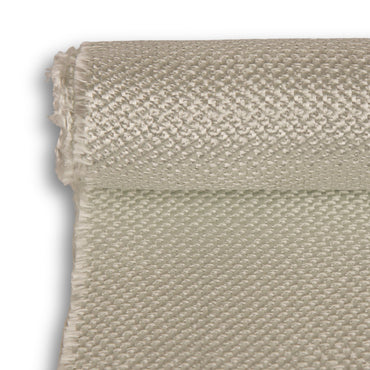
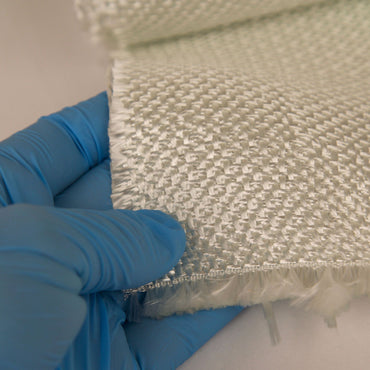
40oz Fiberglass E Cloth
40 oz/yd² double plain weave, 38 in wide. This is the heaviest woven glass we cut, and one...Regular price $47.95 USDSale price $47.95 USD Regular priceUnit price $47.95 per yd -
 Vendor:Boat Suppliers
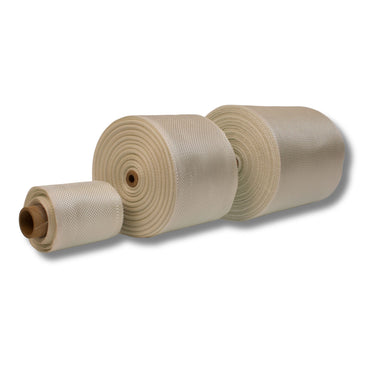
8.7oz Fiberglass Cloth Tape (E-Glass)
When the job is a strip, buy tape. Slitting 50 in cloth into bands leaves frayed edges that...Regular price $0.89 USDSale price $0.89 USD Regular priceUnit price $0.89 per yd -
 Vendor:Boat Suppliers
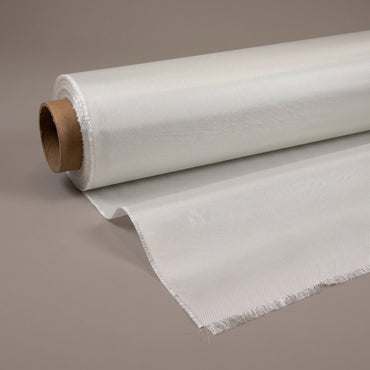
4oz Fiberglass S Cloth - Style 6522
Style 6522 is a 4 oz/yd² (136 g/m²) plain weave woven from S-2 glass, the high-strength fiber that...Regular price $15.45 USDSale price $15.45 USD Regular priceUnit price $15.45 per yd -
 Vendor:Boat Suppliers
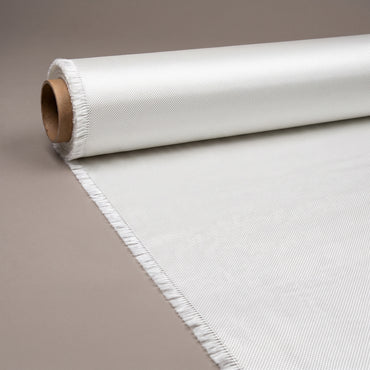
6oz Fiberglass S Cloth - Style 6533
Style 6533 is a 6 oz/yd² (203 g/m²) plain weave woven from S-2 glass, with roughly 25 to...Regular price $18.45 USDSale price $18.45 USD Regular priceUnit price $18.45 per yd -
 Vendor:Boat Suppliers
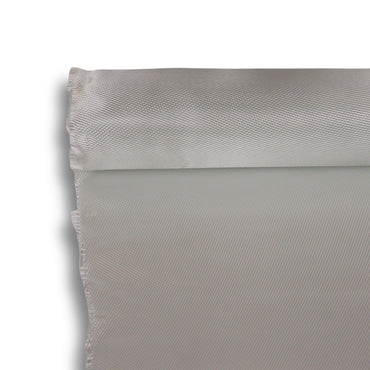
8.9oz Fiberglass S Cloth - Style 6781 Satin Weave
Style 6781 is the S-2 glass version of 7781: the same 8-harness satin weave, weight and thread count,...Regular price $27.99 USDSale price $27.99 USD Regular priceUnit price $27.99 per yd -

 Vendor:Boat Suppliers
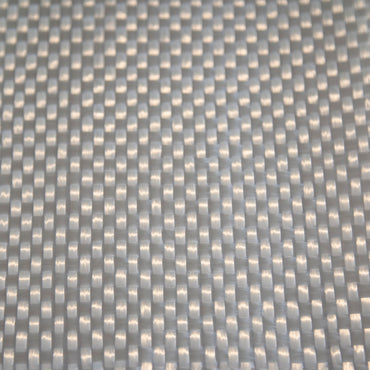
18oz Woven Roving
18 oz woven roving is what you lay in when a hull, stringer or transom repair needs thickness...Regular price $19.44 USDSale price $19.44 USD Regular priceUnit price $19.44 per yd -
 Vendor:Boat Suppliers
24oz Woven Roving
24 oz woven roving is for putting the most glass down per ply on hull bottoms, transoms and...Regular price $22.39 USDSale price $22.39 USD Regular priceUnit price $22.39 per yd$19.44 USD -

 Vendor:Boat Suppliers
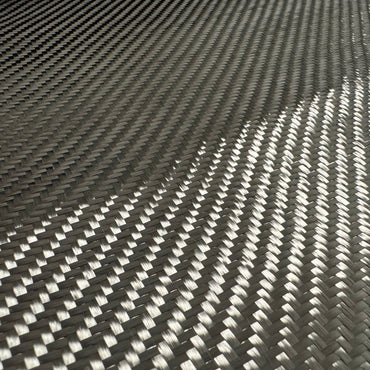
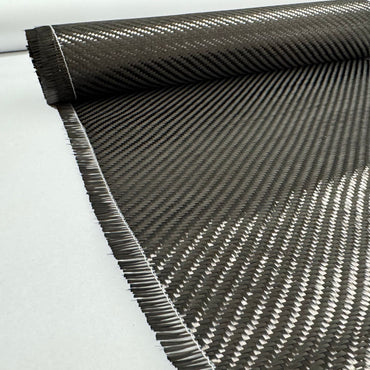
5.7oz 3K 2x2 Twill Weave Carbon Fiber Fabric - 1st Quality
The twill everybody pictures when they hear carbon fiber: 5.7 oz/yd² of 3K tow in a 2x2 over-under-under...Regular price $56.95 USDSale price $56.95 USD Regular priceUnit price $56.95 per yd -
 Vendor:Boat Suppliers
5.7oz 3K 2x2 Twill Carbon Fiber Fabric - Discount Short Roll
This is the classic 2x2 twill carbon look, 5.7 oz per square yard on 3K tow, 50 in...Regular price $39.50 USDSale price $39.50 USD Regular priceUnit price $39.50 per yd -

 Vendor:Boat Suppliers
5.7oz 3K Plain Weave Carbon Fiber Fabric - 1st Quality
The baseline carbon: 5.7 oz/yd² woven from 3K tow in a plain over-under weave, 50 in wide, first...Regular price $56.95 USDSale price $56.95 USD Regular priceUnit price $56.95 per yd


Fiberglass & Carbon
Every reinforcement we cut, in one place
Glass, carbon and aramid, from 0.75 oz mat through 24 oz roving and 19.7 oz 12K carbon. Cut to the yard from full rolls, or bought as a full roll. This is the parent page. The child collections below are where the detail lives.
Start with what the job needs
Woven cloth is the general answer: strength with a clean surface that finishes well, 3 oz to 40 oz, in plain, twill and satin weave. Chopped strand mat builds thickness fast and conforms to shape, and it only works with polyester or vinyl ester resin. Stitched biaxial such as 1708 puts the fibres on the 45s where a transom or stringer actually needs them. Woven roving at 18 and 24 oz is the cheapest way to add bulk in a hull laminate.
When to spend on carbon or aramid
Carbon fiber is for stiffness per unit weight, not for toughness, and it is worth the money on spars, foils, panels and anywhere flex is the enemy. Kevlar aramid is the opposite trade: it is what you want where something is going to get hit, like a skid plate or a hull bottom, because it absorbs impact instead of shattering. Neither is a general upgrade over glass, and both cost considerably more.
Tape instead of cutting strips
Glass tape and carbon tape come in 1 in to 12 in widths with finished edges. For seams, chines, stringers and joints they are faster and cleaner than slitting a wide roll, and you are not paying for the yardage you throw away.
How much you need
The layup calculator takes a full ply schedule, peel ply and all, and returns fabric yardage plus the resin to wet it out.