


-

 Vendor:Boat Suppliers
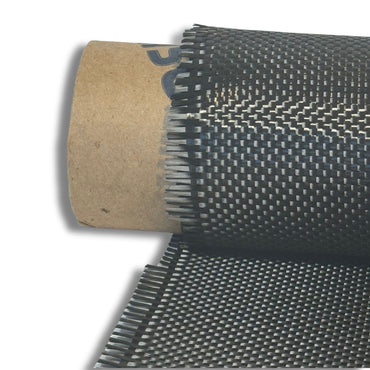
5.7oz 3K Plain Weave Carbon Fiber Fabric - 1st Quality
The baseline carbon: 5.7 oz/yd² woven from 3K tow in a plain over-under weave, 50 in wide, first...Regular price $56.95 USDSale price $56.95 USD Regular priceUnit price $56.95 per yd -

 Vendor:Boat Suppliers
5.7oz 3K 2x2 Twill Weave Carbon Fiber Fabric - 1st Quality
The twill everybody pictures when they hear carbon fiber: 5.7 oz/yd² of 3K tow in a 2x2 over-under-under...Regular price $56.95 USDSale price $56.95 USD Regular priceUnit price $56.95 per yd -

 Vendor:Boat Suppliers
6oz 3K 2x2 Twill Carbon Fiber Fabric – Stabilized
Standard 2x2 twill carbon at 6 oz per square yard on 3K tow, with a lightweight veil bonded...Regular price $60.95 USDSale price $60.95 USD Regular priceUnit price $60.95 per yd -

 Vendor:Boat Suppliers
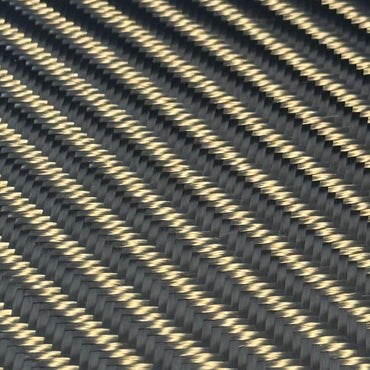
8.3oz 3K 4x4 Twill Carbon Fiber Fabric - 1st Quality
4x4 twill is the drape option. Four over, four under means longer floats, so the cloth lays down...Regular price $70.95 USDSale price $70.95 USD Regular priceUnit price $70.95 per yd -
 Vendor:Boat Suppliers
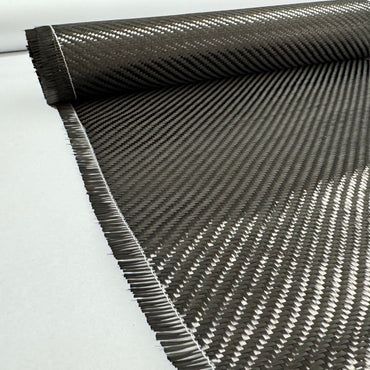
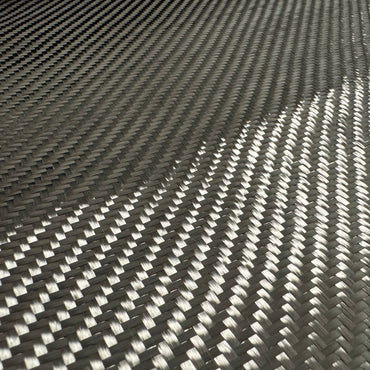
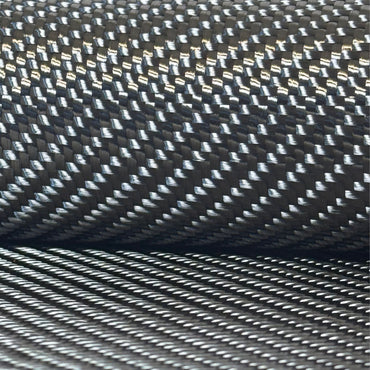
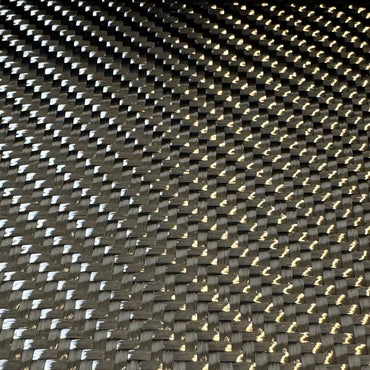
11oz 6K 2x2 Twill Weave Carbon Fiber - 1st Quality
Heavy twill carbon: 11 oz/yd² woven from 6K tow in a 2x2 twill, 50 in wide, first quality....Regular price $63.95 USDSale price $63.95 USD Regular priceUnit price $63.95 per yd -
 Vendor:Boat Suppliers
19.7oz 12K 2x2 Twill Weave Carbon Fiber - 1st Quality
This is the heaviest carbon fabric we stock: 19.7 oz per square yard on 12K tow in a...Regular price $70.95 USDSale price $70.95 USD Regular priceUnit price $70.95 per yd -
 Vendor:Boat Suppliers
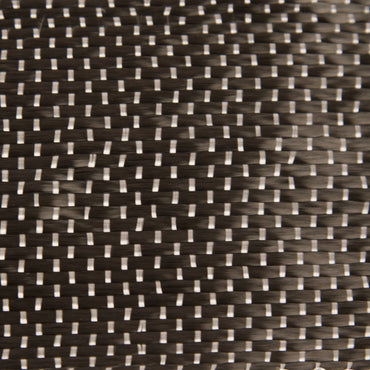
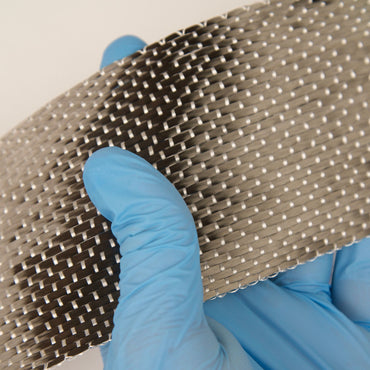
5.7 oz Plain Weave Carbon Fiber Tape (3K)
Upgrade your project with 5.7oz Plain Weave Carbon Fiber, a premium composite material designed for superior strength, lightweight...Regular price $8.45 USDSale price $8.45 USD Regular priceUnit price $8.45 per yd -
 Vendor:Boat Suppliers
11oz Unidirectional Carbon Fiber Tape (12K)
Our 11 oz Unidirectional Carbon Fiber Tape is designed for maximum strength in a single direction. With fibers...Regular price $4.45 USDSale price $4.45 USD Regular priceUnit price $4.45 per yd -
 Vendor:Boat Suppliers
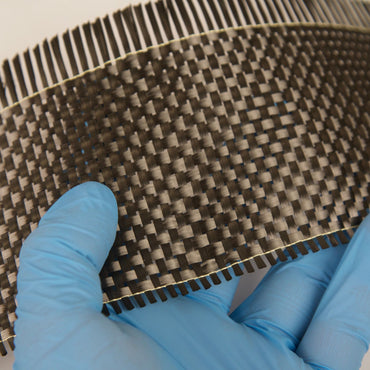
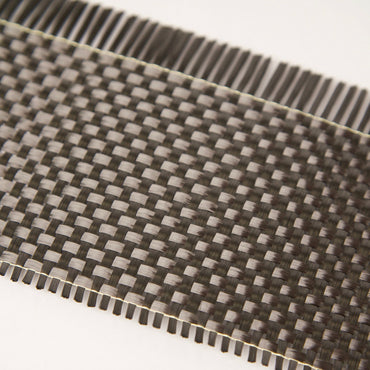
12.3oz Plain Weave Carbon Fiber Tape (12K)
Our 12.3 oz Plain Weave Carbon Fiber Tape is built for demanding reinforcement applications where maximum strength and...Regular price $8.45 USDSale price $8.45 USD Regular priceUnit price $8.45 per yd -
Vendor:Boat Suppliers
5.7oz 3K 2x2 Twill Carbon Fiber Fabric
This is the classic 2x2 twill carbon look, 5.7 oz per square yard on 3K tow, 50 in...Regular price $39.50 USDSale price $39.50 USD Regular priceUnit price $39.50 per yd -
 Vendor:Boat Suppliers
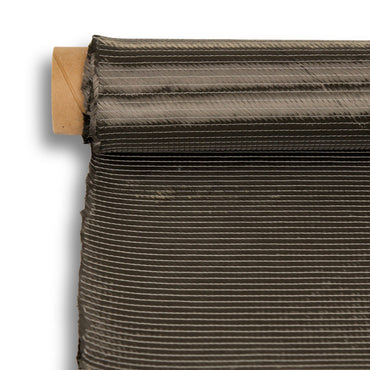
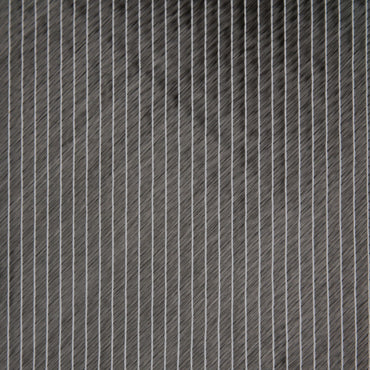
12oz Carbon Fiber Biaxial Fabric 12K Tow ±45°
Stitched carbon at plus and minus 45 degrees, 12 oz/yd² on 12K tow, 50 in wide. The double...Regular price $64.99 USDSale price $64.99 USD Regular priceUnit price $64.99 per yd -
 Vendor:Boat Suppliers
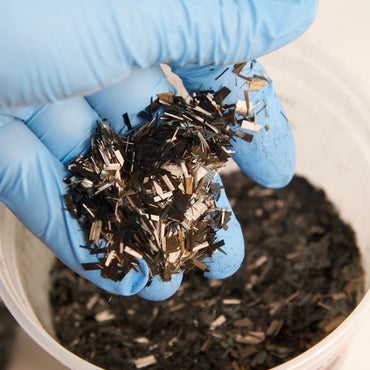
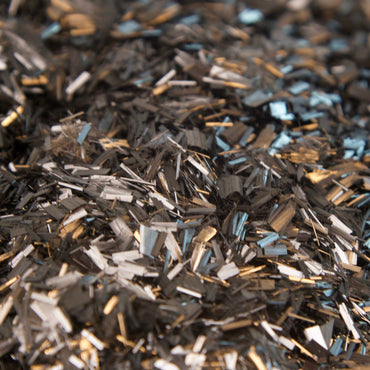
1/4" Chopped Carbon Fiber
Loose 1/4 in chopped carbon strand, mixed into resin where cloth will not fit. Stir it into epoxy,...Regular price $17.95 USDSale price $17.95 USD Regular priceUnit price $35.90 per lbSold out -
 Vendor:Boat Suppliers
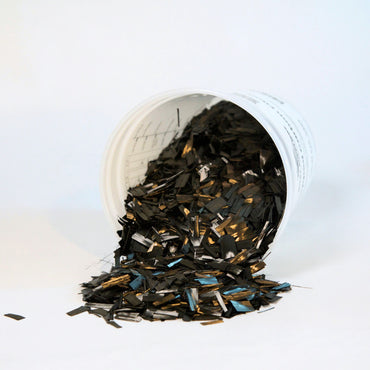
1/2" Chopped Carbon Fiber
Loose 1/2 in chopped carbon strand for mixing into resin. The long fiber is what does the work:...Regular price $17.95 USDSale price $17.95 USD Regular priceUnit price $35.90 per lbSold out


Carbon Fiber
Real 3K and 12K carbon fiber fabric, cut to the yard
First quality carbon from 5.5 oz satin up to 19.7 oz 12K twill, plus tape and biaxial. Cut from full rolls with the edges taped, because a frayed carbon edge unravels into an expensive mess before it reaches the part.
Weave changes the look and the drape, not the strength
2x2 twill is the weave people picture when they picture carbon, and it drapes into compound curves a plain weave fights. Plain weave is flatter and tighter with less drape, and it reads cleaner on a flat panel. A 4HS satin is the most drapable of the three and leaves the smoothest surface, which is why it ends up on molds and finish plies. Fibre count and weight decide strength. Weave decides how it lies down and how it looks.
3K, 6K, 12K
The number is filaments per tow. 3K is the fine, familiar small check and the right choice for cosmetic work and thin laminates. 12K tows are bigger, so the fabric is heavier and builds thickness faster for less money per ounce, with a coarser pattern. For anything that will be seen, use 3K.
Carbon needs epoxy
Do not laminate carbon with polyester resin. The bond is poor and the part will not reach the stiffness you paid for. Use epoxy, and keep carbon away from bare aluminium fittings, because the two set up galvanic corrosion in salt water and the aluminium is what dissolves.
Tape and chopped
Woven and unidirectional carbon tape runs 1 in to 6 in for spars, tubes and reinforcement runs. Chopped carbon in 1/4 and 1/2 in goes into resin as a structural additive.