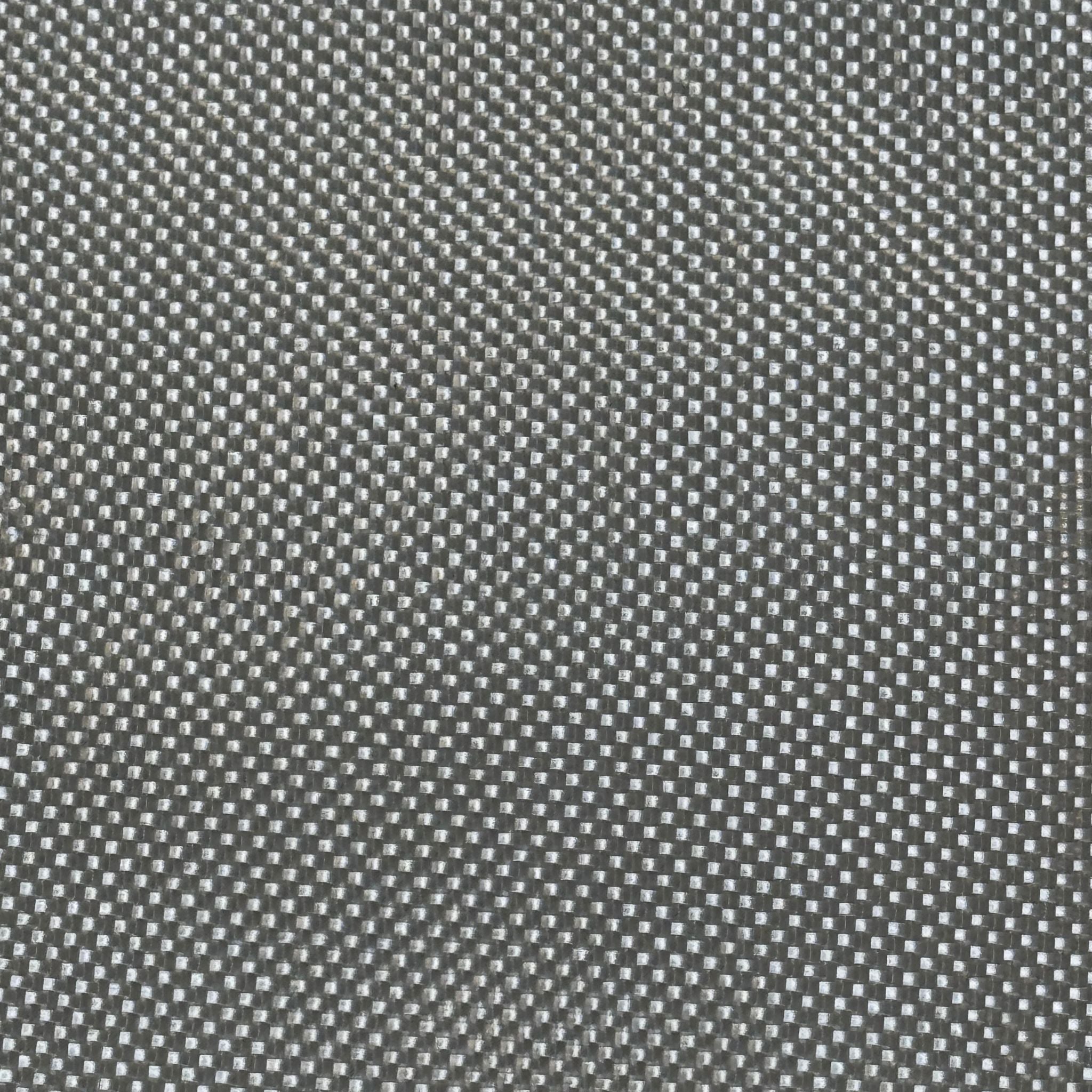
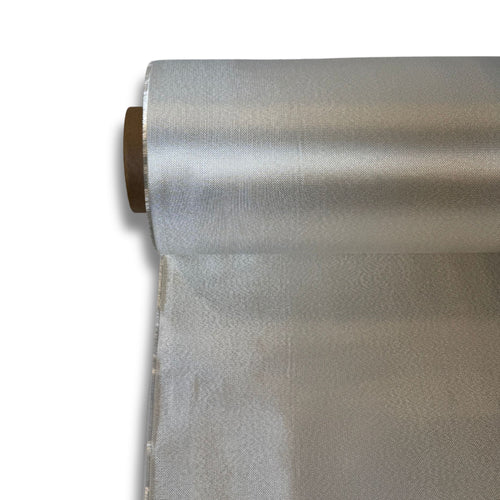
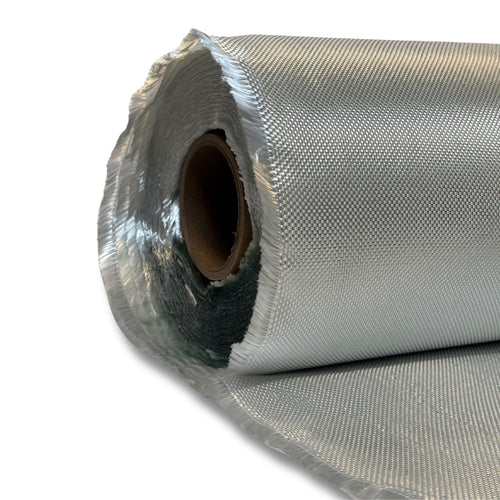
Shop fiberglass cloth tape for strong, flexible reinforcement. Ideal for marine repairs, edge binding, and seams, with high durability and compatibility with resins.
Specifications
Ideal for:
Surface reinforcement, waterproofing, mold making, and lightweight composite structures.
Size Options:
Available in various widths to suit your project needs.
Weight:
3oz/sqft
Compatible with:
Epoxy, polyester, and vinyl ester resins for a flawless bond.
Ideal for: Surface reinforcement, waterproofing, mold making, and lightweight composite structures.
🔹 Size Options: Available in various widths to suit your project needs.
🔹 Compatible with: Epoxy, polyester, and vinyl ester resins for a flawless bond.
Weight:
6oz/sqft
72oz/sq yard
Lightweight cloth that is very common in small craft boat building. Wets out fairly transparent. Most used fabric in cedar strip canoe type applications.
Surface reinforcement, waterproofing, mold making, and lightweight composite structures.
Size Options:
Available in various widths to suit your project needs.
Weight:
3oz/sqft
Compatible with:
Epoxy, polyester, and vinyl ester resins for a flawless bond.
Ideal for: Surface reinforcement, waterproofing, mold making, and lightweight composite structures.
🔹 Size Options: Available in various widths to suit your project needs.
🔹 Compatible with: Epoxy, polyester, and vinyl ester resins for a flawless bond.
Weight:
6oz/sqft
72oz/sq yard
Lightweight cloth that is very common in small craft boat building. Wets out fairly transparent. Most used fabric in cedar strip canoe type applications.
Surface reinforcement, waterproofing, mold making, and lightweight composite structures.
Size Options:
Available in various widths to suit your project needs.
Weight:
3oz/sqft
Compatible with:
Epoxy, polyester, and vinyl ester resins for a flawless bond.
Ideal for: Surface reinforcement, waterproofing, mold making, and lightweight composite structures.
🔹 Size Options: Available in various widths to suit your project needs.
🔹 Compatible with: Epoxy, polyester, and vinyl ester resins for a flawless bond.
Weight:
6oz/sqft
72oz/sq yard
Lightweight cloth that is very common in small craft boat building. Wets out fairly transparent. Most used fabric in cedar strip canoe type applications.
Available in 38" and 50" widths to fit your project’s needs.
Compatible with:
Epoxy, polyester, and vinyl ester resins for a strong, long-lasting bond.
Weight:
10oz/sqft
90oz per square yard
Widely used fabric in FRP boat construction, offering a balanced combination of cost, weight, and strength.
FAQ
Frequently Asked Questions
Can epoxy resin be used with fiberglass cloth?
Yes, epoxy resin is ideal for wetting out fiberglass cloth and other reinforcements like carbon fiber and Kevlar. It saturates the fabric well and cures into a strong, durable laminate.
Can 10 oz fiberglass cloth be used on wood or metal?
Yes. With the right resin, 10 oz fiberglass cloth bonds to wood, metal, foam, and cured fiberglass. Use epoxy for wood and metal, since it grips those substrates far better than polyester. Prep matters more than the cloth: sand to clean, bare material, remove all dust and oil, and wet out the surface before laying the cloth down.
What does the weight (oz) of fiberglass cloth mean?
The weight refers to ounces per square yard. Lighter cloth (e.g., 4oz) is more flexible and used for fine finishing; heavier cloth (e.g., 10oz) provides more strength and bulk.
How do I cut fiberglass cloth?
Use sharp scissors or a utility knife. To reduce fraying, you can lightly mist the cloth with water or use tape to mark the cutting line.
What is fiberglass cloth used for?
Fiberglass cloth is used to reinforce composite materials in applications like boat building, surfboard repairs, auto bodywork, and structural laminates. It’s combined with resin to form a strong, lightweight composite.
What’s the difference between fiberglass cloth and chopped mat?
Fiberglass cloth is woven for strength in specific directions, while chopped strand mat is made of randomly oriented fibers and is better for building bulk.