How to Make a Fiberglass Mold: Complete Step-by-Step Guide

23 February 2026
Building a fiberglass mold is one of the most valuable skills in composite fabrication. A quality mold allows you to produce multiple identical parts with professional results. Whether you are making boat parts, automotive components, or custom projects, understanding the mold-making process is essential.
This guide walks you through creating a fiberglass mold from start to finish, including the materials you will need and techniques for success.
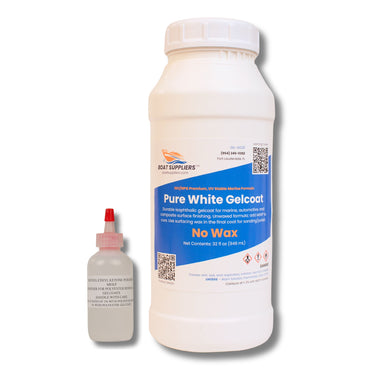
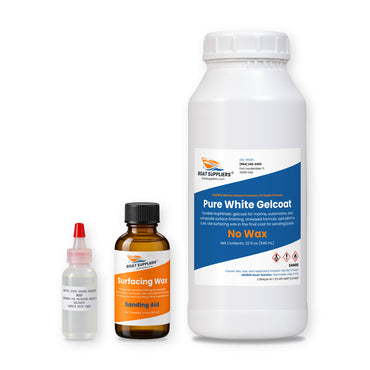
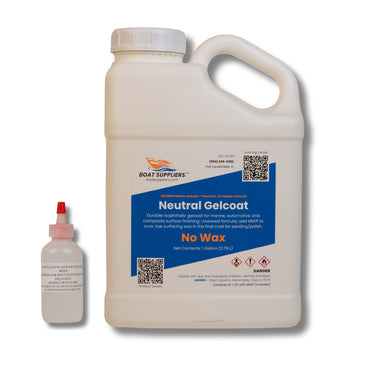
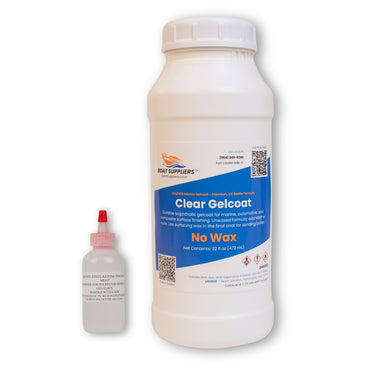
What a mold build needs
Everything below is in stock and ships from our Florida shop.


What Is a Fiberglass Mold?
A fiberglass mold is a negative impression of your desired part. You create parts by laying fiberglass and resin into the mold, which gives you a smooth, finished surface on the outside of your part. Molds can be used dozens or even hundreds of times when properly made and maintained.
Materials You Will Need
Before starting, gather these essential materials:
For Mold Release
- Mold Release Wax - Creates a barrier between the plug and mold
- PVA Release Film - Water-soluble backup release layer
- Clean cotton cloths - For wax application
For the Mold Surface
- Tooling Gelcoat - Creates the durable mold surface (black or orange recommended for visibility)
- MEKP Catalyst - Hardener for gelcoat and resin
For the Mold Structure
- Tooling Resin (Isophthalic) - High-quality resin for mold durability
- Chopped Strand Mat (1.5 oz) - First layers against gelcoat
- Woven Roving (18 oz) - Structural layers for thickness
- Fiberglass cloth - Optional for fine detail areas
Tools
- Brushes and rollers
- Mixing cups and sticks
- Bubble rollers (aluminum or plastic)
- Sandpaper (various grits)
- Safety equipment (gloves, respirator, safety glasses)
Step 1: Prepare Your Plug (Master Pattern)
Your plug is the original part or pattern you will be making a mold from. The mold will capture every detail including imperfections, so surface preparation is critical.
Surface Requirements
- Fill any pinholes, scratches, or imperfections with filler
- Sand progressively from 220 to 600 grit or higher
- Buff to a high gloss if possible
- The smoother your plug, the smoother your mold and final parts
Pro Tip: Spray your plug with a guide coat between sanding sessions to reveal low spots and imperfections.
Step 2: Apply Mold Release
Proper release is the most critical step. If your mold sticks to the plug, both can be ruined.
Wax Application
- Apply a thin, even coat of mold release wax with a clean cloth
- Allow to haze (usually 5-10 minutes)
- Buff to a shine with a clean cloth
- Repeat for minimum 4-6 coats on a new plug
- Allow 10-15 minutes between coats
PVA Application (Recommended)
After waxing, apply PVA release film as a backup:
- Spray or brush a thin, even coat of PVA
- Allow to dry completely (10-20 minutes)
- Apply a second coat if desired
Important: PVA is water-soluble. Keep it dry until gelcoat application.
Step 3: Apply Tooling Gelcoat
Tooling gelcoat creates the working surface of your mold. It needs to be thick enough to be durable but applied properly to avoid defects.
Gelcoat Application
- Mix gelcoat with 1.5-2% MEKP catalyst by volume
- Stir thoroughly but avoid introducing air bubbles
- Apply first coat at 15-18 mils thickness (use a mil gauge)
- Allow to cure until tacky (not fully hard)
- Apply second coat at 15-18 mils
- Total gelcoat thickness: 30-35 mils minimum
Pro Tip: Black or orange tooling gelcoat makes it easier to see when your part gelcoat is thick enough during production.
Step 4: Build the Mold Laminate
Once the gelcoat has cured to a tacky state, begin building the structural layers.
First Layers (Skin Coat)
- Mix tooling resin with 1.5% MEKP
- Apply a thin coat of resin over the gelcoat
- Lay 1-2 layers of 1.5 oz chopped strand mat
- Wet out thoroughly and roll out all air bubbles
- Allow to cure
Important: The first layers are critical. Take your time to ensure complete wet-out and no air pockets against the gelcoat.
Structural Layers
- Alternate layers of mat and woven roving
- Common schedule: Mat, Roving, Mat, Roving, Mat
- Build to 3/8 inch to 1/2 inch total thickness for most molds
- Allow partial cure between every 2-3 layers to control heat
Adding Stiffeners
For larger molds, add structural reinforcement:
- Wooden or steel framework
- Fiberglass ribs or egg crate structure
- This prevents warping and flexing during use
Step 5: Cure and Demold
Curing
- Allow the mold to fully cure at room temperature (24-48 hours minimum)
- Post-curing at elevated temperature (150F for 4-8 hours) improves durability
- Do not rush - inadequate cure leads to soft, easily damaged molds
Demolding
- Start at edges using plastic wedges (never metal)
- Work gradually around the perimeter
- Use compressed air in release points if available
- Patience prevents damage - never force separation
Step 6: Prepare the Mold for Use
Before making your first part:
- Wash off any PVA residue with water
- Inspect for defects and repair if needed
- Wet sand with 400-600 grit if necessary
- Apply 4-6 coats of mold release wax
- Your mold is now ready for production
Common Mistakes to Avoid
- Insufficient release: Always apply more wax coats than you think necessary
- Thin gelcoat: Under 25 mils will wear through quickly
- Air bubbles: Trapped air creates weak spots and surface defects
- Rushing cure: Full cure is essential for mold durability
- Excessive heat: Too many layers at once causes exothermic damage
Mold Maintenance Tips
- Clean molds after each use
- Re-wax every 3-5 pulls
- Store in a temperature-stable environment
- Repair any damage immediately to prevent spreading - similar to gelcoat repair techniques
- A well-maintained mold can last for years
Final Thoughts
Making a fiberglass mold requires patience and attention to detail, but the results are worth it. A quality mold is an investment that pays off with every part you produce. Start with smaller projects to develop your technique before tackling large or complex boat repairs.
For all your mold-making supplies including tooling gelcoat, tooling resin, mold release, and fiberglass reinforcements, visit Boat Suppliers.
Frequently asked questions
How many coats of mold release wax do I need on a new plug?
On a fresh plug, lay down a minimum of 4 to 6 coats of mold release wax. Apply each coat thin and even with a clean cotton cloth, let it haze for 5 to 10 minutes, then buff to a shine and wait 10 to 15 minutes before the next. After waxing we recommend a backup layer of PVA release film, but keep that PVA dry until you apply gelcoat since it is water-soluble.
How thick should tooling gelcoat be on a fiberglass mold?
Build your tooling gelcoat to 30 to 35 mils total, minimum. We apply it in two coats of 15 to 18 mils each, checking with a mil gauge, and let the first coat cure to tacky before the second. Mix at 1.5 to 2% MEKP by volume and stir without whipping in air. Anything under 25 mils wears through fast during production pulls.
What laminate schedule should I use to build the mold structure?
Once the tooling gelcoat is tacky, lay a skin coat of 1 to 2 layers of 1.5 oz chopped strand mat over a thin resin coat and roll out every bubble against the gelcoat. Then alternate mat and 18 oz woven roving, a common schedule being mat, roving, mat, roving, mat. Build to 3/8 inch to 1/2 inch total thickness for most molds, letting it partial-cure every 2 to 3 layers to control exotherm.
Why does my mold need to post-cure before I pull parts?
A room-temperature cure of 24 to 48 hours is the minimum, but post-curing at 150F for 4 to 8 hours drives the resin to full crosslink and makes the mold harder and more durable. Skipping it leaves the tool soft and easily damaged. We also avoid stacking too many laminate layers at once, since the exotherm from a thick lay-up can cause heat damage and warping.
How do I demold a fresh mold without cracking it?
Patience over force, every time. Start at the edges with plastic wedges, never metal, and work gradually around the perimeter. If you have compressed air, introduce it at the release points to break the suction. Never pry hard, since forcing separation can ruin both the mold and the plug. After it releases, wash off PVA residue with water, inspect, and re-wax with 4 to 6 coats before the first part.
Shop the materials in this guide
Prev post

What is Epoxy Resin? A Complete Guide for Beginners
Updated on 23 February 2026
Next post

Sealing and Protecting Marine Plywood for Long-Term Use
Updated on 23 February 2026