
Woven Roving
-

 Vendor:Boat Suppliers
18oz Woven Roving
18 oz woven roving is what you lay in when a hull, stringer or transom repair needs thickness...Regular price $19.44 USDSale price $19.44 USD Regular priceUnit price $19.44 per yd -
 Vendor:Boat Suppliers
24oz Woven Roving
24 oz woven roving is for putting the most glass down per ply on hull bottoms, transoms and...Regular price $22.39 USDSale price $22.39 USD Regular priceUnit price $22.39 per yd$19.44 USD


Woven Roving
Building thickness fast in a hull
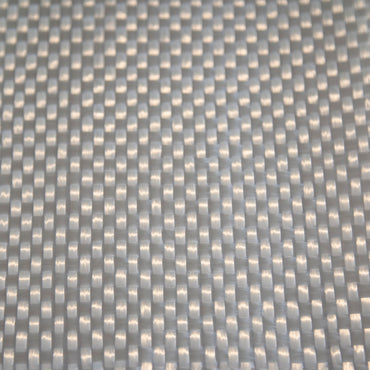
Woven roving is the bulk builder. At 18 and 24 oz it lays down more glass per ply than anything short of heavy biaxial, which is why production hulls and mold backing lean on it. Both weights come 50 in wide, the 18 oz in 1, 3 and 10 yard cuts and the 24 oz in 1, 3 and 5 yard cuts.
Run chopped strand mat between roving plies in a polyester laminate. Roving against roving leaves a resin rich layer between two coarse weaves that is a natural crack path, and the mat fills the crimp so the plies key together. Roving is a structural layer, not a finish layer, so skin it with cloth or gelcoat.