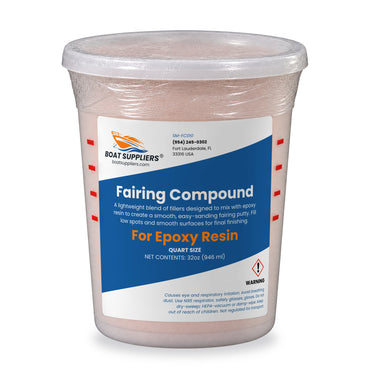
Microballoons vs Cabosil: Which Filler Do You Actually Need?

08 April 2026
Use Cabosil (fumed silica) to bond, fill gaps or hold a fillet without sagging, and microballoons for fairing that has to stay light and sand easily. Per cup of mixed epoxy, about 1 3/4 cups of silica makes a peanut butter fillet that cures hard and sands poorly, and phenolic microballoons or glass bubbles make a light fairing putty that is not for structural bonds. Most repairs use both: a silica or fiber mix for the bond, then a microballoon fairing coat on top.
What Each Filler Actually Does
These two products work through completely different physical mechanisms. Understanding that difference resolves most of the confusion around when to use each one.
Microballoons: Hollow Spheres That Kill Weight
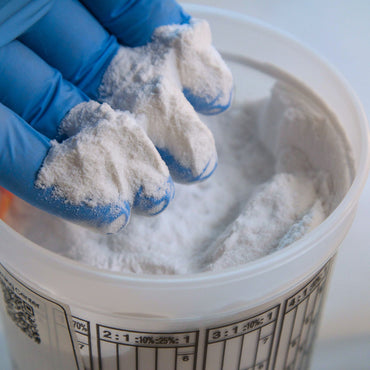
Microballoons are hollow glass or phenolic spheres, typically 10 to 200 microns in diameter. When you stir them into mixed epoxy they displace resin volume without contributing meaningful mass. The result is a low-density putty that spreads easily, builds up large sections quickly, and sands down without fighting you.
Density tells the story. Mixed microballoon fairing compound typically runs 0.4 to 0.6 g/cc depending on filler loading, versus roughly 1.1 to 1.2 g/cc for neat epoxy. That is a real weight difference over a full hull fairing job. 3M Glass Bubbles sit at the premium end of this category: tighter sphere-size distribution, higher crush strength, and a cleaner, more consistent sand than commodity Q-cells. If you are fairing a hull bottom or building a lightweight plug, this is the product to reach for.
What microballoons are good at:
- Hull fairing and smoothing large panels
- Filling voids and low spots before final shaping
- Building lightweight plugs and molds
- Cosmetic fills where the surface will be painted
- Any non-structural application where sanding ease matters
What microballoons are not good at:
- Structural bonding or fillet joints under load
- Vertical surfaces without a backing form (they sag more than fumed silica)
- Anywhere the filler will see real shear or tensile stress
Fumed Silica (Cabosil): The Non-Sag Thickener
Fumed silica is amorphous silicon dioxide processed into an extremely fine powder, surface area around 200 m²/g for the grades boat shops use. At that scale, the particle surfaces hydrogen-bond to each other and build a thixotropic network inside your epoxy: the mix flows under a spreader or brush but instantly regains body when you stop moving it. It will not sag or run on a vertical surface even in a thick application.
Aerosil Cabosil Fumed Silica is the benchmark product in this category and works with epoxy, polyester, and vinylester resins. It thickens without meaningfully weakening the adhesive matrix, which is why boatbuilders use it for structural bonds, filleting stringers and bulkheads, and anywhere a wet-out joint needs to hold position while it cures.
What fumed silica is good at:
- Structural bonding fillets on stringers, bulkheads, and frames
- Vertical and overhead surface applications
- Gap-filling adhesives where joint strength is critical
- Thickening gelcoat for spot repairs
- Any application where the mix must stay put without a mold or form
What fumed silica is not good at:
- Reducing weight (it adds almost none, but it does not subtract it either)
- Building up large fairing sections (too expensive and difficult to sand compared to microballoons)
- Applications that need a feathered, fair surface straight off the spreader
The Decision in One Sentence
If the mix needs to be light and sandable, use microballoons. If it needs to stay where you put it and hold load, use fumed silica. In most real repair jobs, you use both: microballoons for the bulk fill, fumed silica for the bonding layer underneath or the structural fillet alongside.
Mix Ratios and Consistency Targets
Neither filler has a fixed ratio. You add until the mixture does what you need. These ranges cover most marine work:
Fumed Silica Loading by Consistency
Loose powder scooped from the jar, per cup (8 fl oz) of mixed epoxy. Weights are a share of the epoxy weight.
- Light thickening (brush or roll without drips): 1/4 to 1/2 cup, about 1 to 2% by weight
- Ketchup (coats and levels, bonds large flat panels): 3/4 cup, about 3% by weight
- Mayonnaise (spreads with a squeegee, general bonding): 1 cup, about 4.5% by weight
- Peanut butter (holds a radius fillet without slumping): 1 3/4 cups, about 7.5% by weight
Microballoon Loading by Consistency
Microballoons thicken by crowding the resin, not by building a gel, so they take more powder by volume than fumed silica. Per cup of mixed epoxy:
- Thin fairing slurry (trowel to a feather edge): about 1 1/4 cups
- Standard fairing compound (fills shallow voids in one pass): about 1 3/4 cups
- Stiff putty (builds up deeper areas): about 2 1/4 cups
The Fairing and Filler Calculator scales these to your batch, and our fumed silica guide covers the silica side in depth.
Add filler gradually while mixing. Fumed silica clumps if you dump it in all at once; fold it in with a wide blade and scrape the sides of the pot. Microballoons crush if you mix aggressively; use a gentle folding motion to keep the spheres intact. Broken spheres increase density and defeat the weight-savings purpose.
Use the resin calculator to estimate how much base epoxy you need before you start adding filler. Running out of mixed resin mid-job on a fairing coat wastes material and leaves a hard edge to sand out.
Products used in this guide
-

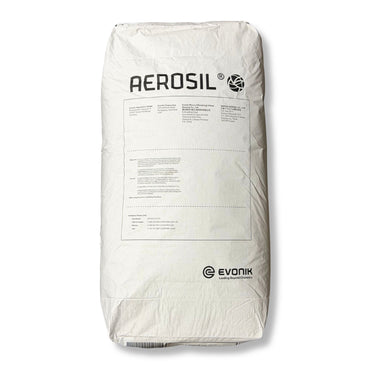


Aerosil - Cabosil (Fumed Silica)
Regular price From $9.95 USDSale price From $9.95 USD Regular priceUnit price $9.95 per qt -
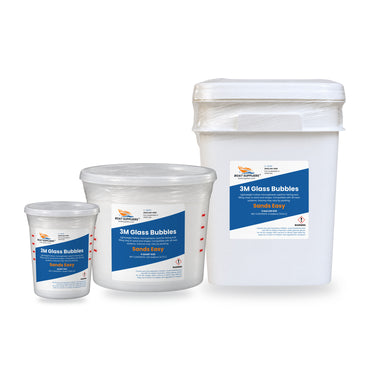
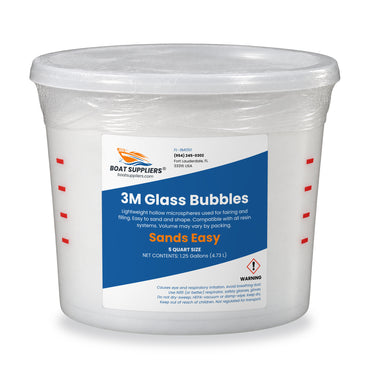
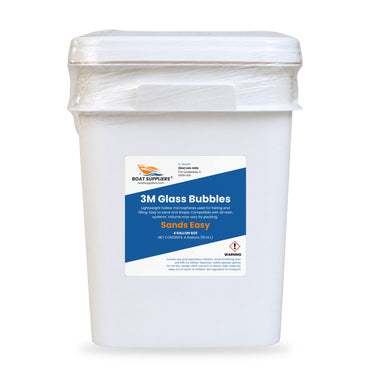
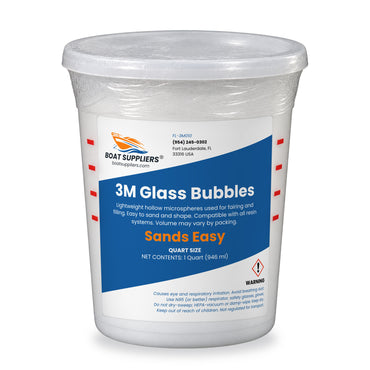
3M Glass Bubbles
Regular price From $9.95 USDSale price From $9.95 USD Regular priceUnit price $9.95 per qt -


Q-Cells
Regular price From $8.95 USDSale price From $8.95 USD Regular priceUnit price $8.95 per qt -


Phenolic Microballoons
Regular price From $18.95 USDSale price From $18.95 USD Regular priceUnit price $18.95 per qt


When to Add Fiber Reinforcement
Neither fumed silica nor microballoons add tensile or impact strength to a filled epoxy mix. For structural repairs, fiber reinforcement does that job.
1/32" Milled Fiber blends into a fumed-silica-thickened paste without much disruption to spreading consistency. It adds tensile reinforcement to fillets and bonding putties, and mixes smoother than chopped strand. Use it wherever a stringer or bulkhead bond will see flex loading.
For heavier repairs, 1/4" Chopped Strand gives you real impact and tensile strength in a trowelable mix. It wets out with epoxy and adds enough fiber architecture to bridge small cracks and voids structurally, not just cosmetically. Step up to 1/2" Chopped Strand when you are rebuilding thicker sections, filling large structural voids, or casting reinforced bonding putty that needs to approach original laminate toughness.
A practical layering sequence for a structural repair: fumed silica thickened bond coat on prepared substrate, a fillet of fumed silica plus milled fiber at the transition, then microballoon fairing compound over the top once the structural layers have cured. You address each job with the correct tool rather than asking one filler to do everything.
Safety: Both Fillers Create Hazardous Dust
Fumed silica particles are fine enough to reach deep lung tissue. Microballoons generate similar fine dust during mixing and especially during sanding. Wear a properly fitted respirator rated for fine particulates (P100 minimum) any time you are measuring, mixing, or sanding either material. Nitrile gloves are non-negotiable for skin contact with uncured epoxy systems. Store both fillers in sealed containers; moisture shortens shelf life and affects how they mix into resin.
Quick-Reference: Which Filler for Which Job
| Job | Filler to Use | Add Fiber? |
|---|---|---|
| Hull fairing, large panel smoothing | Microballoons | No |
| Stringer or bulkhead bonding fillet | Fumed silica | Yes, milled fiber |
| Vertical or overhead bond joint | Fumed silica | Optional |
| Filling large structural voids | Fumed silica or milled fiber mix (base) + microballoons (fairing finish) | Yes, chopped strand in void fill |
| Gelcoat spot repair thickening | Fumed silica | No |
| Lightweight plug or mold buildup | Microballoons | No |
Frequently Asked Questions
Which filler should I use for fairing a hull versus bonding a structural joint?
Use microballoons for fairing and smoothing the hull. They create a low-density, easy-sand putty that builds large areas and shapes fair curves without adding weight. Use fumed silica for the structural joint. It thickens epoxy into a non-sag paste that holds on vertical surfaces and keeps more of the base resin's strength for load-bearing bonds. For the highest-strength fillet, blend in 1/32" Milled Fiber with your fumed silica mix.
How much filler do I add to epoxy for the right consistency?
Add gradually and check consistency as you go. Per cup of mixed epoxy, fumed silica takes about 3/4 cup of loose powder for ketchup, 1 cup for mayonnaise and 1 3/4 cups for peanut butter, roughly 3, 4.5 and 7.5 percent of the epoxy weight. Microballoons take more by volume, about 1 1/4 to 2 1/4 cups. Fold fumed silica in carefully to avoid clumping, and mix microballoons gently so you don't crush the hollow spheres.
Are 3M Glass Bubbles and Q-cells the same as phenolic microballoons?
They are all hollow-sphere low-density fillers, but they are not identical. 3M Glass Bubbles are hollow glass with a tighter size distribution and higher crush strength than standard Q-cells. Phenolic microballoons are made from phenolic resin rather than glass and tend to be slightly denser and darker. Each product has a specific density and sanding character, so do not assume they swap one for one without adjusting your mix ratio.
Can I mix fumed silica and microballoons in the same batch?
Yes, and experienced builders do it to tune a mix. A small scoop of fumed silica, a quarter to half a cup per cup of epoxy (roughly 1 to 2 percent of the epoxy weight), in a microballoon fairing compound improves sag resistance on curved or vertical surfaces without adding much weight or killing sandability. Try it on scrap first so you know what consistency to expect before mixing a full batch.
Do I need a respirator when working with these fillers?
Yes, always. Both fumed silica and microballoons produce very fine particulate dust during measuring, mixing, and sanding. Use a respirator rated P100 or better, nitrile gloves, and eye protection. Store both products in sealed containers away from moisture. Work in manageable batch sizes and test your mix on a small area before applying to the full job.
What You Need For This Job
- Aerosil Cabosil Fumed Silica, thickens epoxy into a non-sag paste for structural bonds and fillets
- 3M Glass Bubbles, premium hollow glass microspheres for lightweight, sandable fairing compound
- 1/32" Milled Fiber, fine E-glass reinforcement that blends into structural fillet mixes without bulk
- 1/4" Chopped Strand Fiberglass, adds tensile and impact strength to epoxy repair putties and void fills
- 1/2" Chopped Strand Fiberglass, heavier-duty fiber for rebuilding large structural sections and thick castings
Shop the materials in this guide
Prev post

How to Use Biaxial Fiberglass for Boat Repair: Fabric Selection and Layup Guide
Updated on 08 April 2026
Next post

Chopped Strand Mat Layers: How Many Do You Actually Need?
Updated on 07 April 2026