
Epoxy Resin
-



 Vendor:Boat Suppliers
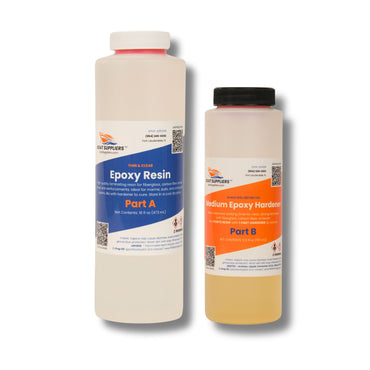
Boat Suppliers Epoxy Resin Kit – Thin, Clear, with Hardener
High quality resin which is popular for lamination with fiberglass, carbon fiber, Kevlar® or any type of reinforcement....Regular price $34.95 USDSale price $34.95 USD Regular priceUnit price $1.46 per floz -

 Vendor:Boat Suppliers
Boat Suppliers Table Top Kleer Kote Epoxy Resin
A 100 percent solids clear coating epoxy that self-levels into a glass-like surface. It is a coating system,...Regular price $44.99 USDSale price $44.99 USD Regular priceUnit price per -

 Vendor:Boat Suppliers
1-1 Resin Ratio Pumps - 1oz Per Stroke
Two identical pumps, 1 oz per stroke each, so mixing epoxy becomes counting instead of measuring. Thread one...Regular price $14.95 USDSale price $14.95 USD Regular priceUnit price per -


 Vendor:West System
West System 105 Epoxy Resin
West System 105 is the base resin of the 105/200-series system, the gold-standard marine epoxy from Gougeon Brothers....Regular price $59.51 USDSale price $59.51 USD Regular priceUnit price per -

 Vendor:West System
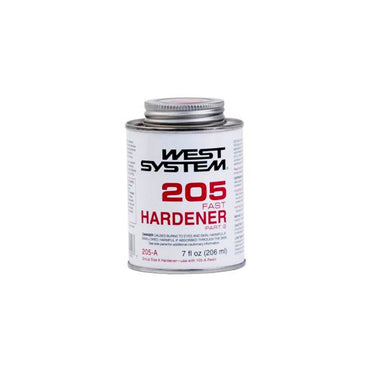
West System 205 Fast Hardener
205 is the fast hardener for West System 105 resin: 5:1 by volume, 9-12 minutes of pot life...Regular price $38.95 USDSale price $38.95 USD Regular priceUnit price per -

 Vendor:West System
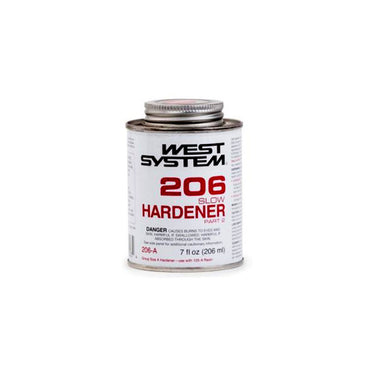
West System 206 Slow Hardener
206 is the slow hardener for West System 105 resin: 5:1 by volume, 20-25 minutes of pot life...Regular price $34.61 USDSale price $34.61 USD Regular priceUnit price per -

 Vendor:West System
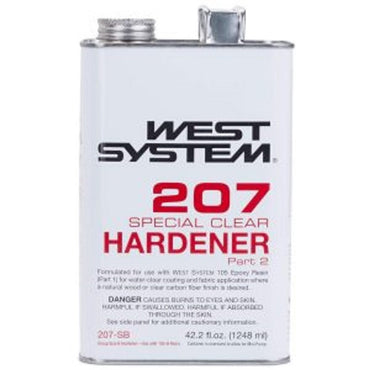
West System 207 Special Clear Hardener
207 is the clear-finish hardener for West System 105: 3:1 by volume, blush-free, with a UV inhibitor in...Regular price $63.15 USDSale price $63.15 USD Regular priceUnit price per -
 Vendor:West System
West System 300 Mini Pump Set
The 300 Mini Pump Set meters West System 105 resin and 200-series hardeners one full stroke to one...Regular price $31.39 USDSale price $31.39 USD Regular priceUnit price per -


 Vendor:Boat Suppliers
Thin Epoxy Resin
Our 635 thin laminating resin, sold as the resin side only. At 600 cps it runs like syrup,...Regular price $9.98 USDSale price $9.98 USD Regular priceUnit price per -


 Vendor:Boat Suppliers
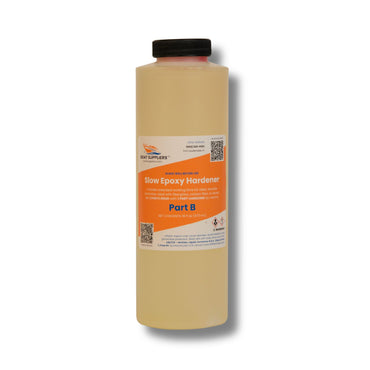
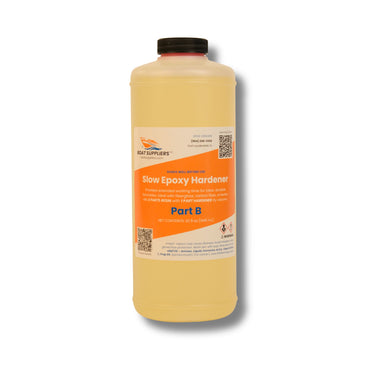
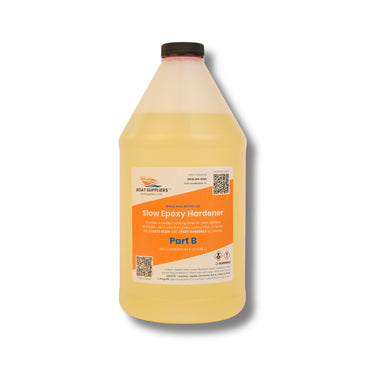
Boat Suppliers Slow Epoxy Hardener 2:1 Ratio
The slow side of our 2:1 epoxy system, sold on its own so you can stock resin and...Regular price $15.95 USDSale price $15.95 USD Regular priceUnit price perSold out -


 Vendor:Boat Suppliers
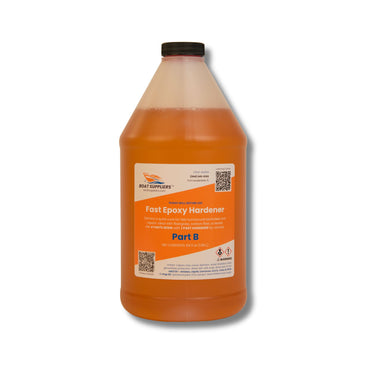
Boat Suppliers Fast Epoxy Hardener 4:1 Ratio
The fast hardener in our epoxy line, mixed 4 parts resin to 1 part hardener by volume. Reach...Regular price $15.95 USDSale price $15.95 USD Regular priceUnit price perSold out -


 Vendor:Boat Life
BoatLife Git Rot Epoxy Kit
BoatLife Git Rot Penetrating Epoxy Kit BoatLife Git Rot system is a superior product to combat dry rot...Regular price $27.99 USDSale price $27.99 USD Regular priceUnit price per -
 Vendor:Boat Suppliers
Boat Suppliers Epoxy Resin Kit - Thick, 1:1 Bonding and Coating, with Hardener
Thick 1:1 epoxy for the jobs where resin needs to stay put. This is the bonding and coating...Regular price $19.95 USDSale price $19.95 USD Regular priceUnit price per -
 Vendor:Boat Suppliers
Thick Epoxy Resin
The resin half of our Thick 1:1 epoxy system, sold on its own. Same high-build, no-sag formula as...Regular price $9.98 USDSale price $9.98 USD Regular priceUnit price per -
 Vendor:Boat Suppliers
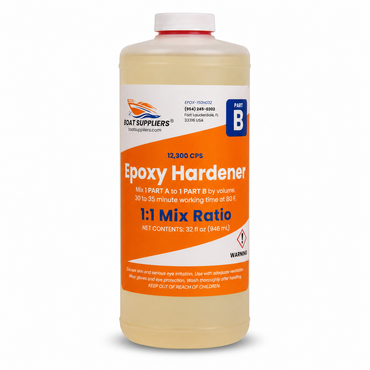
Thick Epoxy Hardener (1:1 Ratio)
The hardener half of our Thick 1:1 epoxy system, sold on its own so you can rebalance bench...Regular price $15.95 USDSale price $15.95 USD Regular priceUnit price per


Epoxy Resin
Marine epoxy resin, in the cure speed your shop temperature calls for
Epoxy is the resin to use when the bond is what matters: wood, cured polyester, metal, foam, or any repair that has to hold structurally rather than just fill. It barely shrinks, it does not need a wax additive to cure tack free, and unlike polyester it will bond to almost anything you have already repaired.
Pick the ratio by pot life, not by strength
Our house epoxy comes in 2:1 slow, 3:1 medium and 4:1 fast. All three cure to a similar strength. What changes is working time, and the choice is really about temperature. Fast in a cold garage in February, slow in Florida in August, medium for most of the year. Buying the wrong one is the most common reason a first epoxy job kicks in the cup before it reaches the part.
Thin or thick
Thin epoxy wets out cloth and penetrates. Thick 1:1 epoxy is already bodied for bonding and coating where you do not want it running off a vertical surface. If you want a thin epoxy that you thicken yourself, that is what the fillers are for, and it gives you far more control than buying it pre-thickened.
West System
West System 105 resin with 205 fast, 206 slow or 207 special clear hardener is stocked for anyone working to a published West schedule or a surveyor's spec that names it. The 406 colloidal silica and the rest of the West filler range are here too.
Table top epoxy is a different product
Kleer Kote table top epoxy is a 1:1 casting and coating resin built to pour thick, self level and stay clear under UV. It is not a laminating resin and it is not for structural repair. If you are glassing anything, you want the laminating epoxy above.
Sizing a batch
The resin calculator works out resin and hardener for a full layup, ply by ply, including the consumables if you are bagging it.