
Chopped Strand Mat
-
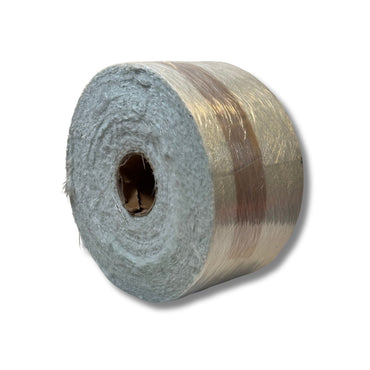
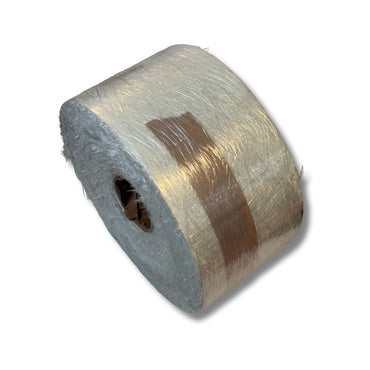 Vendor:Boat Suppliers
1.5oz Fiberglass Mat Tape
Chopped strand mat, precut to tape widths, so you can tab a bulkhead or glass a chine without...Regular price $3.25 USDSale price $3.25 USD Regular priceUnit price $3.25 per yd -
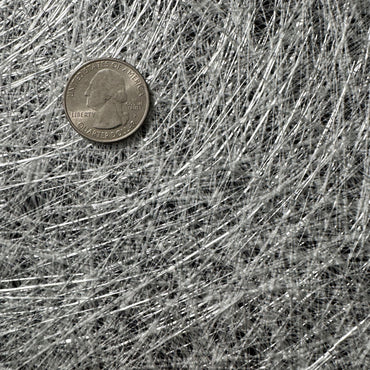
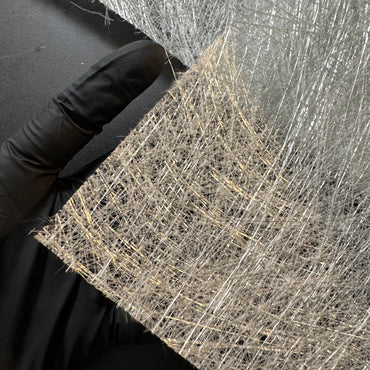 Vendor:Boat Suppliers
0.75oz Fiberglass Chopped Strand Mat
The thinnest chopped strand mat we carry, 0.75 oz per square foot of randomly oriented E-glass held with...Regular price $4.45 USDSale price $4.45 USD Regular priceUnit price $4.45 per yd$3.12 USD -

 Vendor:Boat Suppliers
1.5oz Fiberglass Chopped Strand Mat
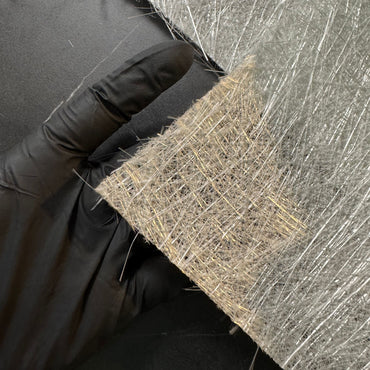
1.5 oz per square foot chopped strand mat, the mat every boatyard runs. Random fiber means it has...Regular price $6.45 USDSale price $6.45 USD Regular priceUnit price $6.45 per yd -
 Vendor:Boat Suppliers
2oz Fiberglass Chopped Strand Mat
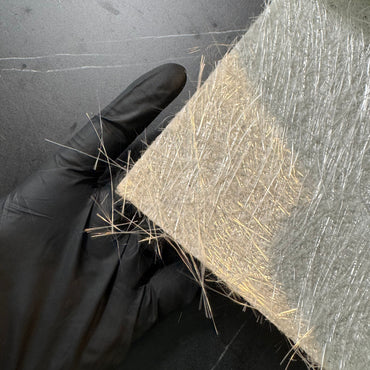
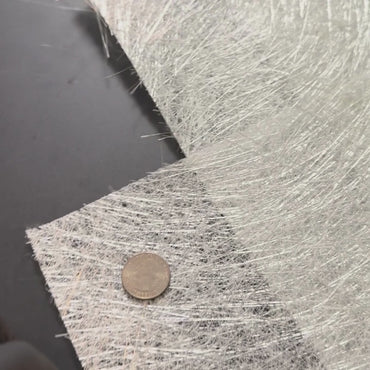
Heavy chopped strand mat at 2 oz per square foot (18 oz per square yard), 50 in wide....Regular price $8.95 USDSale price $8.95 USD Regular priceUnit price $8.95 per yd

Chopped Strand Mat
Chopped strand mat in 0.75, 1.5 and 2 oz
Chopped strand mat is random fibre held together with a binder rather than a woven or stitched fabric. It has no directional strength to speak of, which is exactly why it is useful: it conforms to shape, it builds thickness fast and cheaply, and it creates the resin-rich layer that bonds a new laminate to an old hull.
Mat only works with polyester or vinyl ester
The binder holding the strands together dissolves in styrene. Polyester and vinyl ester contain styrene, so the mat breaks down, the fibres spread and wet out, and the layer merges into the laminate. Epoxy has no styrene, so the mat stays a stiff sheet that never fully wets out and drinks far more resin than it should. If you are building in epoxy, use cloth or biaxial without a mat backer instead.
Which weight
The number is ounces per square foot, not per square yard like cloth, which is the detail that trips up most first orders. 0.75 oz is the thin one for conforming to tight curves and for a first layer against a mold. 1.5 oz is the standard boatbuilding weight and covers most repairs. 2 oz builds thickness fastest where there is room for it.
Alternating with roving
The traditional hull schedule alternates mat and woven roving, and the reason is mechanical, not traditional: roving is coarse and will not bond well directly to another layer of roving, so a layer of mat goes between them to key the two together. Never lay roving straight onto roving.
Resin to mat
Mat drinks roughly twice its own weight in resin, considerably more than cloth. The resin calculator accounts for that by ply so you are not guessing halfway through a transom.