Peel Ply: When You Actually Need It and Which Weight to Buy

10 October 2026
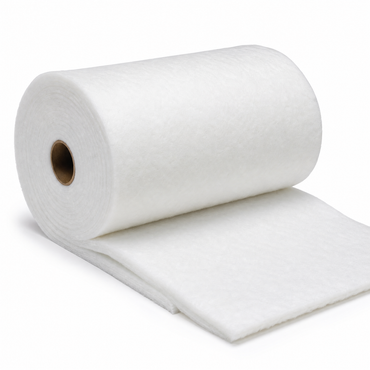
Peel ply is a tight-woven nylon or polyester release fabric laid over the last wet ply and torn off after cure. It leaves a clean, uniformly textured surface with the amine blush gone and no sanding needed before the next bond, and that is the whole decision: if anything is going to bond to this laminate later, use peel ply; if the surface is getting faired, clear coated, or is the last layer of a polyester part, skip it. The weight question is simpler than the catalogs make it, and it comes down to nylon or polyester and whether the part has compound curves.
Peel ply vs no peel ply: what changes
| Surface after cure | No peel ply, epoxy | With peel ply |
|---|---|---|
| Amine blush | Present; wash with water and a scrub pad, then sand | Lifts off with the fabric |
| Texture | Glossy, resin rich, must be sanded to 80 grit for a bond | Matte weave texture, bond ready |
| Excess resin | Stays on the surface | Some pulled into the fabric, leaner skin |
| Prep time before next ply | 20 to 40 minutes per square yard of washing and sanding | Strip the fabric, wipe, go |
| Contamination risk | Dust, wax, handprints between sessions | Covered until you peel it |
The texture is not cosmetic. An epoxy secondary bond depends on a clean, roughened surface with the blush gone; peel ply gives you that everywhere, including inside a stringer bay you cannot get a sander into. Left on the part, it is also the best dust cover there is between a Friday layup and a Monday tabbing session.
When you actually need it
- Any laminate you will bond to later: stringer and bulkhead tabbing, a transom skin that gets a second day of plies, bonding pads for hardware, repair patches that get faired with epoxy filler.
- Vacuum bagging: it sits between the laminate and the release film and breather, lets air and excess resin through, and leaves the bagged surface ready for the next step.
- Multi-session builds where cure is going past the recoat window on the TDS, usually 24 to 72 hours at 77F (25C) depending on the system.
When to skip it
- A show surface you plan to clear coat: peel ply leaves a weave texture that costs two fill coats to bury.
- The last ply of a polyester or vinyl ester part that is going to be faired; there is no blush and the fairing compound bonds to a sanded surface fine.
- Print-sensitive work where you want a resin-rich, glossy skin, such as a surfboard hot coat.
Which weight and fiber to buy
| Peel ply | Weight class | Behavior | Pick it for |
|---|---|---|---|
| Nylon | 1.8 to 2.4 oz/yd2 (60 to 85 g/m2) | Stretchy, drapes into compound curves, absorbs moisture in storage | Bagged parts with tight radii, hulls with strong curvature |
| Polyester | 2.4 to 2.7 oz/yd2 (85 to 90 g/m2) | Stiffer, tears off cleanly, stable in humid storage, leaves a medium texture | Flat and gently curved laminates, tabbing, transoms, repairs |
| Release-coated (silicone or PTFE treated) | Any | Peels easier, leaves contamination on the surface | Cosmetic surfaces only; never a bond surface |
Uncoated is the rule for any surface you will bond to. A release-treated peel ply leaves a trace of the treatment behind, and epoxy will not bond through it. The Peel Ply Release Fabric we stock is an uncoated polyester in the medium-finish class, 60 in wide, cut by the yard or as a 250 yd roll, which is the right fabric for the tabbing and transom work most of our customers do with 1708 Biaxial Fiberglass. For a deep compound curve under a bag, nylon is worth sourcing; for everything else polyester is easier to strip and stores better in a Florida shop.
How to lay it and strip it
- Cut peel ply 2 in (50 mm) past the laminate on every side, plus a dry tab you can grab.
- Lay it over the last wet ply while the resin is still wet enough to move. Squeegee from the center out with light pressure until the fabric wets through and turns translucent; add a little resin where it stays white.
- Overlap seams by 1 in and lap the ends onto the tab. Do not bridge across an inside corner; push it into the radius or it will float and leave a resin pocket.
- Let the laminate reach a hard cure, 12 to 24 hours at 77F for most laminating epoxies, then peel at a low angle back over itself in one continuous pull. Peel within 48 hours; polyester peel ply left on for a week fights you.
- Wipe the surface with a clean rag and go straight to the next ply, filler or bond.
Budget resin for it. Peel ply takes up about its own weight in resin, so a 2.5 oz fabric pulls roughly 2 to 3 oz of mixed epoxy per square yard off the top of the laminate. Add 10% to the last ply's resin, or run the whole stack through the resin calculator and include one extra ply at 2.5 oz. A thin laminating epoxy such as the Boat Suppliers Epoxy Resin Kit, Thin, Clear, with Hardener, mixed 2:1 as its label states, wets through peel ply without extra work; pot life and cure schedule are on the TDS in the kit. Wear a fitted P100 respirator with organic vapor cartridges, nitrile gloves and eye protection for the epoxy and the grinding you are about to skip.
For a transom or stringer job: last ply of 1708, peel ply over it, strip the next morning, tab or fair directly. That is the whole method, and it saves an hour of sanding per stringer bay.
Frequently asked questions
Do I need peel ply for a secondary bond with epoxy?
You need it or you need to wash and sand. Epoxy leaves an amine blush that blocks the next bond, so without peel ply you wash with water and a scrub pad and sand to 80 grit, about 20 to 40 minutes per square yard. Peel ply strips the blush off with the fabric and leaves a bond-ready texture. On any tabbing, transom or multi-day job, use it.
Nylon or polyester peel ply: which weight should I buy?
Polyester at 2.4 to 2.7 oz/yd2 for flat and gently curved laminates, tabbing and repairs; it tears off cleanly and stores without absorbing moisture. Nylon at 1.8 to 2.4 oz/yd2 for bagged parts with tight radii, since it stretches into the corners. Buy uncoated in either case; release-treated peel ply leaves a film that stops the next bond.
How long can I leave peel ply on before removing it?
Strip it once the laminate has reached a hard cure, 12 to 24 hours at 77F (25C) for most laminating epoxies, and within 48 hours if you can. Left for a week or more, polyester peel ply bonds tighter and tears in strips. Peel at a low angle back over itself in one pull; if it fights, warm the surface with a heat gun to about 120F.
Does peel ply use extra resin?
Yes, roughly its own weight: a 2.5 oz/yd2 peel ply pulls 2 to 3 oz of mixed epoxy per square yard into the fabric and off the laminate surface. Add about 10% to the resin for the final ply, and treat that as a feature on a hand layup, since the leaner surface is a better bond and a lighter part. Check totals in the resin calculator.
Can I use peel ply with polyester or vinyl ester resin?
Yes, and it works the same way on 1708 in polyester, but the need is smaller because there is no amine blush. Use it when the surface must bond later and you cannot sand it, such as inside a stringer bay, and skip it on the last ply of anything being faired. Catalyze at the same 1.25 to 2% MEKP and peel at 24 hours.
What You Need For This Job
- Peel Ply Release Fabric: uncoated 60 in polyester peel ply for bond-ready surfaces, by the yard or 250 yd roll
- 1708 Biaxial Fiberglass: the structural ply under it on transoms, stringers and tabbing
- Boat Suppliers Epoxy Resin Kit, Thin, Clear, with Hardener: thin 2:1 laminating epoxy that wets through peel ply
Next post

1708 vs 1808 Biaxial Fiberglass: Which Weight for Your Repair
Updated on 09 October 2026