
Fillers & Additives
-
 Vendor:Boat Suppliers
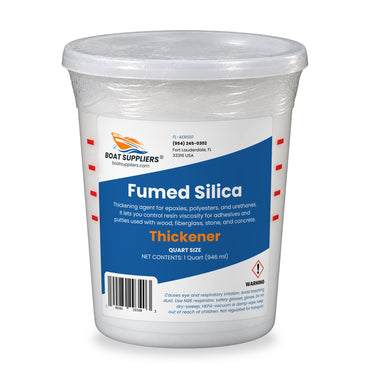
Aerosil - Cabosil (Fumed Silica)
Fumed silica is what you stir into mixed resin when the bond or fillet has to stay where...Regular price $9.95 USDSale price $9.95 USD Regular priceUnit price $9.95 per qt -
 Vendor:Boat Suppliers
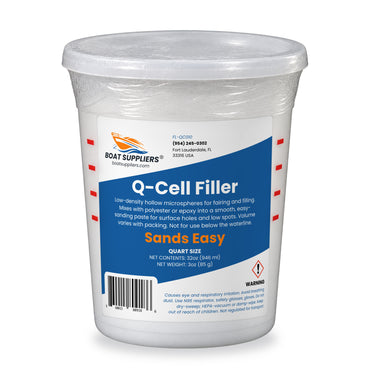
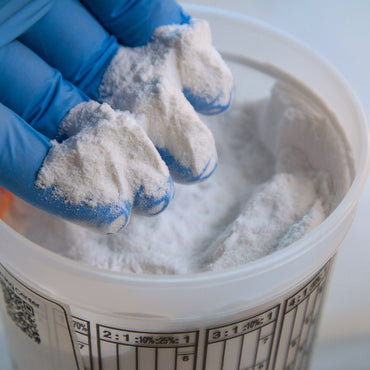
Q-Cells
Ultra-lightweight expanded perlite. Mixed into resin they make a low-density fairing compound that hangs on a vertical surface...Regular price $8.95 USDSale price $8.95 USD Regular priceUnit price $8.95 per qt -
 Vendor:Boat Suppliers
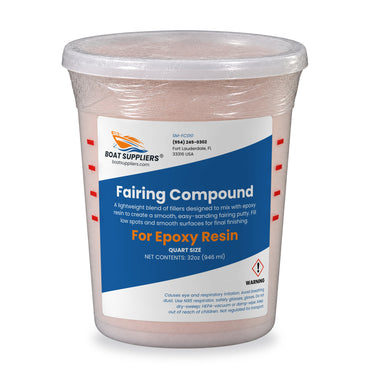
Boat Suppliers Fairing Compound
A pre-blended lightweight fairing powder so you are not measuring three separate fillers into a cup on a...Regular price $13.95 USDSale price $13.95 USD Regular priceUnit price $13.95 per qt -
 Vendor:Boat Suppliers
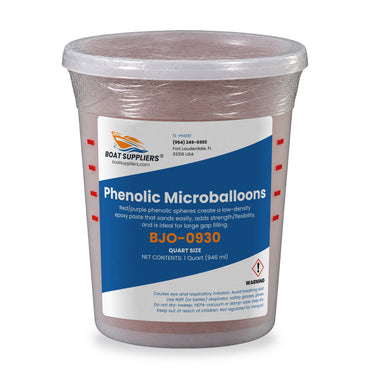
Phenolic Microballoons
Phenolic microballoons make a low-cost, ultra-light fairing and void-filling putty in epoxy or polyester. Sand very easily; cure...Regular price $18.95 USDSale price $18.95 USD Regular priceUnit price $18.95 per qt -
 Vendor:3M
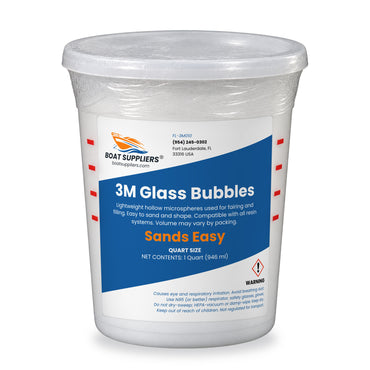
3M Glass Bubbles
3M K1 glass bubbles are the lightest filler we carry: hollow soda-lime-borosilicate microspheres at 0.125 g/cc true density....Regular price $9.95 USDSale price $9.95 USD Regular priceUnit price $9.95 per qt -
 Vendor:Boat Suppliers
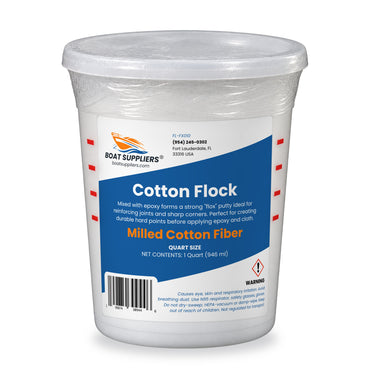
Cotton Flock
Cotton flock is fine cotton fiber, and it makes one of the toughest gap fillers you can mix...Regular price $9.95 USDSale price $9.95 USD Regular priceUnit price $9.95 per qt -
 Vendor:Boat Suppliers
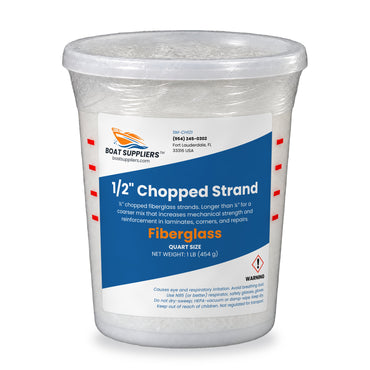
1/2" Chopped Strand Fiberglass
Loose 1/2 in chopped E-glass for mixing into resin. The longer fiber is the point: it knits across...Regular price $13.95 USDSale price $13.95 USD Regular priceUnit price $13.95 per lb -
 Vendor:Boat Suppliers
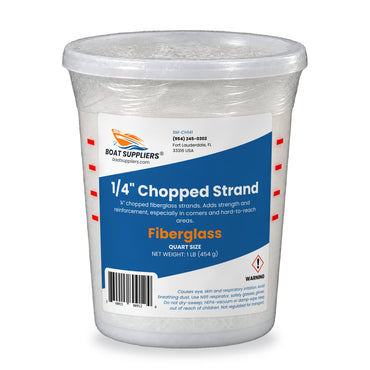
1/4" Chopped Strand Fiberglass
Quarter-inch chopped strand is loose E-glass fiber you stir into mixed resin when a filled joint has to...Regular price $13.95 USDSale price $13.95 USD Regular priceUnit price $13.95 per lb$7.74 USD -
 Vendor:Boat Suppliers
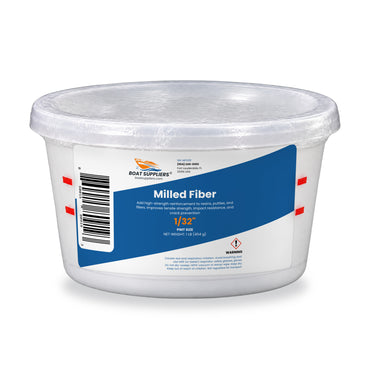
1/32" Milled Fiber
Milled fiber is E-glass ground down to 1/32 in. Stirred into mixed resin it does two jobs at...Regular price $14.95 USDSale price $14.95 USD Regular priceUnit price $29.90 per qt -
 Vendor:Boat Suppliers
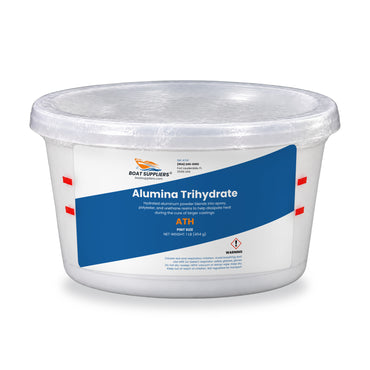
Alumina Trihydrate (ATH)
Alumina trihydrate (ATH) is the filler to stir into epoxy, polyester or vinyl ester when a casting or...Regular price $15.95 USDSale price $15.95 USD Regular priceUnit price $15.95 per lb -
 Vendor:Boat Suppliers
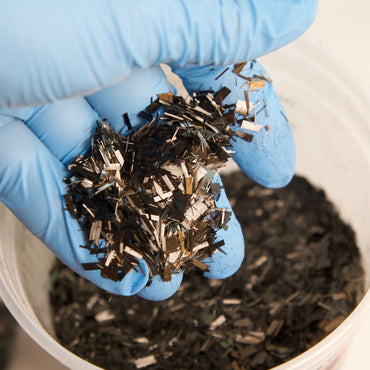
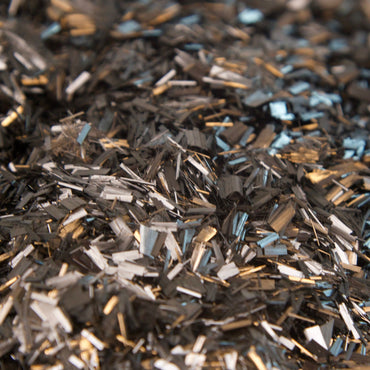
1/4" Chopped Carbon Fiber
Loose 1/4 in chopped carbon strand, mixed into resin where cloth will not fit. Stir it into epoxy,...Regular price $17.95 USDSale price $17.95 USD Regular priceUnit price $35.90 per lbSold out -
 Vendor:Boat Suppliers
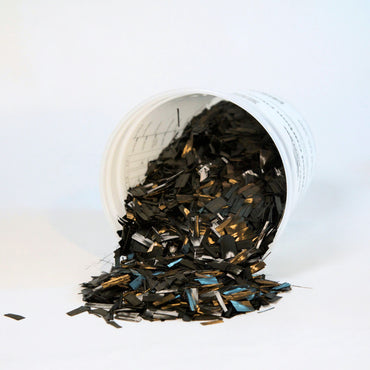
1/2" Chopped Carbon Fiber
Loose 1/2 in chopped carbon strand for mixing into resin. The long fiber is what does the work:...Regular price $17.95 USDSale price $17.95 USD Regular priceUnit price $35.90 per lbSold out -
 Vendor:Boat Suppliers
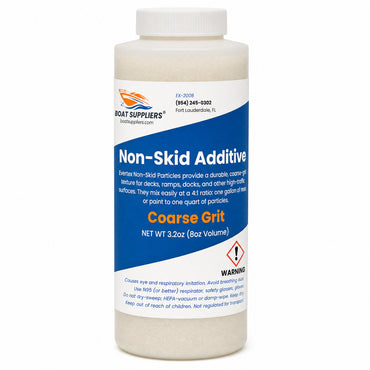
Non-Skid Additive For Gelcoats & Paints
Non-skid additive is a polymer grit that stirs into gelcoat, paint or epoxy and gives decks, steps, swim...Regular price $11.38 USDSale price $11.38 USD Regular priceUnit price $45.52 per qt -
 Vendor:Boat Suppliers
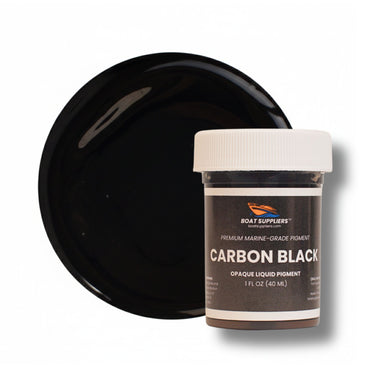
Liquid Colored Pigments
Opaque liquid pigment for coloring polyester resin, gelcoat and epoxy all the way through the laminate. Stir it...Regular price $6.95 USDSale price $6.95 USD Regular priceUnit price per -
 Vendor:Boat Suppliers
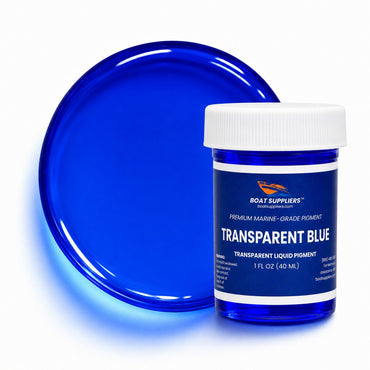
Liquid Transparent Colored Pigments
Transparent liquid pigments for polyester, epoxy and vinyl ester resin. They tint the resin while still letting light...Regular price $9.95 USDSale price $9.95 USD Regular priceUnit price per -
 Vendor:West System
West System 403 Microfibers Adhesive Filler
403 Microfibers is West System's cotton-fiber bonding filler: stir it into mixed 105 epoxy to build a non-sag...Regular price $26.03 USDSale price $26.03 USD Regular priceUnit price per -
 Vendor:West System
West System 404 High-Density Adhesive Filler
404 is the highest strength adhesive filler in the West System range, built for joints that carry real...Regular price $31.75 USDSale price $31.75 USD Regular priceUnit price per -
 Vendor:West System
West System 405 Filleting Blend Adhesive Filler
405 Filleting Blend is the wood-boat filler: a brown structural blend that thickens 105 epoxy into fillets that...Regular price $29.16 USDSale price $29.16 USD Regular priceUnit price per -
 Vendor:West System
West System 406 Colloidal Silica Adhesive Filler
West System 406 Colloidal Silica is the filler you stir into mixed epoxy so a glue joint or...Regular price $23.73 USDSale price $23.73 USD Regular priceUnit price per -
 Vendor:West System
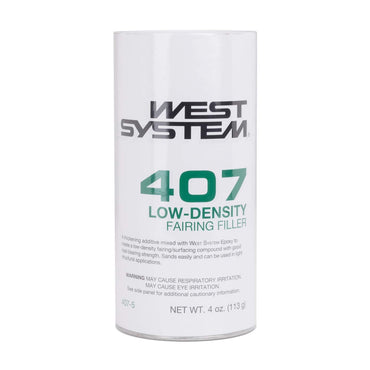
West System 407 Low-Density Fairing Filler
West System's 407 Low-Density Filler is the fairing filler of the West range: a microballoon blend that mixes...Regular price $40.10 USDSale price $40.10 USD Regular priceUnit price per -
 Vendor:West System
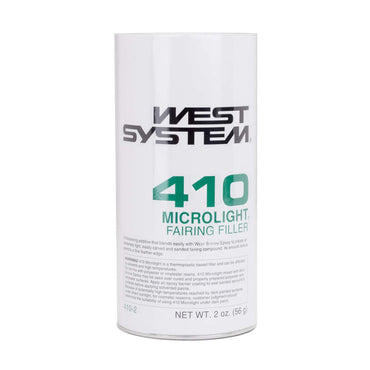
West System 410 Microlight Fairing Filler
West System 410 Microlight is the filler that turns mixed 105 epoxy into a tan fairing compound for...Regular price $34.70 USDSale price $34.70 USD Regular priceUnit price per -
 Vendor:West System
West System 420 Aluminum Powder
West System 420 Aluminum Powder is a coating additive you stir into mixed 105 epoxy for a harder,...Regular price $119.37 USDSale price $119.37 USD Regular priceUnit price per -
 Vendor:West System
West System 422 Barrier Coat Additive
West System 422 Barrier Coat Additive is a blend you stir into mixed 105 epoxy to push its...Regular price $60.09 USDSale price $60.09 USD Regular priceUnit price per -
 Vendor:West System
West System 423 Graphite Powder
West System 423 Graphite Powder is a fine black powder you stir into mixed 105 epoxy for a...Regular price $39.88 USDSale price $39.88 USD Regular priceUnit price per


Fillers & Additives
Thickeners, fairing fillers and additives, and which one the job actually wants
Resin straight from the jug runs off vertical surfaces and is too brittle to fill a gap. Fillers fix that, and which powder you reach for changes the result more than most people expect. Everything here is sold from pint and quart jars up to full bags.
Strong, or sandable. Not both
This is the whole decision. Fumed silica (Aerosil, Cab-O-Sil) and cotton flock make a mix that is strong and stays put, which is what you want in a bonding fillet or a structural gap. Cured, fumed silica is brutally hard to sand and will fight you for an afternoon.
Microballoons, Q-Cells and 3M glass bubbles go the other way: light, easy to fair back with a longboard, and not structural. Those belong in a fairing coat over the top, not in the joint underneath.
The usual sequence on a real repair is a structural fill with fumed silica or flock, then a fairing coat of microballoons over it once it has cured. Trying to do both jobs with one powder is what produces either a joint that cracks or a fairing coat that takes a week to sand.
Milled fiber and chopped strand
1/32 in milled fiber adds real tensile strength to a paste, which is what makes it the right choice for a structural bond or a repair that has to carry load. Chopped strand in 1/4 and 1/2 in lengths is for bulking out a deep cavity cheaply before the final laminate goes on.
How much to add
Mix the resin and hardener fully first, then add powder by volume, not weight, until it holds the consistency you want. Fumed silica hits mayonnaise at roughly 1 cup of loose powder per cup of mixed epoxy, microballoons take closer to 1 3/4 cups. Add two thirds, mix it in, then add the rest slowly, because these powders keep thickening for a minute after they look done.
The filler calculator works out the amount for your batch, and the consistency chart is a printable version for the shop wall.