
Polyester Resins
-


 Vendor:Boat Suppliers
Marine-Grade Polyester Layup Resin with Hardener
Our most-used resin for marine construction, repair and general fiberglass work. It wets out mat, cloth and woven...Regular price $34.95 USDSale price $34.95 USD Regular priceUnit price $1.09 per floz -


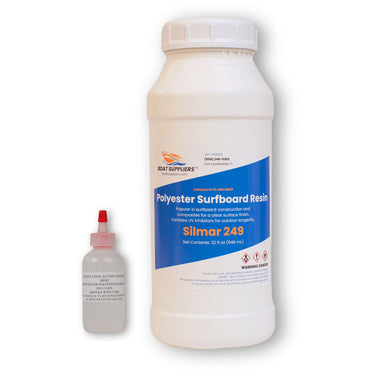 Vendor:Silmar
Clear Polyester Surfboard Resin - Silmar 249 with Hardener
Silmar 249 is the clear laminating resin the surfboard industry runs on. It is UV stabilized so a...Regular price $29.95 USDSale price $29.95 USD Regular priceUnit price $0.94 per floz -
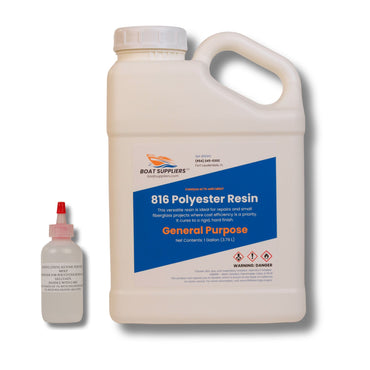
 Vendor:Boat Suppliers
General Purpose Polyester Resin with Hardener
816 General Purpose Polyester Resin is an economical, easy-to-use laminating resin designed for repairs, small fiberglass projects, and...Regular price $59.95 USDSale price $59.95 USD Regular priceUnit price $0.47 per floz -
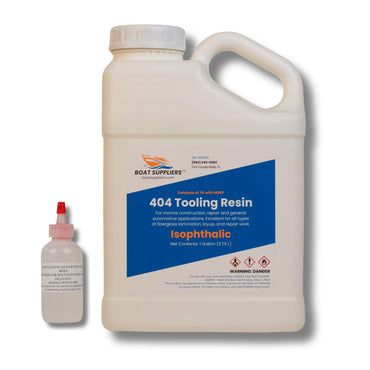 Vendor:Boat Suppliers
Isophthalic Polyester Tooling Resin with Hardener
Isophthalic resin for mold building. Compared to a standard orthophthalic layup resin it shrinks less, holds up hotter...Regular price $32.95 USDSale price $32.95 USD Regular priceUnit price $1.03 per floz -
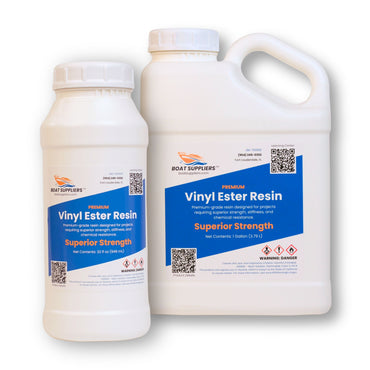
 Vendor:Boat Suppliers
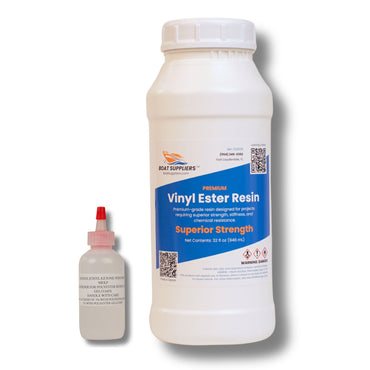
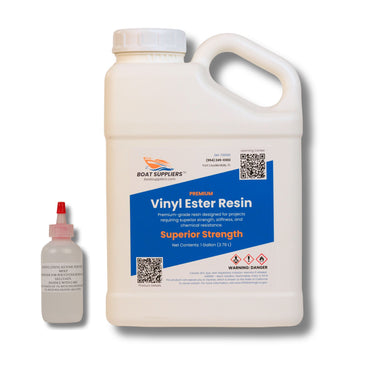
Premium Vinyl Ester Resin with Hardener
Vinyl ester sits between polyester and epoxy: it wets out like polyester and takes MEKP like polyester, but...Regular price $39.95 USDSale price $39.95 USD Regular priceUnit price $1.25 per floz -


 Vendor:Boat Suppliers
MEKP Hardener
Methyl ethyl ketone peroxide, the catalyst that kicks every polyester and vinyl ester resin and gelcoat we sell....Regular price $4.95 USDSale price $4.95 USD Regular priceUnit price per -


 Vendor:Boat Suppliers
Surfacing Wax
Unwaxed polyester and gelcoat stay tacky in air because the styrene at the surface never fully cures. Surfacing...Regular price $4.55 USDSale price $4.55 USD Regular priceUnit price per -

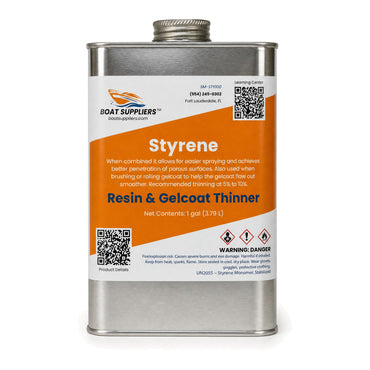
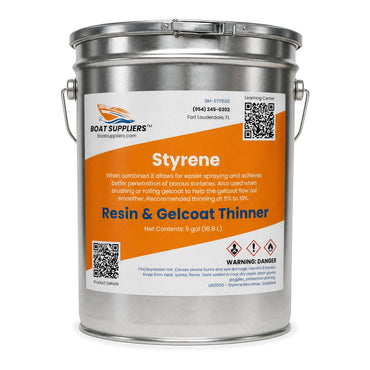 Vendor:Boat Suppliers
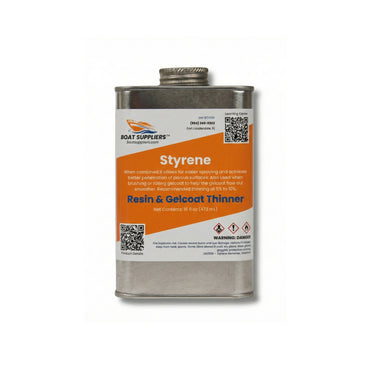
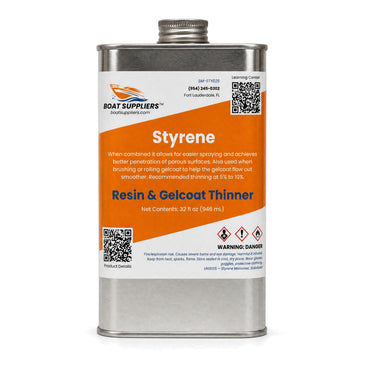
Styrene - Thinner for Polyester Resins and Gelcoats
Styrene monomer is the right thinner for polyester resin and gelcoat, and it is not interchangeable with acetone....Regular price $10.99 USDSale price $10.99 USD Regular priceUnit price per -

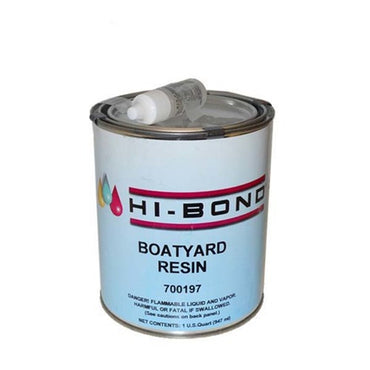
 Vendor:HI-Bond
Hi-Bond Polyester Resin W/ Hardener
Hi-Bond Polyester Resin w/ Hardener General purpose polyester resin. Hi-Bond Polyester Resin w/ Hardener is for use in...Regular price $35.49 USDSale price $35.49 USD Regular priceUnit price $1.11 per floz -
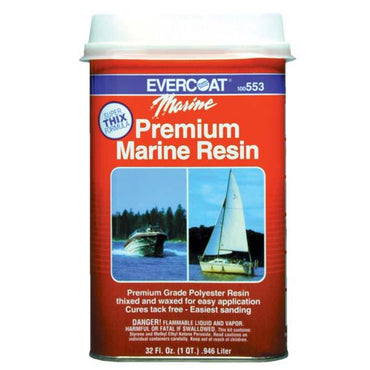
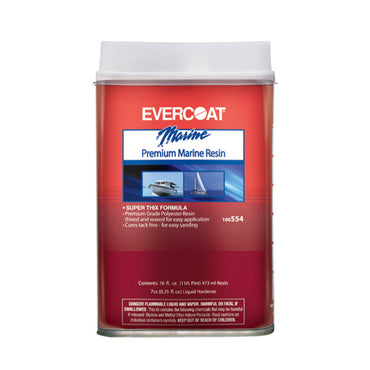
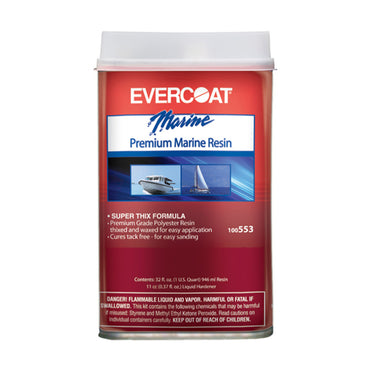
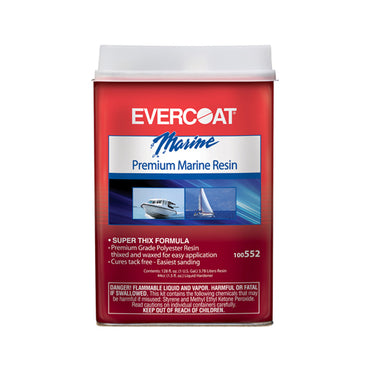 Vendor:Fiberglass Evercoat
Premium Marine Polyester Resin
Premium Marine Polyester Resin The perfect no-run, no-sag polyester resin for marine repairs! May be used on softwoods...Regular price $42.99 USDSale price $42.99 USD Regular priceUnit price $2.69 per floz -
 Vendor:HI-Bond
Hi-Bond Styrene
Hi-Bond Styrene Hi-Bond Styrene is a reducer for polyester resins and Gel Coats. Quart Frequently Asked Questions What...Regular price $37.99 USDSale price $37.99 USD Regular priceUnit price per -

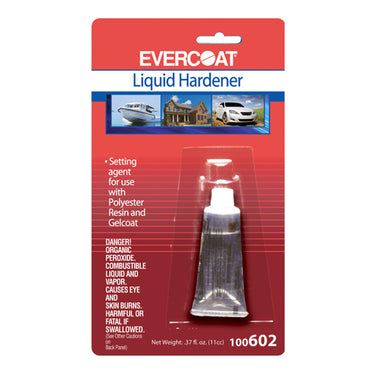
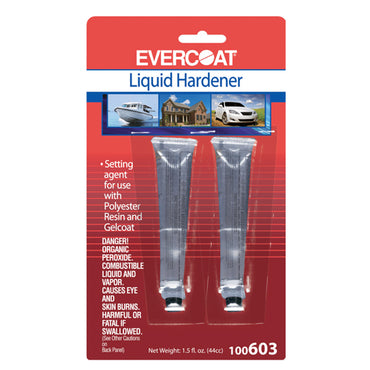 Vendor:Fiberglass Evercoat
Resins & Gelcoat Liquid Hardener (MEK)
Catalyst for polyester resins and gel coats in a graduated plastic squeeze tube. The graduations are the reason...Regular price $8.49 USDSale price $8.49 USD Regular priceUnit price per -
 Vendor:Boat Suppliers
1708 Fiberglass & Resin Kit - 10 Yards 50" Wide + 5 Gallons Polyester Resin
Ten yards of 1708 biaxial, the workhorse structural fabric of every boatyard, with five full gallons of marine-grade...Regular price $449.95 USDSale price $449.95 USD Regular priceUnit price per -
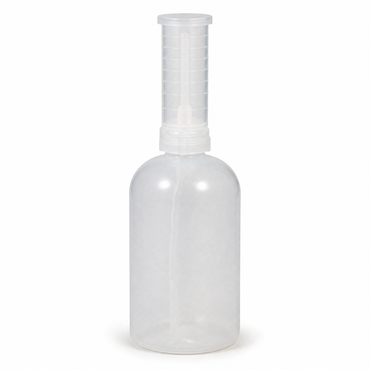
 Vendor:Boat Suppliers
MEKP Catalyst Dispenser Measuring Bottle 16 oz
Squeeze bottle dispenser that meters MEKP without a separate cup. Squeeze the 16 oz (500 mL) bottle, liquid...Regular price $14.95 USDSale price $14.95 USD Regular priceUnit price per -
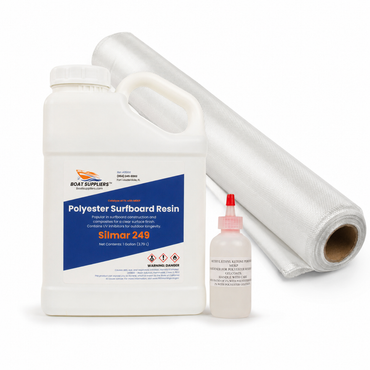
 Vendor:Boat Suppliers
Surfboard Glassing Kit - Silmar 249 Resin with MEKP + 4oz E Cloth
Glass a whole board, not just a ding. Silmar 249A is the surfboard industry standard water clear laminating...Regular price $119.95 USDSale price $119.95 USD Regular priceUnit price per


Polyester Resins
Polyester laminating resin, with the hardener in the box
Polyester is the resin production boats are built from and the one most hull repairs should be done in. It is the cheapest way to put glass down, it cures fast enough to laminate several plies in a day, and it is the right partner for chopped strand mat. Quart through 5 gallon, every size shipped with catalyst.
General purpose or marine grade
General purpose orthophthalic resin is the workhorse for mold backing, filling and layup that is not going to live in water. Marine grade layup resin uses an isophthalic blend that stands up to constant immersion, and it is what belongs below the waterline. If the part gets wet and stays wet, pay the difference.
Waxed or unwaxed matters more than people expect
Laminating resin is supplied air inhibited, without wax, so each ply stays tacky and the next one bonds to it chemically instead of mechanically. That same surface will stay slightly sticky forever if you leave it as your final coat. Stir surfacing wax into the last batch only, roughly 1 oz per quart, and it cures hard and sands clean.
Tooling and surfboard resin
Isophthalic tooling resin is formulated for low shrinkage, which is what keeps a mold true instead of printing through and distorting as it cures. Silmar 249 is the clear surfboard resin, water white and UV stable, for glassing blanks rather than patching hulls.
Catalyst, measured not guessed
Polyester needs MEKP by percentage, and the right percentage moves with shop temperature: more when it is cold, less when it is hot. Too little and it never fully cures, too much and it gels in the bucket before you get it out. MEKP is stocked from 2 oz to a gallon, the MEKP calculator gives the dose, and styrene is here when you need to thin for spraying.