
- Home
- Industries
- Fiberglass for High Power Rocketry
Fiberglass for High Power Rocketry
Fiberglass for high power rocketry, from the airframe to the fin can: 1708 biaxial and woven glass, carbon fiber, epoxy systems, and the release agents builders pull airframes and nose cones with. In-stock house items ship the next business day.

- Ships next business day
- Full catalog in stock, glass to finish
- Wholesale Pro pricing for shops & teams
What we stock for this work

From airframes and fin cans to nose cones, the same fiberglass, carbon, and epoxy systems build parts that fly.
Common applications
The jobs this catalog gets built for, and the materials each one calls for.
- 01
Filament-wound and hand-laid airframe tubes
biaxial and woven fiberglass over a mandrel with epoxy for a stiff, straight body tube that holds its shape under thrust.
- 02
Fin cans and fin reinforcement
carbon fiber or fiberglass tip-to-tip layup that ties the fins into the body tube so they survive max-Q and recovery loads.
- 03
Nose cones and transitions
layup over a plug or pulled from a mold, faired with microballoon filler for a clean ogive.
- 04
Coupler and bulkhead bonding
epoxy thickened with fumed silica for structural fillets that take the shock-cord and motor-retention loads.
- 05
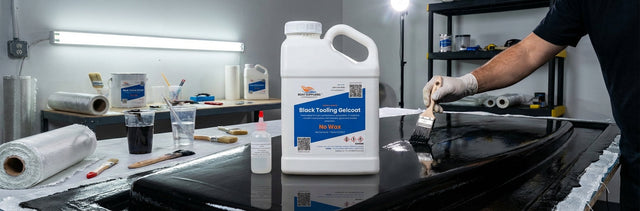
Molds and tooling
release agents and surfacing materials for builders pulling repeat parts off a master plug.
- 06
Surface fairing and finish
microballoon fairing compound sanded to a clean aerodynamic skin on airframes and nose cones before paint.
Frequently asked questions
What fiberglass do high power rocketry builders use for airframes?
Should I use epoxy or polyester resin for a rocket airframe?
Do you stock carbon fiber for fin reinforcement?
What release agent do I need to pull a part off a mold?
Can a rocketry club or team get bulk pricing?
Related guides and tools
- PageIndustries We Serve
- CalculatorEpoxy calculator
-
 GuideHow to Make Carbon Fiber Parts from Scratch: Complete DIY Guide for Marine Applications
-
 GuideHow to Make a Fiberglass Mold: Complete Step-by-Step Guide
-
 GuideCarbon Fiber Weave Patterns Explained: Plain, Twill, and Unidirectional for Marine Use
-
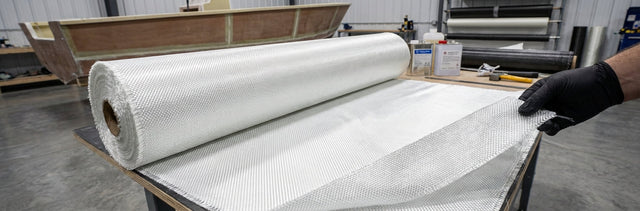 Guide1708 Biaxial Fiberglass Explained: What the Numbers Mean


Buying in volume for your shop or program?
Shops, teams, and programs ordering on a recurring basis can apply for Wholesale Pro pricing on the full catalog.
Request a bulk quote