
Biaxial Fiberglass
-
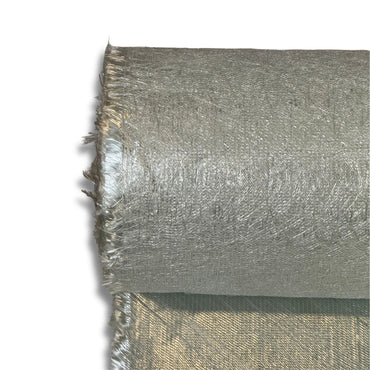 Vendor:Boat Suppliers
1208 Biaxial Fiberglass
1208 is the lighter sibling to 1708. Same +45 and -45 stitched construction and the same 3/4 oz...Regular price $16.45 USDSale price $16.45 USD Regular priceUnit price $16.45 per yd -

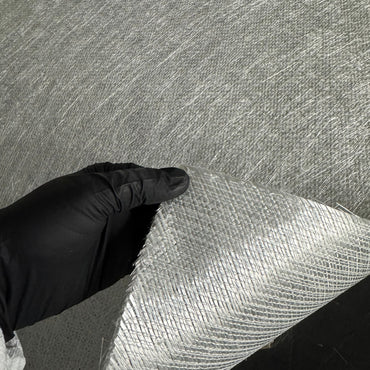 Vendor:Boat Suppliers
1708 Biaxial Fiberglass
1708 is the workhorse for transom, stringer and tabbing work. You get 17 oz of stitched E-glass at...Regular price $12.95 USDSale price $12.95 USD Regular priceUnit price $12.95 per yd -
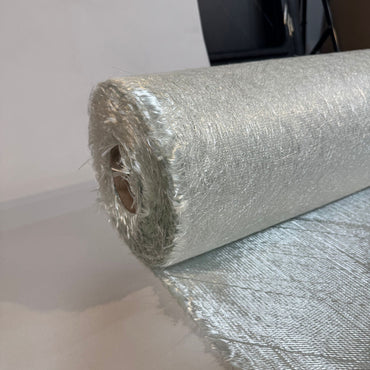 Vendor:Boat Suppliers
1808 Biaxial Fiberglass
1808 is the heavy end of our stitched biaxial rack: 18 oz/yd² of 0/90 E-glass stitched over a...Regular price $14.45 USDSale price $14.45 USD Regular priceUnit price $14.45 per yd -
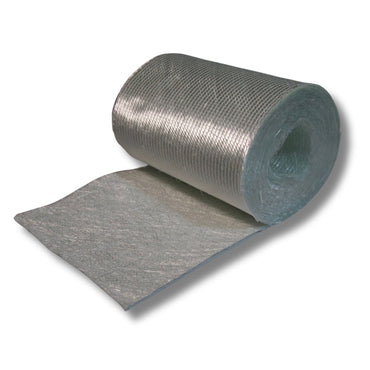
 Vendor:Boat Suppliers
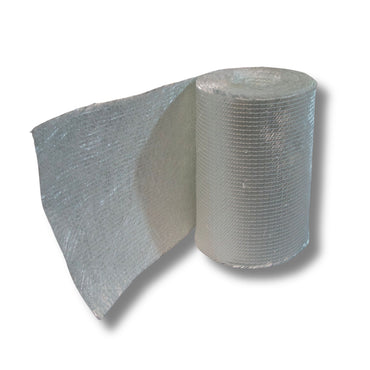
1708 Biaxial Fiberglass Tape
Same fabric as our 1708 biaxial, slit to tape widths so you are not cutting strips off a...Regular price $4.95 USDSale price $4.95 USD Regular priceUnit price $4.95 per yd -
 Vendor:Boat Suppliers
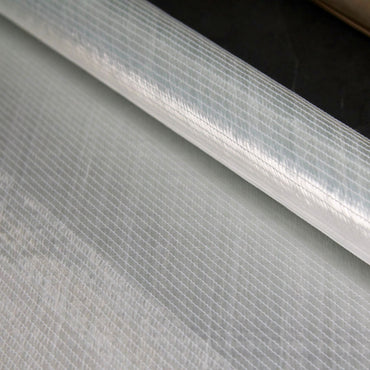
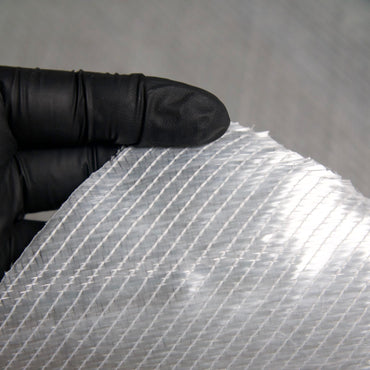
DB170 – 17oz Biaxial Fiberglass Cloth (No Mat)
DB170 is 1708 without the chopped strand mat. Same 17 oz of +45 and -45 stitched E-glass, same...Regular price $14.45 USDSale price $14.45 USD Regular priceUnit price $14.45 per yd

Biaxial Fiberglass
1708, 1808 and 1208 stitched biaxial, by the yard or the roll
Biaxial fabric is stitched, not woven. The fibres run straight at plus and minus 45 degrees instead of crimping over and under each other, so they carry load without first having to pull straight. That is why a transom or a stringer built in 1708 is stiffer than the same weight of woven roving.
Reading the number
The first two digits are the weight of the biaxial glass in ounces per square yard. The last two are the chopped strand mat stitched to the back. So 1708 is 17 oz of biaxial with 0.8 oz of mat, and 1208 is 12 oz with the same backer. The mat is there to give polyester resin something to key into against a smooth old hull, and to build a resin-rich layer that helps the laminate conform.
The mat backer decides your resin
That stitched mat is bound with a styrene soluble binder, which polyester and vinyl ester dissolve and epoxy does not. 1708 still works with epoxy and plenty of people build with it that way. The mat simply stays intact rather than breaking down, so it acts as a ply of its own rather than merging into the laminate, and it drinks more resin. If you want biaxial with no mat at all for an epoxy layup, DB170 is the same 17 oz biaxial without the backer.
Which weight
1708 is the standard for transoms, stringers and structural hull repair, and it is what most repair manuals call out. 1808 is a step heavier where you want fewer plies. 1208 is lighter and more conformable for tighter radii and smaller repairs. 1708 tape saves cutting strips when you are taping a stringer or a chine.
Planning the schedule
The layup calculator builds a full ply schedule and returns cured thickness and the resin each ply takes.