


SKU:FG-754450-01
Regular price
$19.28 USD
Sale price
$19.28 USD
Regular price
$19.44 USD
Unit price
$19.28
per
yd
Shipping calculated at checkout.
194 in stock
Couldn't load pickup availability
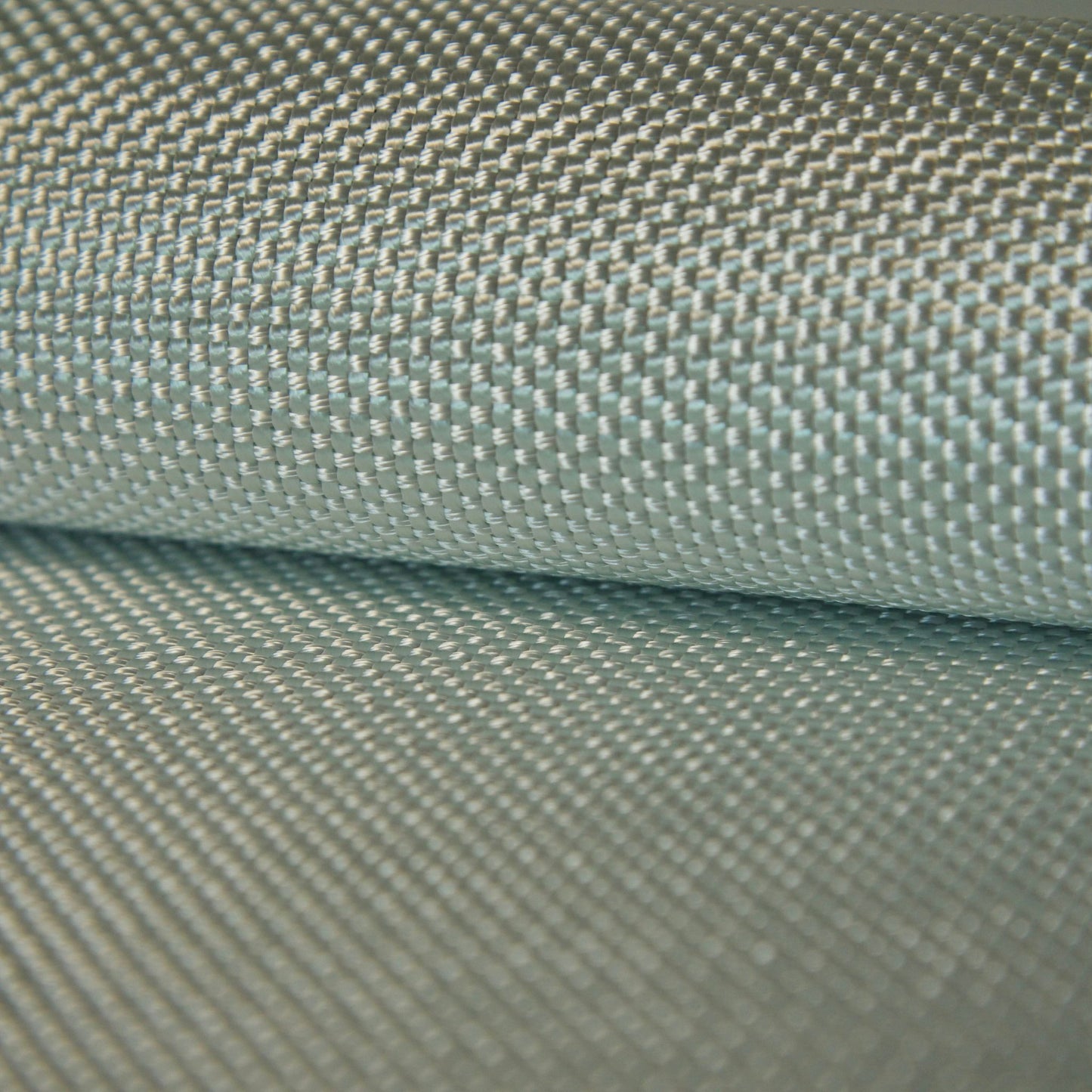
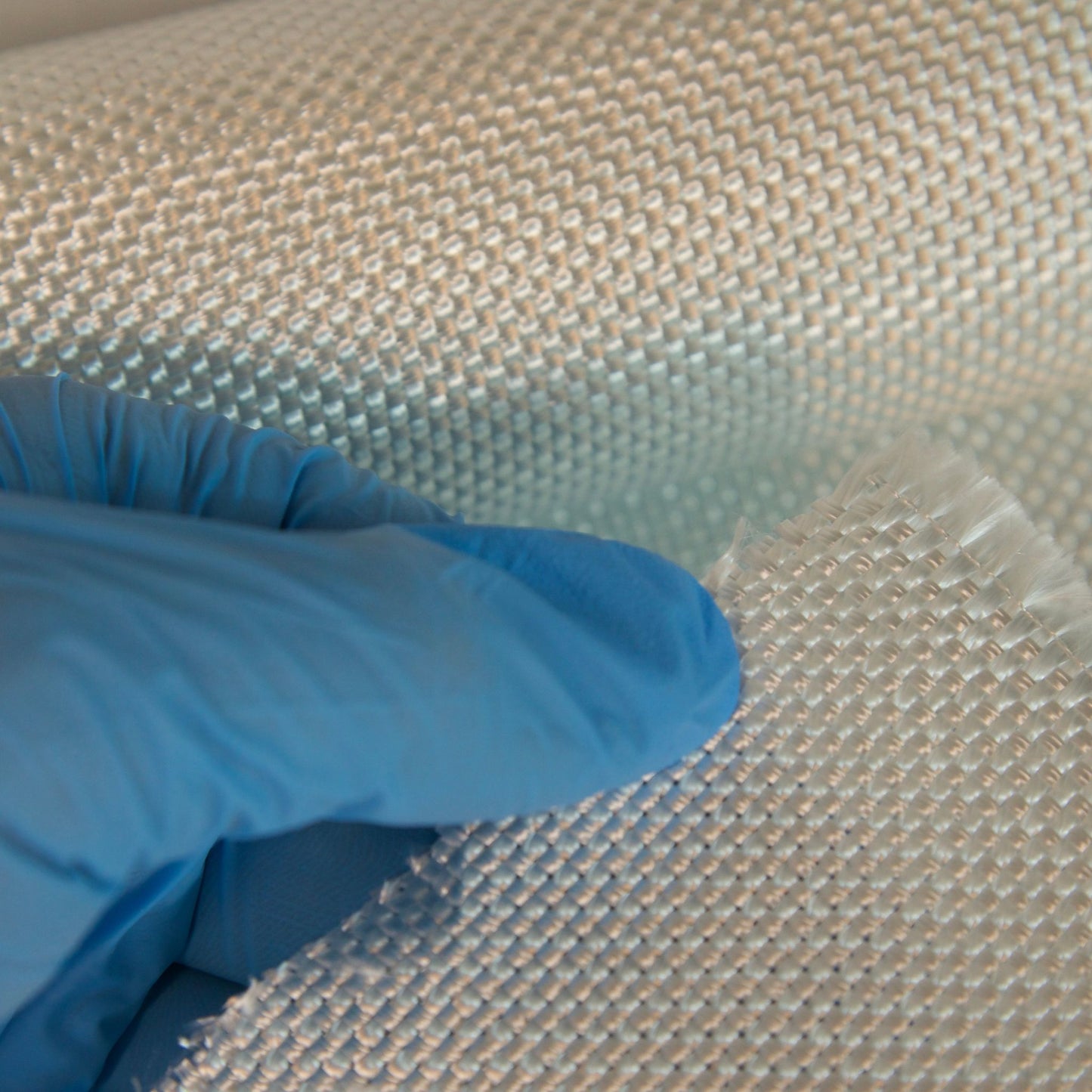
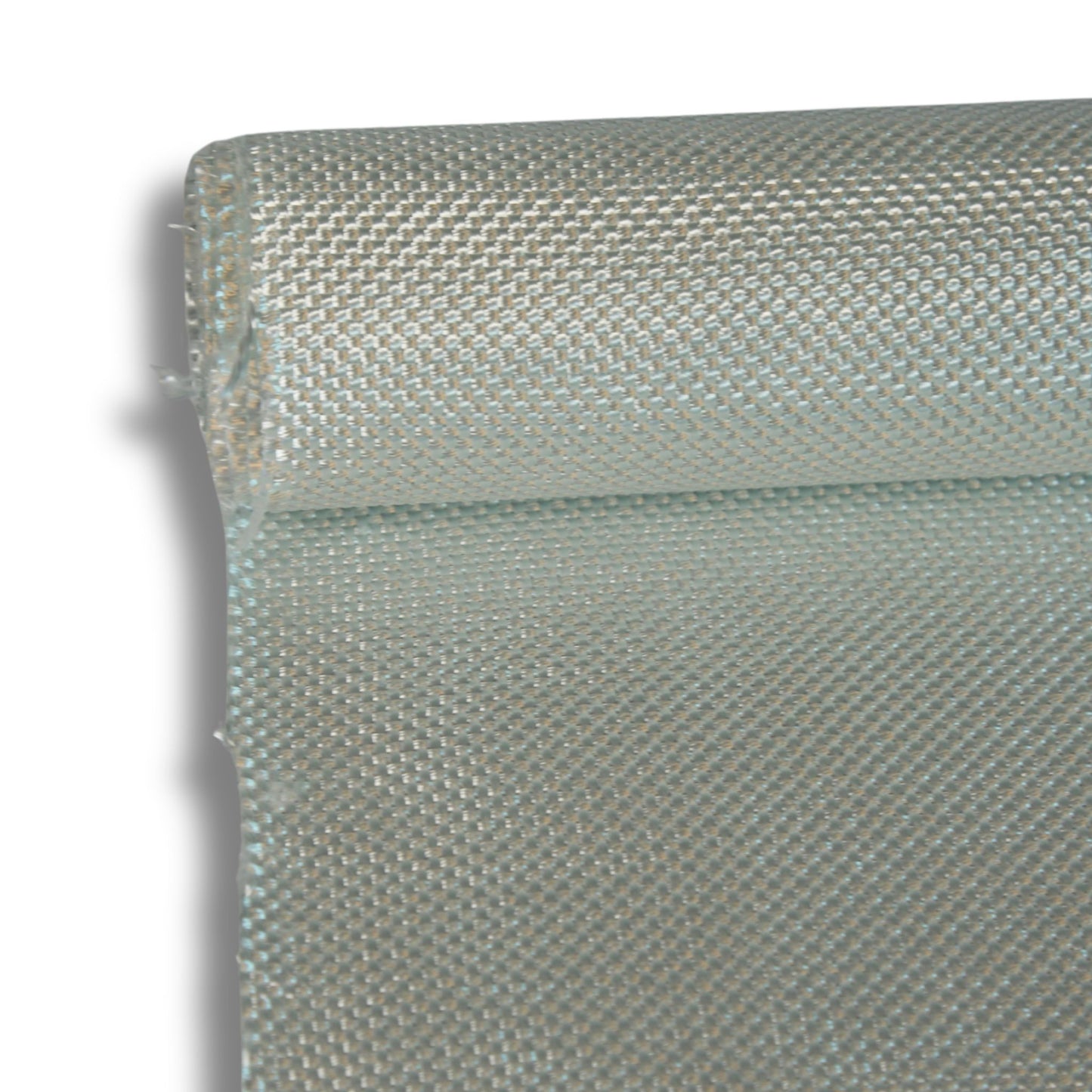
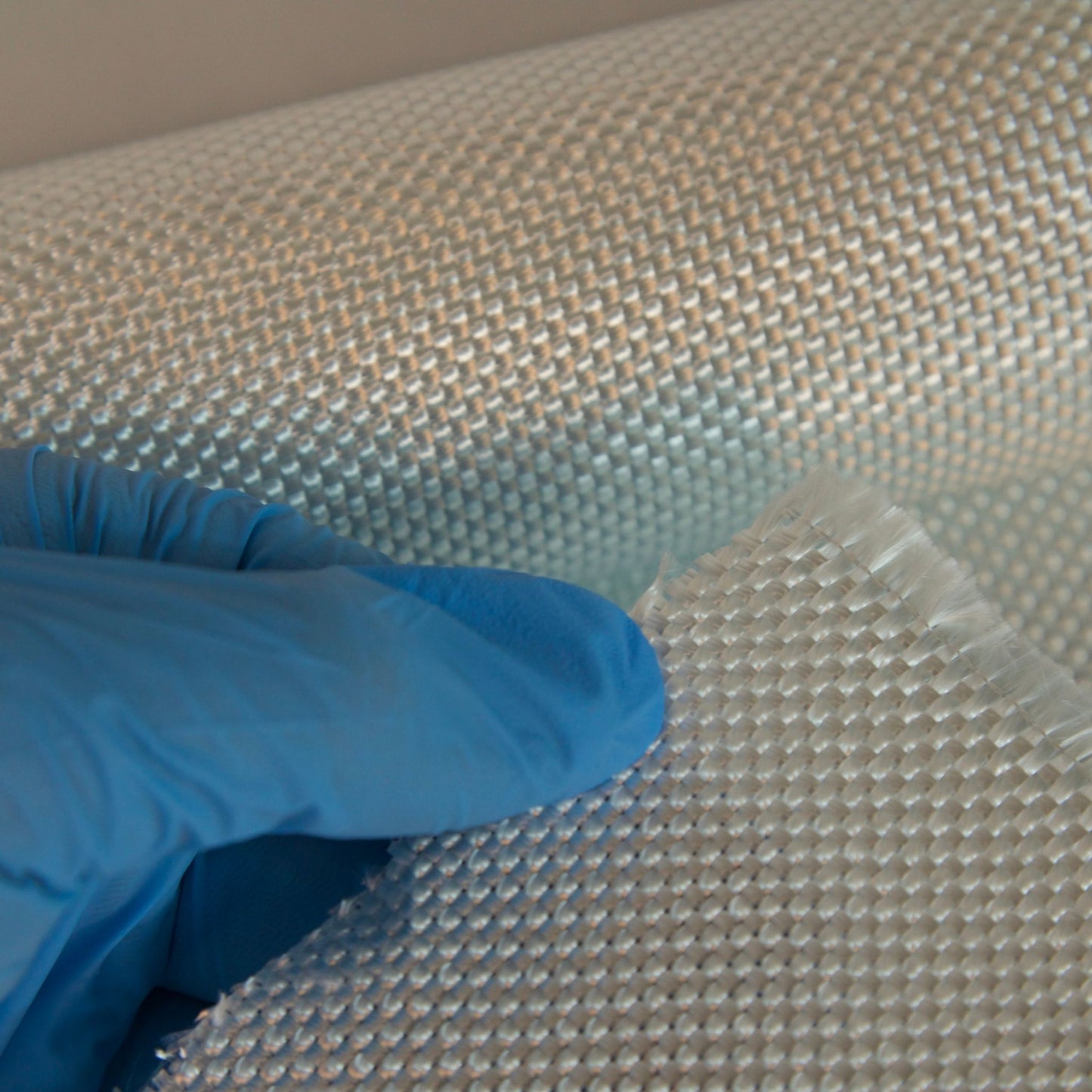
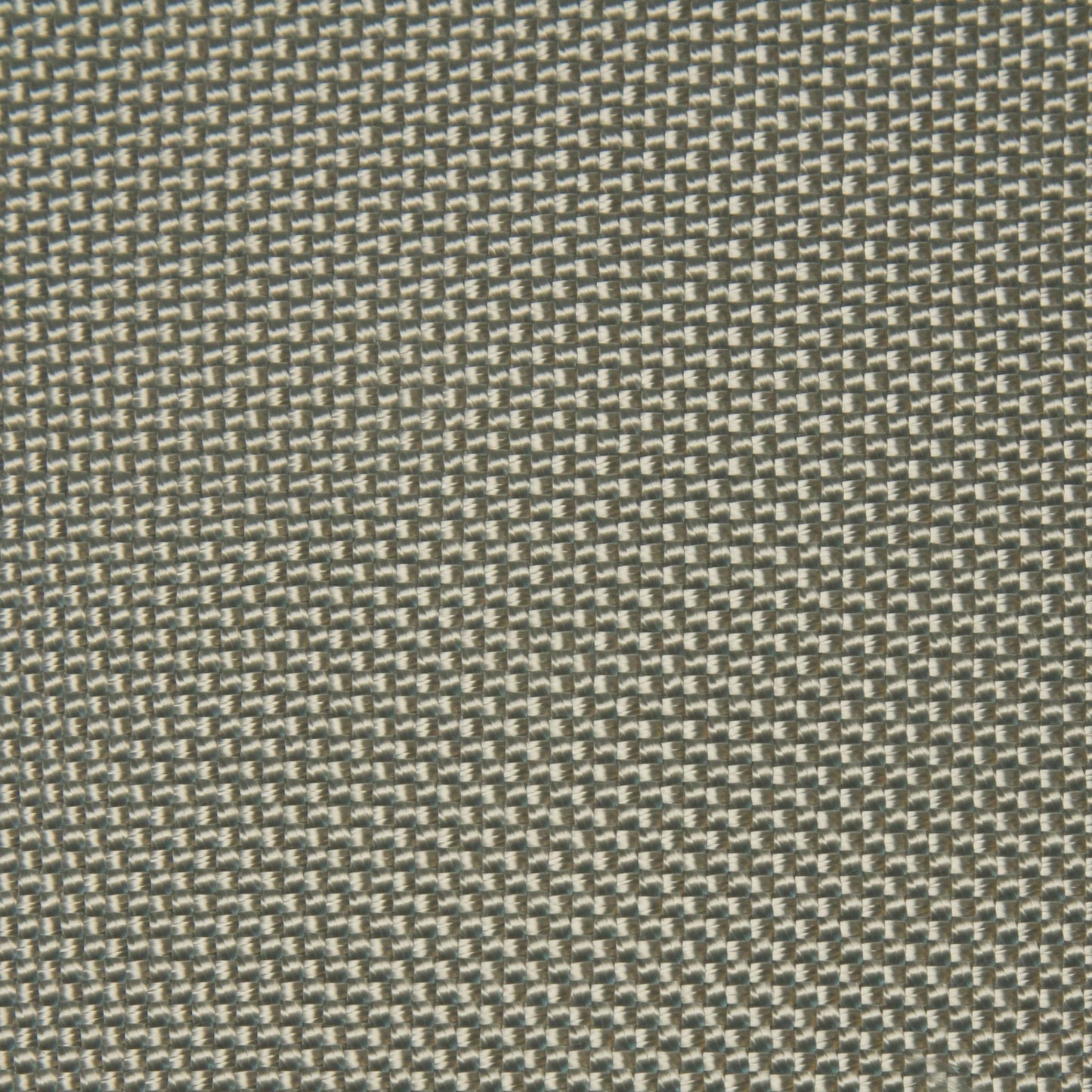
Style 7544 two-end plain weave E-glass at 18 oz per square yard, 50 in wide. This is heavy structural cloth: one ply builds the thickness that three plies of 6 oz would take, which matters when you are laminating a transom or a hull section on the clock. It is woven, so unlike mat it carries real directional strength at 0 and 90 degrees.
- Where it goes: transoms, stringers, hull sections, heavy structural repairs and reinforcement.
- Build rate: 0.0207 in per ply.
- Resin demand: roughly 1:1 resin to glass by weight, about 2.09 oz per square foot.
- Resin compatibility: epoxy, polyester and vinyl ester.
- Width: 50 in, cut from 1 yard up to a full roll.
Heavy cloth needs real rolling pressure to consolidate. Work a grooved roller through the whole ply and watch the edges, which is where dry spots hide.
Specifications
Includes
Technical Specifications
E-GlassPlain weave (2-end cloth)Works with Epoxy, Polyester, Vinyl Ester
MaterialE-Glass
Industry Style #Style 7544
Weight18 oz/yd²
Weave / ConstructionPlain weave (2-end cloth)
Fiber Orientation0°/90° (woven)
Thickness0.0207"
Available Widths50"
Full Roll Length125 yd
Resin-to-Reinforcement Ratio~1:1 by weight
Compatible ResinsEpoxy, Polyester, Vinyl Ester
Best ForHeavy structural reinforcement
Compare Fabrics
| Product |  18oz Fiberglass E ClothYou're viewingfrom $19.28 18oz Fiberglass E ClothYou're viewingfrom $19.28
|  40oz Fiberglass E Clothfrom $38.18 40oz Fiberglass E Clothfrom $38.18
|  18oz Woven Rovingfrom $19.44 18oz Woven Rovingfrom $19.44
|  24oz Woven Rovingfrom $22.39 24oz Woven Rovingfrom $22.39
|
|---|---|---|---|---|
| Material | E-Glass | E-Glass | E-Glass | E-Glass |
| Style | Style 7544 | — | — | — |
| Weight | 18 oz/yd² | 40 oz/yd² | 18 oz/yd² | 24 oz/yd² |
| Weave | Plain weave (2-end cloth) | Double plain weave | Woven Roving | Woven Roving |
| Orientation | 0°/90° (woven) | 0°/90° (woven) | 0°/90° (woven) | 0°/90° (woven) |
| Thickness | 0.0207" | 0.0386" | — | — |
| Widths | 50" | 38" | 50" | 50" |
| Full Roll | 125 yd | approx. 70 yd | 125 yd | approx. 52 yd |
| Thread Count | — | — | ~5 × 4 | ~5 × 4 |
| Resin Ratio | ~1:1 by weight | ~1:1 by weight | ~1:1 by weight | ~1:1 by weight |
| Resins | Epoxy, Polyester, Vinyl Ester | Epoxy, Polyester, Vinyl Ester | Epoxy, Polyester, Vinyl Ester | Epoxy, Polyester, Vinyl Ester |
| Best For | Heavy structural reinforcement | Very heavy structural build | Fast bulk build between mat layers | Heavy bulk build between mat layers |
| View | View | View |
What To Expect When You Order Fabric Rolls
Can epoxy resin be used with fiberglass cloth?
Can 10 oz fiberglass cloth be used on wood or metal?
What does the weight (oz) of fiberglass cloth mean?
How do I cut fiberglass cloth?
What is fiberglass cloth used for?
What’s the difference between fiberglass cloth and chopped mat?
Blog posts

11 September 2026
Best Fiberglass Cutting Tools for Clean Edges...
11 September 2026
Best Fiberglass Cutting Tools for Clean Edges...

21 August 2026
Kevlar Fabric for Boats: A Fabricator's Guide...
21 August 2026
Kevlar Fabric for Boats: A Fabricator's Guide...

18 August 2026
Resin Mixing Mistakes That Ruin Your Composit...
18 August 2026