


-
 Vendor:Boat Suppliers
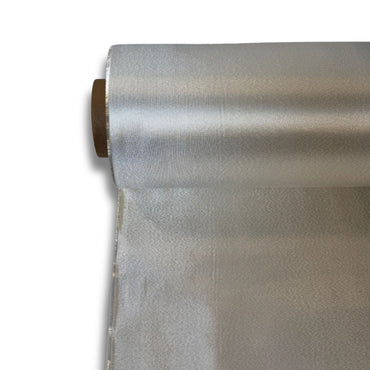
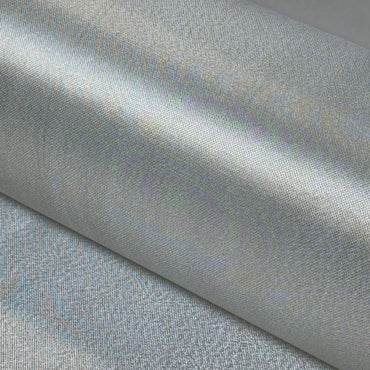
3oz Fiberglass E Cloth
Style 120 E-glass in a 4-harness satin weave, 3.16 oz per square yard, 38 in wide. This is...Regular price $12.80 USDSale price $12.80 USD Regular priceUnit price $12.80 per yd -

 Vendor:Boat Suppliers
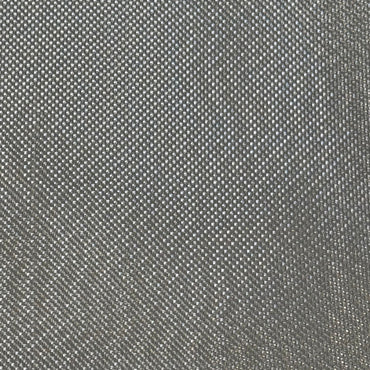
4oz Fiberglass E Cloth
Style 1522 plain weave E-glass at 4 oz per square yard, in 30 in and 50 in widths....Regular price $5.96 USDSale price $5.96 USD Regular priceUnit price $5.96 per yd -

 Vendor:Boat Suppliers
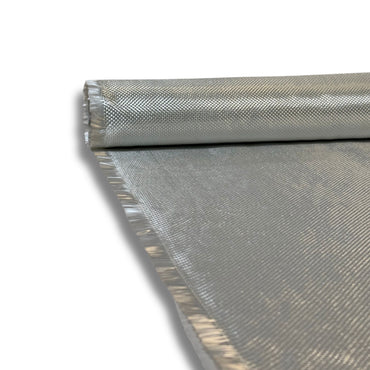
6oz Fiberglass E Cloth
6 oz plain weave is the cloth most shops go through fastest. Light enough to drape into a...Regular price $8.68 USDSale price $8.68 USD Regular priceUnit price $8.68 per yd$7.54 USD -
 Vendor:Boat Suppliers
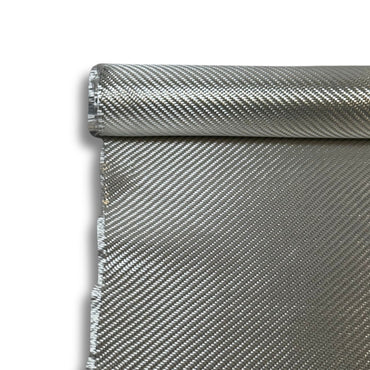
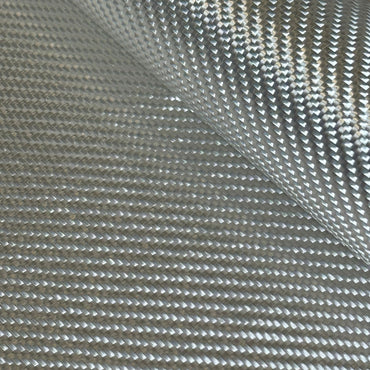
8.5oz 2x2 Twill Fiberglass E Cloth
Style 7725: 8.5 oz/yd² E-glass in a 2x2 twill. The twill is why you buy it. Two over,...Regular price $12.80 USDSale price $12.80 USD Regular priceUnit price $12.80 per yd -
 Vendor:Boat Suppliers
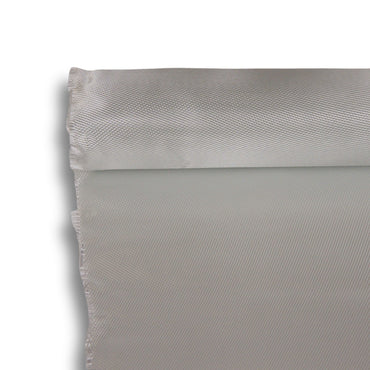
8.9oz Fiberglass E Cloth - Style 7781 Satin Weave
Style 7781 is the 8-harness satin E-glass that tooling shops and aircraft builders order by number. Each yarn...Regular price $16.95 USDSale price $16.95 USD Regular priceUnit price $16.95 per yd -
 Vendor:Boat Suppliers
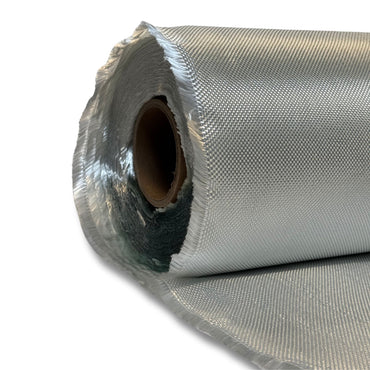
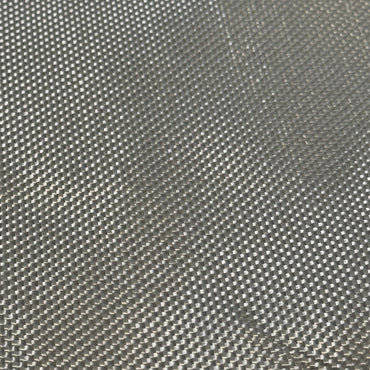
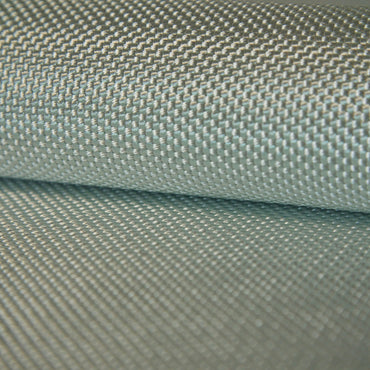
10oz Fiberglass E Cloth
10 oz plain weave is the medium-weight workhorse: enough body to carry structural load without the bulk and...Regular price $11.33 USDSale price $11.33 USD Regular priceUnit price $11.33 per yd -
 Vendor:Boat Suppliers
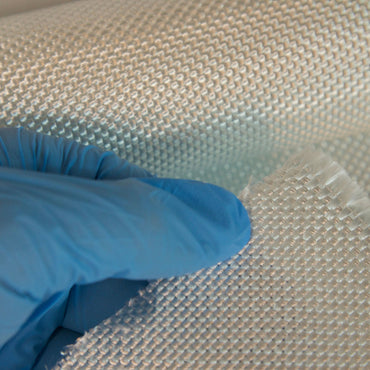
18oz Fiberglass E Cloth
Style 7544 two-end plain weave E-glass at 18 oz per square yard, 50 in wide. This is heavy...Regular price $19.28 USDSale price $19.28 USD Regular priceUnit price $19.28 per yd$19.44 USDSale -
 Vendor:Boat Suppliers
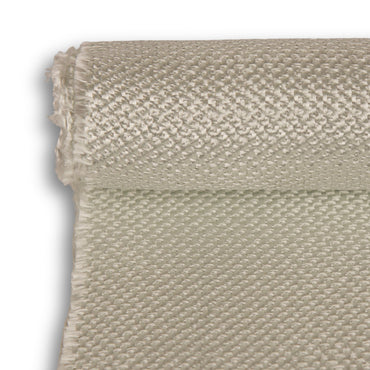
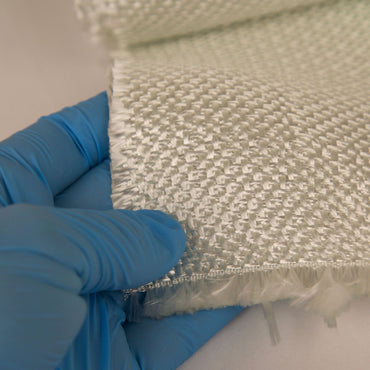
40oz Fiberglass E Cloth
40 oz/yd² double plain weave, 38 in wide. This is the heaviest woven glass we cut, and one...Regular price $38.18 USDSale price $38.18 USD Regular priceUnit price $38.18 per yd -
 Vendor:Boat Suppliers
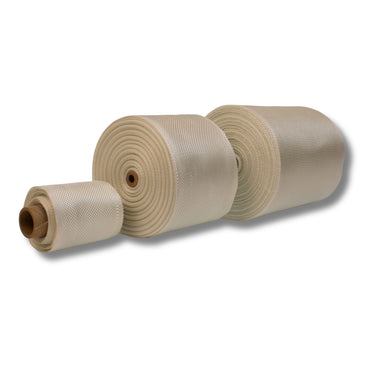
8.7oz Fiberglass Cloth Tape (E-Glass)
8.7 oz woven E-glass cloth tape with finished woven edges, in eight widths from 1 to 12 inches,...Regular price $0.89 USDSale price $0.89 USD Regular priceUnit price $0.89 per yd -
 Vendor:Boat Suppliers
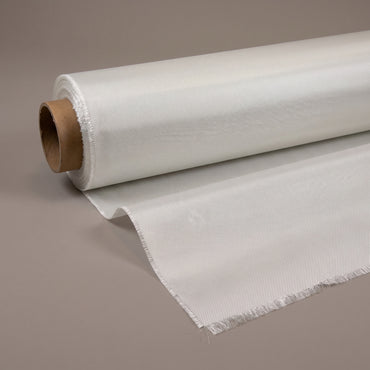
4oz Fiberglass S Cloth - Style 6522
Style 6522 is a 4 oz/yd² (136 g/m²) plain weave woven from S-2 glass, the high-strength fiber that...Regular price $13.00 USDSale price $13.00 USD Regular priceUnit price $13.00 per yd -
 Vendor:Boat Suppliers
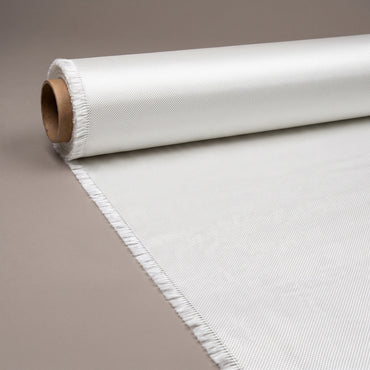
6oz Fiberglass S Cloth - Style 6533
Style 6533 is a 6 oz/yd² (203 g/m²) plain weave woven from S-2 glass, with roughly 25 to...Regular price $15.99 USDSale price $15.99 USD Regular priceUnit price $15.99 per yd -
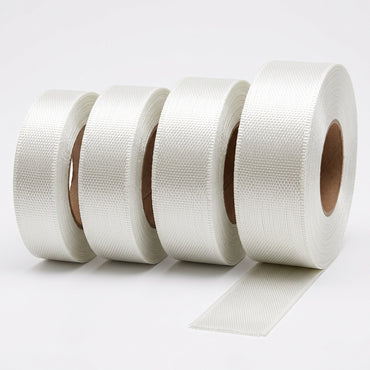
 Vendor:Boat Suppliers
12oz Warp Unidirectional Fiberglass Tape (E-Glass)
Warp unidirectional fiberglass tape puts 75% of its E-glass in the warp (0 degree) direction and 25% in...Regular price $2.49 USDSale price $2.49 USD Regular priceUnit price $2.49 per yd -
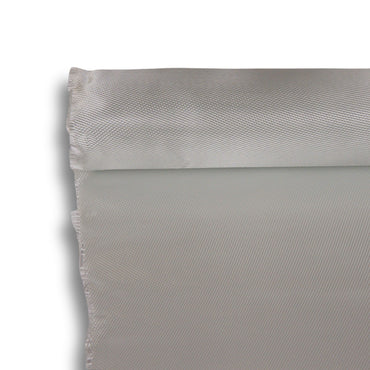
 Vendor:Boat Suppliers
8.9oz Fiberglass S Cloth - Style 6781 Satin Weave
Style 6781 is the S-2 glass version of 7781: the same 8-harness satin weave, weight and thread count,...Regular price $27.99 USDSale price $27.99 USD Regular priceUnit price $27.99 per yd


Fiberglass Cloth
Every woven glass cloth we cut, in one place
Woven cloth is the reinforcement you reach for when you want strength with a clean surface: it wets out clear, it follows a curve, and it finishes far better than mat or roving. This page lists everything we cut, 3 oz through 40 oz, in plain, twill and satin weave, in E-glass and in genuine S-2 glass.
E-glass or S-glass
Almost everyone wants E-glass. It is the standard laminating glass, it is what plans and repair manuals assume, and it is a fraction of the price. Reach for S-glass only when weight is the real constraint and you need roughly 30 percent more breaking strength out of the same yardage: board decks, race hulls, foil parts, anywhere adding another layer of E-glass is not an option. If you are not sure, you want E-glass.
Then pick the weight
Weight decides how much glass goes down per layer and how much resin it drinks. Light cloth at 3 to 4 oz is for skins, sheathing and cosmetic layers. The 6 oz weights are the general-purpose middle and cover most repairs. From 8.5 to 10 oz you are building structure, and 18 to 40 oz is there to build thickness fast on transoms, stringers and tooling.
Weave changes how it behaves, not how strong it is
A plain weave is the stable, economical default. A 2x2 twill drapes into compound curves a plain weave fights. An 8-harness satin such as Style 7781 is the most drapable of the three and leaves the smoothest surface, which is why it ends up on molds, tooling and finish plies.
Mill style numbers on every listing
Each cloth shows its industry style number in its specifications, so you can match what a plan set, an engineer or a repair manual called out instead of guessing from ounces. We carry Style 120, 1522, 7532, 7533, 7544, 7500, 7725 and 7781 in E-glass, and 6522, 6533 and 6781 in S-2 glass.
How it ships
Cloth is cut to order from full rolls and rolled rather than folded, so it arrives without crease marks, and the cut edges are taped so the weave does not fray in transit. Buy a single yard to try a weight before you commit to a roll.