

Regular price
$19.44 USD
Sale price
$19.44 USD
Regular price
Unit price
$19.44
per
yd
Shipping calculated at checkout.
95 in stock
Couldn't load pickup availability
Earn 19 Boat Points Learn More
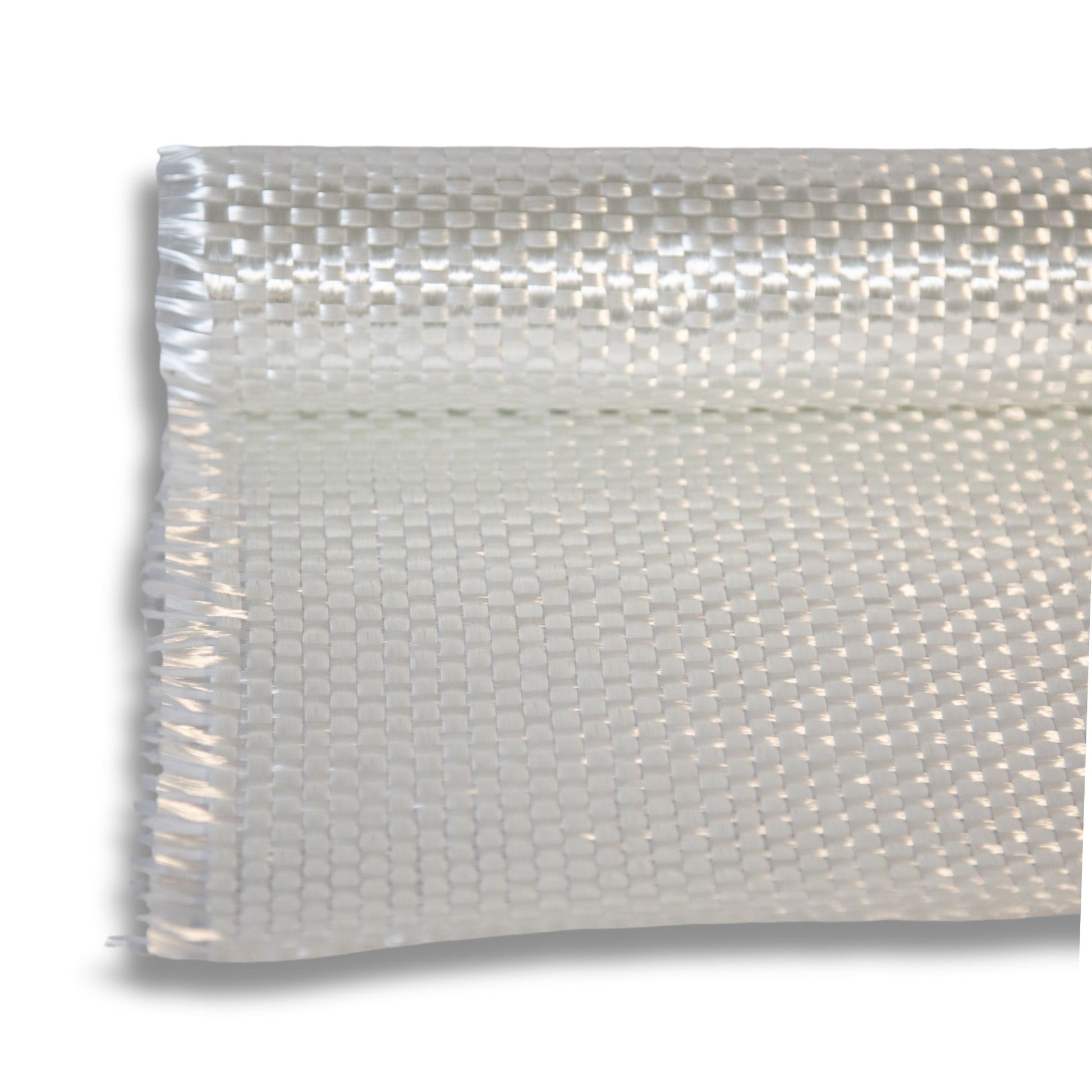
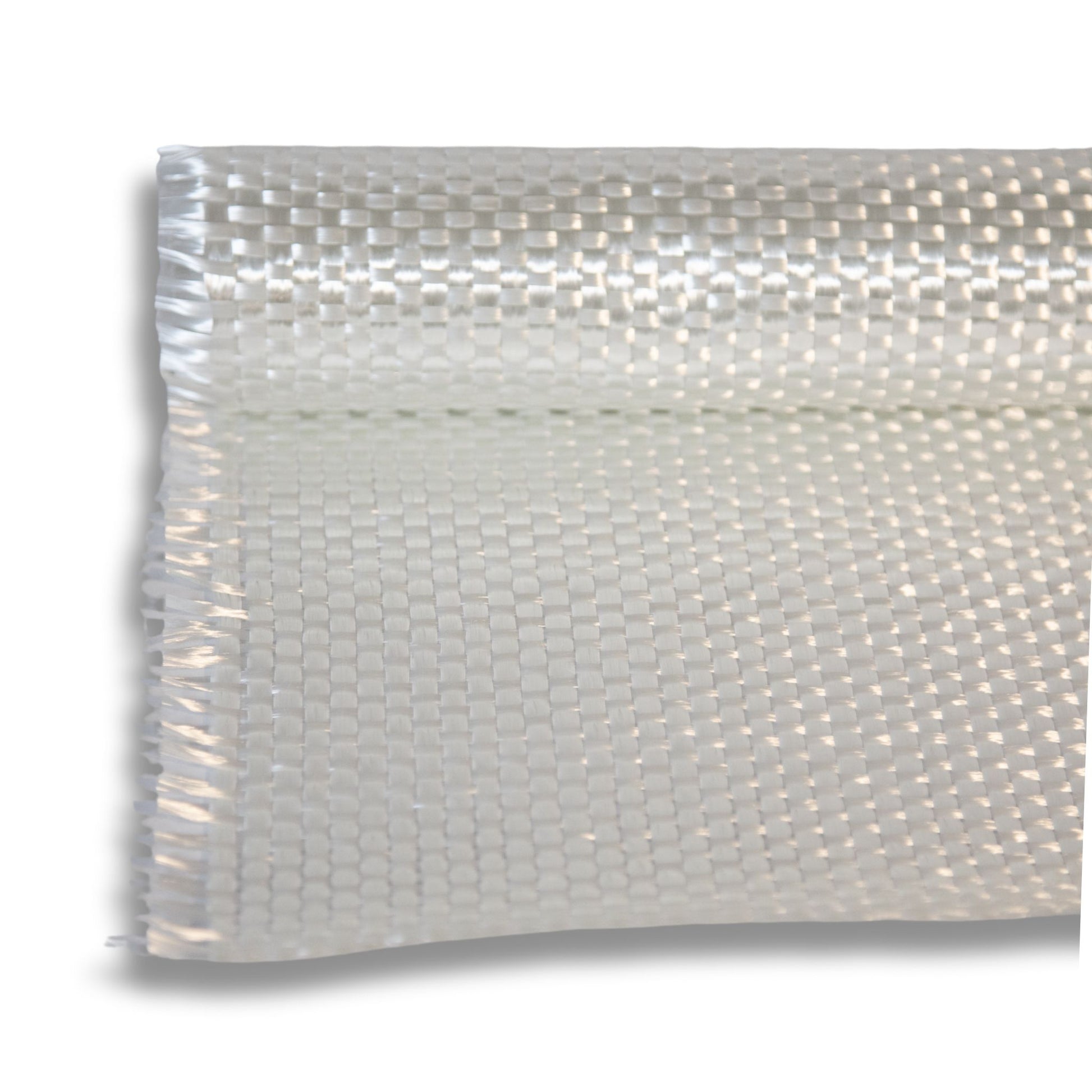
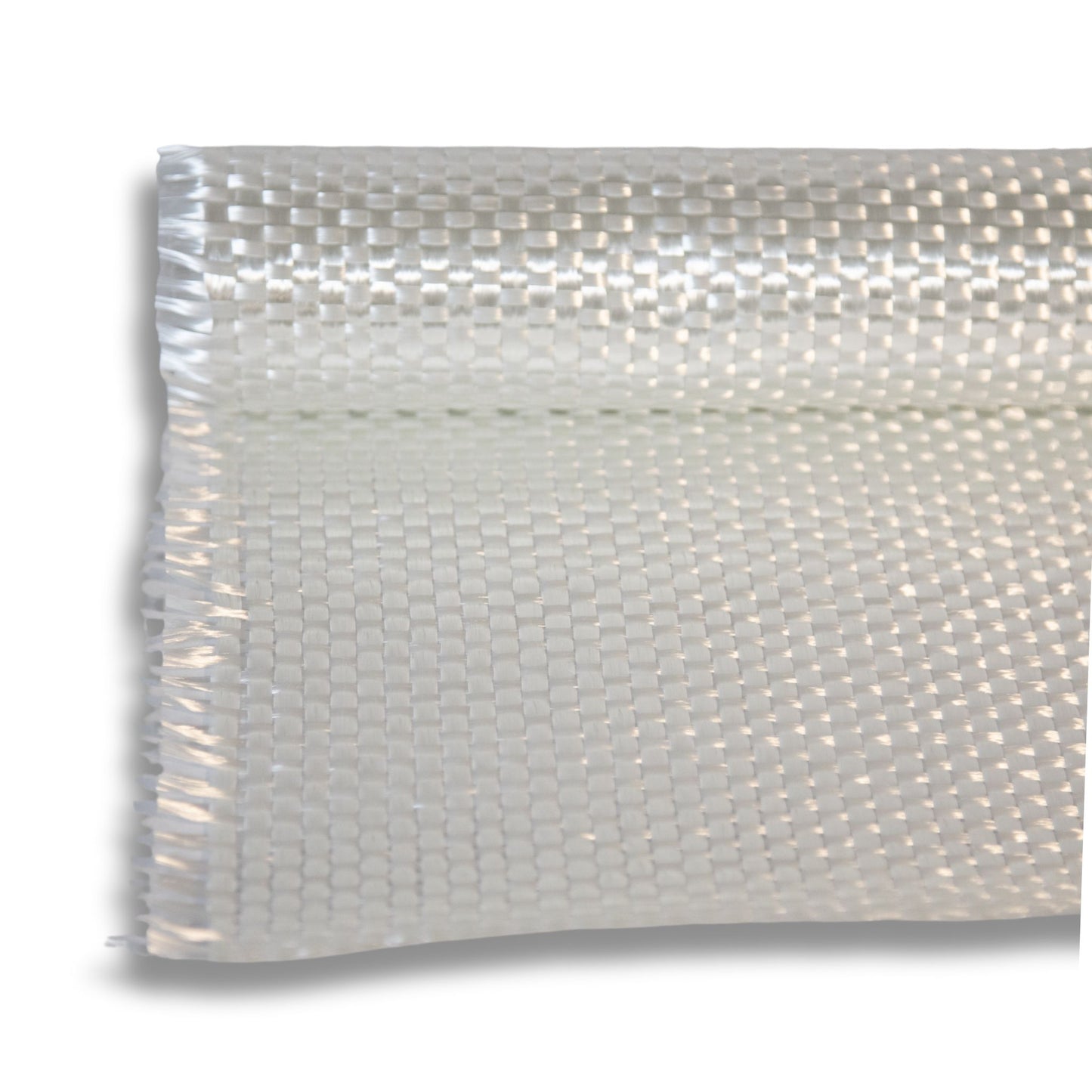
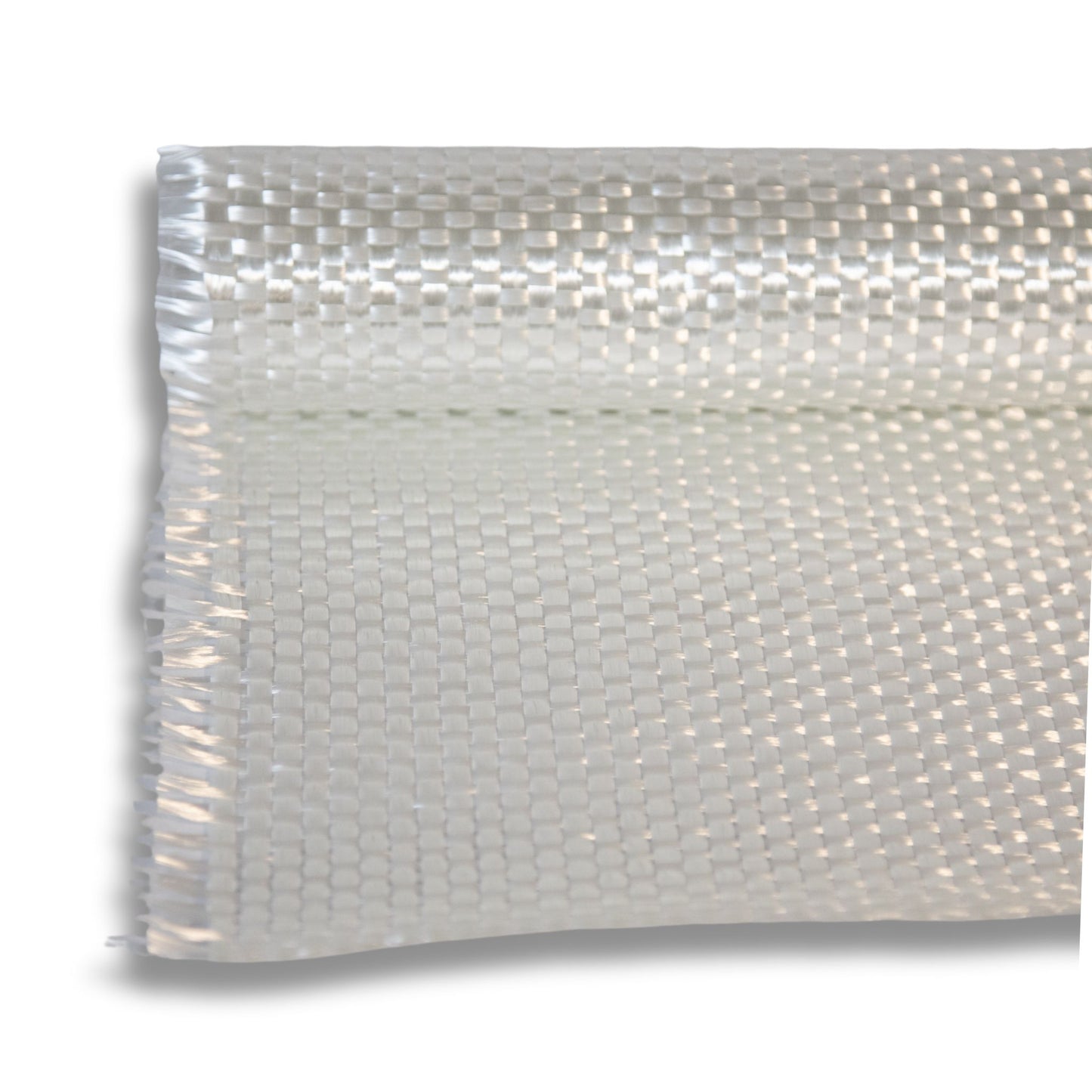
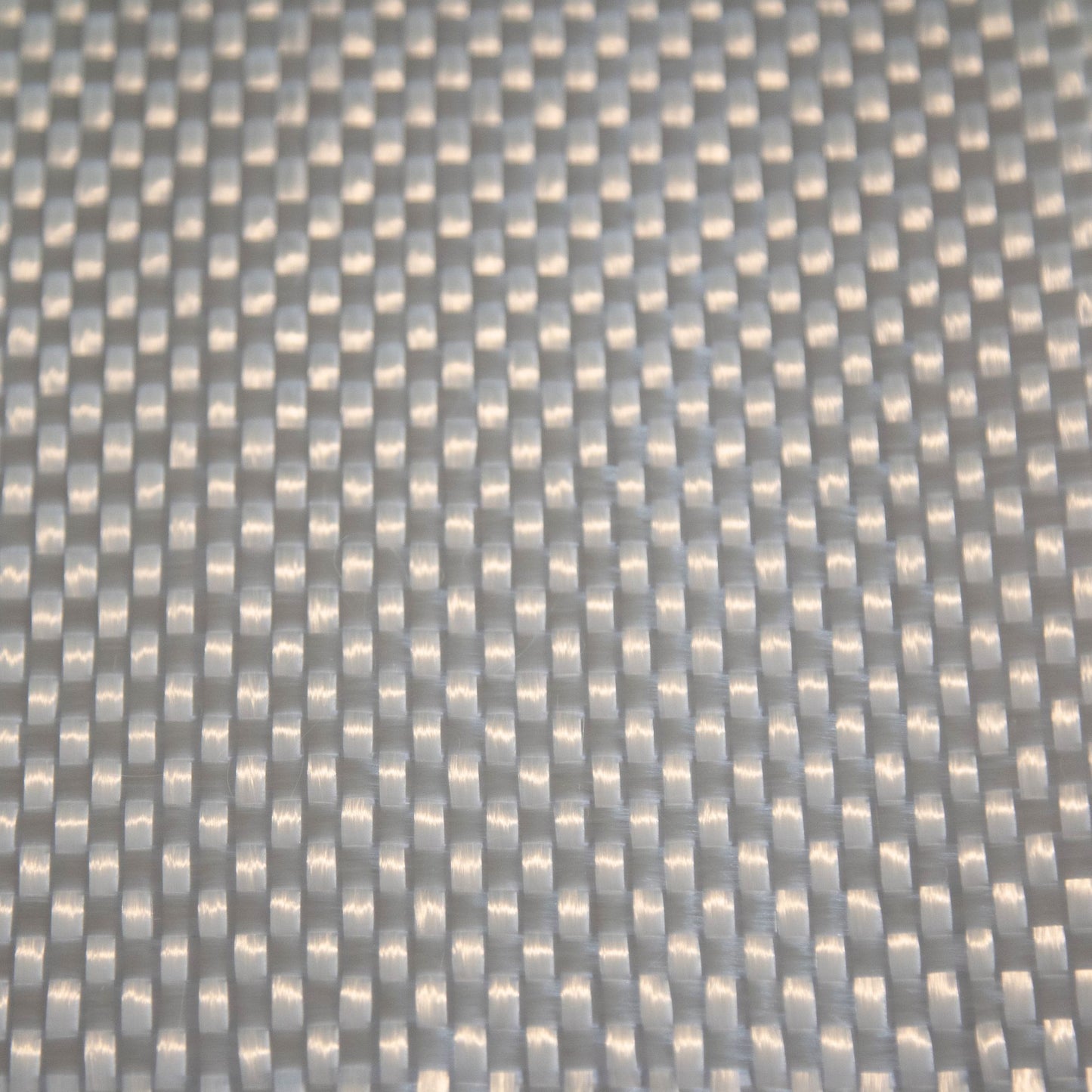
Woven roving is bulk. Coarse E-glass bundles woven 0/90 at 18 oz/yd² put thickness into a laminate faster than cloth of the same weight, which is why the classic polyester schedule alternates mat and roving: the mat wets the surfaces and fills the coarse weave, the roving does the building.
- 18 oz/yd² E-glass woven roving, 0/90, about 5 x 4 thread count
- 50 in wide
- Runs in polyester, vinyl ester or epoxy
- Cut to 1, 3 and 10 yards, or take the full roll (125 yards)
- Always sandwich it with chopped strand mat in a polyester schedule
Never lay roving directly on roving. The coarse weave leaves voids where the bundles cross, and without a mat layer between them the plies have almost nothing to bond to.
Specifications
Includes
Technical Specifications
E-GlassWoven RovingWorks with Epoxy, Polyester, Vinyl Ester
MaterialE-Glass
Weight18 oz/yd²
Weave / ConstructionWoven Roving
Fiber Orientation0°/90° (woven)
Available Widths50"
Full Roll Length125 yd
Thread Count~5 × 4
Resin-to-Reinforcement Ratio~1:1 by weight
Compatible ResinsEpoxy, Polyester, Vinyl Ester
Best ForFast bulk build between mat layers
Compare Fabrics
| Product |  18oz Woven RovingYou're viewingfrom $19.44 18oz Woven RovingYou're viewingfrom $19.44
|  18oz Fiberglass E Clothfrom $27.45 18oz Fiberglass E Clothfrom $27.45
|  40oz Fiberglass E Clothfrom $47.95 40oz Fiberglass E Clothfrom $47.95
|  24oz Woven Rovingfrom $22.39 24oz Woven Rovingfrom $22.39
|
|---|---|---|---|---|
| Material | E-Glass | E-Glass | E-Glass | E-Glass |
| Style | — | Style 7544 | — | — |
| Weight | 18 oz/yd² | 18 oz/yd² | 40 oz/yd² | 24 oz/yd² |
| Weave | Woven Roving | Plain weave (2-end cloth) | Double plain weave | Woven Roving |
| Orientation | 0°/90° (woven) | 0°/90° (woven) | 0°/90° (woven) | 0°/90° (woven) |
| Thickness | — | 0.0207" | 0.0386" | — |
| Widths | 50" | 50" | 38" | 50" |
| Full Roll | 125 yd | 125 yd | approx. 70 yd | approx. 52 yd |
| Thread Count | ~5 × 4 | — | — | ~5 × 4 |
| Resin Ratio | ~1:1 by weight | ~1:1 by weight | ~1:1 by weight | ~1:1 by weight |
| Resins | Epoxy, Polyester, Vinyl Ester | Epoxy, Polyester, Vinyl Ester | Epoxy, Polyester, Vinyl Ester | Epoxy, Polyester, Vinyl Ester |
| Best For | Fast bulk build between mat layers | Heavy structural reinforcement | Very heavy structural build | Heavy bulk build between mat layers |
| View | View | View |
What To Expect When You Order Fabric Rolls
Is woven roving flexible?
Can I layer woven roving with other fiberglass materials?
What resin should I use with woven roving?
What is woven roving fiberglass?
How is woven roving different from fiberglass cloth?
How do I cut woven roving?
Blog posts

28 September 2026
Epoxy Calculator: How Much Resin Your Layup A...
28 September 2026
Epoxy Calculator: How Much Resin Your Layup A...

26 September 2026
Polyester Gelcoat: Waxed vs Unwaxed, Tooling ...
26 September 2026
Polyester Gelcoat: Waxed vs Unwaxed, Tooling ...

25 September 2026
Fiberglass Kayak Build and Repair: Layup Sche...
25 September 2026