
1/2" Chopped Strand Fiberglass
Chopped strand reinforcementMediumNot for fairing


Chopped strand reinforcementMediumNot for fairing
SKU:SM-CH121
In stock
Couldn't load pickup availability
Key Specs
- Filler Type
- Chopped strand reinforcement
- Density Class
- Medium
- Sandability
- Not for fairing
- Compatible Resins
- Epoxy, Polyester, Vinyl Ester
- Physical Form
- Loose chopped glass fibers
- Material
- 1/2 inch chopped E-glass fiber
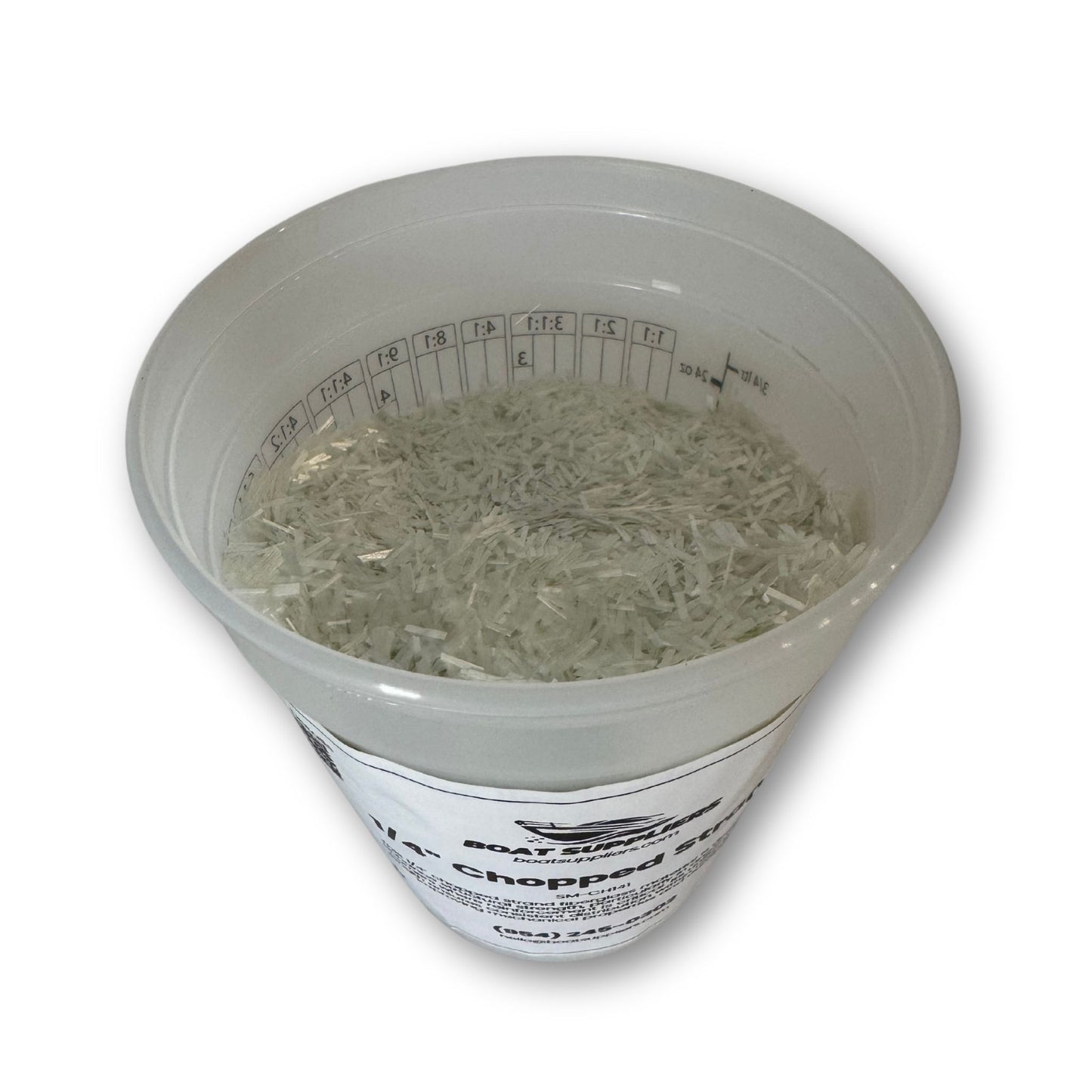
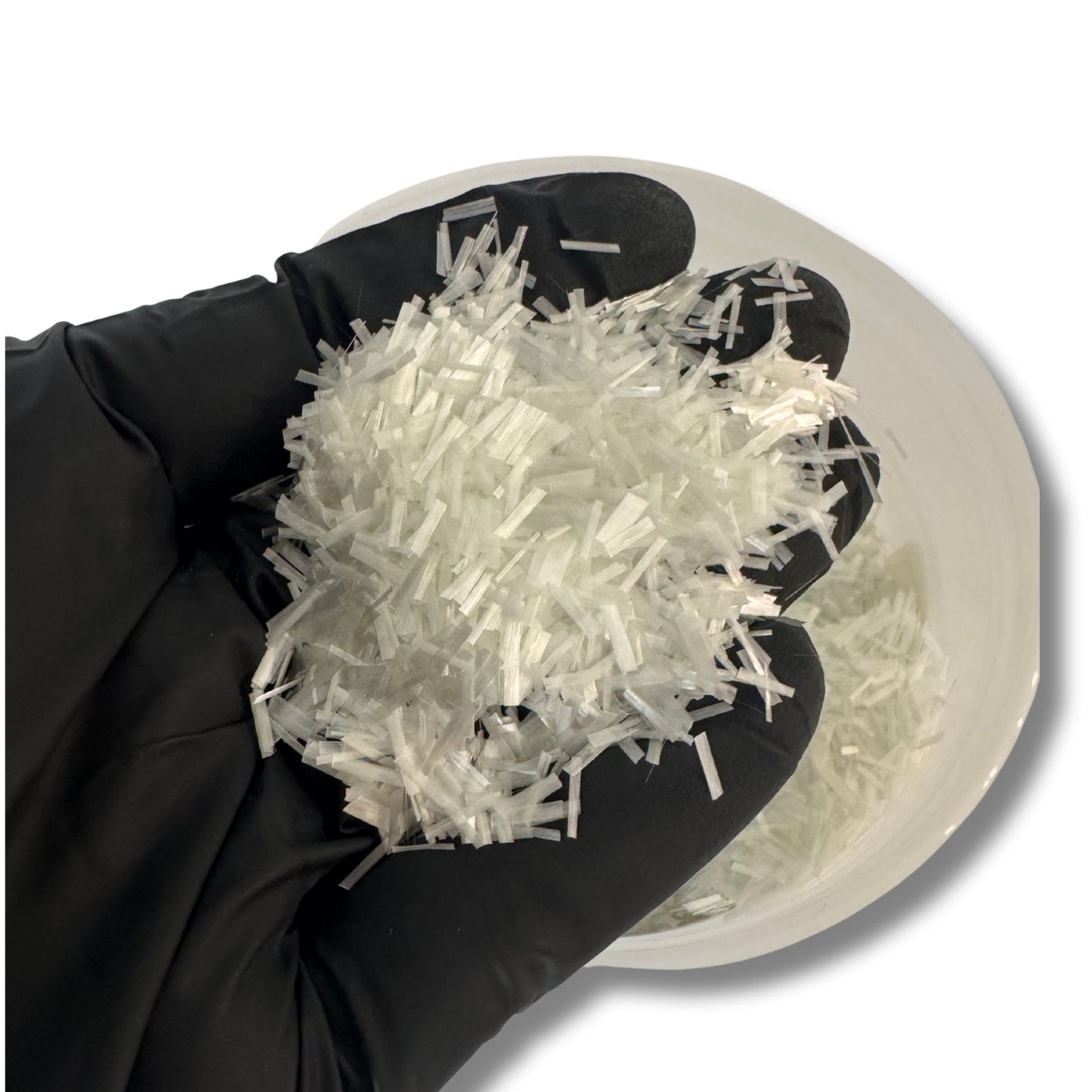
Loose 1/2 in chopped E-glass for mixing into resin. The longer fiber is the point: it knits across a gap and carries load where a powder filler would just take up space, so a fillet or a casting mixed with chopped strand resists cracking and impact instead of shattering.
- 1/2 in chopped E-glass fiber, loose and white
- Mixes into epoxy, polyester or vinyl ester
- Adds tensile and compressive strength to bonds, fillets and castings
- Good gap filling where the joint has to carry real load
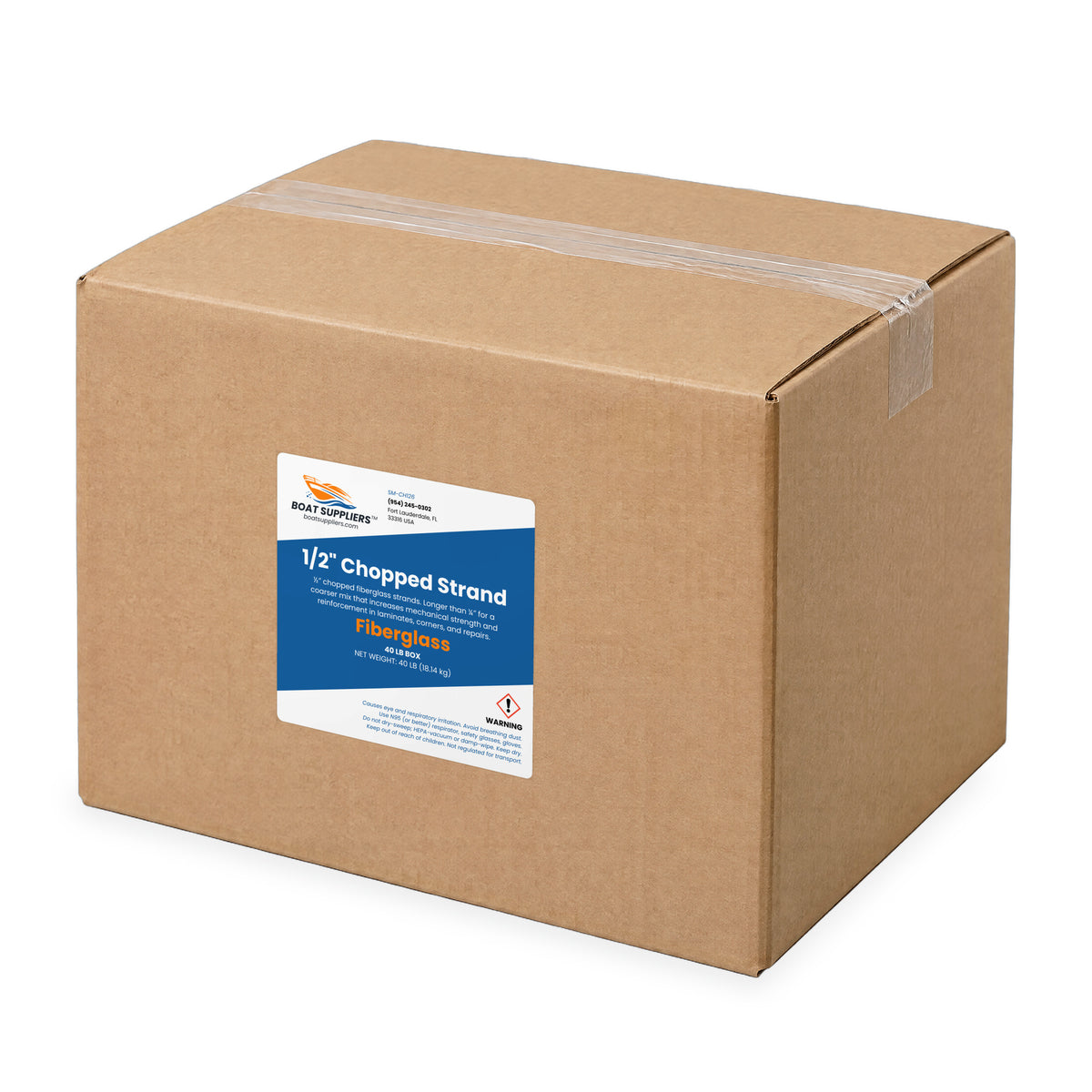
- Sizes: 1 lb, 2 lb and 4 lb tubs, 10 lb bag, 40 lb box
It is coarser to mix and trowel than 1/4 in glass or milled fiber, so reach for it when strength beats workability. Keep it under the fairing layer, not in it.
Specifications
Features



Overview
Half-inch chopped strand is the heavier-duty cousin of our 1/4 inch glass, with a longer fiber that builds more structural strength in a bond or casting. The longer strands knit together for tougher, more impact-resistant fillets and gap fills where the joint really has to carry load.
It is coarser to mix and trowel than the 1/4 inch, so reach for it when strength is the priority over a smooth working putty. It earns its keep in transom and stringer work and heavy structural repairs.
Stocked from 1 lb up to 50 lb for production.
Technical Specifications
Compare Fillers
| Product |  1/2" Chopped Strand FiberglassYou're viewingfrom $13.95 | 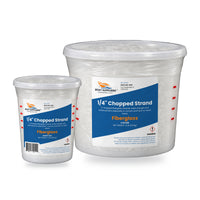 1/4" Chopped Strand Fiberglassfrom $13.95 | 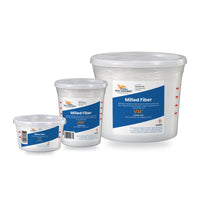 1/32" Milled Fiberfrom $14.95 | 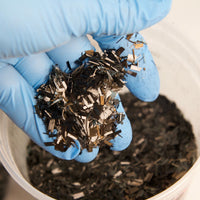 1/4" Chopped Carbon Fiberfrom $17.95 |
|---|---|---|---|---|
| Best for | Chopped strand reinforcement | Chopped strand reinforcement | Thickening / reinforcing filler | Structural reinforcement |
| Density | Medium | Medium | Medium | Light |
| Sandability | Not for fairing | Not for fairing | Moderate | Not for fairing |
| Resins | Epoxy, Polyester, Vinyl Ester | Epoxy, Polyester, Vinyl Ester | Epoxy, Polyester, Vinyl Ester | Epoxy, Polyester, Vinyl Ester |
| Material | 1/2 inch chopped E-glass fiber | 1/4 inch chopped E-glass fiber | Milled E-glass fiber (1/32 in) | 1/4 inch chopped carbon fiber |
| View | View | View |
What is 1/2" chopped strand fiberglass?
What is 1/2 inch chopped strand fiberglass used for?
Which resins work with 1/2 inch chopped strand fiberglass?
How do I mix chopped strand fiberglass into resin?
How much chopped strand should I add to my resin?
Which epoxy filler do I use for fairing, bonding, or filleting?
What's the difference between a fairing filler and an adhesive filler?
How much filler do I add to epoxy or polyester resin?
Which filler makes the easiest-to-sand fairing compound?
Are epoxy fillers structural?
Guides for this product

Microballoons vs Cabosil: Which Filler Do You...
Microballoons vs Cabosil: Which Filler Do You...

Marine Filler Types: Complete Guide to Fairin...
Marine Filler Types: Complete Guide to Fairin...

Fumed Silica: What It Is, How Much to Add to ...
Fumed Silica: What It Is, How Much to Add to ...
Calculators and charts:Epoxy Filler Consistency ChartFairing and Filler Calculator