Boat Suppliers

Cotton Flock

Cotton Flock

SKU:FL-FX010

Regular price $6.90 USD
Sale price $6.90 USD Regular price
Sale Sold out
Shipping calculated at checkout.

547 in stock

Size: QT
Earn 6 Boat Points Learn More
Ships Today if ordered before 4pm Learn More
Free Shipping on orders over $99 Learn More

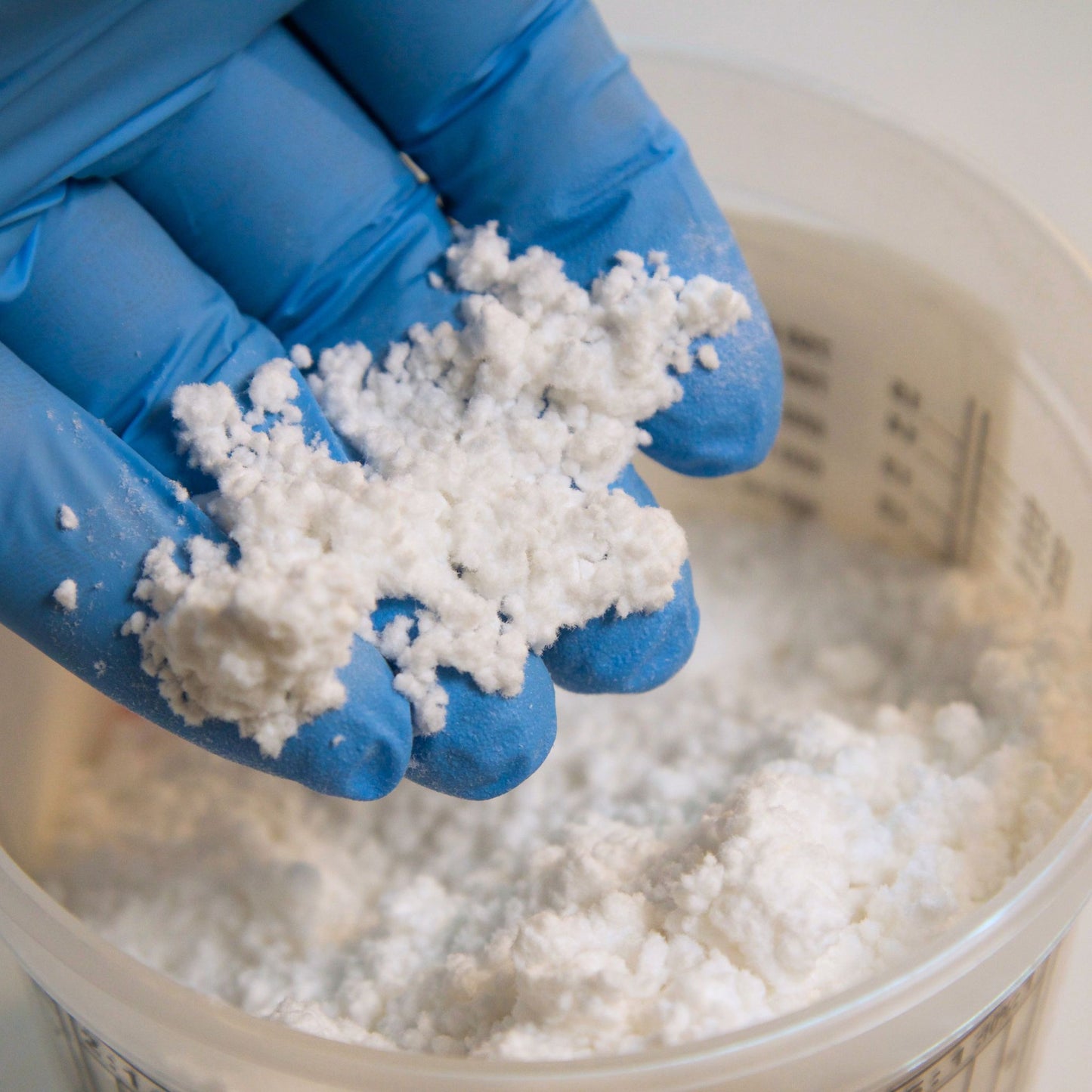
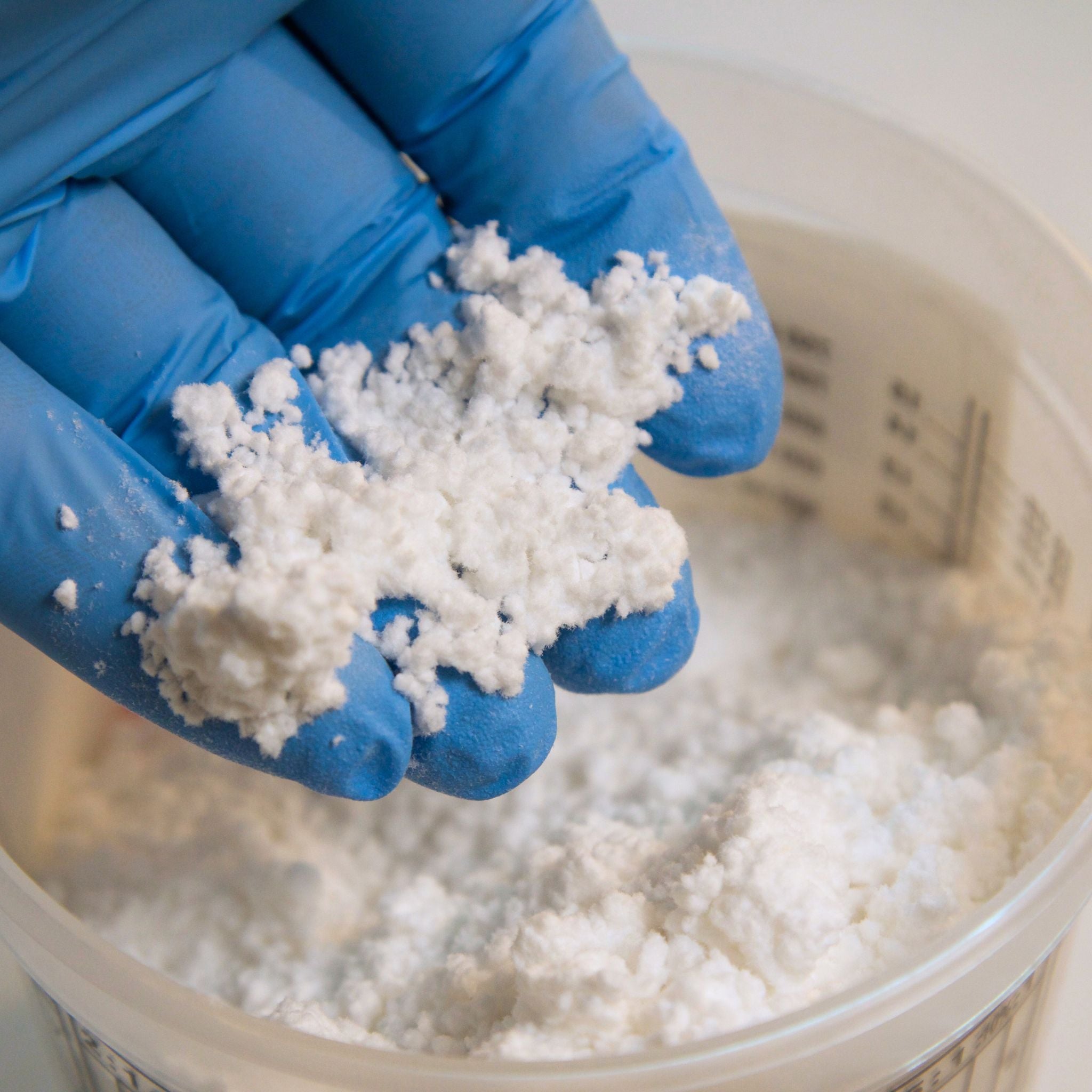
Fine cotton fiber that makes one of the toughest gap-filling fillers for epoxy or polyester. Grips into a joint and resists cracking under load.

Mix Ratio: Approx 2 parts flock to 1 part epoxy by volume

Average Fiber Length: 320 Microns
Average Fiber Width: 10 to 25 Microns

(Color: White)

  • Fine cotton fiber for tough, high-strength gap-filling
  • Mixes into epoxy or polyester to a thick, fibrous paste
  • Resists cracking in flexing, high-load joints
  • For structural bonds, fillets and hardware bonding
  • Tough to sand, use where strength matters
  • Made in USA, quart tub up to 50 lb bag
View full details

Overview


Cotton flock is fine cotton fiber that makes one of the toughest gap-filling fillers you can mix into epoxy or polyester. It blends to a thick, fibrous paste that grips into a joint and resists cracking, which makes it the choice for high-load bonds and fillets that have to flex and hold.

It is not a fairing filler: a cured cotton-flock mix is tough and not easy to sand, so use it where strength matters and the surface gets covered. It shines for bonding hardware, building thick structural fillets and filling gaps in a loaded joint.

Made in the USA. Stocked from small tubs up to a 50 lb bag.

Technical Specifications


Made in USANon-Hazmat: Ships GroundWorks with Epoxy, Polyester, Vinyl Ester
MaterialCotton fiber flock (cellulose)
Filler TypeStructural / gap-filling reinforcement
Physical FormFine white cotton fibers
ColorOff-white
Density ClassLight
SandabilityNot for fairing
Compatible ResinsEpoxy, Polyester, Vinyl Ester
Country of OriginUSA
Regulatory StatusNon-hazardous, not regulated for transport

Compare Fillers


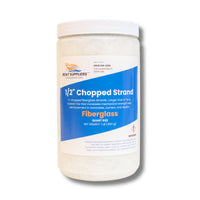
ProductCotton FlockCotton FlockYou're viewingfrom $6.90 1/32" Milled Fiber1/32" Milled Fiberfrom $8.95 1/4" Chopped Strand Fiberglass1/4" Chopped Strand Fiberglassfrom $13.95 1/2" Chopped Strand Fiberglass1/2" Chopped Strand Fiberglassfrom $13.95
Best forStructural / gap-filling reinforcementThickening / reinforcing fillerChopped strand reinforcementChopped strand reinforcement
DensityLightMediumMediumMedium
SandabilityNot for fairingModerateNot for fairingNot for fairing
ResinsEpoxy, Polyester, Vinyl EsterEpoxy, Polyester, Vinyl EsterEpoxy, Polyester, Vinyl EsterEpoxy, Polyester, Vinyl Ester
MaterialCotton fiber flock (cellulose)Milled E-glass fiber (1/32 in)1/4 inch chopped E-glass fiber1/2 inch chopped E-glass fiber
SelectedViewViewView
Cotton Flock - image 2

It is fine cotton fiber that you mix into resin to make a tough, gap filling adhesive and fillet putty. It adds strength and abrasion resistance and is excellent for structural bonds and filleting.

Cotton flock makes a very tough, impact-resistant mix that shapes and machines better than glass-fiber fillers and is less itchy to work with. It feels heavier than microballoon fillers but is far stronger, which makes it a favorite for structural fillets and high-strength bonds in epoxy.

Cotton flock works with epoxy, polyester, and vinyl ester resin, and it is most common in epoxy filleting and bonding. Stir it into mixed resin to a smooth, tough paste. It is prized for strong structural fillets rather than fairing, so fair over it with a lightweight filler if you need a smooth finish.

No. Cotton flock is tough and not intended for fairing: it sands hard and ragged. Use it for strong bonds and fillets, then fair over it with a lightweight filler when you need a smooth, finished surface.

Yes. Cotton flock is non-hazardous and not regulated for transport, so it ships standard ground with no hazmat fees. It is a light, fluffy fiber, so a little fills a lot of volume; expect a bulky package for the weight.

Match the filler to the job, and keep strength fillers below the surface with fairing fillers on top:

  • Bonding and structural fillets: use a high-density or fiber filler like colloidal silica (Cabosil), milled fiber, or microfibers, which cure hard and strong.
  • Fairing and shaping: use a low-density filler like phenolic microballoons, glass bubbles, or a fairing compound, which sand and feather easily.

Adhesive, high-density fillers like colloidal silica and microfibers make a hard, strong mix for bonding and structural filleting, but they are tough to sand. Fairing, low-density fillers like microballoons and glass bubbles make a light, soft mix that sands and feathers easily for a smooth surface, but they are not structural. Use adhesive fillers for strength and fairing fillers for finish.

There is no fixed ratio. Mix the resin and hardener fully first, then stir in filler a little at a time until you reach the consistency the job needs:

  • Ketchup consistency: for a coating or pre-coat that still flows.
  • Mayonnaise consistency: for bonding parts together.
  • Peanut-butter consistency that holds a peak: for filleting and gap-filling.

Low-density microsphere fillers sand the easiest. Phenolic microballoons, 3M glass bubbles, and lightweight blends like our fairing compound or West System 410 Microlight feather to a fine edge and carve with little effort once cured. They trade strength for sandability, so use them above the structural layer for shaping and smoothing, not for bonding or load-bearing fillets.

Some are. High-density and fiber fillers like colloidal silica, milled glass fiber, and microfibers add real strength and are made for bonding and load-bearing fillets. Low-density fairing fillers like microballoons and glass bubbles are not structural; they are for shaping and fairing only. Build strength with a high-density filler first, then fair over it with a low-density filler.