
1/4" Chopped Carbon Fiber
Structural reinforcementLightNot for fairing


Structural reinforcementLightNot for fairing
SKU:CF-CH25005
Out of stock
Couldn't load pickup availability
Shipping cost shows at checkout.
Key Specs
- Filler Type
- Structural reinforcement
- Density Class
- Light
- Sandability
- Not for fairing
- Compatible Resins
- Epoxy, Polyester, Vinyl Ester
- Physical Form
- Loose chopped carbon fibers
- Material
- 1/4 inch chopped carbon fiber
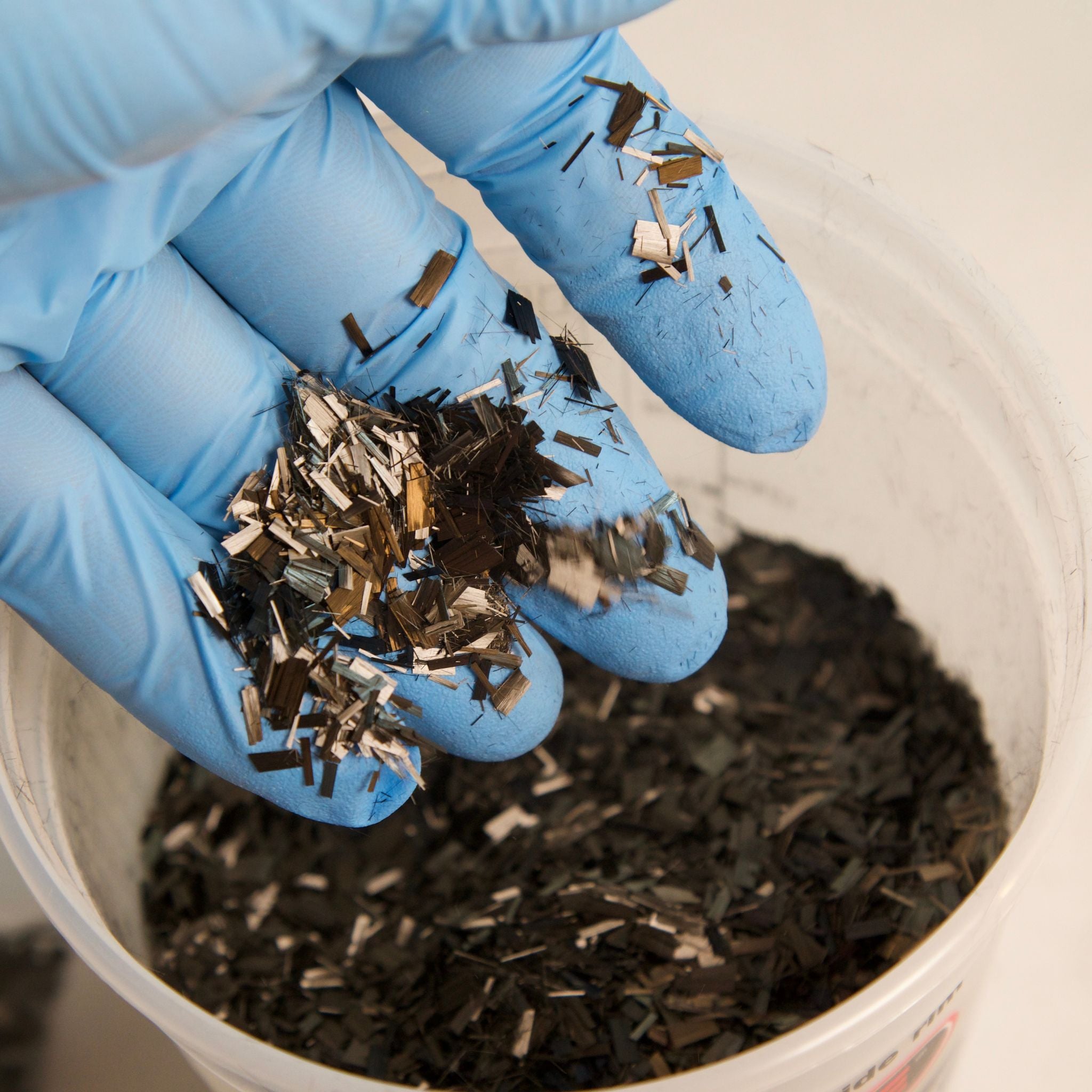
Loose 1/4 in chopped carbon strand, mixed into resin where cloth will not fit. Stir it into epoxy, polyester or vinyl ester and you get a stiff, light reinforced matrix for castings, deep fills, and the forged carbon look people run in detail molds. This is a reinforcement fiber, not a fairing filler, so do not expect it to sand like glass bubbles.
- Forged carbon parts. Pack chopped strand into a mold, wet out with epoxy, press and cure for the marbled random-fiber finish.
- Structural fills. Adds tensile reinforcement to thick castings and repair fills where a cloth ply cannot be laid.
- Resin compatibility: epoxy, polyester and vinyl ester.
- Sizes: 0.5 lb, 1 lb and 2 lb.
It thickens resin fast. Add it in stages and check the mix before you commit a batch, and wear a P100 when you are pouring dry fiber.
Specifications
Includes
Features


Overview
Quarter-inch chopped carbon fiber adds light, stiff reinforcement to epoxy, polyester or vinylester. Mixed into resin it builds a high-modulus filler for castings, repairs and parts where you want carbon stiffness and low weight without laying continuous cloth.
The chopped strands disperse through the resin to raise stiffness and strength while keeping the mix light. It is a favorite for reinforcing thick sections, casting stiff parts and adding carbon to a repair where cloth simply will not fit.
Available in multiple sizes.
Technical Specifications
Compare Fillers
| Product | 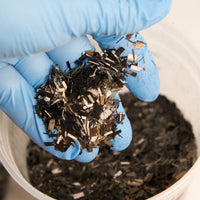 1/4" Chopped Carbon FiberYou're viewingfrom $17.95 1/4" Chopped Carbon FiberYou're viewingfrom $17.95
|  1/2" Chopped Carbon Fiberfrom $17.95 1/2" Chopped Carbon Fiberfrom $17.95
| 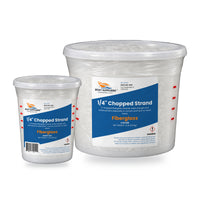 1/4" Chopped Strand Fiberglassfrom $13.95 1/4" Chopped Strand Fiberglassfrom $13.95
| 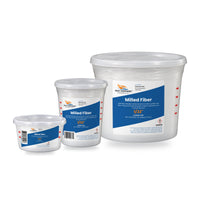 1/32" Milled Fiberfrom $14.95 1/32" Milled Fiberfrom $14.95
|
|---|---|---|---|---|
| Best for | Structural reinforcement | Structural reinforcement | Chopped strand reinforcement | Thickening / reinforcing filler |
| Density | Light | Light | Medium | Medium |
| Sandability | Not for fairing | Not for fairing | Not for fairing | Moderate |
| Resins | Epoxy, Polyester, Vinyl Ester | Epoxy, Polyester, Vinyl Ester | Epoxy, Polyester, Vinyl Ester | Epoxy, Polyester, Vinyl Ester |
| Material | 1/4 inch chopped carbon fiber | 1/2 inch chopped carbon fiber | 1/4 inch chopped E-glass fiber | Milled E-glass fiber (1/32 in) |
| View | View | View |
What is chopped carbon fiber used for?
Can chopped carbon fiber be used with epoxy?
What's the difference between 1/4 inch and 1/2 inch chopped carbon fiber?
Which epoxy filler do I use for fairing, bonding, or filleting?
What's the difference between a fairing filler and an adhesive filler?
How much filler do I add to epoxy or polyester resin?
Which filler makes the easiest-to-sand fairing compound?
Are epoxy fillers structural?
Guides for this product

Carbon Fiber Marine vs Automotive: Understand...
Carbon Fiber Marine vs Automotive: Understand...

How to Make Carbon Fiber Parts from Scratch: ...
How to Make Carbon Fiber Parts from Scratch: ...

Carbon Fiber Weave Patterns Explained: Plain,...
Carbon Fiber Weave Patterns Explained: Plain,...
Calculators and charts:Epoxy Filler Consistency ChartFairing and Filler Calculator