Boat Suppliers

Boat Suppliers Fairing Compound

Boat Suppliers Fairing Compound

SKU:SM-FC010

Regular price $13.95 USD
Sale price $13.95 USD Regular price
Sale Sold out
Shipping calculated at checkout.

96 in stock

Size: QT
Earn 13 Boat Points Learn More
Ships Today if ordered before 4pm Learn More
Free Shipping on orders over $99 Learn More

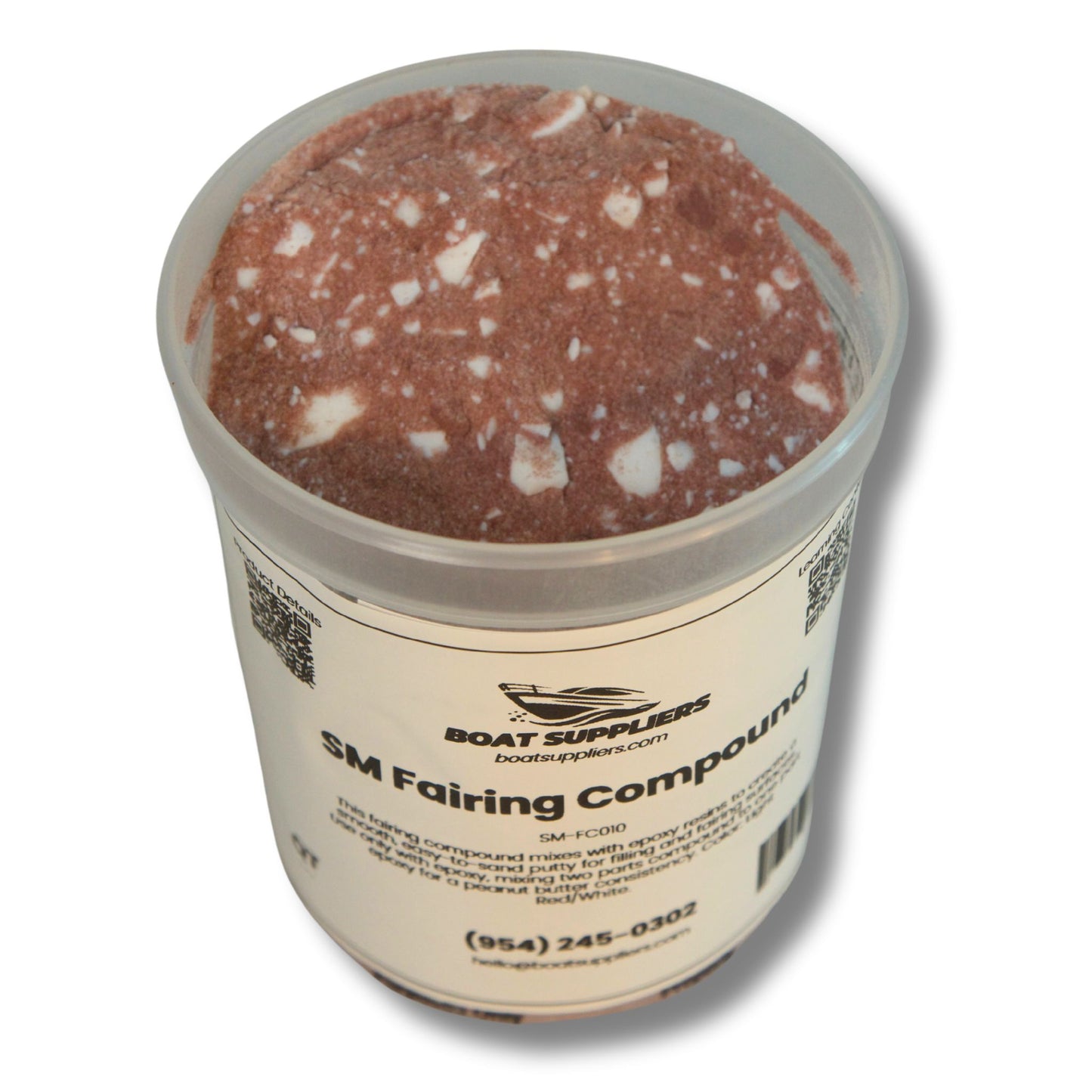
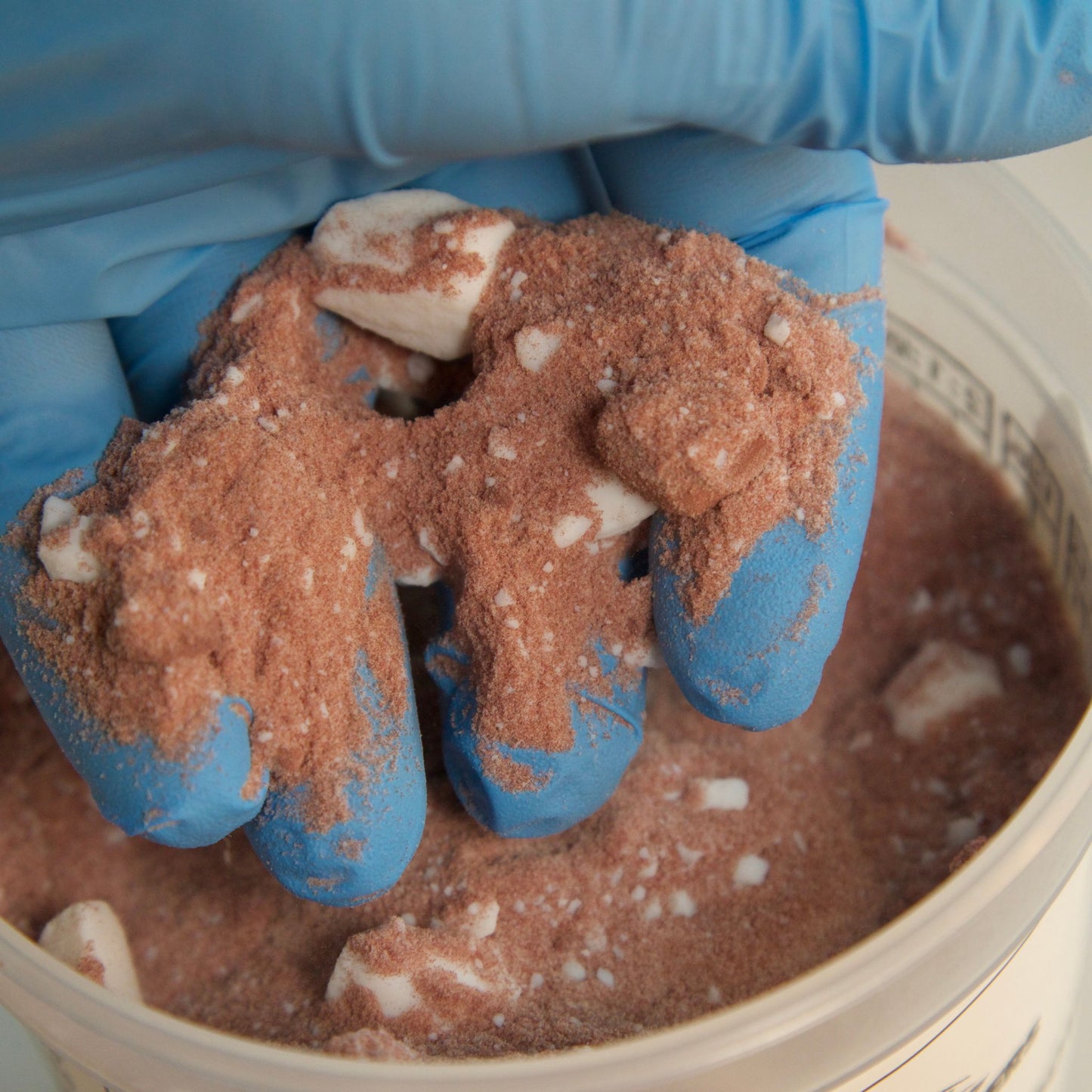
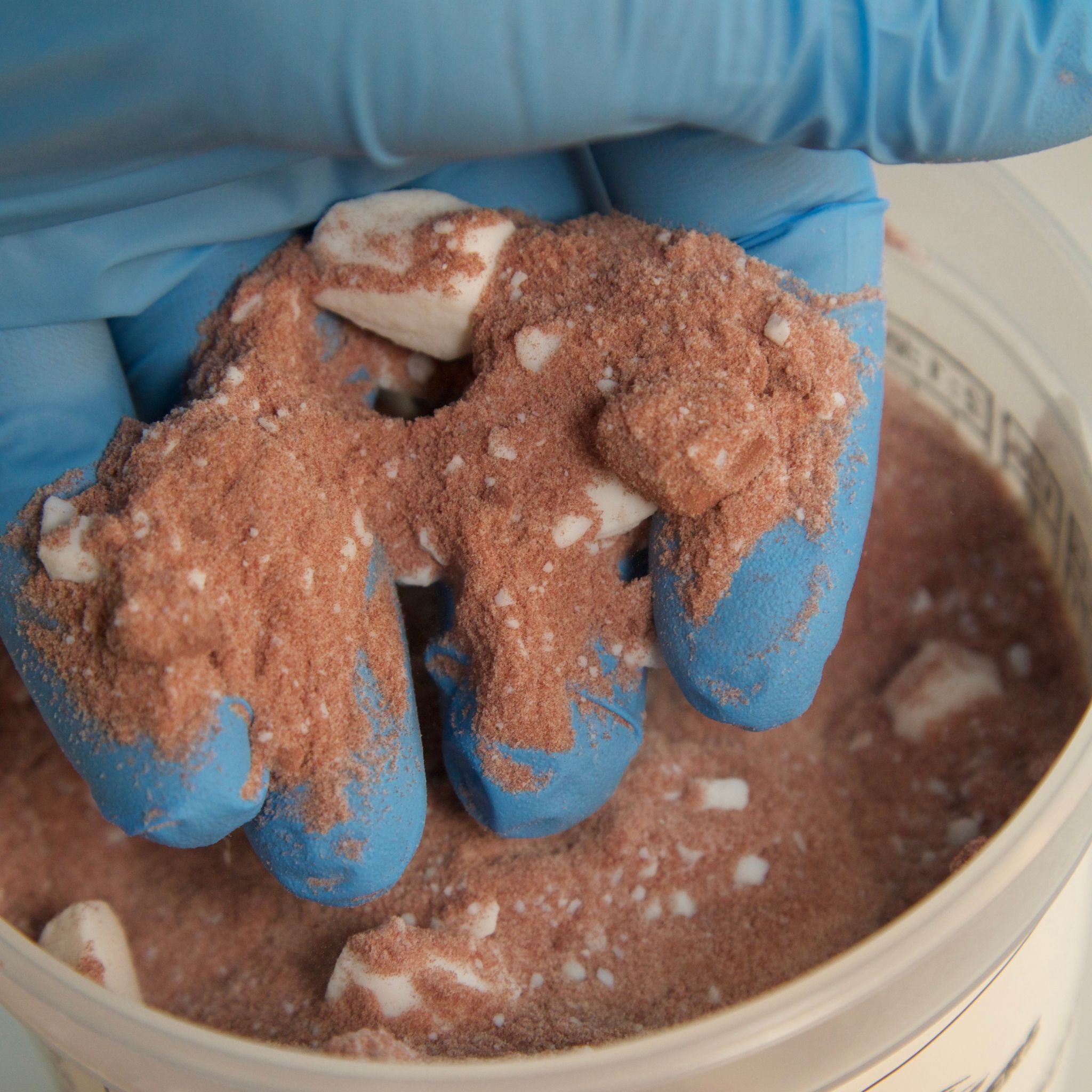
A pre-blended lightweight fairing filler: just add epoxy, trowel, and sand to a fair, primer-ready surface. No measuring separate powders.

ONLY for use with epoxy resin

 (1 quart of epoxy will require approximately 2 quarts of fairing compound to make a peanut butter-like viscosity)

SM Fairing Compound

  • Pre-blended lightweight fairing filler, just add epoxy
  • Mixes to a smooth, non-slumping putty
  • Sands easily to a fair, primer-ready surface
  • Balanced for easy sanding with a firm edge
  • No measuring of separate powders
  • Blended in-house by Boat Suppliers
View full details

Overview


Our fairing compound is a pre-blended, lightweight filler built to mix straight into epoxy with no measuring of separate powders. Stir it in to a smooth, non-slumping putty, trowel it over low spots and weave, and it sands easily to a fair surface ready for primer.

We blended it to sit in the sweet spot between easy sanding and a firm, sandable edge, so you spend less time chasing low spots and less time fighting a filler that is either too soft or too hard. It is the one-bag answer for fairing hulls, decks and repairs.

Blended in our own shop from fumed silica, phenolic microballoons and 3M glass bubbles. Stocked from quart to 4-gallon.

Technical Specifications


Works with Epoxy
MaterialIn-house blend of fumed silica, phenolic microballoons and 3M glass bubbles
Filler TypePre-blended fairing compound
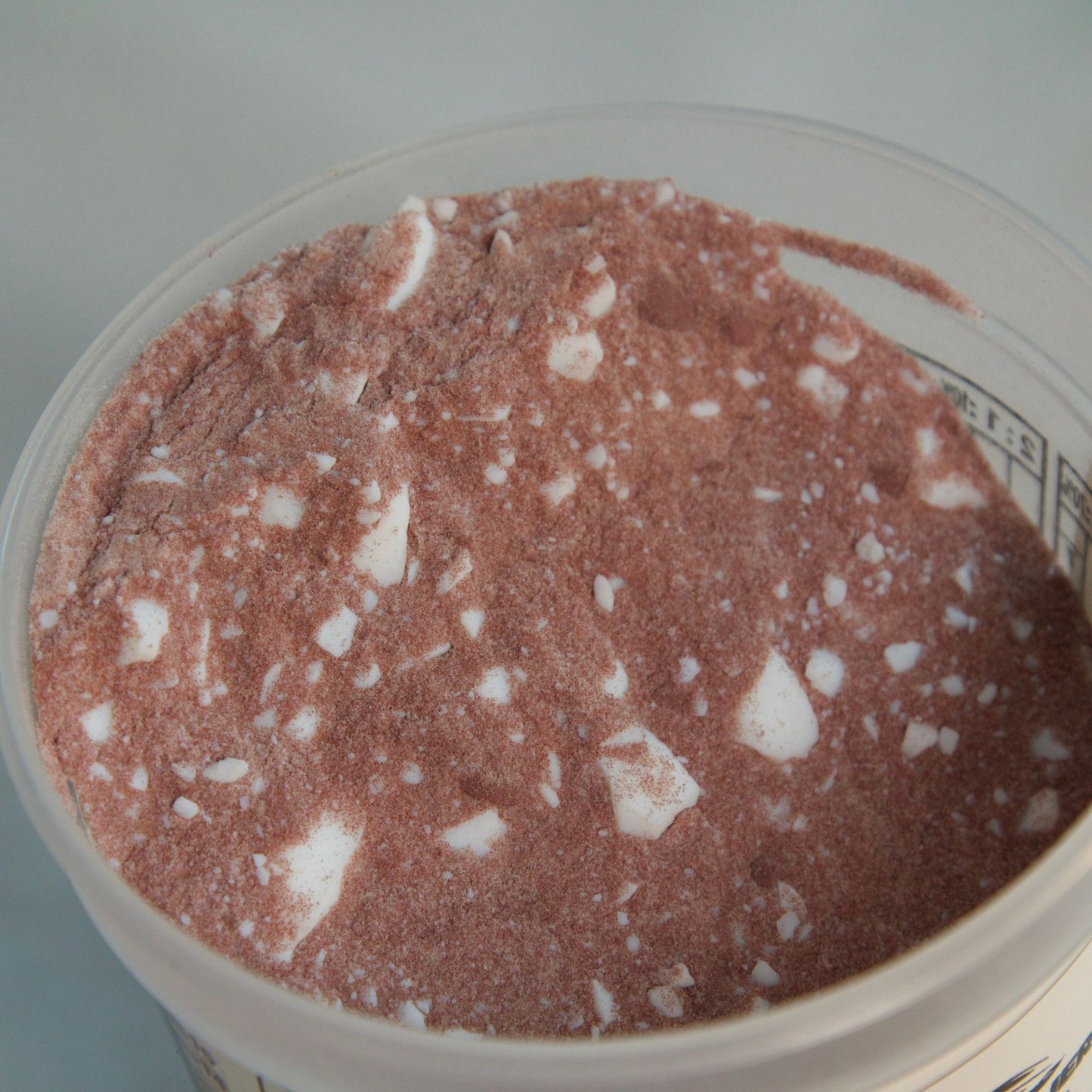
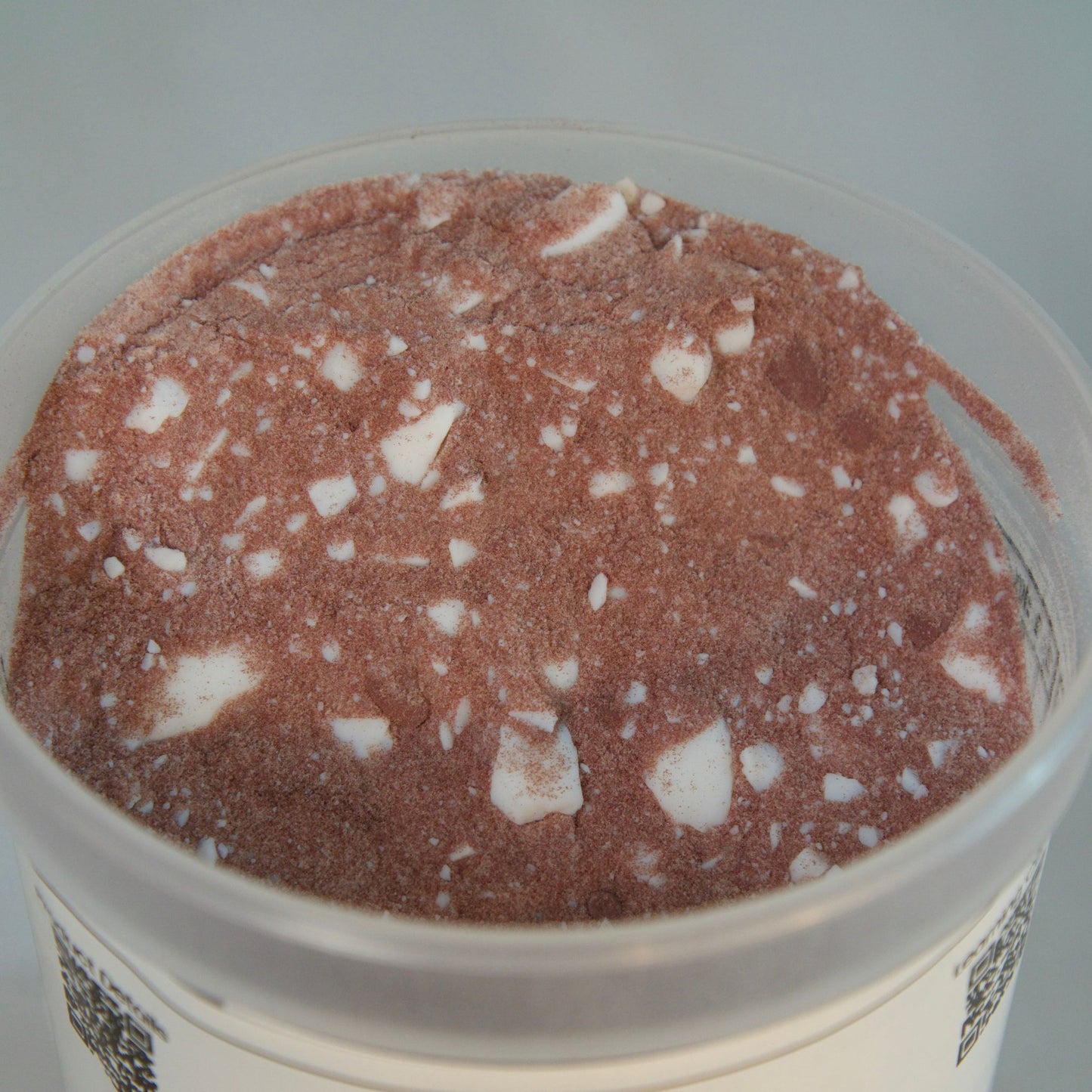
Physical FormPre-blended lightweight off-white powder
Density ClassLight
SandabilityEasy
Compatible ResinsEpoxy

Compare Fillers


ProductBoat Suppliers Fairing CompoundBoat Suppliers Fairing CompoundYou're viewingfrom $13.95 Q-CellsQ-Cellsfrom $7.95 3M Glass Bubbles3M Glass Bubblesfrom $7.95 Phenolic MicroballoonsPhenolic Microballoonsfrom $18.95
Best forPre-blended fairing compoundLightweight fairing fillerLightweight fairing fillerLightweight fairing filler
DensityLightLightLightLight
SandabilityEasyEasyEasyEasy
ResinsEpoxyEpoxy, Polyester, Vinyl EsterEpoxy, Polyester, Vinyl EsterEpoxy, Polyester, Vinyl Ester
MaterialIn-house blend of fumed silica, phenolic microballoons and 3M glass bubblesHollow borosilicate glass microspheresSoda-lime-borosilicate hollow glass microspheresPhenolic resin hollow microspheres (microballoons)
SelectedViewViewView
Boat Suppliers Fairing Compound - image 3

Fairing compound is a smooth, sandable filler material used in boatbuilding and repair to fill surface imperfections, dents, and low spots. It is typically applied before painting or finishing to create a level, fair surface on hulls, decks, and other marine structures.

No. Fairing compounds are not intended for structural applications. For bonding or reinforcing parts of your boat, use a structural epoxy thickened with high-strength filler like fiberglass chop strand.

Plan on about 2 quarts of fairing compound per 1 quart of mixed epoxy to reach a peanut-butter consistency that holds a vertical edge without sagging. Thicker mixes sand lighter and fair faster, while thinner mixes flow better into low spots. Add the powder slowly, mix to no dry pockets, and check the body on a stir stick before you trowel it on.

Match the filler to the job, and keep strength fillers below the surface with fairing fillers on top:

  • Bonding and structural fillets: use a high-density or fiber filler like colloidal silica (Cabosil), milled fiber, or microfibers, which cure hard and strong.
  • Fairing and shaping: use a low-density filler like phenolic microballoons, glass bubbles, or a fairing compound, which sand and feather easily.

Adhesive, high-density fillers like colloidal silica and microfibers make a hard, strong mix for bonding and structural filleting, but they are tough to sand. Fairing, low-density fillers like microballoons and glass bubbles make a light, soft mix that sands and feathers easily for a smooth surface, but they are not structural. Use adhesive fillers for strength and fairing fillers for finish.

There is no fixed ratio. Mix the resin and hardener fully first, then stir in filler a little at a time until you reach the consistency the job needs:

  • Ketchup consistency: for a coating or pre-coat that still flows.
  • Mayonnaise consistency: for bonding parts together.
  • Peanut-butter consistency that holds a peak: for filleting and gap-filling.

Low-density microsphere fillers sand the easiest. Phenolic microballoons, 3M glass bubbles, and lightweight blends like our fairing compound or West System 410 Microlight feather to a fine edge and carve with little effort once cured. They trade strength for sandability, so use them above the structural layer for shaping and smoothing, not for bonding or load-bearing fillets.

Some are. High-density and fiber fillers like colloidal silica, milled glass fiber, and microfibers add real strength and are made for bonding and load-bearing fillets. Low-density fairing fillers like microballoons and glass bubbles are not structural; they are for shaping and fairing only. Build strength with a high-density filler first, then fair over it with a low-density filler.