Boat Suppliers

Phenolic Microballoons

Phenolic Microballoons

SKU:FL-PH010

Regular price $18.95 USD
Sale price $18.95 USD Regular price
Sale Sold out
Shipping calculated at checkout.

145 in stock

Size: QT
Earn 18 Boat Points Learn More
Ships Today if ordered before 4pm Learn More
Free Shipping on orders over $99 Learn More

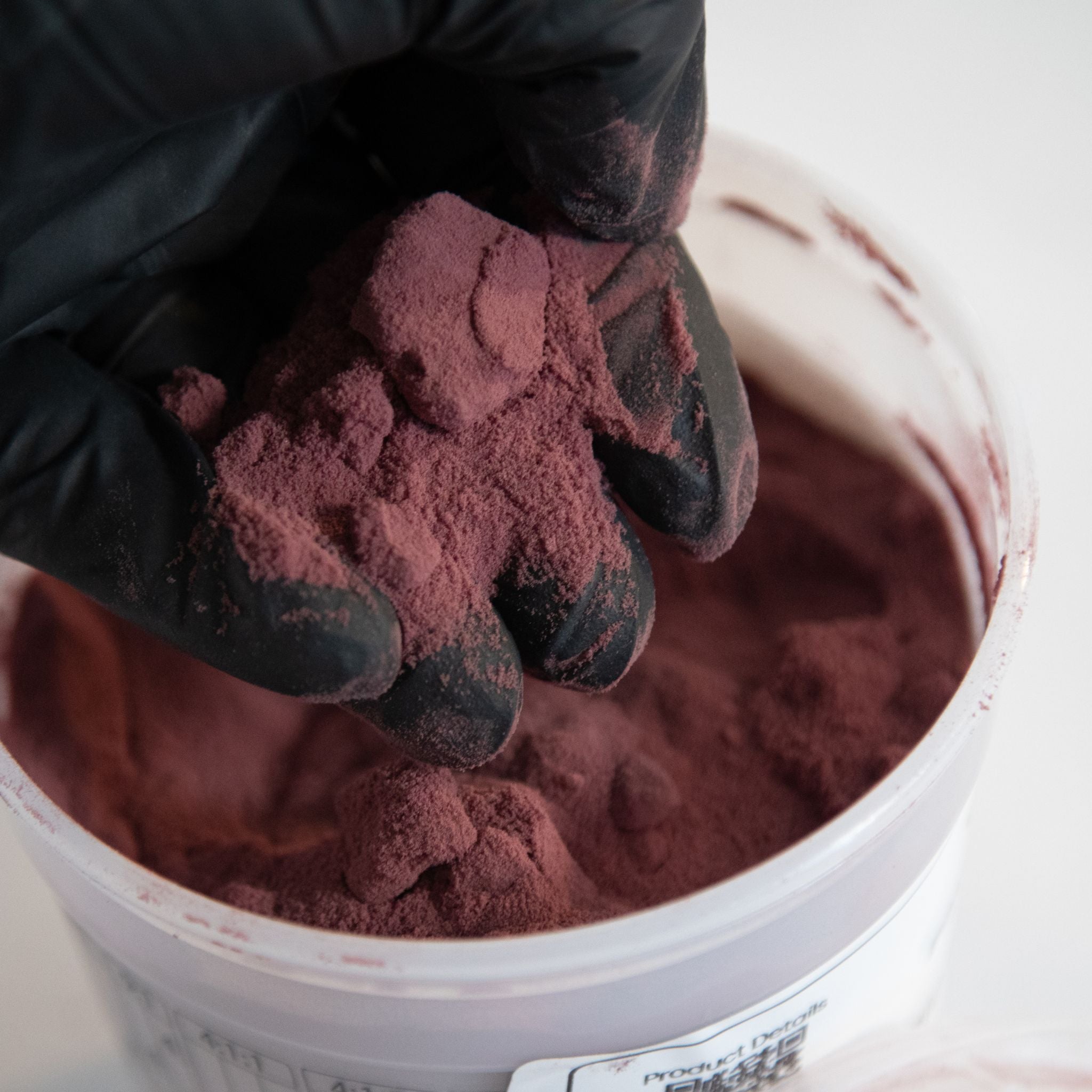
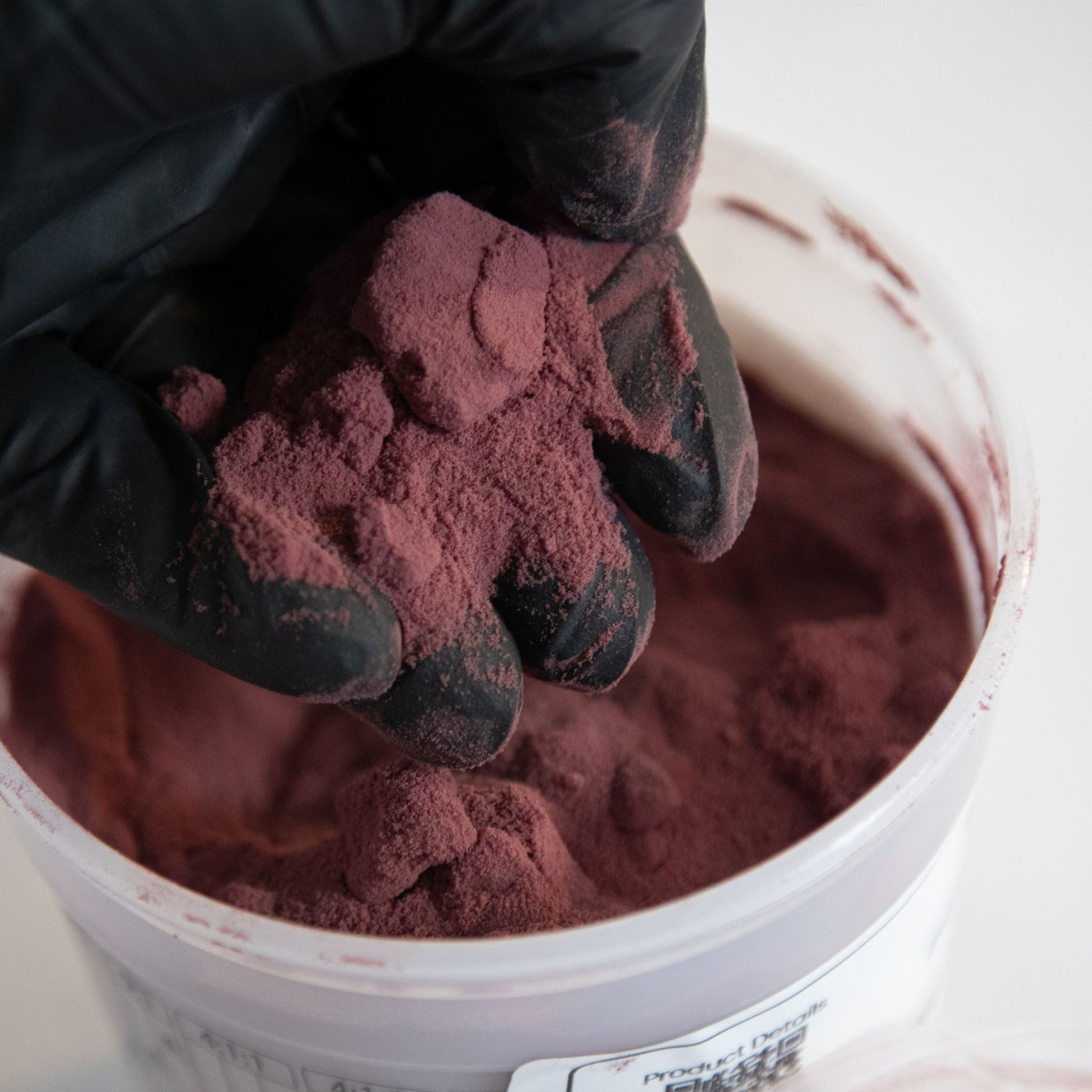
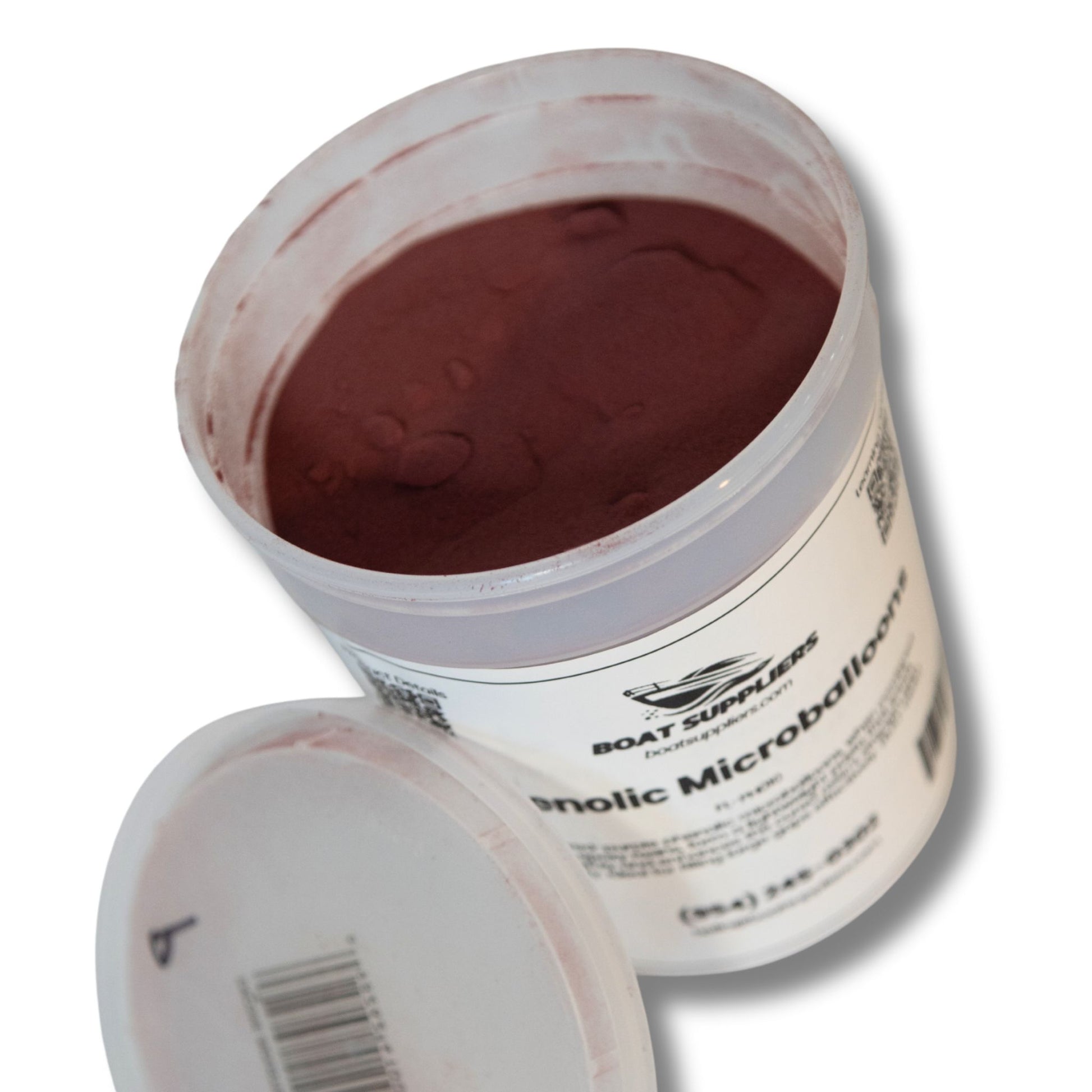
Phenolic microballoons make a low-cost, ultra-light fairing and void-filling putty in epoxy or polyester. Sand very easily; cure reddish-brown, so best under paint.

Phenolic microballoons are the classic reddish-brown fairing filler: they bulk out epoxy or polyester into a light, sandable paste for shaping and smoothing on hull and deck. They sand easier than fumed silica and add no structural strength. Compare your options in microballoon vs Cabosil fillers.

(Epoxy or Polyester Resin Compatible)

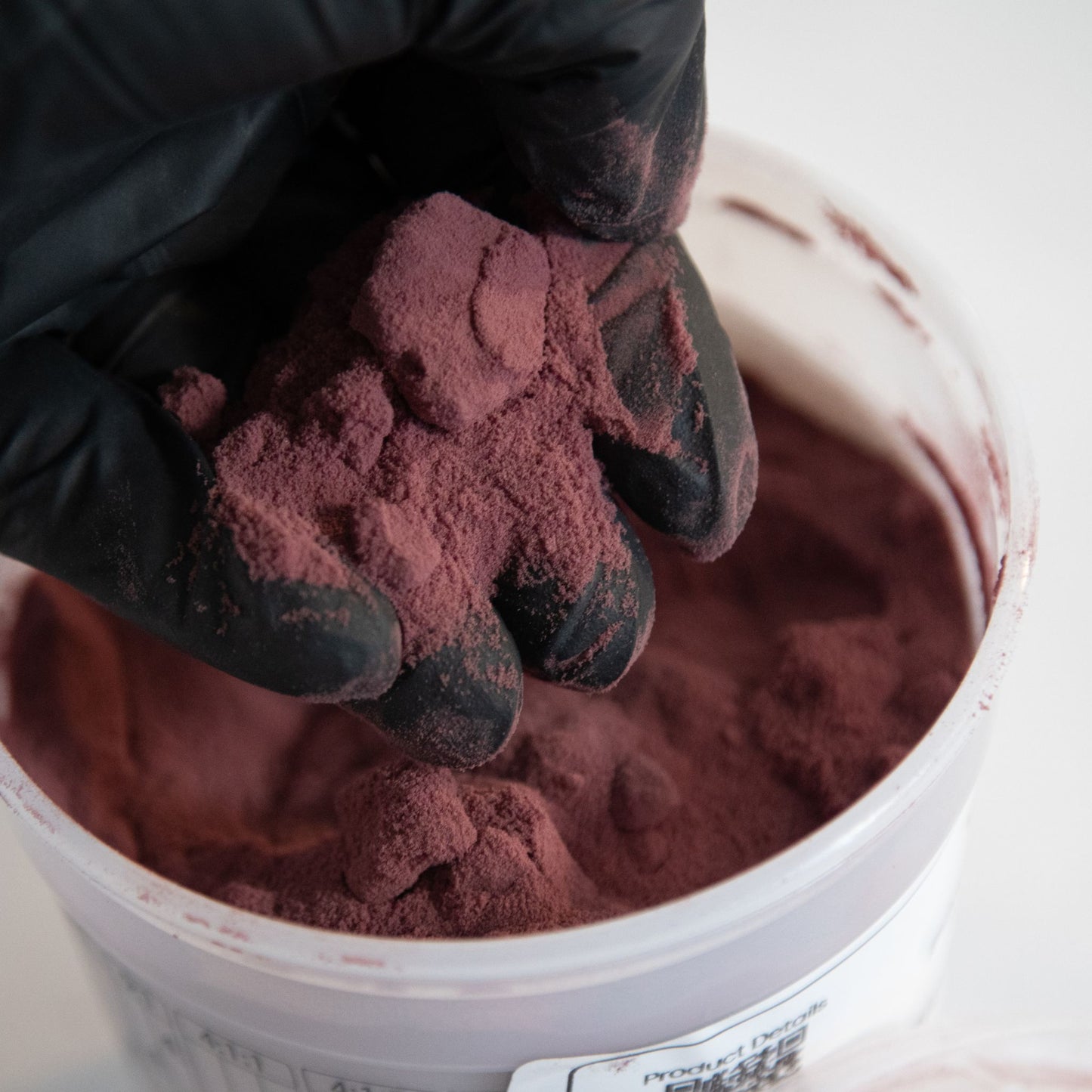
Phenolic microballoons are ultra-lightweight, hollow microspheres made from phenolic resin, designed for creating fairing and low-density filler compounds in boatbuilding and composite work. Their excellent sanding properties make them ideal for surface smoothing and cosmetic applications.

  • Fairing compound and low-density filler for cosmetic repairs
  • Hollow phenolic microspheres
  • Epoxy and polyester resins
  • For a fairing mix with a peanut butter-like consistency, combine approximately 1 quart of epoxy with 2 quarts of phenolic microballoons
  • Reddish-brown
  • Very low, reduces overall weight of the cured compound
  • Gradually stir microballoons into mixed resin to avoid clumping and air bubbles. Not suitable for structural bonding—combine with other fillers like colloidal silica if added strength is needed.

Phenolic microballoons are an essential fairing filler for boaters seeking a smooth, easily sanded finish on hulls, decks, and topsides, while minimizing added weight.

Phenolic Microballoons

  • Hollow phenolic-resin microballoons, the most economical microsphere
  • Ultra-light fairing and void-filling putty in epoxy or polyester
  • Thickens fast and sands very easily
  • Reddish-brown color, best under paint or primer
  • Add slowly to mixed resin to your target consistency
  • Made in USA, low density for weight-sensitive fills
View full details

Overview


Phenolic microballoons are hollow phenolic-resin spheres that make a low-cost, ultra-light fairing and void-filling putty. Mixed into epoxy or polyester they thicken fast to a buttery, easy-sand compound for filling weave, fairing low spots and packing voids where weight matters.

They are the most economical microsphere we stock and sand very easily, but they cure a reddish-brown, so they telegraph through light gelcoat and thin primer. Use them where the fairing gets painted over or sits under a topcoat, not where the finish color needs to stay light.

Add to mixed resin a little at a time until the paste holds a trowel edge. Made in the USA. Stocked from quart to 4-gallon pail.

Technical Specifications


Made in USANon-Hazmat: Ships GroundWorks with Epoxy, Polyester, Vinyl Ester
MaterialPhenolic resin hollow microspheres (microballoons)
GradeBJO-0930 (Phenoset)
Filler TypeLightweight fairing filler
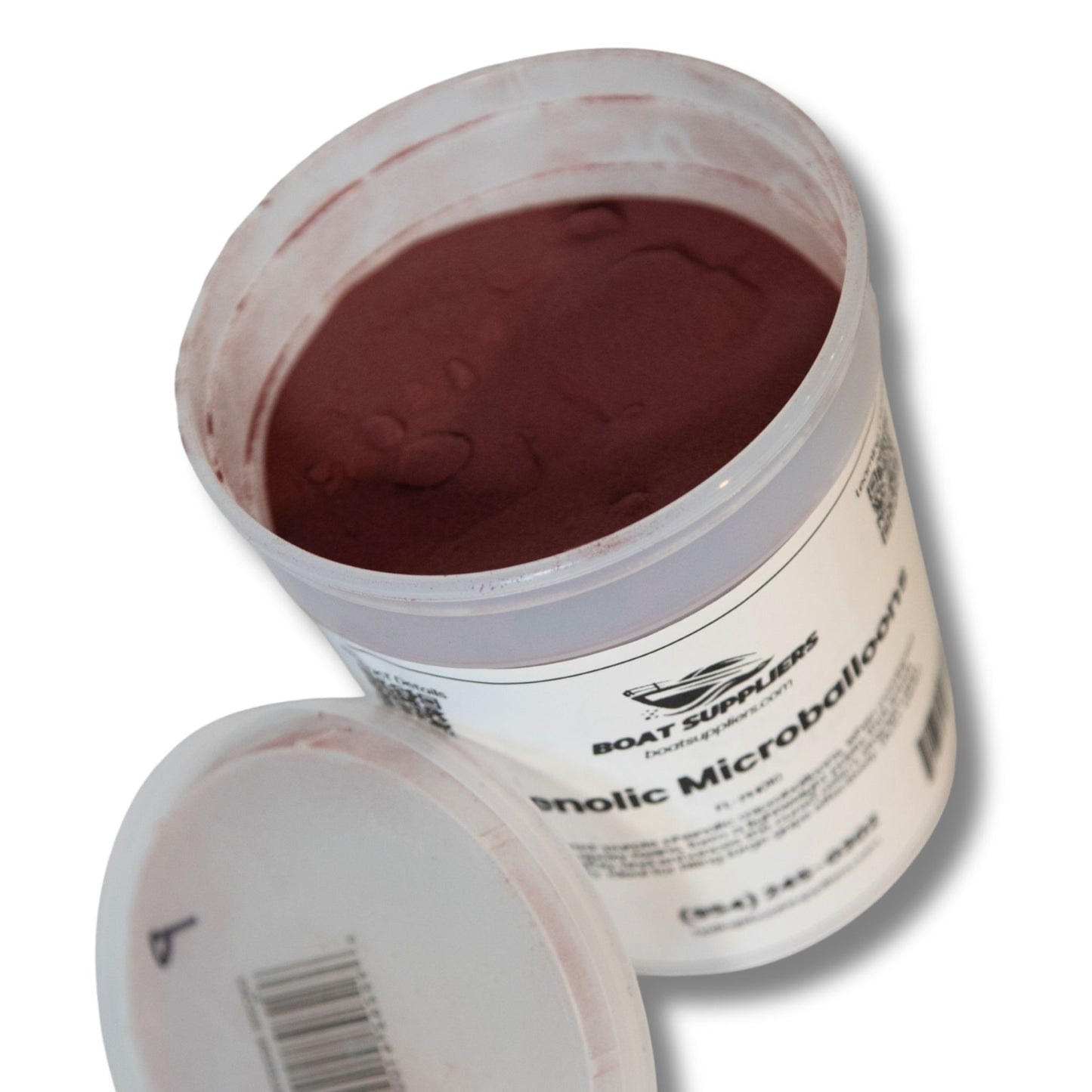
Physical FormFree-flowing reddish-brown powder
ColorReddish-brown
Density ClassLight
SandabilityEasy
Compatible ResinsEpoxy, Polyester, Vinyl Ester
Particle SizeMean approx 60 microns (laser); approx 90 microns (sieve)
True DensityApprox 0.23 g/cc (particle, liquid displacement)
Crush Strength350 psi (average hydrostatic)
CAS Number9003-35-4
Country of OriginUSA
Regulatory StatusNon-hazardous, not regulated for transport

Compare Fillers


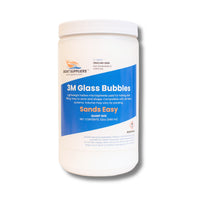
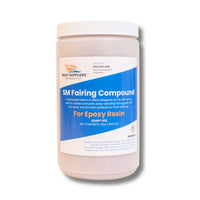
ProductPhenolic MicroballoonsPhenolic MicroballoonsYou're viewingfrom $18.95 Q-CellsQ-Cellsfrom $7.95 3M Glass Bubbles3M Glass Bubblesfrom $7.95 Boat Suppliers Fairing CompoundBoat Suppliers Fairing Compoundfrom $13.95
Best forLightweight fairing fillerLightweight fairing fillerLightweight fairing fillerPre-blended fairing compound
DensityLightLightLightLight
SandabilityEasyEasyEasyEasy
ResinsEpoxy, Polyester, Vinyl EsterEpoxy, Polyester, Vinyl EsterEpoxy, Polyester, Vinyl EsterEpoxy
MaterialPhenolic resin hollow microspheres (microballoons)Hollow borosilicate glass microspheresSoda-lime-borosilicate hollow glass microspheresIn-house blend of fumed silica, phenolic microballoons and 3M glass bubbles
SelectedViewViewView
Phenolic Microballoons Filler

Phenolic microballoons are lightweight, hollow spheres made from phenolic resin. They are commonly used as a filler material in boatbuilding and composite repair to create fairing compounds, lightweight putties, and to reduce resin density.

In boating, phenolic microballoons are often mixed with epoxy resin to create a fairing compound that is easy to sand and shape. This mixture is ideal for smoothing hulls, decks, and other surfaces before painting or finishing.

To use phenolic microballoons, mix them gradually into a two-part epoxy resin until you reach the desired consistency—typically a peanut butter-like texture for fairing applications. Always follow your epoxy manufacturer’s instructions for mixing ratios.

You can also use our Epoxy Calculator to help you determine the right quantities.

No, phenolic microballoons are designed for fairing and cosmetic work, not for structural bonding or load-bearing applications. For structural repairs, use a high-strength filler like colloidal silica.

  • Extremely lightweight
  • Easy to sand once cured
  • Low density, which reduces overall weight of the project
  • Excellent for fairing and cosmetic applications

They can be used with both epoxy and polyester resins, although they are more commonly paired with epoxy for superior bonding and moisture resistance.

Match the filler to the job, and keep strength fillers below the surface with fairing fillers on top:

  • Bonding and structural fillets: use a high-density or fiber filler like colloidal silica (Cabosil), milled fiber, or microfibers, which cure hard and strong.
  • Fairing and shaping: use a low-density filler like phenolic microballoons, glass bubbles, or a fairing compound, which sand and feather easily.

Adhesive, high-density fillers like colloidal silica and microfibers make a hard, strong mix for bonding and structural filleting, but they are tough to sand. Fairing, low-density fillers like microballoons and glass bubbles make a light, soft mix that sands and feathers easily for a smooth surface, but they are not structural. Use adhesive fillers for strength and fairing fillers for finish.

There is no fixed ratio. Mix the resin and hardener fully first, then stir in filler a little at a time until you reach the consistency the job needs:

  • Ketchup consistency: for a coating or pre-coat that still flows.
  • Mayonnaise consistency: for bonding parts together.
  • Peanut-butter consistency that holds a peak: for filleting and gap-filling.

Low-density microsphere fillers sand the easiest. Phenolic microballoons, 3M glass bubbles, and lightweight blends like our fairing compound or West System 410 Microlight feather to a fine edge and carve with little effort once cured. They trade strength for sandability, so use them above the structural layer for shaping and smoothing, not for bonding or load-bearing fillets.

Some are. High-density and fiber fillers like colloidal silica, milled glass fiber, and microfibers add real strength and are made for bonding and load-bearing fillets. Low-density fairing fillers like microballoons and glass bubbles are not structural; they are for shaping and fairing only. Build strength with a high-density filler first, then fair over it with a low-density filler.