


SKU:FL-3M010
In stock
Couldn't load pickup availability
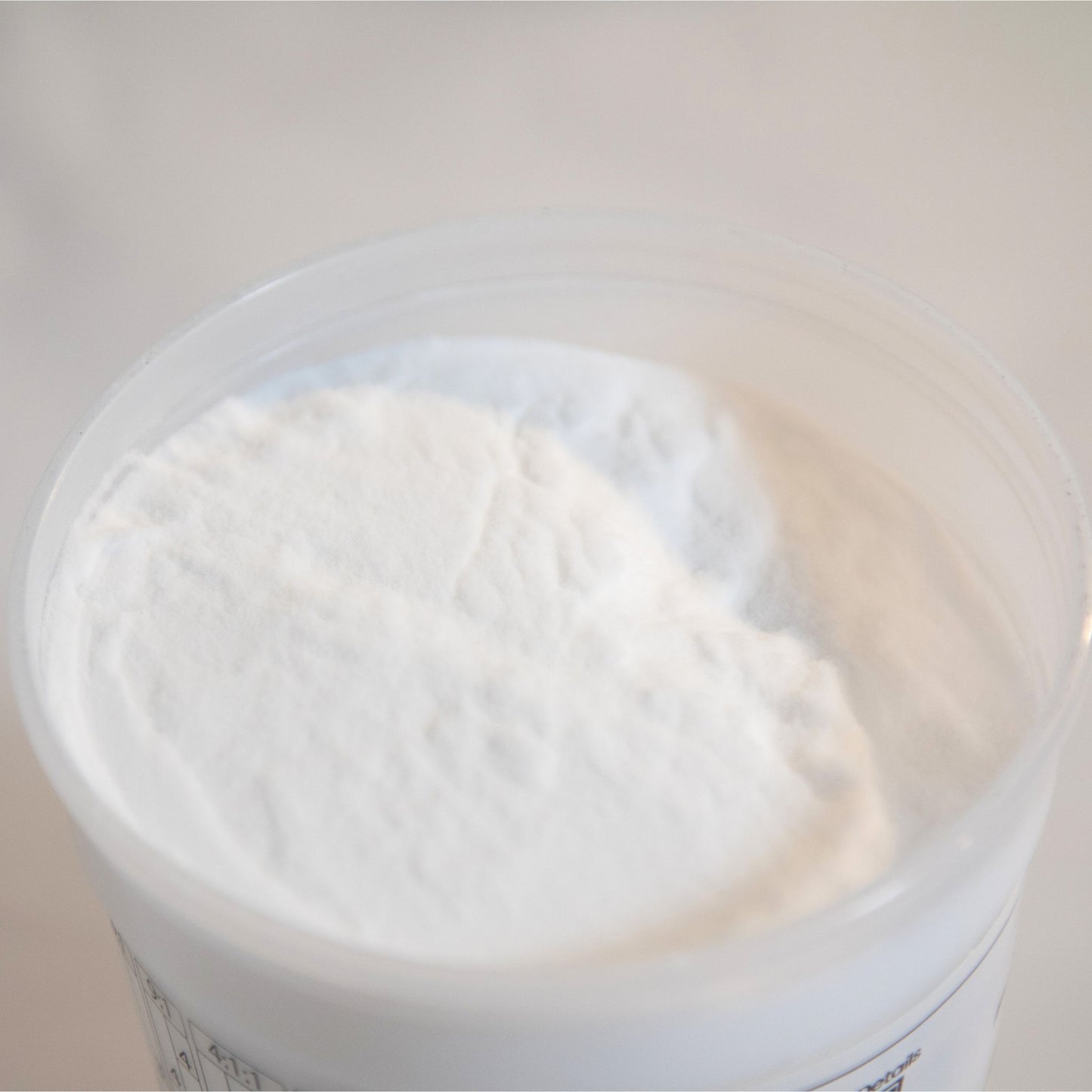
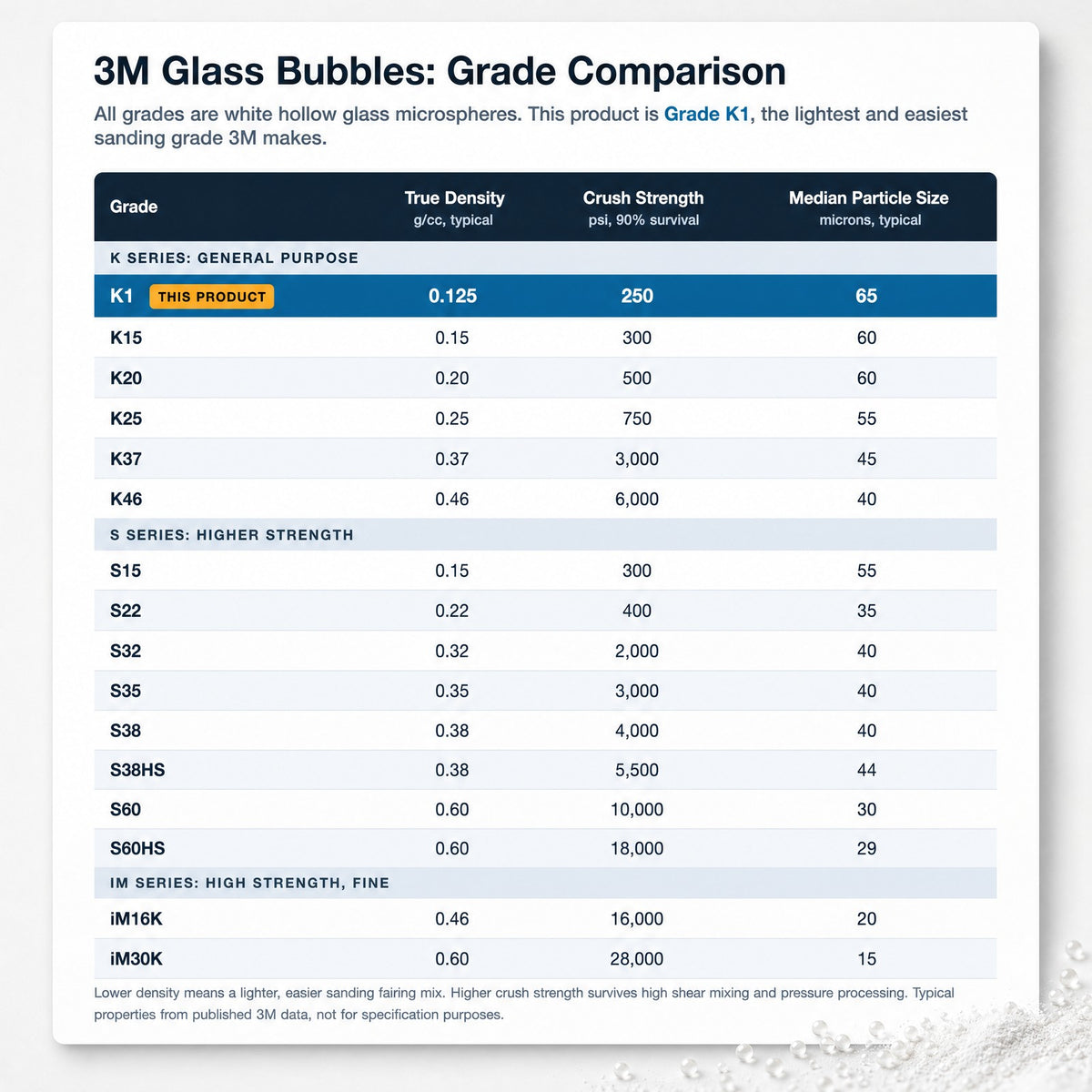
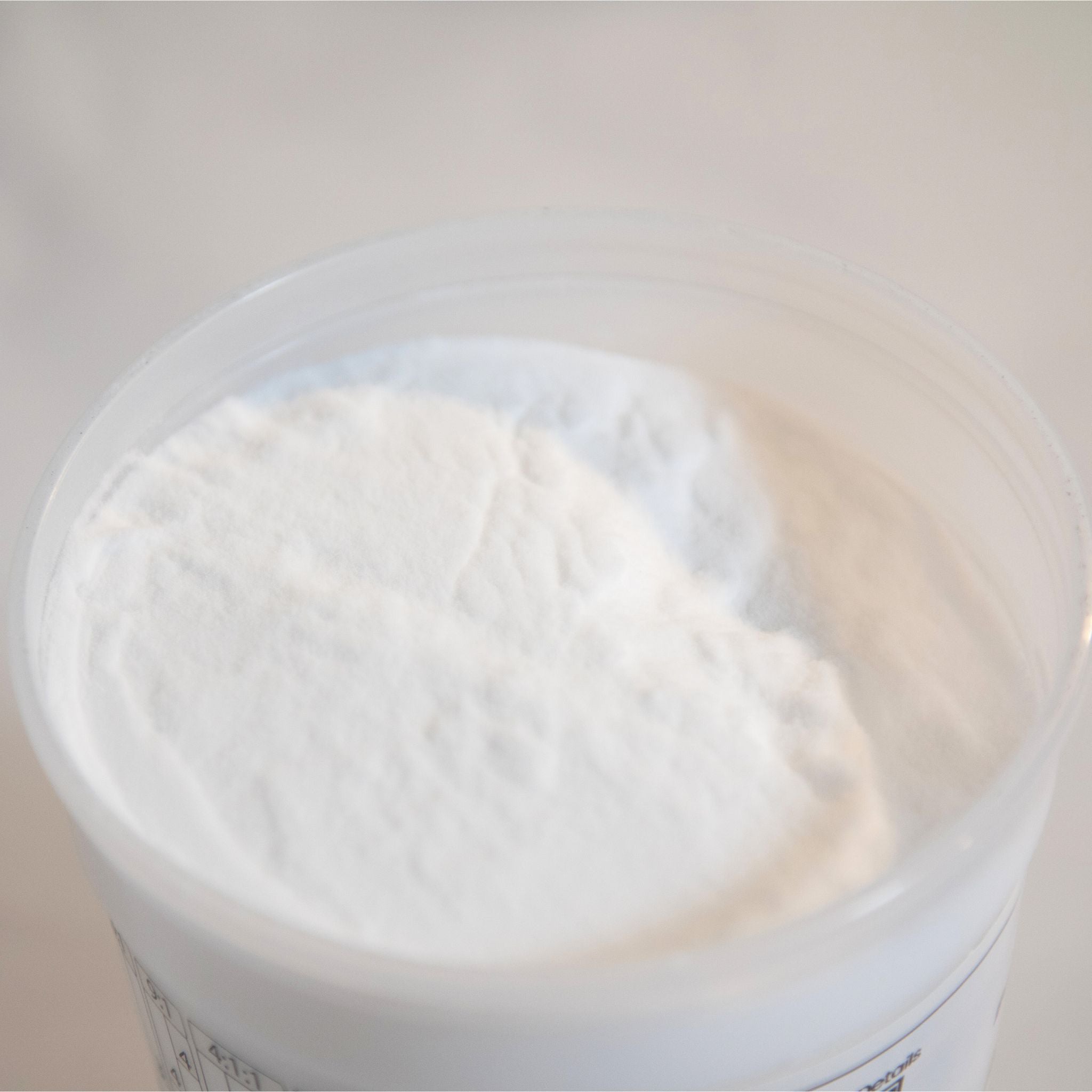
3M K1 glass bubbles are the lightest filler we carry: hollow soda-lime-borosilicate microspheres at 0.125 g/cc true density. Mixed into epoxy, polyester or vinyl ester they make a fairing putty that cuts quickly with 80 grit, so the afternoon goes into shaping the hull side instead of fighting the sanding board.
Use them for
- Fairing hull sides and filling low spots in a deck, above the waterline
- Skim coats you will sand by hand
- Lightening a fillet mix so the cured fillet can still be sanded
Not for
- Structural adhesive or high-load bonds. The low crush strength that makes them sand easily keeps them out of load paths; use fumed silica, milled fiber or cotton flock there.
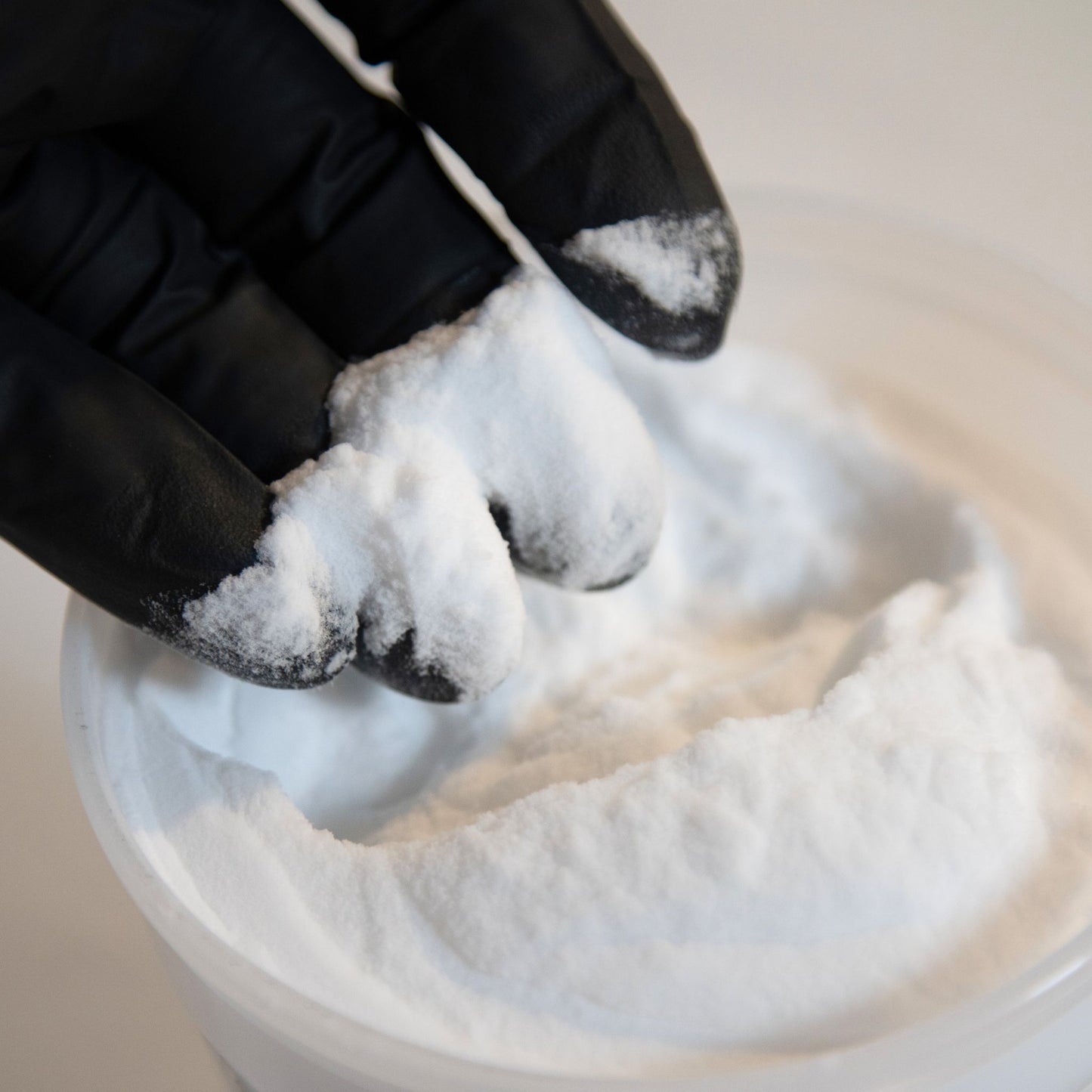
Add them to resin that already has its hardener or catalyst in it and mix to a peanut-butter consistency before you trowel. The epoxy filler consistency chart shows where they sit against the other fillers.
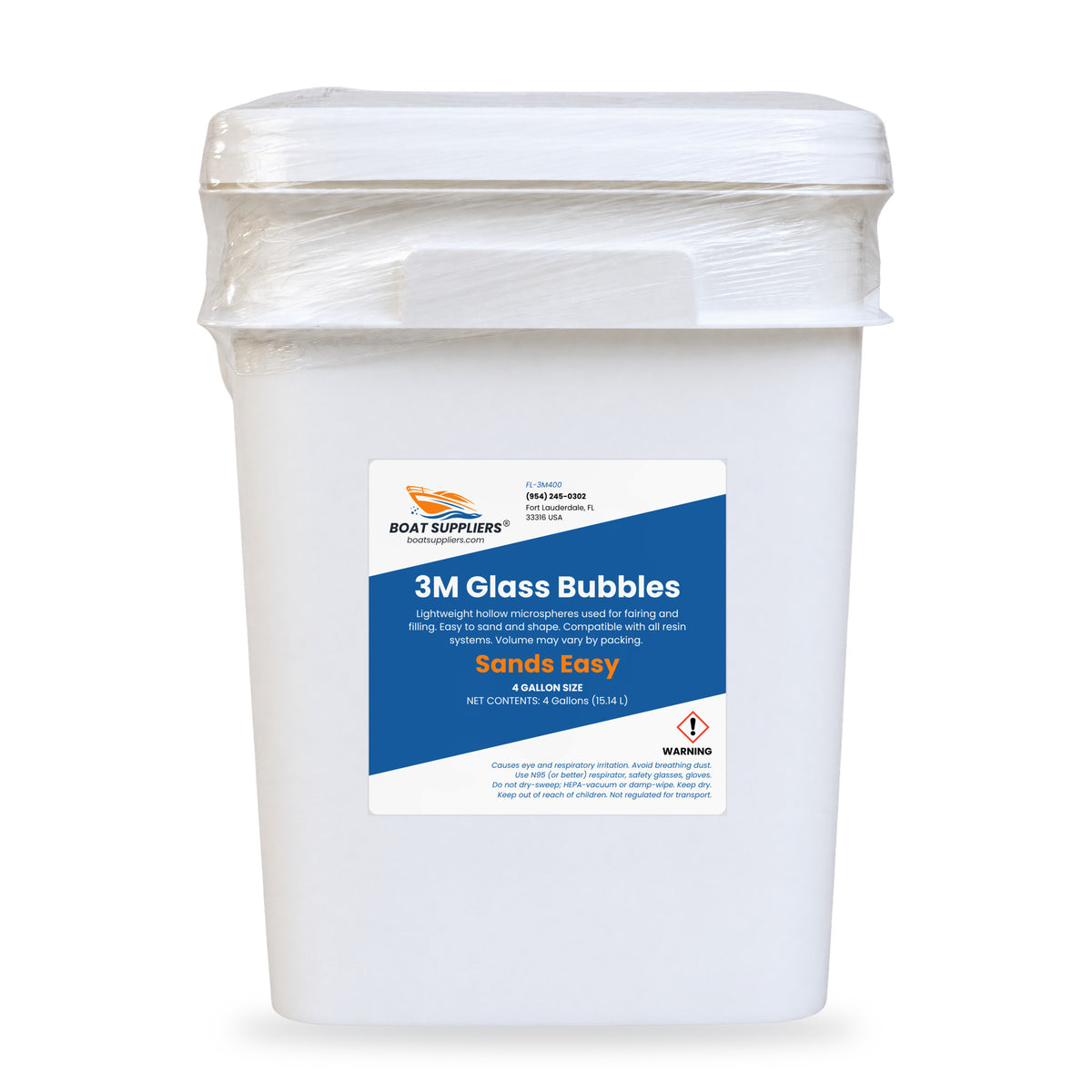
Sizes run from a 1 quart jar for a repair through 5 quart and 4 gallon to a 40 lb box for a full fairing job. The dry powder is fine enough to hang in the air of a closed shop, so wear a P100 while you handle it.
Features



Overview
3M Glass Bubbles are precision-made hollow glass microspheres, the premium step up from commodity Q-cells when you want a lightweight fairing compound that sands clean and stands up to moisture. Stir them into epoxy, polyester or vinylester to build a low-density putty for fairing hulls, decks and transoms.
The soda-lime-borosilicate glass shell is stronger and more uniform than generic microspheres, so the cured fairing is consistent, feathers to a fine edge, and resists crushing when you work a long board over it. A little resin wets out a lot of filler, so a bag goes a long way.
If you fair for a living or want the best surface under high-build primer, this is the filler to spec. Made by 3M in the USA. Stocked from quart up to the 4-gallon pail.
Technical Specifications
Net Weight by Size
Compare Fillers
| Product | 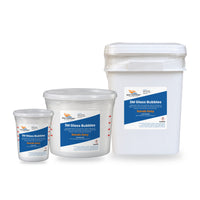 3M Glass BubblesYou're viewingfrom $9.95 3M Glass BubblesYou're viewingfrom $9.95
|  Q-Cellsfrom $8.95 Q-Cellsfrom $8.95
|  Phenolic Microballoonsfrom $18.95 Phenolic Microballoonsfrom $18.95
|  Boat Suppliers Fairing Compoundfrom $13.95 Boat Suppliers Fairing Compoundfrom $13.95
|
|---|---|---|---|---|
| Best for | Lightweight fairing filler | Lightweight fairing filler | Lightweight fairing filler | Pre-blended fairing compound |
| Density | Light | Light | Light | Light |
| Sandability | Easy | Easy | Easy | Easy |
| Resins | Epoxy, Polyester, Vinyl Ester | Epoxy, Polyester, Vinyl Ester | Epoxy, Polyester, Vinyl Ester | Epoxy |
| Material | Soda-lime-borosilicate hollow glass microspheres | Expanded perlite (sodium potassium aluminum silicate) | Phenolic resin hollow microspheres (microballoons) | In-house blend of fumed silica, phenolic microballoons and 3M glass bubbles |
| View | View | View |
What are 3M Glass Bubbles used for?
What size and grade are 3M Glass Bubbles?
How do 3M K1 glass bubbles compare to 3M G18/500?
How do 3M Glass Bubbles differ from generic microballoons?
Are 3M glass bubbles easy to sand?
Which resins work with 3M glass bubbles?
Do 3M glass bubbles ship by ground?
Which epoxy filler do I use for fairing, bonding, or filleting?
What's the difference between a fairing filler and an adhesive filler?
How much filler do I add to epoxy or polyester resin?
Which filler makes the easiest-to-sand fairing compound?
Are epoxy fillers structural?
Guides for this product

Microballoons vs Cabosil: Which Filler Do You...
Microballoons vs Cabosil: Which Filler Do You...
