Boat Suppliers

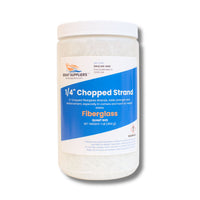
1/4" Chopped Strand Fiberglass

1/4" Chopped Strand Fiberglass

SKU:SM-CH141

Regular price $13.95 USD
Sale price $13.95 USD Regular price $7.74 USD
Unit price $13.95  per  lb
Sale Sold out
Shipping calculated at checkout.

42 in stock

Size: 1 LB Tub
Earn 13 Boat Points Learn More
Ships Today if ordered before 4pm Learn More
Free Shipping on orders over $99 Learn More

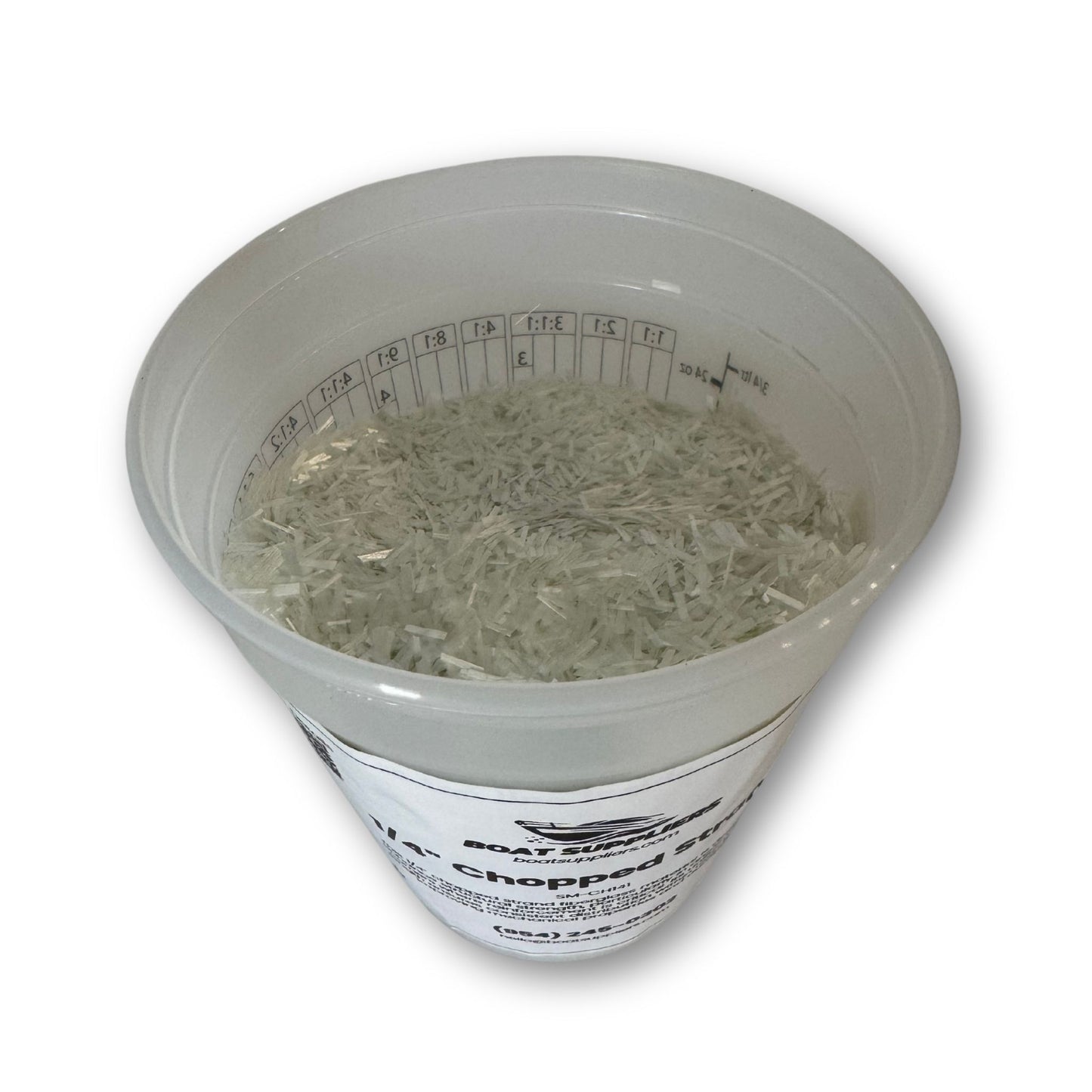
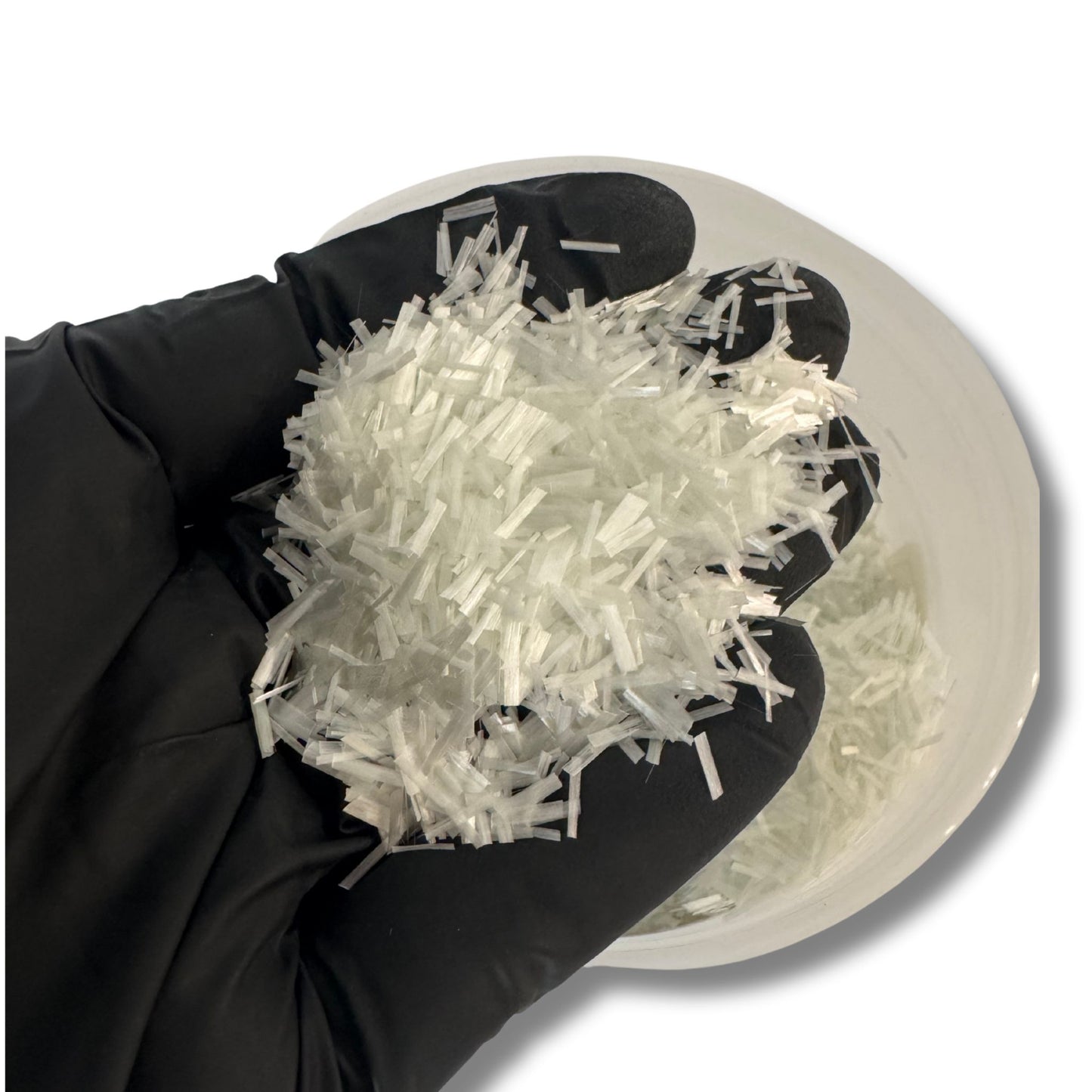
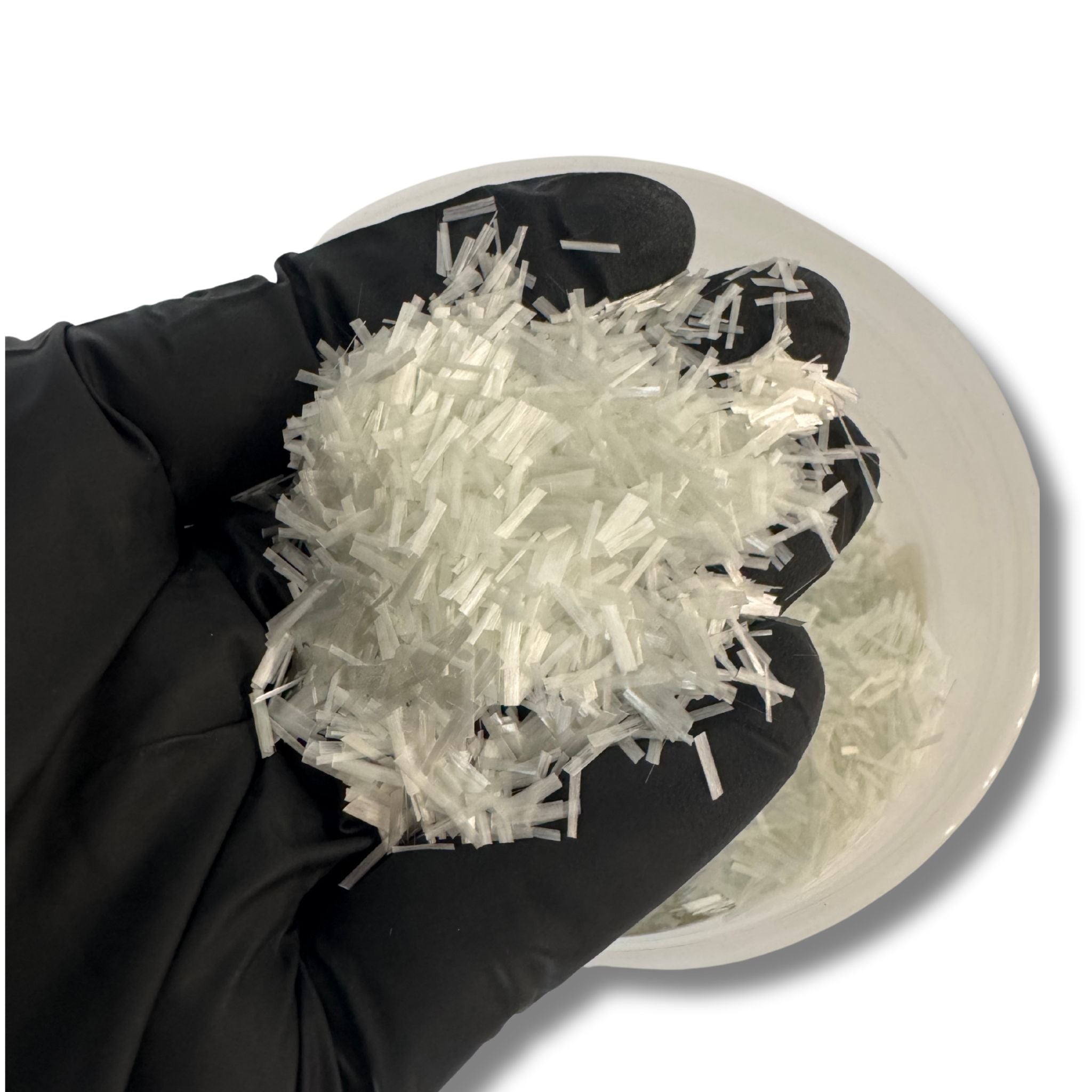
Loose 1/4 inch E-glass fiber that adds real tensile and impact strength to epoxy or polyester bonds, castings and putties. Reinforces where fumed silica only thickens.

Ideal for composite fabrication, it offers excellent bonding and impact resistance, making it a reliable choice for demanding applications requiring added toughness and stability. Whether used in marine, automotive, or industrial projects, this chopped strand fiberglass provides a robust solution to reinforce complex shapes and improve overall performance.

  • 1/4 inch chopped E-glass fiber for resin reinforcement
  • Adds tensile and impact strength, not just thickening
  • For high-load fillets, thick bonds and gap fills
  • Mixes into epoxy, polyester or vinylester
  • Blend with fumed silica for strength plus non-sag
  • 1 lb tub up to 50 lb box
View full details

Overview


Quarter-inch chopped strand is loose E-glass fiber you mix into epoxy or polyester to add real tensile and impact strength to a bond, casting or putty. Where fumed silica only thickens, chopped strand reinforces, so it is the additive for high-load fillets, thick bonds and gaps that have to take a hit.

The 1/4 inch length builds strength while still mixing and troweling reasonably, which makes it a solid all-around structural filler. Blend it with fumed silica when you want both strength and non-sag control in the same mix.

Stocked from a 1 lb tub up to a 50 lb box for production work.

Technical Specifications


Works with Epoxy, Polyester, Vinyl Ester
Material1/4 inch chopped E-glass fiber
Filler TypeChopped strand reinforcement
Physical FormLoose chopped glass fibers
ColorWhite
Density ClassMedium
SandabilityNot for fairing
Compatible ResinsEpoxy, Polyester, Vinyl Ester

Compare Fillers


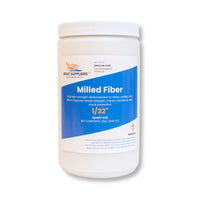
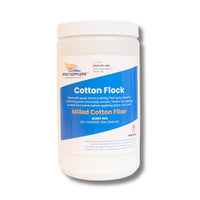
Product1/4" Chopped Strand Fiberglass1/4" Chopped Strand FiberglassYou're viewingfrom $13.95 1/2" Chopped Strand Fiberglass1/2" Chopped Strand Fiberglassfrom $13.95 1/32" Milled Fiber1/32" Milled Fiberfrom $8.95 Cotton FlockCotton Flockfrom $6.90
Best forChopped strand reinforcementChopped strand reinforcementThickening / reinforcing fillerStructural / gap-filling reinforcement
DensityMediumMediumMediumLight
SandabilityNot for fairingNot for fairingModerateNot for fairing
ResinsEpoxy, Polyester, Vinyl EsterEpoxy, Polyester, Vinyl EsterEpoxy, Polyester, Vinyl EsterEpoxy, Polyester, Vinyl Ester
Material1/4 inch chopped E-glass fiber1/2 inch chopped E-glass fiberMilled E-glass fiber (1/32 in)Cotton fiber flock (cellulose)
SelectedViewViewView
Fiberglass Chopped Strand

It is loose, 1/4 inch chopped E-glass fiber that you mix into resin to add strength, build thickness, and reinforce repairs, fillets, and bonds. It is a structural filler rather than a fairing filler.

1/4 inch chopped strand uses longer fibers for more tensile strength and crack resistance, while milled fiber is a fine powder used more for thickening and reinforcing thin layers. Reach for chopped strand where you want maximum added strength in a fillet or bond, and reach for milled fiber where you want body with an easier, smoother mix.

It works with epoxy, polyester, and vinyl ester resin. Epoxy is the usual pick for structural bonds and wood, while polyester and vinyl ester suit production and gelcoat repair. Stir the chopped strand into catalyzed resin to a thick, fiber-rich paste right before use, since pot life shortens as you add fiber.

Not really. It is a structural reinforcement, not a fairing filler: the fibers make a tough mass that does not sand cleanly. The right sequence is to reinforce with chopped strand first, then fair over it with a lightweight filler once it has cured.

Add chopped strand to mixed resin until you reach a thick, fiber-rich paste. More fiber gives more strength but a stiffer, harder-to-work mix, while less fiber gives a smoother, easier mix with less reinforcement. For structural fillets and bonds, go fiber-heavy; for general gap-filling, keep it looser.

Match the filler to the job, and keep strength fillers below the surface with fairing fillers on top:

  • Bonding and structural fillets: use a high-density or fiber filler like colloidal silica (Cabosil), milled fiber, or microfibers, which cure hard and strong.
  • Fairing and shaping: use a low-density filler like phenolic microballoons, glass bubbles, or a fairing compound, which sand and feather easily.

Adhesive, high-density fillers like colloidal silica and microfibers make a hard, strong mix for bonding and structural filleting, but they are tough to sand. Fairing, low-density fillers like microballoons and glass bubbles make a light, soft mix that sands and feathers easily for a smooth surface, but they are not structural. Use adhesive fillers for strength and fairing fillers for finish.

There is no fixed ratio. Mix the resin and hardener fully first, then stir in filler a little at a time until you reach the consistency the job needs:

  • Ketchup consistency: for a coating or pre-coat that still flows.
  • Mayonnaise consistency: for bonding parts together.
  • Peanut-butter consistency that holds a peak: for filleting and gap-filling.

Low-density microsphere fillers sand the easiest. Phenolic microballoons, 3M glass bubbles, and lightweight blends like our fairing compound or West System 410 Microlight feather to a fine edge and carve with little effort once cured. They trade strength for sandability, so use them above the structural layer for shaping and smoothing, not for bonding or load-bearing fillets.

Some are. High-density and fiber fillers like colloidal silica, milled glass fiber, and microfibers add real strength and are made for bonding and load-bearing fillets. Low-density fairing fillers like microballoons and glass bubbles are not structural; they are for shaping and fairing only. Build strength with a high-density filler first, then fair over it with a low-density filler.