Which fiberglass to buy, by job
Buy the fabric that matches the load. Woven roving and biaxial stitched fabric carry the structure in hulls, decks, stringers and bulkheads; chopped strand mat (CSM) is the low-cost backing layer for polyester and vinyl ester work; fiberglass cloth gives you the smooth finish ply and handles light cosmetic repairs. Below we cover each fabric, the resins it takes, and how to prep, lay up and maintain the job.
What fiberglass is
On a boat, fiberglass means a composite: very fine glass strands, either woven into a fabric or laid down as a layered mat, locked inside cured resin. That resin is normally polyester, vinyl ester or epoxy. The finished laminate is light, tough and can be molded to almost any shape, which is exactly what a hull needs.
Where most builds start
-

1708 Biaxial Fiberglass
Regular price From $12.95 USDSale price From $12.95 USD Regular priceUnit price $12.95 per yd -

6oz Fiberglass E Cloth
Regular price From $10.95 USDSale price From $10.95 USD Regular priceUnit price $10.95 per yd -

1.5oz Fiberglass Chopped Strand Mat
Regular price From $6.45 USDSale price From $6.45 USD Regular priceUnit price $6.45 per yd -

Marine-Grade Polyester Layup Resin with Hardener
Regular price From $34.95 USDSale price From $34.95 USD Regular priceUnit price $1.09 per floz


Why builders and owners pick it
- Long life: it will not corrode or rot, and it stands up to UV damage.
- Low weight: lighter parts are easier to handle and burn less fuel.
- Shapes well: it molds into compound shapes and contours.
- Easy to fix: a damaged section can be patched and reinforced.
- Little upkeep: nothing on it can rust, and there is no wood to rot.
Quick reference: fiberglass buyer's guide by type and job
| Fiberglass type | Best for | Strength and handling | Polyester or vinyl ester | Epoxy |
|---|---|---|---|---|
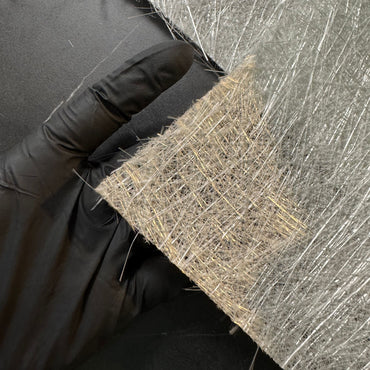
| Chopped strand mat (CSM) | Hull repairs, backing layers, between stronger layers | Conforms to curves; not for structural work | Yes | Yes, stiffer in epoxy |
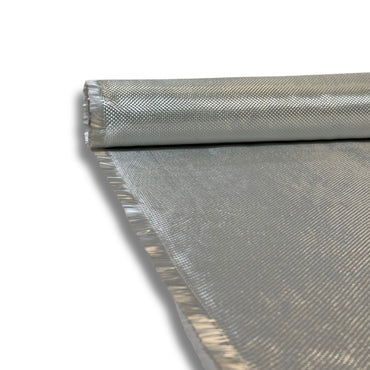
| Woven roving | Strength-critical areas like hulls and decks | Strong and thick; harder in tight curves | Yes | Yes |
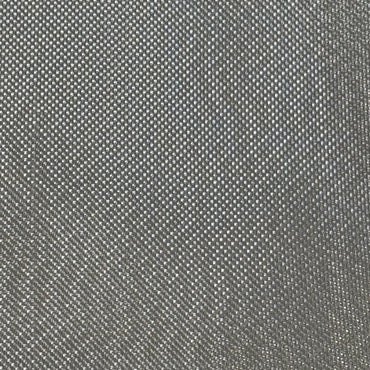
| Fiberglass cloth, 4 oz to 40 oz | Finishing layers, light cosmetic repairs, surfboards | Smooth finish, easy to sand; lower strength | Yes | Yes |
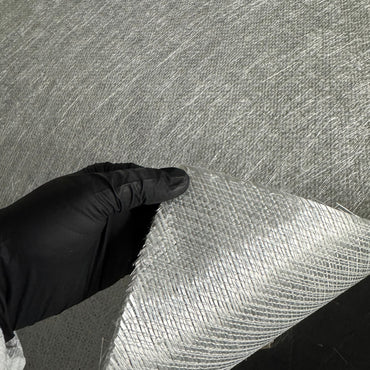
| Biaxial (stitched fabric) | Stringers, bulkheads, structural reinforcement | Strong without bulk; slightly harder to wet out | Yes | Yes |
The fabrics, one by one
Every reinforcement does one job better than the rest. Here is how they compare on strength, handling and resin.

Chopped Strand Mat (CSM)
CSM is short glass fibers laid down at random and held in a sheet by a polyester powder binder. We carry it in a range of weights and widths. Polyester and vinyl ester resins dissolve that binder, so the mat goes soft and drapes easily. Epoxy does not, but our mat still works with epoxy for repairs, tabbing, and flat or gently curved panels: it stays stiffer, does not drape as easily into tight curves, and can cure cloudy instead of clear.
- Build: random glass fibers locked together by a binder.
- Upside: cheap, simple to work, follows curves well.
- Downside: weaker than the woven fabrics, so it does not belong in structural work.
- Where it goes: hull repairs, backing plies, and as the layer laminated between stronger fabrics.
- Resin: polyester or vinyl ester, or epoxy on flat or gently curved work (the mat stays stiffer in epoxy).

Woven Roving
- Build: heavy glass yarns woven in a coarse crisscross.
- Upside: strong and thick, so laminate thickness comes up fast.
- Downside: stiff, and it fights you in tight curves.
- Where it goes: hulls, decks and any area where strength comes first.
- Resin: epoxy, polyester or vinyl ester.
Fiberglass Cloth

Cloth is the usual pick for the last ply on the outside. The lighter weights go clear when they wet out, which opens up a lot of finish options on any project. We stock woven cloth in many widths and weights, from 4oz up to 40oz.
- Build: a thin fabric with a fine, tight weave.
- Upside: leaves a smooth surface that sands and shapes easily.
- Downside: less structural strength than the heavier fabrics.
- Where it goes: finish plies, light cosmetic repairs and surfboard builds.
- Resin: epoxy, polyester or vinyl ester.
Need a part that is light but still very strong? Look at our Forged Carbon Fiber Starter Kit or a bag of 1/2" Chopped Carbon Fiber.

Biaxial Fiberglass (stitched fabric)
- Build: layers of non-woven glass stitched together, running in more than one direction.
- Upside: very high strength with good flex, and no extra bulk.
- Downside: costs more and takes a bit more work to wet out.
- Where it goes: stringers, bulkheads and structural reinforcement.
- Resin: epoxy, polyester or vinyl ester.
Specialty fabrics
This group covers S-glass, carbon fiber hybrids and the other high-performance weaves.
- Upside: outstanding stiffness, and strength for their weight.
- Downside: expensive, and many need a specialty resin.
- Where it goes: race boats, custom builds and performance upgrades.
Matching the fabric to your project
No one fabric covers every job. Work through these questions before you choose your fiberglass and mat size:
- Does it carry load? Structural areas need a woven or stitched fabric.
- Does weight matter? When every ounce counts, go with cloth or carbon.
- What is the budget? CSM and woven roving cost the least; carbon fiber sits at the top of the range.
- Which resin are you running? Certain fabrics pair best with epoxy, others with polyester.
- What will it be exposed to? For parts that see sun or saltwater, use materials made for marine service.
Two resins we reach for:
- Thin Epoxy Resin System w/ Hardener: our pick for general repair and laminating.
- Clear Polyester Surfboard Resin: for finish work where UV clarity matters.
Not sure how much resin to order? Run the job through our Epoxy Calculator.
Prepping the boat before you lay glass
Most failed layups trace back to prep. Hurry it or skip a step and you are looking at delamination, a weak bond or a rough surface.
Gear to have on hand
- Reinforcement: cloth, mat or stitched fabric
- Resin: epoxy or polyester
- Brushes and rollers, plus stir sticks
- Containers to mix in
- Gloves, goggles and a respirator
Surface prep
- Clean: get every trace of dirt, wax, oil and salt off.
- Sand: scuff the surface so the resin has something to bite into.
- Degrease: wipe it down with acetone to lift leftover residue.
Measuring and cutting
- Dry fit: lay the fabric over the area first to check the fit.
- Cut clean: use sharp scissors or a rotary cutter.
- Mark each ply: labeled layers keep a multi-ply layup in order.
Laying up the glass, in order
With the prep done, the layup runs like this:
- Mix: measure to the exact ratio on the can.
- Prime: brush or roll a thin coat of resin onto the surface.
- Place the fabric: press it down into the wet resin.
- Wet out: work more resin in from above until the glass is fully wet.
- Add plies: repeat for more layers if the job needs them, letting each one partially cure first.
- Cure: leave it until it is completely hard before you go further.
- Sand and finish: fair it smooth, then paint or polish.
Planning the topcoat? Our Boat Paint Calculator tells you how much paint to buy.
Safety
- Keep plenty of fresh air moving through the work area.
- Wear PPE every time, and above all protect your eyes and lungs.
- Keep resins and solvents somewhere cool and dry.
Maintenance and repair
Even a well-built laminate picks up wear and damage with age. Catch it early and a small fix stays small.
Warning signs
- Cracks: check the stress points first.
- Blisters: usually water working its way into the laminate (osmosis).
- Delamination: plies coming apart from each other.
Fix it yourself or hire a shop?
- Yourself: small dings, blisters and cosmetic damage.
- A pro: structural cracks, large damaged areas and keel work.
For repair work, it pays to keep a Forged Carbon Fiber Starter Kit, a bag of 1/4" Chopped Carbon Fiber and a can of Clear Polyester Surfboard Resin on the shelf.
Short answers to common questions
Will any resin work with any fiberglass?
No. Epoxy generally works with every fiberglass type, binder-held CSM included, though that mat stays stiffer in epoxy (see above). Polyester does not always bond well to some fabrics.
How long does a fiberglass repair hold up?
Done with proper prep and the right materials, a repair can last as long as the original laminate.
Can I paint fiberglass?
Yes. Sand it lightly, prime it, then topcoat with a marine-grade paint.
Is fiberglass dangerous to work with?
Not if you take precautions: gloves, eye protection and a respirator any time you sand or handle resin.
Our recommendation
Fiberglass stays the backbone of boat building and repair because it is versatile, strong and easy to get. For a structural job such as a transom or stringer, lay up woven roving or biaxial fiberglass. For basic patching with polyester, chopped strand mat does the job. Finish with cloth. Before you mix anything, plan the material list: our resin-per-yard calculator guide shows how much resin your fabric will need.
When you are ready to order:
- Browse the full fiberglass supplies collection.
- Pick a resin from our resins and epoxy range.
- Work out quantities with the Epoxy Calculator and the Boat Paint Calculator.
From a small ding to a full transom, we carry the materials. Questions about your project? Contact our team and we will help you through it.
Frequently asked questions
Can I use chopped strand mat with epoxy resin?
Yes, with caveats. Standard chopped strand mat is held together with a dissolvable polyester powder binder. Polyester and vinyl ester resins dissolve that binder so the random fibers spread and wet out. Epoxy will not break the binder down, so the mat stays stiffer, does not drape as easily into tight curves, and can cure cloudy instead of clear. It still works with epoxy for repairs, tabbing, and flat or gently curved panels if you roll it firmly until no dry white fibers remain. For complex shapes, run CSM with polyester or vinyl ester, or reach for a stitched fabric like 1708 biaxial, woven roving or cloth when you are laminating with epoxy.
Which fiberglass should I use for a structural repair versus a finish layer?
For strength-critical areas like hulls, decks, stringers, and bulkheads, use woven roving or biaxial stitched fabric, which add strength without bulk. For the finish or a lightweight cosmetic repair, use fiberglass cloth: it is thin, finely woven, sands and shapes cleanly, and the lighter weights wet out clear. CSM works as a backing or interlaminar layer, not for load-bearing work.
What weight of fiberglass cloth should I start with?
Cloth runs from about 4oz up through 40oz, so pick by job. A 6oz cloth is the all-purpose starting weight: it wets out clear, sands easily, and suits finish coats, light cosmetic repairs, and surfboard builds. Step up to heavier woven roving or biaxial when you need bulk and strength fast, and drop to the lightest cloths only for clear cosmetic skins.
How do I prep a surface before laminating fiberglass?
Good prep prevents delamination and weak bonds. Clean off all dirt, wax, oil, and salt first. Scuff-sand the area so the resin can grip. Then degrease by wiping with acetone to pull any remaining residue. Dry-fit your cloth or mat over the area, cut it cleanly with sharp scissors or a rotary tool, and label your layers before you mix any resin.
What PPE do I need when sanding or handling fiberglass and resin?
Treat fiberglass dust and resin fumes as hazardous. Wear gloves, eye protection, and a respirator any time you sand or handle resin, and work in a well-ventilated space. A particulate-rated respirator (P100) handles sanding dust; add organic-vapor cartridges when fumes are in play. Store resins and solvents in a cool, dry place away from your work zone.
Shop the materials from this article
- 40 oz fiberglass cloth for maximum build in each layer.
- 8.9 oz S-glass cloth in a satin weave.
- our Boat Suppliers house brand.
- every fiberglass and carbon fabric we stock.
Prev post

Next post

How to Fix EPS Epoxy Surfboard
Updated on 30 June 2025