What Is Chopped Strand Mat? A Beginner's Guide to Fiberglass Mat

21 February 2026
We're diving into the basics of chopped strand mat (CSM)—also commonly referred to as fiberglass mat. Whether you're working on boat repairs, molds, or general fiberglass projects, understanding how CSM works is essential.
Quick reference: chopped strand mat weights, uses and resins
| Topic | Answer | Detail |
|---|---|---|
| What it is | Random glass fibers held by a binder | Most commonly used fiberglass reinforcement |
| Common weights | 3/4, 1, 1.5, 2 and 3 oz | Per square foot, not per square yard |
| Cured thickness per ply | 0.040 in for 1.5 oz mat | 0.020 in (3/4 oz), 0.055 in (2 oz) |
| Common use | First layer against the gelcoat | Reduces print-through |
| Mold made entirely of mat | 5 to 8 layers | For strength and thickness |
| Between layers of fiberglass cloth | Builds thickness | Where strength matters more than weight |
| Lightweight parts | Avoid it | Adds bulk and weight |
| Polyester or vinyl ester resin | Yes | Resin dissolves the binder so fibers conform |
| Epoxy resin | Yes, stiffer in epoxy | Binder does not dissolve; best on flat or gently curved work |
Thickness per ply is the cured hand layup figure.
What Is Chopped Strand Mat?
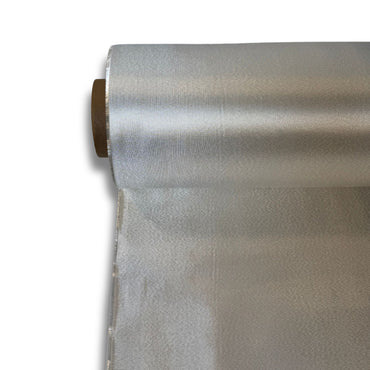
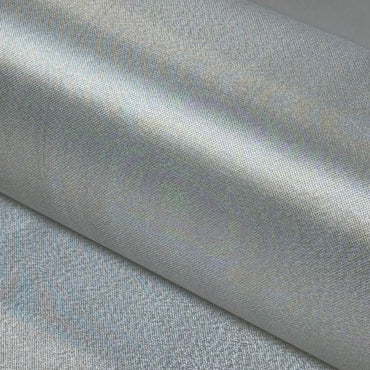
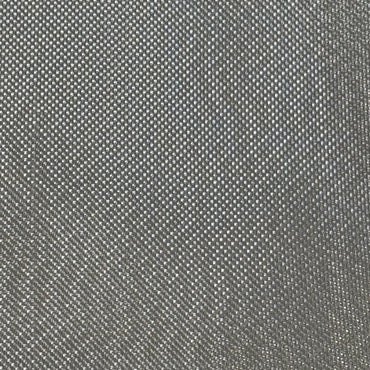
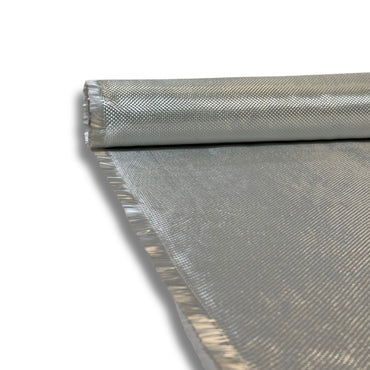
Chopped strand mat is the most commonly used type of fiberglass reinforcement. It differs from fiberglass cloth, mainly in cost and composition. CSM is generally more affordable and consists of randomly oriented glass fibers held together by a resin binder.
Common Weights
CSM is available in various weights, including:
Note: These weights are calculated per square foot, not per square yard. Our weight guide by boat size covers picking between them.
What size chopped strand mat is right for your project? Read More
What Is Chopped Strand Mat Used For?
Chopped strand mat is often used as the first layer in mold-making, laid directly against the gel coat. This placement helps reduce print-through, which is when the pattern or weave of fiberglass shows on the finished surface.
When making a mold entirely from chopped strand mat, you'll typically need 5 to 8 layers for sufficient strength and thickness. CSM is also used between layers of fiberglass cloth to build thickness, especially in parts where strength matters more than weight.
Tip: If you're building a lightweight part, avoid using chopped strand mat as it adds bulk and weight.
Compatibility with Resins
CSM is bound together using a polyester-based binder, which dissolves in polyester and vinyl ester, so the mat drapes best with those resins. It works with:
- Polyester resin
- Vinyl ester resin
- Epoxy resin, for repairs, tabbing, and flat or gently curved panels. The binder does not dissolve in epoxy, so the mat stays stiffer and can cure cloudy instead of clear.
Application Tips
One of the benefits of chopped strand mat is that it doesn't require precision cutting. It can easily be torn by hand, leaving a feathered edge that blends seamlessly into other pieces. This helps avoid hard seams in your laminate layers.
Demo: Laminating a Complex Shape
Here's a quick breakdown of the process:
Safety First
Before working with fiberglass, always wear:
- Safety glasses
- Latex or vinyl gloves
- A respirator
- Tyvek coveralls (to protect your skin and clothes)
- Always work in a well-ventilated area
Step-by-Step Process
-
Clean the Surface
Use acetone to remove dirt, oils, and residues. -
Apply Mold Release
Wax on, let dry, wipe off. Repeat for 4–5 coats.
For new molds, also use Partall #10 spray for extra release protection. -
Mix Your Resin
For the demo, we used 2 oz of orthophthalic laminating resin with 1% MEKP catalyst. Stir thoroughly. -
Lay Down the Mat
Place the chopped strand mat on your surface. Apply resin from the center outward using a brush or roller. -
Saturate the Mat
As resin saturates the mat, the binder dissolves, allowing the fibers to move and conform to the surface. -
Trim Excess Fiberglass
Once the resin reaches the "green stage" (tacky but firm), trim using scissors or a razor. -
Let It Cure & Demold
Allow the part to fully cure. In most cases, you may use a wedge to separate the mold, though it wasn't necessary in this example.
Final Thoughts
Chopped strand mat is a versatile and beginner-friendly material in the fiberglass world. From molds to structural layers, it plays a vital role—especially when used correctly with the right resins and techniques. To learn more about how chopped strand mat is made, check out our detailed manufacturing guide.
Frequently asked questions
How is chopped strand mat weight measured?
CSM is sold by weight in common grades of 3/4 oz, 1 oz, 1.5 oz, 2 oz, and 3 oz. The key detail that trips people up: those numbers are per square foot, not per square yard like fiberglass cloth. So a 1.5 oz mat weighs 1.5 ounces for every square foot of material. Keep that in mind when you compare mat against cloth or estimate how much resin a layup will drink.
Can I use chopped strand mat with epoxy resin?
Yes. Our chopped strand mat works with epoxy for repairs, tabbing, and flat or gently curved panels. Standard CSM is held together with a polyester-based binder, and epoxy will not dissolve that binder, so in epoxy the mat stays stiffer, does not drape as easily into tight curves, and can cure cloudy instead of clear. Roll it firmly until no dry white fibers remain. For complex shapes, use polyester or vinyl ester resin, or a stitched fabric like 1708 biaxial with epoxy.
How many layers of chopped strand mat do I need to build a mold?
When you are making a mold entirely from CSM, plan on roughly 5 to 8 layers for enough strength and thickness. Mat is often the first layer laid right against the gelcoat because it reduces print-through, where the weave pattern telegraphs to the finished surface. Build up the layer count for stiffness, but skip mat on lightweight parts since it adds bulk and weight you may not want.
Do I have to cut chopped strand mat with scissors?
Not for fitting pieces. One advantage of CSM is that it tears by hand and leaves a feathered, ragged edge that blends into neighboring pieces, so you avoid the hard seams you would get from a clean-cut edge. Tear it to rough shape, lay it in, and let the feathered edges overlap. Once the resin reaches the green stage, tacky but firm, you can trim the excess with scissors or a razor.
What safety gear should I wear when working with fiberglass mat?
Before laying up CSM, put on safety glasses, latex or vinyl gloves, a respirator, and Tyvek coveralls to keep resin and glass off your skin and clothes, and always work in a well-ventilated area. Fiberglass dust and resin fumes are no joke. The respirator matters most once you are around uncured resin vapor and any sanding, so do not treat it as optional even on a quick repair.
Shop the materials in this guide
- 0.75 oz chopped strand mat.
- 1.5 oz chopped strand mat, the go-to weight for boat work.
- 2 oz chopped strand mat.
- all chopped strand mat.
- 1.5 oz mat + resin kit, 5 yd 50 in + 1 gal.
Prev post

How to Choose Your Fiberglass Chop Mat Size
Updated on 21 February 2026
Next post

Fiberglass Fillers – Mixing and Applying with Resin
Updated on 21 February 2026