Understanding the Different Types of Fiberglass

11 July 2024
There are five main types of fiberglass, each named for the job its glass formulation was designed to do: E-glass (electrical), S-glass (structural), C-glass (chemical), A-glass (alkali) and D-glass (dielectric). For boat hulls and decks, E-glass is the standard; the other four mostly earn their keep in aerospace, defense, chemical plants, concrete and electronics.
All five are used the same basic way: glass fibers woven together and locked in resin. That pairing of strength, durability and light weight is why fiberglass turns up in automotive, marine, construction and aerospace work alike. Here is what sets each glass apart and where it gets used.
Quick reference: the different types of fiberglass compared
| Type | Name | Stand-out properties | Typical uses |
|---|---|---|---|
| E-glass | Electrical glass | High tensile strength, corrosion resistance, electrical insulation | Boat hulls, decks, car bodies, circuit boards |
| S-glass | Structural glass | About 25 to 30% stronger than E-glass, stiffer | Aircraft parts, ballistic armor, sports equipment |
| C-glass | Chemical glass | Resists acids and alkalis, moderate strength | Chemical tanks, pipes, water treatment, lab equipment |
| D-glass | Dielectric glass | Low dielectric constant, good thermal stability | Radomes, antenna covers, telecommunications parts |
E-Glass (Electrical Glass): The Default for Boat Work
E-glass is the most widely used fiberglass, and it takes its name from its excellent electrical insulation. That one property opened up a long list of uses, but for hull and deck work the rest of its profile is what counts:
- Strength: high tensile strength, enough for structural parts.
- Corrosion resistance: resists corrosion and stands up to harsh conditions outdoors.
- Insulation: a first-rate electrical insulator, hence the E.
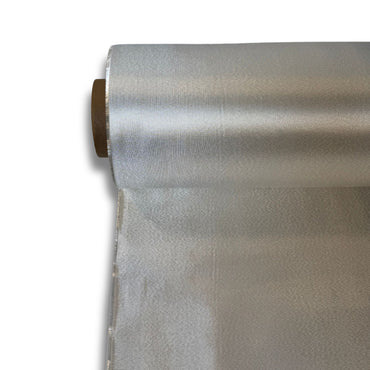
Where it shows up: boat hulls, decks and other marine structures; car bodies, panels and other automotive components; roofing, insulation and concrete reinforcement in construction; and circuit boards, insulators and similar electrical parts. For everyday marine layup, E-glass is plenty, and it is the glass in our E-glass fiberglass cloth.
S-Glass (Structural Glass): More Strength and Stiffness
S-glass is formulated for higher strength and modulus than E-glass, which suits it to demanding structural work. It runs about 25 to 30% stronger than E-glass.
- Tensile strength: higher than E-glass.
- Modulus: a higher modulus of elasticity, so the laminate is stiffer.
- Heat: keeps its properties at higher temperatures.
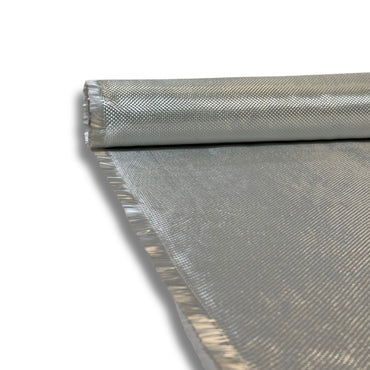
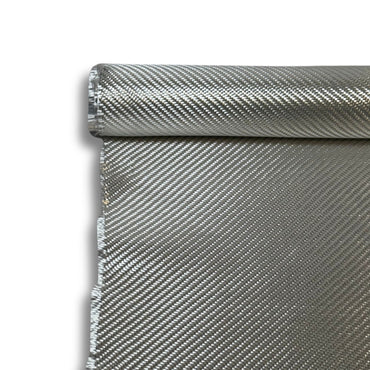
Where it shows up: rotor blades, aircraft components and other high-performance aerospace parts; ballistic armor and protective gear in defense; and sporting goods such as tennis rackets, golf clubs and bicycles. When a boat part does call for S-glass, we carry it as an 8.9 oz satin weave S-glass cloth.
C-Glass (Chemical Glass): For Corrosive Service
C-glass is built for chemical resistance. It holds up against acids, alkalis and other corrosive substances, though its strength is only moderate next to E-glass and S-glass.
Where it shows up: tanks, pipes and other equipment that handles corrosive chemicals; components for water treatment and desalination plants; and lab apparatus that has to survive corrosive substances.
A-Glass (Alkali Glass): Concrete Reinforcement
A-glass is known for alkali resistance, which is why it is used in glass fiber for reinforcing cement. Its tensile strength is good, though it falls short of E-glass and S-glass.
Where it shows up: concrete reinforcement in construction, where it adds strength and durability, and architectural work such as facades, panels and decorative elements.
D-Glass (Dielectric Glass): Electronics and Signal Work
D-glass is formulated for a low dielectric constant, so it causes minimal electrical interference. It also has good thermal stability, holding its properties as temperatures change.
Where it shows up: radomes, antenna covers and other electronic components that need minimal interference, plus telecommunications parts that send and receive signals.
Which Type of Fiberglass Should You Use?
Pick by the property the job needs most: strength (E-glass or S-glass), chemical resistance (C-glass), alkali resistance (A-glass), electrical insulation (E-glass) or low dielectric interference (D-glass). Matching the glass to the work is what gets you the performance and durability you are after, in automotive, aerospace, construction or marine repair.
On a boat, the real decision is usually which E-glass weight and format to use, and our fiberglass cloth weight chart covers that. Getting the type right up front means parts that last longer, better results at the finishing stage and customers who stay happy with the work.
Frequently asked questions
What type of fiberglass is used for boat hulls and decks?
E-Glass, or electrical glass, is the workhorse for marine structures like hulls, decks, and other boat components. It is the most common fiberglass type, with high tensile strength for structural use, good corrosion resistance for harsh conditions, and strong electrical insulation, which is where the E name comes from. It also shows up in automotive panels, construction reinforcement, and electrical components.
How is S-Glass different from E-Glass?
S-Glass, or structural glass, has higher tensile strength and a higher modulus of elasticity than E-Glass, so it is stiffer and stronger, and it tolerates higher temperatures without losing its properties. That performance puts it in aerospace parts, rotor blades, ballistic armor and protective gear, and high-end sports equipment like tennis rackets, golf clubs, and bicycles, rather than everyday marine layup where E-Glass is plenty.
Which fiberglass should I use in a corrosive chemical environment?
C-Glass, or chemical glass, is formulated specifically for chemical resistance, standing up to acids, alkalis, and other corrosive substances. Its strength is moderate compared with E-Glass and S-Glass, but it is the right pick for tanks, pipes, and equipment exposed to corrosive chemicals, plus water treatment and desalination components and laboratory apparatus that must survive aggressive media.
What makes fiberglass instead of being one single material?
Fiberglass is made by weaving glass fibers together and binding them with resin, and the glass itself comes in several formulations tuned for different jobs. E-Glass covers general strength and insulation, S-Glass adds strength and stiffness, C-Glass handles corrosive chemicals, A-Glass resists alkali for concrete reinforcement, and D-Glass has a low dielectric constant for electronics. Picking the right type is what gives you the performance and durability your application needs.
Is there a fiberglass made for reinforcing concrete?
Yes. A-Glass, or alkali glass, resists alkali reactions, which is exactly the problem with embedding ordinary glass fibers in cement, so it is used to reinforce concrete and improve its strength and durability. It offers good tensile strength, though not as high as E-Glass or S-Glass, and it also appears in architectural facades, panels, and decorative elements.
Shop the materials from this article
- Woven fiberglass cloth for general layup and finish plies.
- Chopped strand mat, 1.5 oz, to build bulk and bond between plies.
- Woven roving when you need structural thickness quickly.
- Every fiberglass product we carry.
- S-glass cloth, 8.9 oz satin weave.
- All glass and carbon reinforcement fabrics.
Prev post

How to Fix EPS Epoxy Surfboard
Updated on 30 June 2025