Understanding Fiberglass Weave Patterns and Their Uses

21 February 2026
Fiberglass is a versatile material used in boat building, automotive applications, and various composite structures. However, not all fiberglass is the same—different weave patterns impact strength, flexibility, and application suitability. Understanding fiberglass weave patterns will help you choose the right material for your project, ensuring durability and performance.
Common Fiberglass Weave Patterns
Each fiberglass weave pattern has distinct properties that affect its strength and handling characteristics.
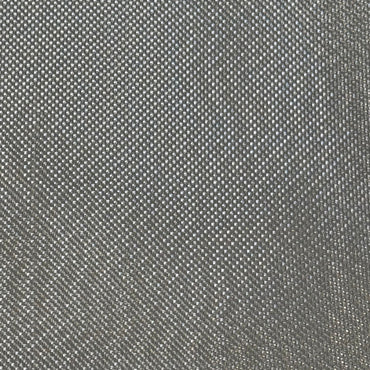
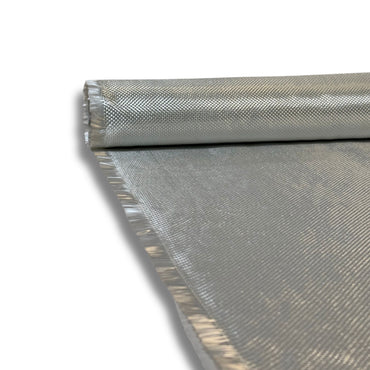
1. Plain Weave
- Structure: Simple over-and-under pattern.
- Strengths: High stability, minimal stretch.
- Best For: Small repairs, flat surfaces, and general reinforcement.
- Pros: Easy to handle, good uniformity.
- Cons: Less drapable, lower strength compared to other weaves.
2. Twill Weave
- Structure: Fibers stagger in a diagonal pattern.
- Strengths: Greater flexibility and drapability than plain weave.
- Best For: Complex shapes, curved surfaces, and aesthetic applications.
- Pros: High strength-to-weight ratio, conforms well to contours.
- Cons: Slightly harder to handle than plain weave.
3. Satin Weave (4-Harness, 5-Harness, or 8-Harness)
- Structure: Multiple fibers float over others before weaving under.
- Strengths: Excellent flexibility and draping ability.
- Best For: High-performance applications requiring maximum strength.
- Pros: Very smooth finish, conforms to complex shapes easily.
- Cons: More challenging to handle, can fray easily.
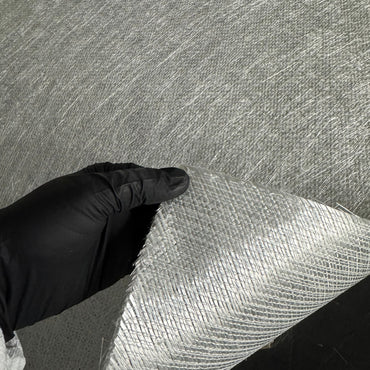
4. Biaxial Weave
- Structure: Fibers laid at 45-degree angles with no crisscrossing.
- Strengths: Provides strength in two directions (±45°).
- Best For: High-load areas such as boat hulls and structural components.
- Pros: Excellent impact resistance and stiffness.
- Cons: Requires more resin for full saturation.
5. Triaxial Weave
- Structure: Fibers woven in three directions (0°, +45°, -45°).
- Strengths: Provides strength in multiple planes.
- Best For: Heavy-duty marine applications and composite panels.
- Pros: Increased strength, less resin consumption.
- Cons: Can be more expensive than biaxial fabrics.
6. Woven Roving
- Structure: Thick, crisscrossed fibers woven into large bundles.
- Strengths: Heavy-duty reinforcement, high strength.
- Best For: Boat hulls, bulk laminations, and industrial applications.
- Pros: Very strong, cost-effective for large projects.
- Cons: Requires more resin and is less flexible.
Choosing the Right Weave for Your Project
- For Simple Repairs & Flat Surfaces: Use plain weave for ease of handling.
- For Curved & Complex Shapes: Choose twill or satin weaves for flexibility.
- For High-Load Structural Strength: Use biaxial or triaxial weaves.
- For Heavy-Duty Reinforcement: Select woven roving for maximum durability.
Final Thoughts
Selecting the right fiberglass weave pattern is crucial for achieving the best results in your project. Similar to how carbon fiber weave patterns each serve specific purposes, fiberglass weaves offer distinct advantages based on application needs. Whether you need flexibility, high strength, or ease of use, there's a weave designed to meet your needs. For comprehensive project planning, check out our fiberglass buyer's guide to understand material selection, and consider how chop mat sizing complements woven fabrics. When working on marine projects, proper boat hull fiberglassing techniques ensure maximum durability and performance.
For high-quality fiberglass materials, resins, and marine supplies, visit Boat Suppliers and find the best products for your next project!
Frequently asked questions
Which fiberglass weave is best for curved or complex shapes?
Twill and satin weaves drape best around contours. Twill staggers its fibers in a diagonal pattern, giving more flexibility and a good strength-to-weight ratio than a plain over-and-under weave. Satin weaves, including 4-harness, 5-harness, and 8-harness, float fibers over several others for even better draping and a very smooth finish, though they fray more easily and take more care to handle.
What is the difference between biaxial and triaxial fiberglass?
Biaxial fabric lays fibers at plus and minus 45 degrees with no crisscrossing, giving strength in two directions and excellent impact resistance and stiffness for high-load areas like hulls. Triaxial adds a third direction, with fibers oriented at 0, plus 45, and minus 45 degrees, so it carries load across multiple planes. Triaxial often uses less resin than biaxial but tends to cost more.
Why does woven roving soak up so much resin?
Woven roving is built from thick, crisscrossed fiber bundles woven into a coarse, heavy fabric, so it has a lot of open structure to fill, which means it needs more resin and is less flexible than finer weaves. In exchange it delivers heavy-duty, high-strength reinforcement and builds thickness fast, which makes it cost-effective for boat hulls, bulk laminations, and large industrial layups.
What weave should I use for a small flat repair?
Use a plain weave. Its simple over-and-under structure gives high dimensional stability and minimal stretch, plus good uniformity and easy handling, which is exactly what you want on small repairs, flat surfaces, and general reinforcement. The tradeoff is that plain weave is less drapable and lower in strength than twill, satin, or the stitched biaxial and triaxial fabrics used for structural work.
Which weaves give the most structural strength for high-load areas?
For high-load structural work, go with biaxial or triaxial. Biaxial provides strength in two directions at plus and minus 45 degrees with strong impact resistance, suiting hulls and structural components. Triaxial spreads strength across three directions for heavy-duty marine panels. For sheer bulk reinforcement, such as building hull thickness fast, woven roving is the heavy, cost-effective choice.
Shop the materials in this guide
- 6 oz plain weave cloth, the standard over-and-under weave.
- 8.5 oz 2x2 twill cloth, for better drape around curves.
- 18 oz woven roving, a heavy coarse weave for fast build.
- all fiberglass cloth.
Running these jobs for paying customers? Boat Suppliers shop accounts get flat wholesale pricing on the full catalog. Apply for a wholesale account.
Prev post

How to Choose Your Fiberglass Chop Mat Size
Updated on 21 February 2026
Next post

What Is Chopped Strand Mat? A Beginner's Guide to Fiberglass Mat
Updated on 21 February 2026