Fiberglass Tape: Widths, Weights and Where Each One Belongs

21 November 2026
Fiberglass tape is a width decision and a construction decision, and they are not independent. A 6 in 1708 biaxial tape tabs a stringer; a 6 in 8.7 oz cloth tape seals a stitch-and-glue chine; a 6 in mat tape fills the inside corner under either of them in a polyester layup; a 3 in unidirectional tape stiffens a rudder along its length. Here is what each tape is built from, the widths it comes in, and the jobs where it beats slitting strips off a 50 in roll.
Five tapes, five constructions
The word "tape" only tells you it is narrow. What matters is the fiber layout underneath, because that decides which direction the strength runs, whether it will turn an inside corner without bridging, and which resin it wets out in.
| Tape | Construction | Weight | Widths | Resin | Strength runs |
|---|---|---|---|---|---|
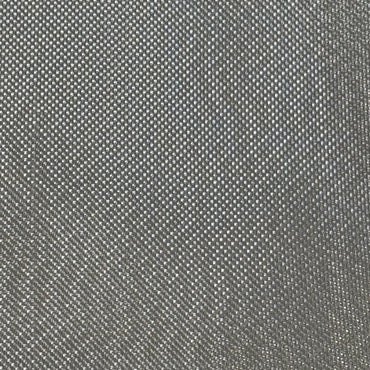
| 8.7oz Fiberglass Cloth Tape | Plain weave E-glass, woven selvage edges | 8.7 oz/yd², 0.0107 in dry | 1, 1.5, 2, 3, 4, 6, 8, 12 in; by the yard or 50 yd rolls | Epoxy, polyester, vinyl ester | 0 and 90 |
| 1708 Biaxial Fiberglass Tape | Plus and minus 45 stitched over 0.75 oz mat | 17 oz/yd² plus mat | 6 and 8 in, wider on the product page | Epoxy, polyester, vinyl ester | Plus and minus 45, shear across the joint |
| 1.5oz Fiberglass Mat Tape | Chopped strand mat slit to width | 1.5 oz/ft² | 4 and 6 in | Polyester, vinyl ester only | None; bulk and bond |
| 12oz Warp Unidirectional Tape | 75 percent warp, 25 percent fill | 12 oz/yd² | 3 and 4 in | Epoxy, polyester, vinyl ester | Along the tape |
| 5 oz KEVLAR(R) tape | Style 281 plain weave aramid, woven selvage | 5 oz/yd² | 2, 3 and 6 in; 1, 3 or 10 yd cuts or 50 yd rolls | Epoxy | 0 and 90, abrasion |
Width: size the tape to the tab, not the joint
Tape width is really bond width per leg. On a stringer or bulkhead tab, each leg of the tape needs enough ground surface to carry the load into the hull, and 2 in per side is the floor for the first ply. A 6 in tape centered on a corner gives you 3 in per leg; an 8 in tape gives 4 in. We lay the narrowest ply first so it seats fully into the corner, then step each ply out about 1 in per side so every ply lands partly on fresh ground surface and the last, widest ply is the one that gets faired. Two plies of 1708 tape per side, 6 in then 8 in, is the standard stringer tab on a 20 ft outboard hull.
The inside corner is where width goes wrong. A woven or stitched tape laid into a sharp 90 degree corner bridges it and leaves a resin-filled void under the tape, which is where the tab cracks. Fill the corner first: a fillet of resin thickened with fumed silica in epoxy, or a strip of 1.5oz Fiberglass Mat Tape torn to width and wet into the corner in polyester. Mat tears and conforms where a weave wants to stay flat, and it goes down in 4 in on tight radii and 6 in on a stringer tab.
Weight: how much strength per ply
| Tape | Cured ply, hand layup | Plies for a typical job | Resin per yard, 6 in width, approx. |
|---|---|---|---|
| 8.7 oz cloth tape | About 0.013 in (0.3 mm) | 2 to 3 on a stitch-and-glue seam | About 1.5 oz at 1:1 |
| 1708 biaxial tape | About 0.045 in (1.1 mm) | 2 per side for tabbing | About 4 to 5 oz at 1:1 |
| 1.5 oz mat tape | About 0.045 in (1.1 mm) | 1, in the corner | About 4.5 oz at 2:1 |
| 12 oz uni tape (3 in) | About 0.020 in (0.5 mm) | 3 to 4 along a stringer cap | About 1 oz at 1:1 |
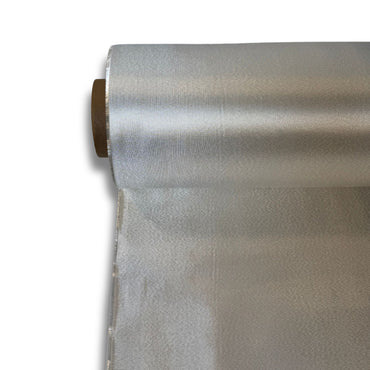
Those are hand layup numbers; run the resin calculator for a real cut list. The cloth tape is the light one and the woven selvage is the reason to buy it instead of slitting cloth: a slit edge frays and lifts under the squeegee, a selvage lies flat and disappears under a fill coat. 8.7oz Fiberglass Cloth Tape (E-Glass) in the 3 and 4 in widths is the stitch-and-glue seam tape, 2 in for edge binding hatches and rudders, 1 in for wrapping a tiller.
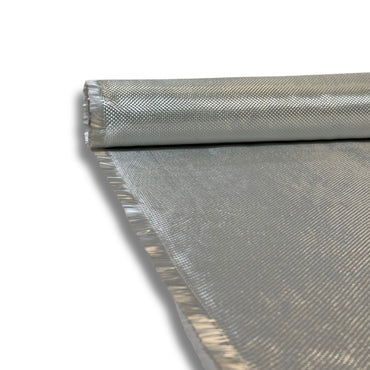
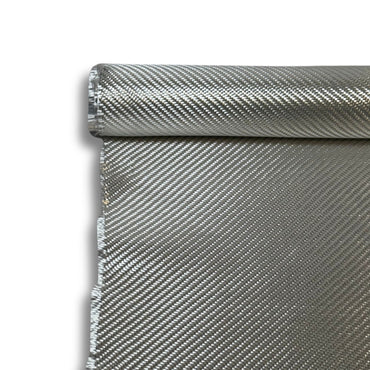
1708 Biaxial Fiberglass Tape is the same fabric as full-width 1708: 17 oz of plus and minus 45 glass over a 0.75 oz mat backer, slit to width. The 45 degree fiber crosses the joint line at an angle, which is what a tab wants, since the load on a stringer tab is shear along the joint. Mat side down against the ground surface. It works in epoxy because the mat is stitched on, not held by a styrene-soluble binder.
12oz Warp Unidirectional Fiberglass Tape (E-Glass) puts 75 percent of its glass along the length of the tape. It is not a tabbing tape; it is a stiffening tape. Three or four plies down the cap of a stringer, along a rudder stock, or the length of a tiller add bending stiffness where a biaxial tape would add mostly shear strength you do not need. The 3 in width covers most caps; 4 in for a wide box stringer.
Where each tape belongs
| Job | Tape | Schedule |
|---|---|---|
| Stringer or bulkhead tab, polyester boat | Mat tape, then 1708 tape | 4 in mat into the corner, then 6 in and 8 in 1708, 2 plies per side |
| Stringer or bulkhead tab, epoxy | Fumed silica fillet, then 1708 tape | Fillet the corner, then 6 in and 8 in 1708 |
| Stitch-and-glue seam | 8.7 oz cloth tape | Fillet, then 3 in inside and 2 in outside, 2 to 3 plies inside |
| Stiffen a stringer cap, rudder or tiller | 12 oz uni tape | 3 to 4 plies of 3 in, staggered ends |
| Hatch edge, rub strip, tiller wrap | 8.7 oz cloth tape | 1 or 2 plies of 1 to 2 in |
| Canoe or kayak stem and keel wear | 5 oz KEVLAR(R) tape | One 6 x 30 in piece per end in epoxy |
For a canoe that lands on rock and oyster bar, glass tape is the wrong fiber: it abrades through. Cut two 6 x 30 in pieces from a 3 yard length of the 6 in 5oz Kevlar® Plain Weave Fabric Tapes - Style 281, genuine 5 oz style 281 aramid with a woven selvage, and set them in epoxy; that is one afternoon of work for both ends. Grind and sand with a P100, nitrile gloves and eye protection, and add organic vapor cartridges whenever polyester is open; that is the safety rule, now back to the tape.
Frequently asked questions
What width fiberglass tape should I use for stringers?
Two plies of 1708 tape per side, 6 in first and 8 in over it, so each leg gets 3 then 4 in of bond on the hull. Fill the corner first with a fumed silica fillet in epoxy or a strip of 4 in mat tape in polyester, or the tape bridges the corner and cracks at the void. That schedule is the standard tab on a 20 ft outboard hull.
Is fiberglass tape better than cutting strips from cloth?
For woven cloth, yes, because of the edge. Cloth tape has a woven selvage that lies flat; a strip slit from 50 in cloth frays, lifts under the squeegee and needs an extra fill coat to bury. 1708 and mat tape are slit, so the advantage there is cost and time: a 6 in tape at 25 yd is cheaper than the waste from slitting a full roll and you are not fighting fuzz.
Can I use fiberglass tape with polyester resin?
Cloth tape, 1708 tape and uni tape wet out in polyester, vinyl ester and epoxy. Mat tape is polyester and vinyl ester only, because the binder that holds the mat together needs styrene to dissolve; in epoxy it stays stiff and resin-starved. Kevlar tape goes in epoxy. Catalyze polyester at 1.5 percent MEKP at 65 to 85°F and lay tape in 15 minute batches.
How many layers of fiberglass tape on a stitch-and-glue seam?
Fillet first, then two to three plies of 8.7 oz cloth tape inside the seam, 3 in wide, and one or two plies of 2 in outside after the outside seam is rounded to about a 1/4 in radius. Each ply of 8.7 oz cloth is about 0.013 in cured, so three plies inside is roughly 0.040 in of glass across the joint, which is plenty on a plywood hull under 20 ft.
What is 1708 fiberglass tape?
Full-width 1708 biaxial slit to 6 and 8 in: 17 oz/yd² of glass at plus and minus 45 degrees stitched to a 0.75 oz mat backer, about 0.045 in per cured ply. The 45 degree fiber carries shear across a joint, which makes it the structural tabbing tape for stringers, bulkheads and transom knees. Mat side goes down. It wets out in epoxy as well as polyester because the mat is stitched, not bound.
What You Need For This Job
- 1708 Biaxial Fiberglass Tape: the structural tab for stringers and bulkheads, 6 and 8 in
- 1.5oz Fiberglass Mat Tape: fills the inside corner under a tab in polyester, 4 and 6 in
- 8.7oz Fiberglass Cloth Tape (E-Glass): selvage-edge seam and binding tape from 1 to 12 in
- 12oz Warp Unidirectional Fiberglass Tape (E-Glass): stiffening along a stringer cap, rudder or tiller
- 5oz Kevlar® Plain Weave Fabric Tapes - Style 281: genuine 5 oz aramid tape, set in epoxy, for stem and keel abrasion