Fiberglass Fabric Cloth: Plain Weave vs Satin vs Unidirectional

07 November 2026
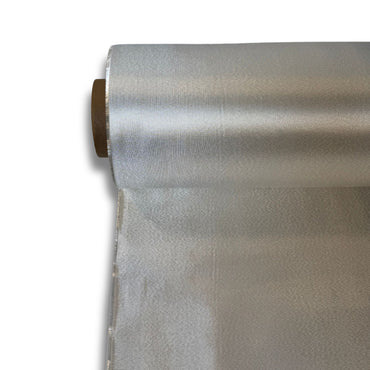
Fiberglass fabric cloth is sold by style number, weave, weight and width, and the weave decides three things before weight even enters it: how the cloth drapes over a compound curve, how it wets out, and which direction the strength runs. Style 120 satin at 3.16 oz/yd² and Style 1522 plain weave at 4 oz/yd² are within an ounce of each other on the scale and behave like different materials on a curved hull. Here is how we pick woven E-glass by construction first, then by weight.
What the weave changes
Every woven glass fabric is warp yarns running the length of the roll interlaced with fill yarns running across it. How often they cross over is the crimp, and crimp is what you feel when you push cloth into a corner.
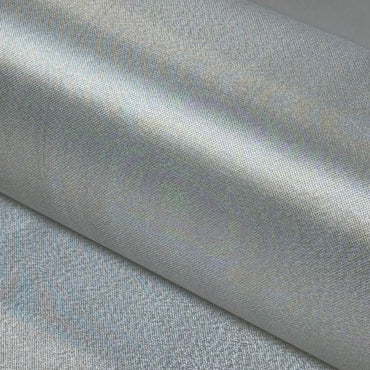
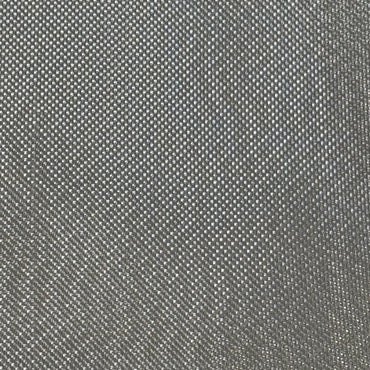
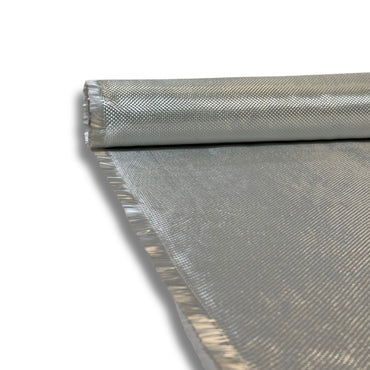
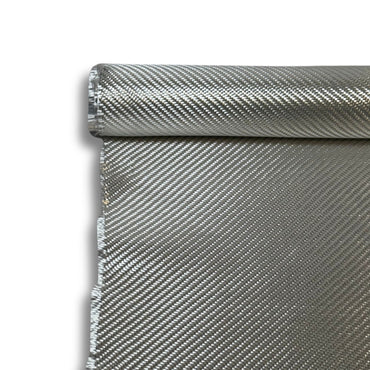
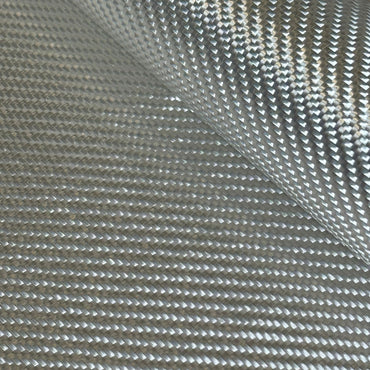
Plain weave goes over one, under one. That is maximum crimp and maximum stability: it stays square on the cutting table, cuts clean, and wets out predictably. The cost is drape. Plain weave fights a compound curve and the weave print telegraphs through a thin fill coat. A satin weave floats each yarn over three (4-harness) or seven (8-harness) before it crosses. Less crimp means the fabric drapes like cloth instead of screen, the yarns lie flatter so tensile per ounce runs a little higher, and the surface finishes smoother. The trade is handling: satin shifts if you drag it and the two faces are not identical. Two-end plain weave runs paired yarns as one, which is how Style 7544 gets to 18 oz and still handles like a plain weave. Double plain weave interlaces two full layers, which is the construction behind 40 oz goods. Warp unidirectional puts most of the yarn in the 0 degree direction and only enough fill to hold it together.
| Fabric | Style and weave | Weight | Width | Where it goes |
|---|---|---|---|---|
| 3 oz | Style 120, 4-harness satin | 3.16 oz/yd² (107 g/m²) | 38 in | Finish ply, compound curves |
| 4 oz | Style 1522, plain | 4 oz/yd² (136 g/m²) | 30 in, 50 in | Board skins, plywood and strip sheathing |
| 10 oz | Plain | 10 oz/yd² (339 g/m²) | 38 in, 50 in | Deck skins, hull sheathing, repairs |
| 18 oz | Style 7544, two-end plain | 18 oz/yd² (610 g/m²) | 50 in | Transom skins, hull sections |
| 40 oz | Double plain | 40 oz/yd² (1356 g/m²) | 38 in | Keel, skeg and engine bed build-ups |
| 12 oz uni tape | Warp unidirectional, 75/25 | 12 oz/yd² (407 g/m²) | 3 in, 4 in | Stringer caps, spars, load along one axis |
Plain weave: Style 1522, 10 oz and the heavy plain weaves
Style 1522 at 4 oz/yd² is the light laminating cloth we cut the most of. It wets out clear, takes a gentle curve, and finishes flat under two fill coats, which is why it skins surfboards and sheathes strip-planked hulls and plywood decks. The 30 in width fits a board without a seam and the 50 in width covers a dinghy bottom in one piece.
10 oz plain weave is the medium-weight workhorse. One ply carries real load without the resin appetite of 18 oz goods and it still wets out clear enough to see the wood or the old laminate through it. Deck skins, cabin tops, hull sheathing and repairs that need more than a cosmetic layer run 10 oz, usually two plies with the second turned 45 degrees to the first.
Style 7544 at 18 oz/yd² is where plain weave stops being a skin and becomes structure. One ply builds the thickness three plies of 6 oz would, so a transom skin or hull section goes down faster with fewer resin batches. It does not drape; plan the cuts so each piece lies on a single curve. The 40 oz double plain weave at 38 in is the heaviest woven glass we cut, for keel and skeg build-ups, engine beds and anywhere ply count and labor matter more than finish. It takes a stiff roller to wet out and you will see the weave forever unless you fair over it.
Satin weave: Style 120 for compound curves and finish plies
Style 120 is a 4-harness satin at 3.16 oz/yd², 38 in wide. It is a finishing fabric, not a structural one. Its job is to go over the structural plies and give a surface that fairs with a light skim instead of a heavy one, or to skin a shape a plain weave cannot follow: a rounded cabin corner, a rudder tip, a cowl. Wet it out in place rather than pre-wetting on a table, because it distorts when you carry it. On a radius under about 1 in (25 mm) satin conforms where 1522 bridges and leaves a void you will find with a drill later.
Warp unidirectional: when the load runs one way
Warp unidirectional tape at 12 oz/yd² puts 75 percent of its E-glass in the 0 degree direction and 25 percent in the fill, so nearly all of the strength runs the length of the tape. Stringer caps, spar and boom reinforcement, chainplate backing and the top flange of any beam are unidirectional jobs: the load is along one axis and there is no reason to pay in weight and resin for yarns running the other way. It comes 3 in and 4 in wide on the roll, so it lays straight down a stringer without slitting. Two runs of 3 in uni over the tabbing on a stringer put stiffness exactly where the bending load lives.
Matching fiberglass fabric cloth to the resin
Everything above is E-glass with a silane finish, which bonds with polyester, vinyl ester and epoxy, so an epoxy resin fiberglass cloth laminate uses the same fabric as a polyester one. The resin changes, not the glass. Hand layup of woven cloth lands near 50 percent glass by weight, so plan on resin weight roughly equal to cloth weight, then add 20 percent for the roller, the cup and the brush. A running yard of 50 in 10 oz cloth is about 1.4 yd², so it weighs 14 oz and wants about 14 oz of mixed resin. Run the whole schedule through the resin calculator before you order resin. Cure depends on the hardener and the shop temperature; check the TDS on the can rather than a number from a forum.
Two things the search results confuse. Fiberglass welding cloth is a different product: welding blankets are heavy texturized or silica fabrics rated for spatter, and the treatment on them will not bond to resin. Do not lay up with a welding blanket. Carbon fiberglass cloth questions usually come down to stiffness per ounce: carbon twill wins on stiffness, E-glass wins on impact and cost, and for hull, deck and repair work the glass is the right call.
Our picks by job
For a board or a plywood dinghy skin, 4oz Fiberglass E Cloth in 30 in or 50 in. For deck skins and sheathing, 10oz Fiberglass E Cloth, two plies with the second at 45 degrees. For a transom skin or a hull section, 18oz Fiberglass E Cloth with a mat interlayer between plies. For the finish ply over a compound curve, 3oz Fiberglass E Cloth. Where the load runs one way, 12oz Warp Unidirectional Fiberglass Tape. For keels and skegs where one thick pass beats four thin ones, 40oz Fiberglass E Cloth.
We sheathed a cold-molded runabout deck last spring in 10 oz plain weave and tried to carry it around the cockpit coaming in one piece. It bridged the inside radius, so we cut it and lapped it 2 in. The Style 120 finish ply went around the same radius with no relief cut. Weight was not the difference; the weave was.
Wear a fitted P100 respirator with organic vapor cartridges, nitrile gloves and eye protection when cutting and wetting out, because glass dust and styrene are both real.
Frequently asked questions
What is the difference between fiberglass fabric and fiberglass cloth?
Nothing. Fabric is the mill term for any woven glass and cloth is what the shop calls it. Both cover plain weave, satin and unidirectional constructions from 3 oz to 40 oz per square yard. What matters is the spec line: style number, weave, weight and width. Ask for Style 1522 4 oz plain weave in 50 in and you get the right roll; ask for fiberglass fabric and you get whatever is closest to the door.
Which fiberglass cloth weight is best for a hull repair?
For a hole through a solid glass hull, grind a 12:1 bevel and rebuild with 18 oz plain weave and 1.5 oz mat alternating until you are back to the original thickness, then finish with two plies of 10 oz stepped out past the bevel. For sheathing and cosmetic repairs, 10 oz is enough. Save 4 oz for skins and 40 oz for build-ups where you need thickness fast.
Does fiberglass cloth work with both epoxy and polyester resin?
Yes. Silane-finished E-glass bonds with polyester, vinyl ester and epoxy. Pick the resin by the job: epoxy for any repair on cured laminate, because epoxy holds a secondary bond that polyester will not, and polyester over mat for new production where cost per pound rules. Woven cloth wets out in either; mat with a styrene-soluble binder wants polyester or vinyl ester.
Can satin weave replace plain weave for structural work?
No. Style 120 at 3.16 oz per square yard is a finish ply, and satin drapes because it has less crimp, which is the same reason it shifts when you handle it. Build the structure from 10 oz or 18 oz plain weave, then put one ply of satin over the top where the surface curves or where you want a fairing skim of 1/32 in instead of 1/8 in.
How much resin do I need per yard of fiberglass cloth?
About the same weight as the cloth, plus 20 percent. A running yard of 38 in 10 oz cloth weighs about 10.5 oz and takes about 12 oz of mixed resin by the time the roller and the cup are accounted for. A yard of 50 in 18 oz takes about 30 oz. Put the full ply schedule into the resin calculator and buy the next size up.
What You Need For This Job
- 4oz Fiberglass E Cloth: Style 1522 plain weave for board skins and plywood sheathing
- 10oz Fiberglass E Cloth: medium-weight plain weave for decks, sheathing and repairs
- 18oz Fiberglass E Cloth: Style 7544 two-end plain weave for transom and hull structure
- 3oz Fiberglass E Cloth: Style 120 satin finish ply for compound curves
- 12oz Warp Unidirectional Fiberglass Tape: 75/25 warp uni for stringer caps and spars
- 40oz Fiberglass E Cloth: double plain weave for keel and skeg build-ups
Prev post

Next post

Fiberglass Cloth Weights: 4 oz vs 10 oz vs 18 oz vs 40 oz
Updated on 06 November 2026