Fiberglass Explained: Cloth, Mat, Roving and Biaxial by Job

19 October 2026
Fiberglass comes in four fabric forms that do four different jobs, plus loose chopped fiber for putties, and picking the wrong one is how a deck skin ends up either resin-starved and brittle or 1/2 in thick where it needed to be 1/8 in. The spec that settles it: chopped strand mat for bulk and bond in polyester, woven cloth for thin strong skins that wet out clear, woven roving for cheap thickness in a polyester hull, and stitched biaxial (1708) for structural repair where the load path is known. Here is how each form is built, what it weighs, and the job it belongs on.
Same E-glass, four ways to arrange it
Every form below is E-glass. The strength difference comes from fiber orientation and how the fibers are held together before resin gets to them. Read the weight units carefully: mat is sold in ounces per square foot, cloth and roving in ounces per square yard. A "1.5 oz mat" is 13.5 oz/yd² (458 g/m²), heavier than 10 oz cloth, not lighter. That unit trap sells a lot of the wrong material.
| Form | Construction | Weights sold | Resin | Cured ply, hand layup | Resin to glass by weight |
|---|---|---|---|---|---|
| Chopped strand mat (CSM) | Random 1 to 2 in strands, styrene-soluble binder | 0.75, 1.5, 2 oz/ft² | Polyester, vinyl ester | 1.5 oz: about 0.045 in (1.1 mm) | About 2:1 |
| Woven cloth | Plain weave, continuous 0/90 yarn | 4, 6, 10 oz/yd² | Epoxy, polyester, vinyl ester | 10 oz: about 0.015 in (0.4 mm) | About 1:1 |
| Woven roving | Heavy 0/90 bundles, coarse weave | 18, 24 oz/yd² | Polyester, vinyl ester | 24 oz: about 0.040 in (1 mm) | About 1:1 |
| Stitched biaxial (1708) | Plus and minus 45 layers stitched to 0.75 oz mat | 17 oz/yd² plus mat | Epoxy, polyester, vinyl ester | About 0.045 in (1.1 mm) | About 1:1 to 1.2:1 |
| Loose chopped strand | 1/4 or 1/2 in cut fiber, no binder | By the pound | Any | Mixed into resin | By feel |
Thicknesses and ratios in that table are hand layup rules of thumb; a vacuum bag pulls them down and a heavy hand with the roller pushes them up. Use the resin calculator to size resin for a real cut list rather than guessing from the table.
Chopped strand mat: bulk, bond and print block
Mat has no grain. It tears to shape, wraps a radius, and fills the weave of the structural ply above it, which is why it is the interlayer in every polyester production hull. The binder that holds the strands together dissolves in styrene, so mat wets out in polyester and vinyl ester and stays stiff and resin-starved in epoxy. It is also the weakest laminate you can build per unit thickness: mat is there for bulk, bond and cosmetics, not for carrying load on its own.
Three weights cover the work. 0.75oz Fiberglass Chopped Strand Mat goes behind gelcoat as a print-blocking skin ply so the weave of the cloth or roving never telegraphs through the finish. 1.5oz Fiberglass Chopped Strand Mat is the mat every boatyard runs: first ply on a ground repair, interlayer between plies of roving or biaxial, and quick buildup in a hole. 2 oz mat is for thickness in a hurry on mold backs and hull skins. For tabbing into an inside corner, 1.5oz Fiberglass Mat Tape in 4 and 6 in widths conforms where a woven tape bridges and leaves a void.
Woven cloth: thin, strong, and it wets out clear
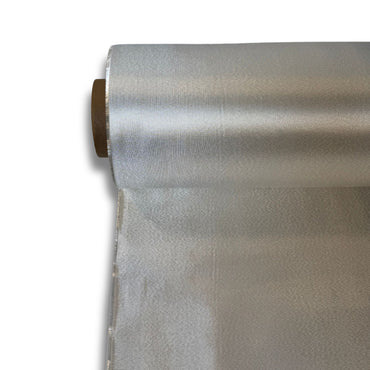
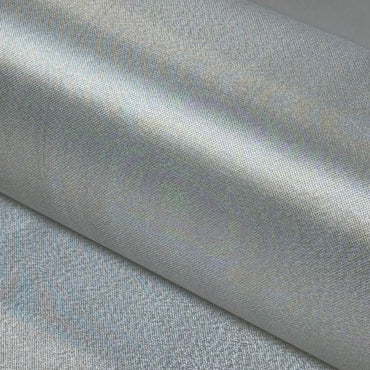
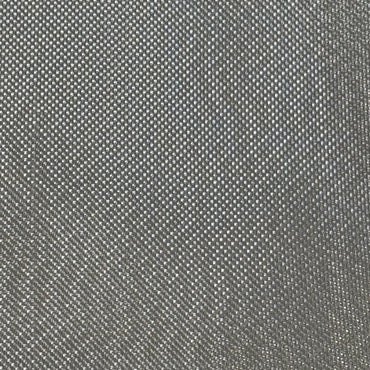
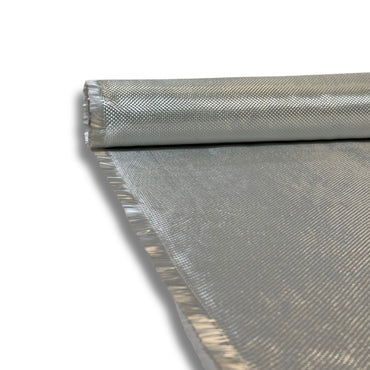
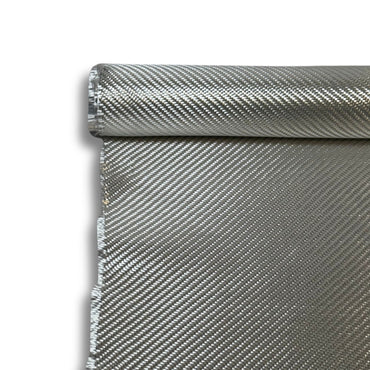
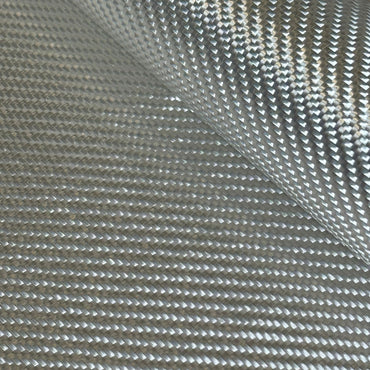
Plain weave cloth is continuous yarn at 0 and 90 degrees, so a ply of 10 oz has real tensile strength in two directions at 0.015 in thick. It wets out clear in epoxy, which makes it the sheathing fabric for plywood decks, strip-planked hulls and anything bright finished. 4 oz and 6 oz are cosmetic and sealing weights; 10oz Fiberglass E Cloth in 38 or 50 in width is the medium-weight structural cloth for deck skins, hull repairs that need more than a cosmetic patch, and sheathing where the wood is doing most of the work. The tradeoff is print: under gelcoat, put a ply of 0.75 oz mat over it or you will see the weave in the finish.
Woven roving: thick and cheap, and it needs mat between plies
Roving is the same 0/90 idea with heavy bundles instead of fine yarn: 18 and 24 oz/yd² per ply, about 0.040 in cured. It is how a production polyester hull gets to 3/8 in without paying for stitched fabric. Two rules follow from the coarse weave. Roving on roving in polyester makes a poor interlaminar bond, so every ply of roving gets a ply of 1.5 oz mat under it. And roving prints badly, so it never goes in the outer plies. If you are repairing a hull built this way, alternate mat and roving to put the original schedule back, or substitute 1708 and let its mat backer do the interlayer job.
Stitched biaxial (1708): the structural repair fabric
1708 is 17 oz/yd² of glass laid at plus and minus 45 degrees and stitched, not woven, to a 0.75 oz mat backer. No crimp in the fiber means higher strength per ply than woven goods, the mat side goes down against the ground surface, and the stitched construction means the mat wets out in epoxy as well as polyester. It is the transom, stringer and hull repair fabric, and the one to reach for whenever the repair has to carry load in shear, which is nearly every hull repair. The 1708 cousins (1808, 1810) swap the plus and minus 45 for 0/90 glass over a heavier mat, for stiffness along a stringer rather than shear across a joint.
Loose chopped strand: reinforcing a putty
Fumed silica thickens resin; it does not make it strong. When a fillet, a casting or a gap fill has to carry load, stir loose glass into the mix. 1/4" Chopped Strand Fiberglass mixes into a putty that still trowels, and it is the difference between a hardware backing that holds and one that cracks at the first bolt torque. 1/2" Chopped Strand Fiberglass knits across a wider gap for castings and deep core fills, at the cost of a coarser putty that wants a stick, not a spreader.
Matching the form to the job
| Job | Form | Schedule |
|---|---|---|
| Print block behind gelcoat | 0.75 oz mat | 1 ply, polyester or vinyl ester |
| Sheath a plywood deck in epoxy | 10 oz plain weave cloth | 1 ply plus 2 fill coats |
| Hull skin repair, polyester boat | 1.5 oz mat alternating with 1708 | Mat first on the ground surface, then alternate to original thickness |
| Transom or stringer rebuild | 1708 biaxial | 4 to 6 plies for a skin, 2 plies of tape per side for tabbing |
| Tab a bulkhead in polyester | 1.5 oz mat tape then 1708 tape | Mat into the corner, then two plies of 1708, each 2 in wider |
| Structural fillet or hardware backing | Epoxy, fumed silica, 1/4 in chopped strand | Peanut butter consistency, chopped strand stirred in until the putty is visibly fibrous but still trowels |
| Fill a rotted core void | Epoxy and 1/2 in chopped strand | Packed, then skinned with cloth or 1708 |
Grind cured glass with a P100 respirator, nitrile gloves and eye protection, and use organic vapor cartridges any time polyester is open; that is the rule, and then get on with the job.
Frequently asked questions
What is the difference between fiberglass cloth and fiberglass mat?
Cloth is woven continuous yarn, sold by the square yard (4, 6, 10 oz/yd²), strong in two directions and about 0.015 in per cured ply at 10 oz. Mat is random chopped strand held by a styrene-soluble binder, sold by the square foot (0.75, 1.5, 2 oz/ft²), weak but thick at about 0.045 in per ply of 1.5 oz. Use cloth where strength matters and mat for bulk, bond and print block in polyester.
Can I use chopped strand mat with epoxy?
Not well. The binder that holds standard mat together dissolves in styrene, and epoxy has none, so the mat stays stiff, wets out slowly and ends up resin-rich and weak. If you need a mat layer in an epoxy layup, use 1708 biaxial, where the 0.75 oz mat is stitched on rather than bound, or skip mat entirely and use cloth. Keep 1.5 oz mat for polyester and vinyl ester.
Which fiberglass should I use for a boat deck?
For sheathing a plywood or cored deck in epoxy, one ply of 10 oz plain weave cloth at 50 in wide, wet out clear, then two fill coats to bury the weave. For rebuilding a structural deck skin on a polyester boat, alternate 1.5 oz mat and 1708 to the original thickness, about 0.045 in per ply of each, and finish with 0.75 oz mat under the gelcoat.
How much resin does each fiberglass form need per yard?
Rules of thumb for hand layup: 1.5 oz mat at 38 in wide takes about 28 oz of polyester per linear yard at 2:1. 10 oz cloth at 50 in takes about 14 oz of resin per yard at 1:1. 1708 at 50 in takes about 32 oz, a full quart, per yard. Run the resin calculator for a cut list before you buy a gallon that turns out to be a pint short.
Is woven roving stronger than chopped strand mat?
Yes, by a wide margin: roving is continuous fiber at 0/90, mat is random short strands. But roving on roving bonds poorly in polyester, so the two work together. Put a ply of 1.5 oz mat under every ply of 18 or 24 oz roving and the mat becomes the interlaminar glue. A roving-only laminate delaminates; a mat-only laminate cracks. Neither is a standalone schedule.
What You Need For This Job
- 1.5oz Fiberglass Chopped Strand Mat: the interlayer and repair mat for polyester and vinyl ester layups
- 0.75oz Fiberglass Chopped Strand Mat: print-blocking skin ply behind gelcoat
- 10oz Fiberglass E Cloth: medium-weight plain weave for deck skins, sheathing and hull repair in epoxy
- 1.5oz Fiberglass Mat Tape: mat pre-slit to 4 and 6 in for tabbing into inside corners
- 1/4" Chopped Strand Fiberglass: loose fiber that turns a thickened putty into a structural one
- 1/2" Chopped Strand Fiberglass: longer fiber for castings and deep core fills
Next post

Epoxy Barrier Coat Below the Waterline: Coats, Windows, Bottom Paint
Updated on 17 October 2026