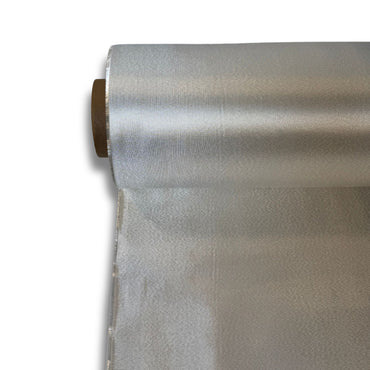
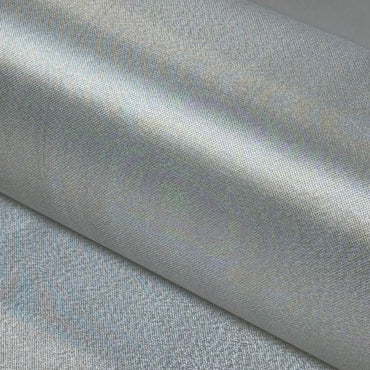
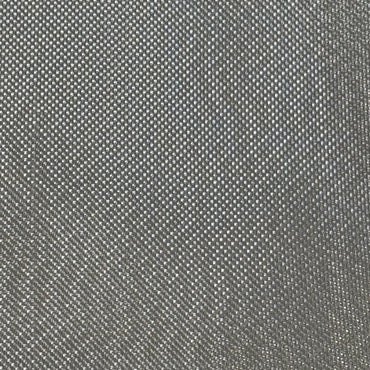
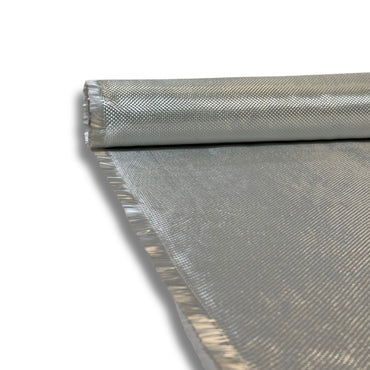
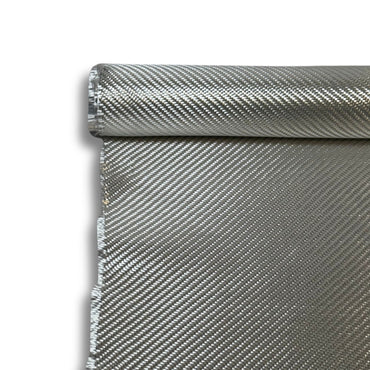
Fiberglass Cloth Weights: 4 oz vs 10 oz vs 18 oz vs 40 oz

06 November 2026
Fiberglass cloth is picked by the thickness you need per ply and the finish you can live with. In hand layup, woven E-glass cures to roughly 0.001 in per ounce per square yard, so a ply of 4 oz is about 0.004 in (0.1 mm), 10 oz is 0.010 in (0.25 mm), 18 oz is 0.018 in (0.45 mm) and 40 oz is 0.040 in (1 mm). That one number settles most of the decision: count the plies to your target thickness, then pick the heaviest cloth that still drapes over the shape. Here is the lineup by weight and the job each one is for.
| Cloth | Style and weave | Width | Cured ply (approx.) | Cloth per running yard | Job |
|---|---|---|---|---|---|
| 3 oz | Style 120, 4-harness satin | 38 in | 0.003 in (0.08 mm) | 3.3 oz | Finish ply, compound curves |
| 4 oz | Style 1522, plain | 30 in, 50 in | 0.004 in (0.1 mm) | 3.3 oz (30 in), 5.6 oz (50 in) | Board skins, sheathing |
| 10 oz | Plain | 38 in, 50 in | 0.010 in (0.25 mm) | 10.6 oz (38 in), 13.9 oz (50 in) | Decks, hull sheathing, repairs |
| 18 oz | Style 7544, two-end plain | 50 in | 0.018 in (0.45 mm) | 25 oz | Transoms, stringers, hull sections |
| 40 oz | Double plain | 38 in | 0.040 in (1 mm) | 42 oz | Keels, skegs, engine beds |
| 12 oz uni tape | Warp unidirectional, 75/25 | 3 in, 4 in | 0.012 in (0.3 mm) | 1 oz (3 in) | Stringer caps, spars |
3 oz and 4 oz: skins and finish plies
Style 1522 plain weave at 4 oz/yd² (136 g/m²) is the standard light laminating cloth. It wets out clear, conforms to a gentle curve and finishes smooth under two fill coats, which is why it skins surfboards, seals plywood dinghies and sheathes strip-planked hulls. One ply is a moisture and abrasion skin; it is not structure. Two plies on a plywood deck is the usual schedule, with the seams staggered. The 30 in width fits a shortboard without a seam and the 50 in width does a dinghy bottom in one sheet.
Style 120 at 3.16 oz/yd² (107 g/m²) is a 4-harness satin and the lightest cloth we stock. The satin weave drapes into compound curves that a plain weave fights, so it is the finish ply over a rounded cabin corner or a rudder tip, and it takes a lighter fairing skim than any plain weave. It is a finishing fabric, not a structural one; do not count it toward thickness.
10 oz: the medium-weight workhorse
10 oz plain weave (339 g/m²) has enough body to carry structural load without the bulk and resin appetite of 18 oz goods, and it still wets out clear. It is the cloth for deck skins, cabin tops, hull sheathing over wood, and repairs that need more than a cosmetic layer. The usual schedule is two plies with the second turned 45 degrees to the first so you have fiber at 0, 90 and both 45s. A single ply of 10 oz over 1/2 in plywood is a real skin; two plies plus a 3 oz satin finish ply is a deck you can fair and paint without seeing the weave.
18 oz: transoms, stringers and hull sections
Style 7544 at 18 oz/yd² (610 g/m²) is a two-end plain weave, 50 in wide, and it is where cloth stops being a skin and becomes laminate. One ply builds the thickness that three plies of 6 oz would take, which matters when you are rebuilding a transom to 3/16 in (4.8 mm) of new glass over the core: that is ten plies of 18 oz, or five plies of 18 oz alternating with 1.5 oz chopped strand mat, which adds about 0.040 in (1 mm) per ply and knits the woven plies together. It does not drape. Cut each piece to lie on a single curve and let the mat handle the corners.
40 oz: keels, skegs and build-ups
40 oz/yd² (1356 g/m²) double plain weave, 38 in wide, is the heaviest woven glass we cut. One ply lays down 0.040 in in a single pass, so a keel shoe, skeg, engine bed or stem band that needs 1/4 in (6 mm) of new glass is six plies instead of twenty-five. It belongs on structural build-ups where ply count and labor matter more than finish. Plan on a stiff aluminum roller and resin by the quart, because a running yard weighs 42 oz and wants that much resin again. The weave print is deep and you will fair over it, not sand it flat.
12 oz unidirectional: strength in one direction
Warp unidirectional tape at 12 oz/yd² (407 g/m²) puts 75 percent of its E-glass in the 0 degree direction, so nearly all of the strength runs the length of the tape. Where the load is along one axis, a stringer cap, a boom, a chainplate backing, a beam flange, it is the efficient cloth: no resin and weight spent on yarns running the wrong way. In 3 in and 4 in widths it lays straight down a stringer without slitting a roll. Two or three runs of 3 in over 1708 tabbing is the standard stringer cap.
Counting plies and ordering resin for fiberglass cloth
Decide the target thickness first, divide by the cured ply thickness in the table, then round up and add a finish ply. A 6 sq ft transom skin at ten plies of 50 in 18 oz is about 5 running yards of cloth and close to 8 lb of resin, roughly 3 quarts, and that is before the mat. Hand layup of woven cloth lands near 50 percent glass by weight, so resin weight roughly equals cloth weight; mat runs closer to 2:1 resin to glass. Put the schedule into the resin calculator and buy the next size up. Cure schedule is a function of hardener and shop temperature, and the honest answer is on the TDS for the can you bought.
Fiberglass cloth material is E-glass unless the label says otherwise. S-glass is about 30 percent stronger and stiffer and costs several times as much; it earns its place in spars and race parts, not in a hull repair. Fiberglass welding cloth is not laminating cloth: welding blankets carry a heat treatment or silica coating that resin will not bond to, so keep them on the welding cart. And epoxy resin fiberglass cloth is the same E-glass; the silane finish bonds with polyester, vinyl ester and epoxy alike.
What we would buy for the job
A plywood dinghy or a board: 4oz Fiberglass E Cloth, one or two plies. A deck or hull sheathing: 10oz Fiberglass E Cloth, two plies at 0/90 and 45, with 3oz Fiberglass E Cloth as the finish ply where it curves. A transom, stringer or hull section: 18oz Fiberglass E Cloth alternated with mat. A keel, skeg or engine bed: 40oz Fiberglass E Cloth. Stringer caps: 12oz Warp Unidirectional Fiberglass Tape in 3 in.
A customer called last winter wanting 40 oz for a kayak deck because heavier sounded stronger. The deck was a compound curve with a 3/4 in radius at the coaming; 40 oz would have bridged it and the boat would have gained 6 lb it did not need. He went with two plies of 4 oz and a 3 oz satin finish ply. Heavier is only stronger when ply count is the problem.
Wear a fitted P100 respirator with organic vapor cartridges, nitrile gloves and eye protection when cutting and wetting out; glass dust and styrene are both real.
Frequently asked questions
What weight fiberglass cloth should I use for a boat?
Match the cloth to the job on the boat, not to the boat. Skins and sheathing over wood take 4 oz or 10 oz plain weave. Structural work, a transom, a stringer, a hull section, takes 18 oz alternated with 1.5 oz mat. Build-ups like a keel shoe take 40 oz. For a 16 to 22 ft boat the default order is 10 oz for skins and 18 oz for structure.
Is heavier fiberglass cloth stronger?
Per ply, yes; per pound of laminate, no. Strength follows glass content, and ten plies of 4 oz at the same glass fraction land close to one ply of 40 oz. The heavy cloth wins on labor and resin batches, and loses on drape and finish. Pick the heaviest cloth that still lies down on the shape without bridging, which on a 3/4 in radius means 10 oz or lighter.
How many layers of fiberglass cloth do I need?
Divide the target thickness by about 0.001 in per ounce of cloth weight. A 3/16 in transom skin is ten plies of 18 oz, or five plies of 18 oz with 1.5 oz mat between them since each mat ply adds about 0.040 in. A 1/8 in hull patch is seven plies of 18 oz. A plywood deck skin is two plies of 10 oz. Always add one finish ply.
What is the difference between 1708 and 18 oz fiberglass cloth?
1708 is 17 oz of stitched biaxial glass at plus and minus 45 degrees with a 0.75 oz mat backer, about 0.045 in per cured ply. 18 oz Style 7544 is woven at 0 and 90. Use 1708 for tabbing, transoms and anything loaded in shear, where the 45s do the work and the mat bonds it. Use 18 oz for flat panels and skins where you want fiber along the panel edges.
Can I use fiberglass cloth with epoxy resin?
Yes, every weight here. Silane-finished E-glass bonds with epoxy, polyester and vinyl ester. Use epoxy for any repair on cured laminate and any sheathing over wood, because it holds a secondary bond that polyester will not and it does not need mat under it. Plan resin weight equal to cloth weight plus 20 percent, and mix to the ratio on the can, not by eye.
What You Need For This Job
- 4oz Fiberglass E Cloth: Style 1522 plain weave for board skins and plywood sheathing
- 10oz Fiberglass E Cloth: medium-weight plain weave for decks, sheathing and repairs
- 18oz Fiberglass E Cloth: Style 7544 two-end plain weave for transoms and hull sections
- 40oz Fiberglass E Cloth: double plain weave for keels, skegs and engine beds
- 3oz Fiberglass E Cloth: Style 120 satin finish ply over compound curves
- 12oz Warp Unidirectional Fiberglass Tape: 75/25 warp uni for stringer caps and spars