
SKU:F-E-554
Hurry, only 2 left in stock
Couldn't load pickup availability
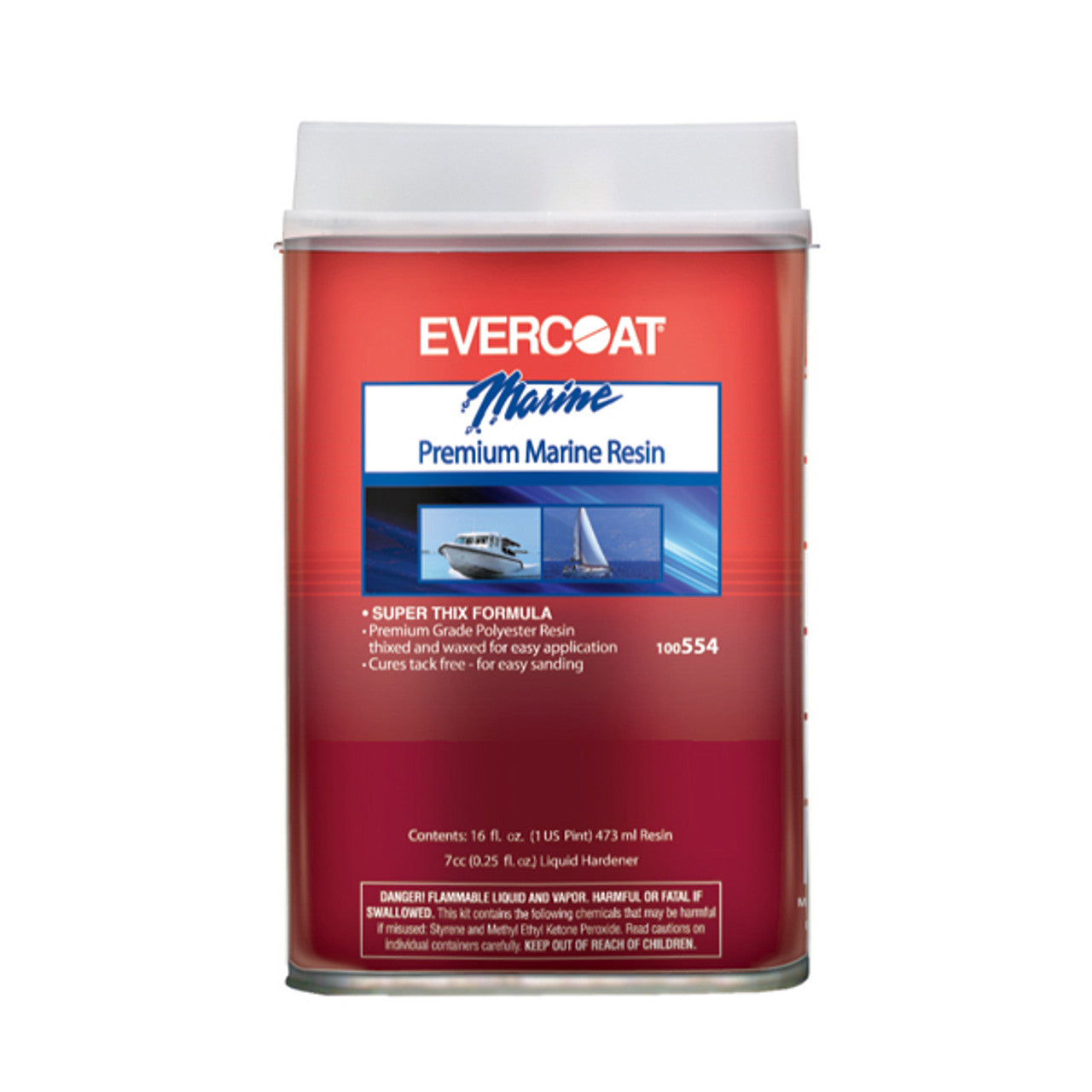
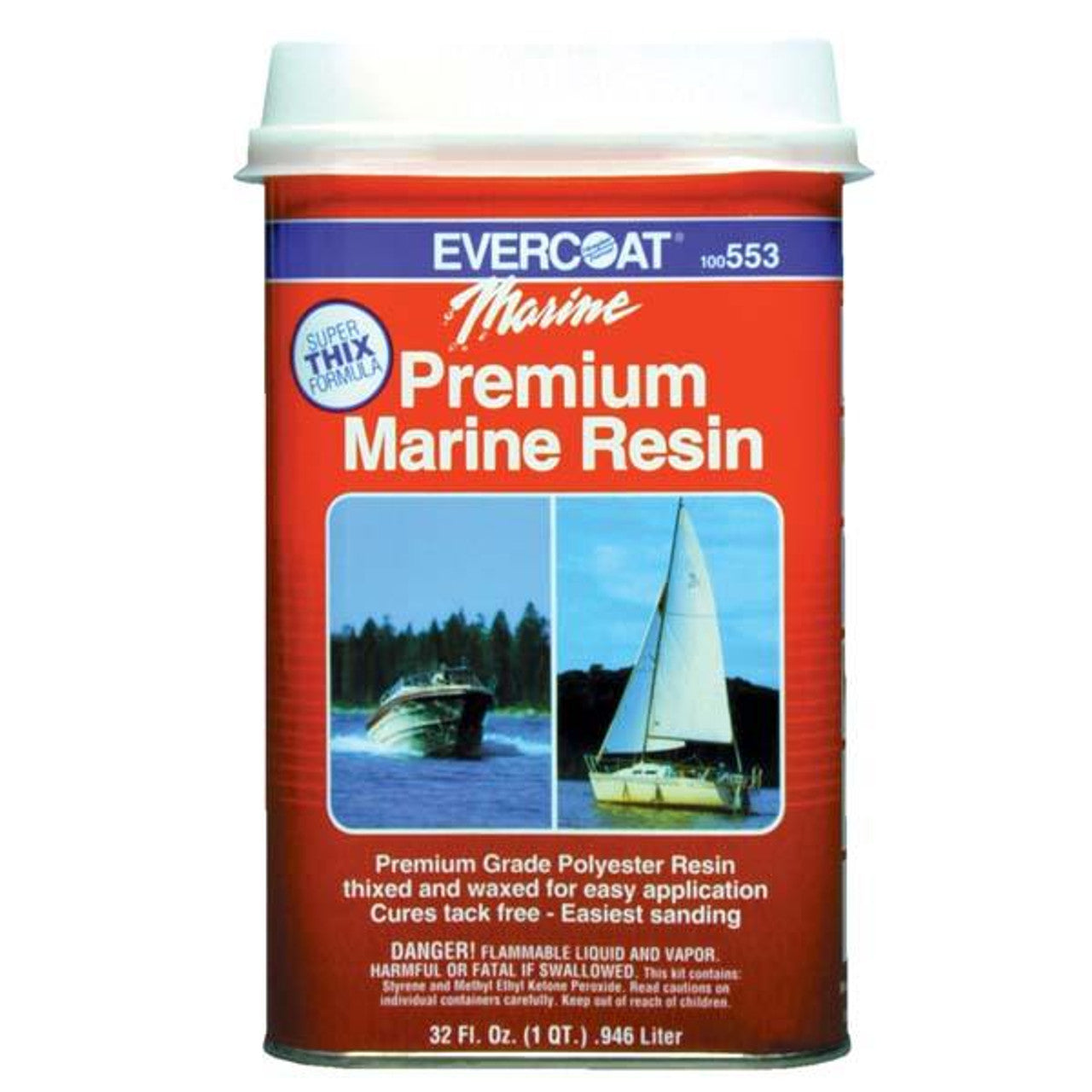
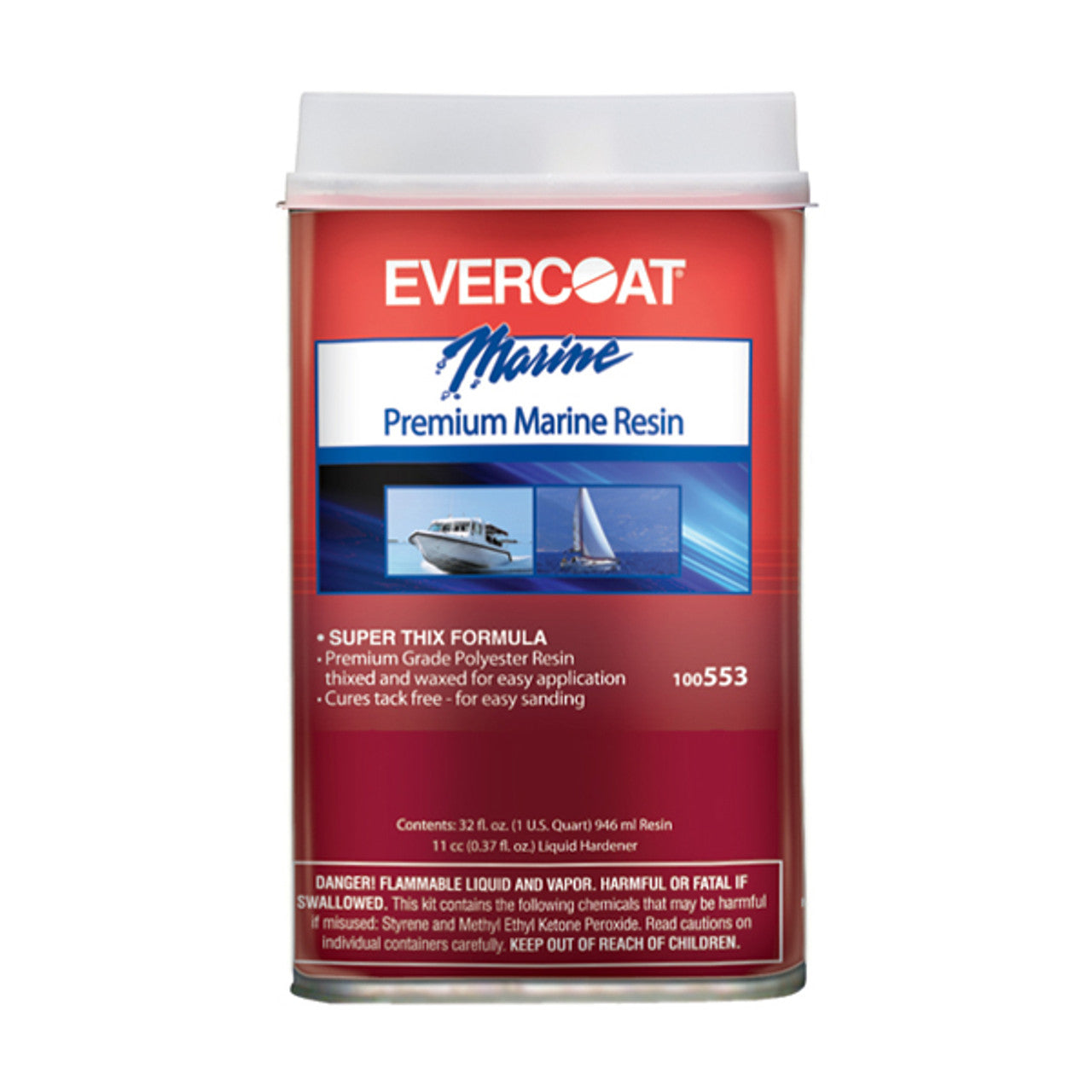
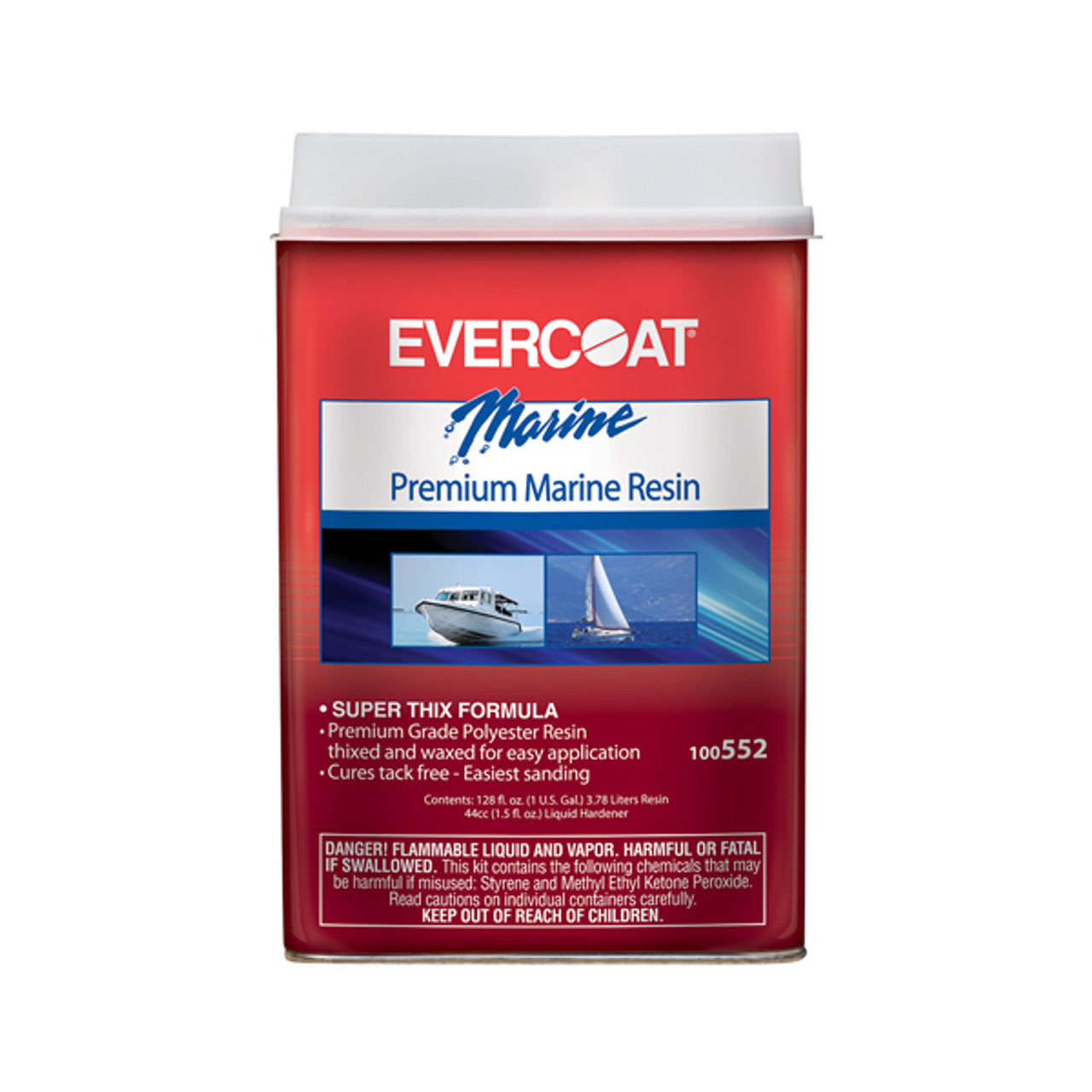
Premium Marine Polyester Resin
The perfect no-run, no-sag polyester resin for marine repairs! May be used on softwoods and fiberglass. Ideal repair for hulls, decks, cabins and tanks. Repairs all boat surfaces, resists impacts and protects against moisture damage. Use with Sea-Glass fiberglass fabrics and Evercoat Coloring Agents. Liquid hardener included. ***WILL SHIP GROUND ONLY TO THE CONTIGUOUS 48 STATES ONLY***
SDS
Frequently Asked Questions
What is Premium Marine Polyester Resin used for?
Premium Marine Polyester Resin is designed for marine repairs on softwoods and fiberglass. It can be used for repairing hulls, decks, cabins, and tanks, and is formulated to resist impacts and protect against moisture damage.
Can Premium Marine Polyester Resin be used on fiberglass?
Yes. Premium Marine Polyester Resin may be used on fiberglass as well as softwoods. It is intended for marine repair applications involving boat surfaces.
What boat surfaces can Premium Marine Polyester Resin repair?
Premium Marine Polyester Resin is suitable for repairs involving hulls, decks, cabins, and tanks. The product description also states that it can be used to repair all boat surfaces.
Does Premium Marine Polyester Resin include hardener?
Yes. Liquid hardener is included with Premium Marine Polyester Resin.
What fiberglass materials can be used with Premium Marine Polyester Resin?
Premium Marine Polyester Resin is intended for use with Sea-Glass fiberglass fabrics. The product description also states that it can be used with Evercoat Coloring Agents.
Technical Specifications
Compare Resins
| Product | 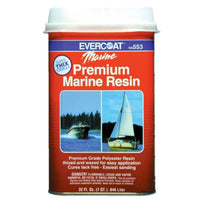 Premium Marine Polyester ResinYou're viewingfrom $42.99 Premium Marine Polyester ResinYou're viewingfrom $42.99
| 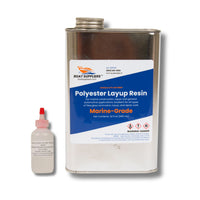 Marine-Grade Polyester Layup Resin with Hardenerfrom $34.95 Marine-Grade Polyester Layup Resin with Hardenerfrom $34.95
| 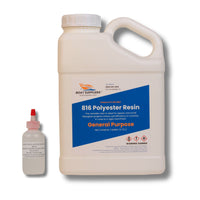 General Purpose Polyester Resin with Hardenerfrom $59.95 General Purpose Polyester Resin with Hardenerfrom $59.95
|
|---|---|---|---|
| Type | Polyester - thixotropic, no-run / no-sag (hardener included) | Polyester - standard marine laminating (unwaxed) | Polyester - general purpose, non-structural (unwaxed) |
| Mix Ratio | — | MEKP ~1.25% (≈1 oz/gal) - included | MEKP ~1 oz/gal - included |
| Pot Life | Working time 4-7 min; gels in 20-30 min @ 75-80°F | 15-20 min @ 80°F | 15-20 min @ 80°F |
| Full Cure | 6-8 hr | — | — |
| Wax | — | Unwaxed (laminating) - add surfacing wax to the final coat to sand/polish | Unwaxed (laminating) - add surfacing wax to the final coat to sand/polish |
| Fabrics | Must be used with fiberglass cloth, mat, woven roving, or tape | Fiberglass cloth, CSM, woven roving, 1708/1208 biaxial - not for carbon/Kevlar structural work | Fiberglass cloth, CSM, woven roving, 1708/1208 biaxial - not for carbon/Kevlar structural work |
| Best For | Vertical & overhead repairs - won't run or sag | Marine construction & structural repair | Budget repairs & small projects - not for structural work |
| View | View |
What’s the difference between epoxy and polyester resin?
What is polyester resin used for in marine applications?
How long does polyester resin take to cure?
How much MEKP do I add to polyester resin?
What's the difference between laminating resin and finishing resin?
Can I tint polyester resin?
Can I use polyester resin on EPS foam?
Does epoxy or polyester resin expire?
Blog posts

Epoxy Calculator: How Much Resin Your Layup A...
Epoxy Calculator: How Much Resin Your Layup A...

Polyester Gelcoat: Waxed vs Unwaxed, Tooling ...
Polyester Gelcoat: Waxed vs Unwaxed, Tooling ...
