Useful Tips for Working with Fiberglass Mat

21 February 2026
Fiberglass chopped strand mat (CSM) is a popular choice for boat repairs, reinforcement, and custom fiberglass projects. However, to achieve the best results, it's important to understand how the material interacts with resins and how much resin is needed for proper saturation. Below are some essential tips to help you get the most out of your fiberglass mat application.
Understanding Chopped Strand Mat
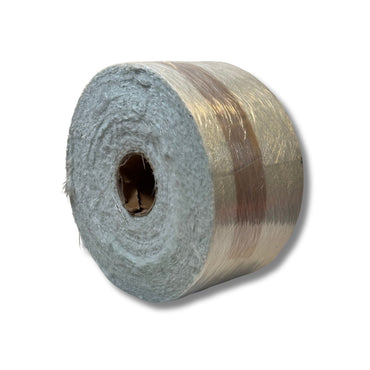
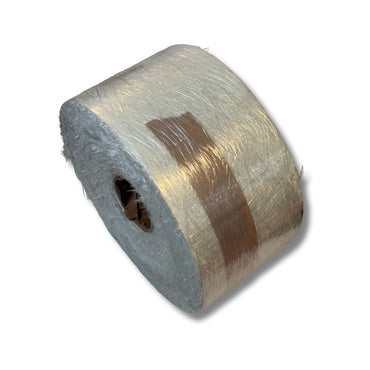
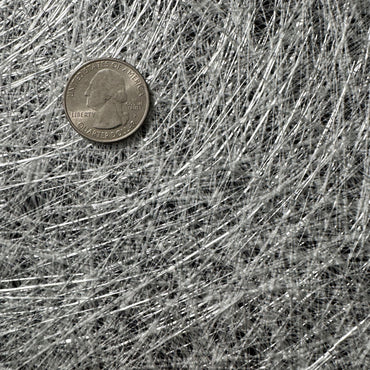
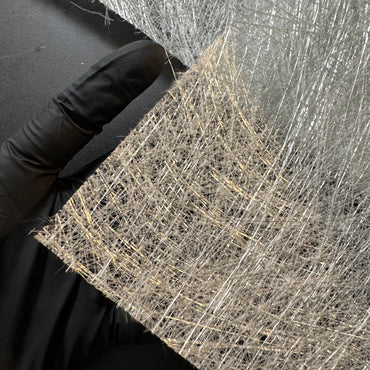
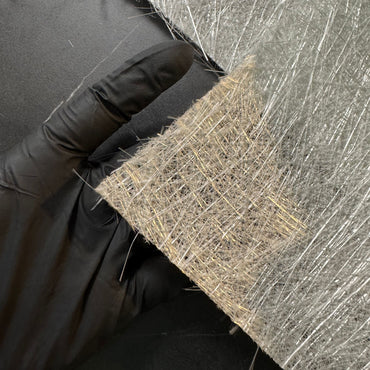
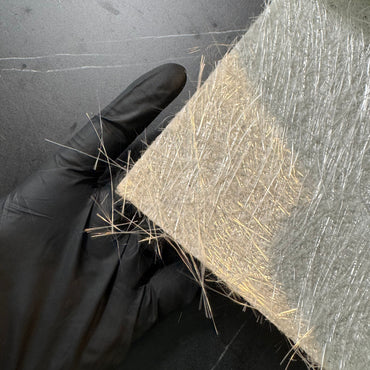
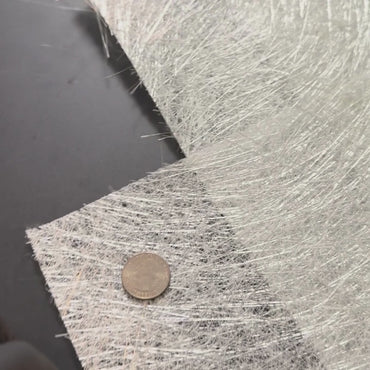
Chopped strand mat consists of individual fiberglass fibers that are randomly arranged and held together by an adhesive binder. This binder is specifically designed to dissolve when exposed to polyester or vinyl ester resins, allowing the fibers to disperse and integrate into the resin for a strong, durable laminate. Proper wet-out ensures maximum strength and adhesion, making it crucial to use the right amount of resin.
How Much Resin Do You Need?
One of the most common questions when working with fiberglass mat is how much resin is required for full saturation. The general rule of thumb is:
- Fiberglass mat absorbs approximately 1.5 to 2 times its own weight in resin.
- For example, if you are using 1 pound of fiberglass mat, you will need between 1.5 to 2 pounds of resin to fully saturate it.
- Most polyester and vinyl ester resins weigh approximately 9.5 pounds per gallon.
Using the right resin-to-mat ratio ensures that your fiberglass laminate is properly reinforced without becoming overly resin-rich, which can make it brittle.
Tips for Proper Application
- Measure Your Materials – Before starting your project, calculate how much mat and resin you'll need based on the above guidelines. This helps prevent waste and ensures you have enough materials for the job.
- Use the Right Resin – Fiberglass chopped strand mat is designed to work best with polyester and vinyl ester resins. Epoxy resin does not break down the binder in the mat, making it unsuitable for this application unless using a compatible, binder-free mat.
- Ensure Full Saturation – When applying resin, use a brush or roller to work it into the mat, ensuring all fibers are fully wet out without pooling excess resin.
- Work in Layers – For thicker applications, layer the mat and resin gradually, allowing each layer to partially cure before adding the next.
- Control Your Working Time – Resin cures faster in warm conditions, so be mindful of the temperature and pot life of your resin to avoid premature hardening.
By following these tips, you can create strong, durable fiberglass laminates for your boat repairs or DIY projects. When choosing between different fiberglass materials, consider the differences between biaxial and chopped strand mat for your specific application. Looking for high-quality fiberglass materials and resins? Visit Boat Suppliers to explore our wide selection of fiberglassing products and marine supplies!
Frequently asked questions
How much resin does fiberglass mat soak up?
Chopped strand mat absorbs roughly 1.5 to 2 times its own weight in resin for full wet out. If you are laying up 1 pound of mat, plan on 1.5 to 2 pounds of resin. Most polyester and vinyl ester resins run about 9.5 pounds per gallon, so a pound of mat needs roughly a fifth of a gallon. Hitting that ratio keeps the laminate properly reinforced without going resin-rich and brittle.
Can I use epoxy resin with chopped strand mat?
Standard chopped strand mat is held together by a binder formulated to dissolve in polyester or vinyl ester resin, and epoxy does not break that binder down. The fibers never disperse or wet out properly, so the laminate stays weak. Use CSM with polyester or vinyl ester only, unless you specifically buy a compatible binder-free mat made for epoxy work.
Why does the binder in fiberglass mat need to dissolve?
CSM is loose, randomly oriented glass fibers tacked together by an adhesive binder so the mat holds its shape on the roll. When the right resin hits it, that binder dissolves, freeing the fibers to spread out and conform to the surface. That dispersion is what lets the fibers fully integrate into the resin and build a strong, void-free laminate, which is why correct resin choice and full wet out matter.
How do I wet out fiberglass mat without trapping excess resin?
Work the resin into the mat with a brush or roller until every fiber goes translucent and wet, then keep working it to push out air without leaving resin pooling on top. The goal is full saturation, not a flooded surface. Excess resin makes the part brittle and adds weight. For thicker builds, lay the mat and resin in stages and let each layer partially cure before adding the next.
How does temperature affect working time with fiberglass mat?
Resin cures faster as it warms up, so in hot shop conditions your pot life shrinks and the mix can kick before you finish wetting out. Mind the ambient temperature and the resin pot life, mix in batches you can actually use in time, and keep an eye on the bucket. In warm weather, smaller batches give you more open time to fully saturate the mat before it gels.
Shop the materials in this guide
- 1.5 oz chopped strand mat.
- 2 oz chopped strand mat.
- a fiberglass roller, to consolidate and debulk mat.
- all chopped strand mat.
Prev post

How to Choose Your Fiberglass Chop Mat Size
Updated on 21 February 2026
Next post

What Is Chopped Strand Mat? A Beginner's Guide to Fiberglass Mat
Updated on 21 February 2026