Fiberglass Fillers – Mixing and Applying with Resin

21 February 2026
When it comes to boat repairs and customization, fiberglass work is one of the most common—and most crucial—tasks for boat owners. Whether you're patching a damaged hull or reinforcing high-stress areas, knowing how to mix and apply fiberglass fillers with resin can make the difference between a long-lasting repair and one that fails after the next wave.
In this post, we'll walk through the essentials of fiberglass fillers, how to properly mix them with resin, and best practices for a clean, strong application.
What Are Fiberglass Fillers?
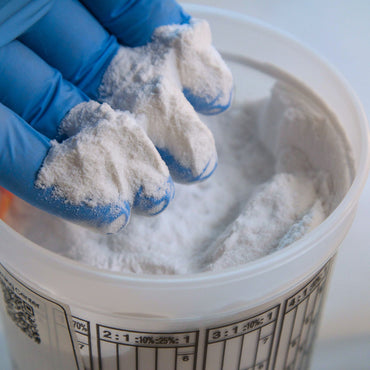
Fiberglass fillers are additives used with resin (typically polyester or epoxy) to create a thickened mixture. This compound can be used to fill gaps, fair surfaces, bond parts, or add structural strength. Depending on the filler type, the resulting compound can be lightweight, sandable, strong, or flexible.
Common Types of Fillers Include:
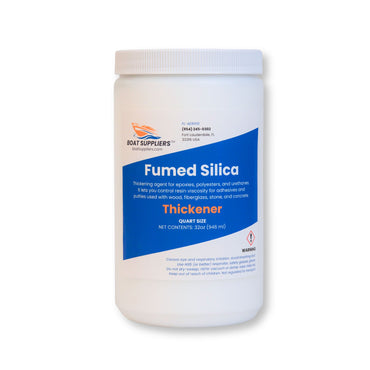
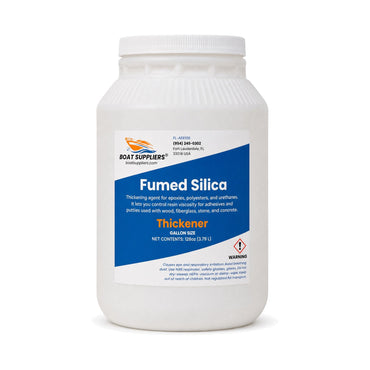
- Cabosil (fumed silica): Thickens resin and prevents sagging. Great for vertical or overhead applications.
- Milled Fibers: Adds strength. Best for structural bonding and high-load areas.
- Microballoons: Lightweight and easy to sand. Ideal for fairing and cosmetic work.
- Chopped Strand Fibers: Short fiberglass pieces that reinforce resin for structural patches.
Choosing the Right Resin
Fillers are typically mixed with either epoxy resin or polyester resin. Epoxy is preferred for most boat repairs because of its superior strength, flexibility, and bonding properties. Polyester is more economical and often used for cosmetic work, but it doesn't bond as well to cured surfaces.
👉 Looking for high-quality resins and fillers? Check out our Fiberglass & Resin Supplies to get started with trusted brands.
How to Mix Fiberglass Fillers with Resin
- Measure Your Resin and Hardener: Follow the correct ratio on your resin system (usually 2:1 or 1:1 for epoxy).
- Mix Thoroughly: Stir until completely blended—no streaks should remain.
-
Add Filler Slowly: Sprinkle the filler into the resin while continuously mixing. Add enough to reach the desired consistency.
- For glue-like paste, use Cabosil or Milled Fibers.
- For a peanut butter-like consistency, ideal for fairing, mix Microballoons with a bit of Cabosil.
- For putty-like compound, add chopped strand fibers for structural repairs.
- Check the Working Time: Thicker mixes will cure faster. Always be mindful of pot life, especially in warm conditions.
Applying the Filler Compound
- Surface Prep is Key: Clean and sand the surface. Wipe with acetone to remove contaminants.
- Spread Smoothly: Use a plastic spreader, putty knife, or trowel to apply. Press firmly to eliminate air bubbles.
- Layer if Necessary: For deeper voids, build up the filler in layers to prevent excessive heat and shrinkage.
- Sand and Finish: Once cured, sand the surface to shape. Finish with a topcoat or gelcoat as needed.
Pro Tips for Success
- Always wear gloves and a respirator—fiberglass dust and resin fumes are hazardous.
- Work in a well-ventilated area with controlled temperature.
- Mix small batches to avoid waste and overheating.
- Store unused filler in a sealed container to keep moisture out.
Wrap-Up: Stronger, Smoother Repairs
Mastering fiberglass fillers and resin application is a game-changer for any DIY boater or repair technician. With the right materials and know-how, you can tackle anything from small dings to major structural fixes.
Ready to stock up? Browse our full range of Fiberglass & Resin Supplies and Boat Repair Tools to find everything you need for your next project.
Want more how-tos and tips like this? Sign up for our newsletter and stay ahead on all things boating, repair, and maintenance.
Frequently asked questions
Which filler should I use to stop resin from sagging on a vertical surface?
Use fumed silica, sold under the Cabosil brand. It thickens resin and prevents sag, which makes it the right call for vertical or overhead work and for fillets. Sprinkle it into fully mixed resin while stirring until you reach a glue-like, non-sag paste. Milled fibers also give a glue-like paste when you want added bonding strength along with the thickening.
How do I mix a fairing compound that sands easily?
Start with fully mixed resin and hardener, then sprinkle in microballoons while stirring to a peanut-butter consistency, adding a little fumed silica to control sag. That blend stays lightweight and sands easily, which is exactly what you want for fairing and cosmetic work. Add filler slowly and keep going until the mix holds its shape without slumping off the spreader.
What is the right mixing order for resin, hardener, and filler?
Measure resin and hardener to the system ratio first, commonly 2:1 or 1:1 for epoxy. Stir that until it is completely blended with no streaks. Only then sprinkle the filler in slowly while you keep mixing, building to the consistency the job needs. Adding filler before the resin and hardener are homogenized risks an uneven cure and a weak, patchy compound.
How do I keep a deep filler repair from overheating and shrinking?
Thicker mixes cure faster and a deep void packed in one shot can build excessive exothermic heat, which causes shrinkage and cracking. Build the filler up in layers instead, letting each step set before the next. Mix small batches so nothing kicks in the pot, watch your working time in warm conditions, and press firmly with a spreader to drive out air bubbles.
Which filler adds the most structural strength for a high-load patch?
For structural bonding and high-load areas, reach for milled fibers or chopped strand fibers. Milled fibers thickened with resin make a strong glue-like paste for bonding; short chopped strand fibers build a putty-like compound that reinforces the resin for structural patches. Save microballoons for fairing only, since their light, easy-sand nature means they are not meant to carry load.
Shop the materials in this guide
- fumed silica (Cabosil), for non-sag paste and fillets.
- phenolic microballoons, for easy-sand fairing.
- cotton flock, for high-strength structural bond.
- all fillers and additives.
Prev post

How to Choose Your Fiberglass Chop Mat Size
Updated on 21 February 2026
Next post

What Is Chopped Strand Mat? A Beginner's Guide to Fiberglass Mat
Updated on 21 February 2026