Fiberglass Keel and Skeg Repair: Grind Back, 1708 Schedule, Fairing

06 October 2026
A grounded keel or a skeg that a trailer roller has chewed through is a fiberglass keel repair in three steps: grind a 12:1 taper back to sound, dry laminate; rebuild the thickness with 1708 biaxial in vinyl ester or epoxy, never general purpose polyester; then run a 6 in 1708 tape wear strip down the centerline, fair it thin, and finish with gelcoat or bottom paint. This is the molded keel and skeg on the hull, not the outboard's aluminum skeg.
Read the damage first
Depth decides the job, not the size of the scuff.
| What you see | The fix |
|---|---|
| Dull gelcoat, no fibers showing | Sand 80 grit, skim with fairing compound, gelcoat |
| White fuzzy glass, under 1/8 in (3 mm) deep | 12:1 taper, 2 to 3 plies of 1708, tape strip, fair |
| Deeper than 1/8 in, or a hollow keel opened up | Dry it, fill the void with thickened resin, 3 to 4 plies, tape strip, fair |
| Crack running from the keel up the hull side | Grind the full crack to a V, then the same schedule |
Vinyl ester or epoxy on a keel
The keel is the most abraded, most soaked part of the hull, and the repair is a secondary bond to cured laminate. That rules out general purpose polyester, which has the weakest secondary bond of the three marine resins.
| Vinyl ester | Epoxy | |
|---|---|---|
| Secondary bond to old laminate | Good | Best |
| Water resistance below the waterline | Very good, the blister repair standard | Best |
| Gelcoat over the repair | Yes, directly, once sanded | Only after full cure, a blush wash and 80 grit; most shops bottom paint instead |
| Catalyst or hardener | MEKP, 1.25 to 2% by volume at 77°F (25°C), per the TDS | 2:1 by volume for the Boat Suppliers laminating epoxy, 5:1 for West System 105/206 |
On a gelcoated production boat, vinyl ester is the answer: it bonds well, cures fast, and gelcoat goes straight over it. Dose the MEKP for shop temperature with the MEKP catalyst calculator. Old repairs, wood or a wet hollow in there, or a bottom-painted boat: go epoxy and bottom paint over an epoxy-compatible primer.
Grinding back: the 12:1 taper
Grind a dish, not a hole. From the deepest point, the taper runs out 12 times the depth in every direction: 1/8 in (3 mm) deep means 1.5 in (38 mm) of taper each side, 1/4 in (6 mm) means 3 in (76 mm). Cut with 36 grit, then 80 to knock down the grooves and feather the edge into the gelcoat. Wear a fitted P100 with organic vapor cartridges, nitrile gloves and eye protection; cured glass dust is the itchiest thing in the shop.
Many production hulls have a hollow keel, filled at the factory with putty, foam, or nothing, and once a grounding opens it, water wicks along it. Dig out every bit of wet putty or foam, dry it (tape a square of clear plastic over it overnight; fog means wet), then fill the void with resin thickened with Aerosil fumed silica to peanut butter, about 1 cup of loose silica per cup of mixed resin, in lifts no deeper than 1/2 in (12 mm) to control exotherm, stopping just below the bottom of the dish. Acetone wipe the dish and do not touch it again.
The 1708 schedule for a keel repair
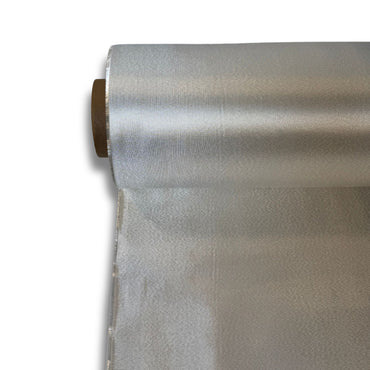
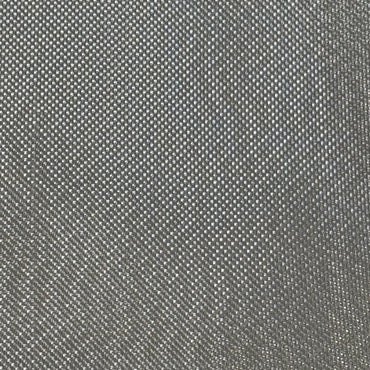
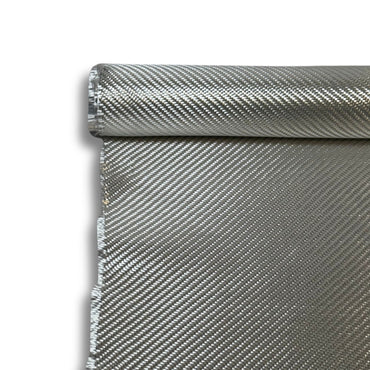
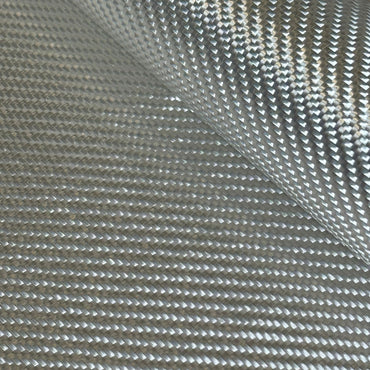
1708 is 17 oz/yd² (576 g/m²) of stitched E-glass at +45 and -45 degrees over a 3/4 oz chopped strand mat backer, and hand-laid it builds about 0.040 in (1 mm) per ply. Match the thickness you removed: 3 plies for 1/8 in, 6 for 1/4 in. Mat side down: the mat fills the grinder texture and makes the bond, the biaxial carries the load.
Cut the plies to the taper, the first fitting the bottom of the dish and each one after it about 1 in (25 mm) bigger all around, so the last and largest lands on the widest band of fresh-ground glass. Wet each ply from the center out, roll until the mat goes clear, and go straight to the next: all plies in one session, wet on wet. Figure about a pint (16 fl oz) of mixed resin per square yard of 1708 per ply; run your dimensions through the resin calculator before you mix.
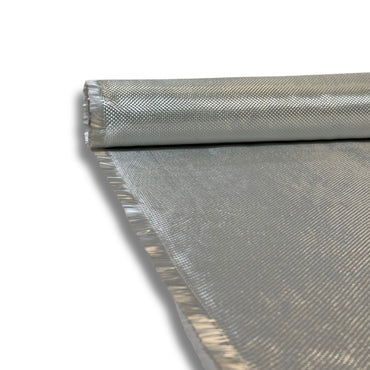
The last ply on a keel is the wear strip: 1708 Biaxial Fiberglass Tape in the 6 in width, run down the centerline 3 in (76 mm) past both ends of the repair. On a skeg torn at the trailer, wrap it in 3 to 4 plies of tape alternating direction; the skeg takes the roller load every launch.
Which kit
For a hand-sized gouge on a gelcoated hull, the Vinyl Ester Patch Repair Kit has a quart of vinyl ester, the MEKP, and a yard each of 1708 and 1.5 oz mat. For a keel strip chewed up over 4 to 6 ft, the 1708 Biaxial Fiberglass & Resin Kit (Gallon Vinyl Ester option) gives you five yards of 50 in 1708 and a gallon of resin. The epoxy route is the 1708 Fiberglass Repair Kit, five yards of 50 in 1708 and 1.33 gallons of marine epoxy. Cloth alone is 1708 Biaxial Fiberglass, 38 in wide.
Fairing a ground keel
Once the layup is hard (next morning for vinyl ester, 24 hours at 70°F (21°C) for epoxy), knock the high spots and the tape edge down with 40 grit, then skim with Boat Suppliers Fairing Compound mixed into the resin you laminated with. It is a pre-blended fumed silica, phenolic microballoon and glass bubble powder that spreads without slumping. Mix to peanut butter and keep it thin: 1/8 in (3 mm) per pass at most. On a keel headed for the next sandbar, fairing is a skim coat, not a build; put the thickness in glass. Longboard 40 then 80, fill pinholes, and finish at 120 for gelcoat or 80 for bottom paint. The fairing filler calculator sizes the mix. Epoxy gets a water wash for amine blush before fairing and a full seven day cure at 70°F before any polyester gelcoat goes on.
We did a keel on a 21 ft bay boat last spring that the owner had faired with microballoon putty over gelcoat, no glass; it lasted one season. The second time it got the taper, four plies of 1708 in vinyl ester, a 6 in tape strip end to end, and a skim of fairing compound. That one will outlast the trailer.
Frequently asked questions
Can I use polyester resin for a fiberglass keel repair?
Not general purpose polyester; its secondary bond to cured laminate is the weakest of the marine resins. Use vinyl ester at 1.25 to 2% MEKP by volume on a hull you will gelcoat, or epoxy where there are old repairs, a wet hollow, or bottom paint.
How far back do I grind a keel gouge?
Twelve times the depth in every direction: a gouge 1/8 in (3 mm) deep gets a 1.5 in (38 mm) taper each side, 1/4 in (6 mm) gets 3 in (76 mm). Feather the edge so the last ply lands on ground glass, not gelcoat.
How many layers of 1708 does a keel repair need?
About 0.040 in (1 mm) per hand-laid ply, so put back what you removed: 3 plies for 1/8 in, 6 for 1/4 in. Then one ply of 6 in 1708 tape down the keel centerline as a wear strip, run 3 in past each end.
Does the keel need to be dry before I laminate?
Yes. Tape a 12 in (30 cm) square of clear plastic over the ground area for 24 hours; fog on the inside means the laminate or the hollow is wet. Dry it with a heat lamp and a fan for several days and test again; resin over a wet hollow delaminates within a season.
What You Need For This Job
- Vinyl Ester Patch Repair Kit: one or two gouges on a gelcoated hull
- 1708 Biaxial Fiberglass & Resin Kit: a full keel strip in vinyl ester
- 1708 Fiberglass Repair Kit: the epoxy route, cloth and resin matched
- 1708 Biaxial Fiberglass Tape: 6 in tape for the wear strip and skeg wrap
- Aerosil - Cabosil (Fumed Silica): fills a hollow keel void
- Boat Suppliers Fairing Compound: the skim coat over the layup