Customer Spotlight: Bringing a 2002 Surfboard Back with Thin Clear Epoxy

12 August 2026
"Excellent product. Very happy. Reglassed an old 2002 surfboard. Very forgiving stuff. Nice cure." Five stars from Kylaar M., verified buyer, with photos of the finished board attached to the review. An early 2000s board brought back with fresh glass, and a finish that goes well beyond a patch job.

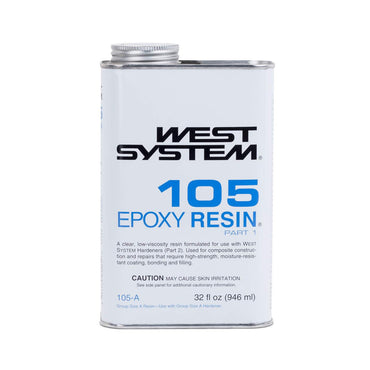
His stack was our thin, clear epoxy resin kit with hardener in the slow cure 2:1 ratio (the 96oz kit, 64oz resin plus 32oz hardener) and 10 yards of 6oz fiberglass E cloth, 50 inch wide. That combination is the standard answer for board work, and it is worth explaining why.
What a reglass job actually is
A twenty-plus year old board usually has sound foam under tired glass: pressure dings, spider cracks, yellowed hotcoat, maybe a delaminated patch or two. A reglass strips or sands back the damaged laminate, lays fresh cloth over the shaped blank, wets it out, and builds the finish coats back up. The foam and the outline stay; the skin is new. It is the highest-leverage repair in surfboard work because you get a structurally new board while keeping the shape you already like.

Why thin epoxy earns the "forgiving" review
Two properties do the work here. First, viscosity: this resin runs thin, syrup rather than honey, so it soaks through 6oz cloth fast and flows level instead of sitting up in ridges. Fast wet-out matters most on a long panel like a surfboard deck where you are chasing the resin front with a squeegee. Second, the slow 2:1 hardener buys open time. On a full longboard lamination you want the whole wet-out done and squeegeed before anything starts to gel, and slow cure means the resin is not racing you. That is exactly what "very forgiving stuff" means in practice: time to fix a dry spot, chase an air bubble, and pull excess resin without the panel kicking underneath you.
There is also a compatibility point worth knowing: epoxy bonds fine over a sanded, cured polyester board, but polyester resin will not bond reliably over epoxy. For a 2002 board that was almost certainly polyester glassed from the factory, going epoxy for the reglass is the safe direction. And clear epoxy leaves the finish decision open: keep it water clear to show the board off, or tint it the way Kylaar did, going dark over the deck with red and amber streaks while the bottom stayed true to the original artwork. If you run into bubbles, sticky spots, or yellowing during the process, those are solvable problems with the right approach.

The cloth side
6oz E cloth is the board-work workhorse: light enough to stay clear and follow the rails, heavy enough to take real dings. A typical longboard runs two layers on the deck and one on the bottom, so a 10 yard cut covers a full reglass with material left over for patches or the next project. For EPS foam boards, the repair approach has some differences worth knowing — see our guide on how to fix an EPS epoxy surfboard.
Get the materials
The thin, clear epoxy resin kit with hardener comes in slow (2:1), medium (3:1), and fast (4:1) cure options from 12oz kits up to 7.5 gallon kits. Pair it with 6oz fiberglass E cloth, 50 inch wide by the yard. For a full board reglass, the 96oz slow cure kit Kylaar used is the right size. Getting your temperature and humidity conditions right before you start will make a real difference in the final result.
Working on a board, a boat, or something else entirely with our materials? Send photos to hello@boatsuppliers.com, or attach them to your review like Kylaar did. We would love to see the work, and your project might be the next spotlight.