Wood Epoxy: Sealing, Bonding and Rot Repair Ratios

24 October 2026
Wood epoxy work is three separate jobs with three separate mixes. Sealing and clear coating wants West System 105 with 207 Special Clear at 3:1 by volume, three coats, no blush to wash off. Bonding wants a thickened, non-sag epoxy, either Six10 from a cartridge or 105 with fumed silica, on faces you have already wet out neat. Rot repair wants dry wood under 15 percent moisture, warm thin epoxy to saturate, then a thickened fill, then a decision about whether that piece should have been replaced. The ratios and cure numbers for each are below.
Sealing and clear coating: 105/207 at 3:1
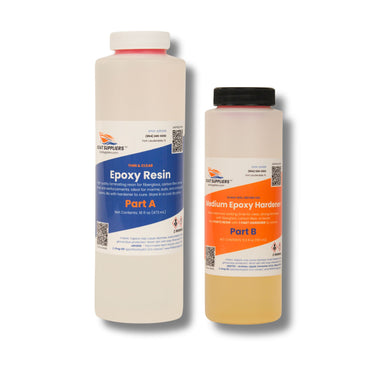
For a bright finish on teak, mahogany, or a plywood sole you intend to varnish, the pairing is West System 105 Epoxy Resin with West System 207 Special Clear Hardener. The ratio is 3:1 by volume, 3.7:1 by weight, and it matters: hold it within 5 percent or the cured film stays soft. Pot life is 22 to 27 minutes for a 100 g cup at 72°F (22°C), working time on a spread film 100 to 120 minutes, solid in 10 to 15 hours, full cure in 4 to 9 days. 207 cures blush-free, so you can recoat without washing, and it has a UV inhibitor that slows yellowing under the varnish.
Three coats minimum on bare wood. The first coat soaks in and looks starved, especially on end grain; do not sand it, just recoat while it is still tacky, within 24 hours at 72°F, and the coats bond chemically. Miss that window and it is a wash with water and a 220 grit scuff before the next coat. Warm the wood with a heat gun or lamp and apply the first coat as the wood cools; that pulls epoxy into the grain instead of pushing bubbles out of it. Wood should be under 12 percent moisture before sealing. Run your square footage through the resin calculator for a three-coat quantity rather than guessing; end grain and rough-sawn stock take far more than planed faces.
For a non-clear seal under paint, 105 with 206 Slow at 5:1 by volume (5.19:1 by weight) is cheaper and blushes, so plan on the water wash between fully cured coats. Either way, epoxy on exterior wood always gets varnish or paint over it. The 207 UV inhibitor buys time; it does not replace a topcoat.
Bonding: thickened, non-sag, never starved
Epoxy bonds to wood on a film thickness, not clamp pressure. Wet both faces with neat 105 first so the wood drinks what it wants, then apply a thickened epoxy and clamp only enough to close the joint and squeeze out a small bead. Crank the clamps and you starve the glue line.
For hardware, cleat blocking, backing plates, small bulkhead tabs, and any joint where mixing a cup of 105 and stirring in fumed silica wastes more than you use, the West System Six10 Thickened Epoxy Adhesive meters 105-based resin and hardener through a static mixing tip from a caulking gun. Working time is 42 minutes at 72°F (22°C), solid in 5 to 6 hours, full cure 24 hours. The bead is shear-thinning: it wets out under a spreader and stands up on a vertical face.
For a long scarf, a laminated stem, or gluing up a transom core from plywood, mix 105/206 and thicken to a mayonnaise consistency for gap filling. Mix the neat epoxy fully first, then add filler. On gallon batches, the 16" Steel Power Mixer on a slow drill folds filler in without whipping air and reaches the bottom of the can where unmixed hardener collects. Two minutes, scrape, one more minute.
Rot repair: what epoxy fixes and what it does not
Epoxy repairs rot in wood that is dry, accessible, and not carrying a structural load on its own. A soft spot in a rubrail core, a rotten corner on a hatch frame, a punky patch in a cabin sole: those are epoxy jobs. A transom core, a stringer, or a deck beam that is rotten through is a replacement job, and epoxy poured into it is a delay, not a repair.
The sequence: dig out everything soft with a chisel or a screwdriver until the wood is hard and bright, then dry it. A moisture meter under 15 percent, and a few days with a lamp and a fan if it is not there. Drill 1/4 inch (6 mm) holes at 1 inch (25 mm) spacing into the sound wood around the cavity to give the epoxy a path. Warm 105/206 to about 80°F (27°C) so it thins, and brush or inject it until the wood stops taking it. Never thin it with solvent; heat only. Once that saturation coat is tacky, fill the cavity with 105/206 thickened to peanut butter with wood flour or fumed silica, in lifts no more than 1/4 inch (6 mm) to control the exotherm. Sand next day, then seal and paint, or sheath with 6 oz cloth if the area sees load.
| Job | System | Ratio by volume (by weight) | Pot life, 100 g at 72°F | Notes |
|---|---|---|---|---|
| Clear seal and coat | 105/207 | 3:1 (3.7:1) | 22 to 27 min | 3 coats, recoat within 24 hr, blush-free, varnish over |
| Seal under paint | 105/206 | 5:1 (5.19:1) | 20 to 25 min | Wash blush between cured coats |
| Bonding, small | Six10 cartridge | Metered by tube | 42 min working time | Wet faces neat first, light clamp |
| Bonding, large | 105/206 plus filler | 5:1, then thicken | 20 to 25 min before filler | Mayonnaise for gaps, peanut butter for fillets |
| Rot saturation | 105/206, warmed to 80°F | 5:1 (5.19:1) | Shorter when warm, check the TDS | Wood under 15 percent moisture, no solvent |
Tinting wood epoxy
A tinted seal coat hides a mismatched patch on a painted sole or turns a filled rot cavity black so it disappears under a dark hull side. The Carbon Black and Autumn colors of Liquid Colored Pigments are opaque dispersions; stir a few drops per ounce into the resin side until streak-free, then add hardener at the normal ratio. Keep pigment out of the first saturation coat on bare wood; it can mask a starved area you need to see.
Nitrile gloves and eye protection on every batch, and a P100 respirator with organic vapor cartridges when sanding cured epoxy or working over open solvent.
Frequently asked questions
What is the best epoxy for sealing wood on a boat?
West System 105 with 207 Special Clear Hardener at 3:1 by volume for anything that will be varnished; it cures blush-free and carries a UV inhibitor. Apply three coats on bare wood, recoating within 24 hours at 72°F (22°C) so the layers bond chemically. Under paint, 105/206 at 5:1 is cheaper and works the same, with a water wash for blush between cured coats.
How many coats of epoxy does bare wood need?
Three is the minimum for a sealed, sandable surface; end grain and rough-sawn stock often want four. The first coat soaks in and looks dry within an hour, which is normal. Recoat while the previous coat is still tacky, within 24 hours at 72°F, and no sanding is needed between coats. Size the order with the resin calculator, since a first coat on bare wood takes roughly twice what a fill coat does.
Can epoxy fix rotten wood on a boat?
Only wood that is dry, reachable, and not structural on its own. A soft hatch frame or rubrail core gets dug to hard wood, dried under 15 percent moisture, saturated with warmed 105/206, and filled with thickened epoxy in 1/4 inch lifts. A rotten transom core, stringer, or deck beam gets replaced. Epoxy poured into wet structural rot delays the failure; it does not stop it.
How do I thin epoxy to penetrate wood?
Heat, not solvent. Warm the resin and hardener to about 80°F (27°C) before mixing and warm the wood with a lamp, then apply as the wood cools so it draws epoxy in. That roughly halves viscosity without cutting strength. Acetone or alcohol at even 5 percent lowers water resistance and traps solvent in the film. Expect the warmed batch to kick faster, so mix 4 oz at a time.
Should I use Six10 or mix my own thickened epoxy for wood joints?
Six10 for anything under about a pint of glue: hardware, blocking, backing plates, small tabs. It meters the ratio itself, works 42 minutes at 72°F (22°C), and is solid in 5 to 6 hours. For a laminated stem, a long scarf, or a plywood transom core, mix 105/206 at 5:1 and thicken with fumed silica; it is cheaper per ounce and you control the consistency.
What You Need For This Job
- West System 105 Epoxy Resin: the base resin for sealing, bonding, and rot saturation
- West System 207 Special Clear Hardener: 3:1 blush-free clear hardener for bright-finished wood
- West System Six10 Thickened Epoxy Adhesive: self-metering non-sag epoxy for joints, hardware, and blocking
- 16" Steel Power Mixer: folds filler into gallon batches without leaving hardener in the corner
- Liquid Colored Pigments: Carbon Black opaque tint for fills and seal coats under dark paint
Prev post

Carbon Fiber Kevlar Cloth Colors: Which Colorway Survives Clear Coat
Updated on 26 October 2026
Next post

Haul-Out Inspection: Gelcoat Blister Repair Before Winter Storage
Updated on 23 October 2026