Choosing a Fiberglass Supplier: Cut Goods, Roll Stock and Lead Time

21 September 2026
Picking a fiberglass supplier is really three decisions: whether to buy cut goods by the yard, 25 yd rolls, or full mill rolls; how the material is cut and packed, which decides whether it arrives usable; and where it actually ships from, which is what lead time means once you strip the marketing off it. The spec that settles most of it: one repair buys 1 to 10 yd cuts, a shop doing the work weekly runs 25 yd rolls on a rack, and full rolls only make sense when you have the rack, the throughput, and a freight dock, because a full roll of 1.5 oz chopped strand mat at 38 in is about 70 lb and 80 yd long.
Cut goods, 25 yd rolls or full rolls
Every reinforcement we handle comes off a mill roll, and the supplier's job is to cut it down without ruining it. The break points are set by the roll math, not by the catalog. Here is what the common house items look like at each size.
| Material | Width | Cut sizes | Full roll | Full roll weight, dry | Job scale |
|---|---|---|---|---|---|
| 0.75 oz chopped strand mat | 38 in (50 in in 1 yd) | 1, 3, 10 yd, 25 yd roll | about 150 yd | about 67 lb (30 kg) | Print blocker behind gelcoat, mold skin coats |
| 1.5 oz chopped strand mat | 38 in | 1, 3, 5, 10 yd, 25 yd roll | about 80 yd | about 70 lb (32 kg) | Interlayer, buildup, first ply on old laminate |
| 1.5 oz mat tape | 4 in (6 in in 1 yd) | 1, 3, 10, 25 yd | 80 to 110 yd | about 10 lb (4.5 kg) | Tabbing, chines, inside corners |
| 10 oz plain weave E-glass | 38 in (50 in in 1 yd) | 1, 3, 10, 25 yd | 125 yd | about 80 lb (36 kg) | Deck skins, sheathing, hull repair |
| 1/4 in chopped strand | n/a | 1, 2, 4 lb tub; 10 lb bag | 50 lb box | 50 lb (23 kg) | Structural putty, fillets, castings |
| 1/2 in chopped strand | n/a | 1, 2, 4 lb tub; 10 lb bag | 40 lb box | 40 lb (18 kg) | Heavier putty, gap bridging |
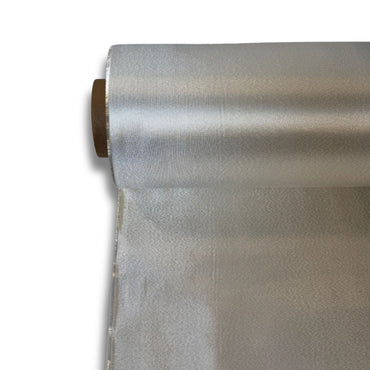
The weights are arithmetic from the fabric spec: 1.5 oz/ft² mat at 38 in is about 14 oz per linear yard, so 80 yd is roughly 70 lb before the tube and the box. That number is the whole full-roll decision. Under about 70 lb a roll travels as a parcel; over it, or over the length a parcel carrier will take, it goes freight, and freight wants a dock or a liftgate and someone home. If you cannot receive a pallet, the 25 yd roll of 1.5oz Fiberglass Chopped Strand Mat is the shop size: 22 lb, on a tube, and it fits a wall rack.
How cut goods are cut and packed
This is the part to ask a fiberglass supplier about before the width and the price. Chopped strand mat is glass fiber held together with a styrene-soluble binder, and the binder cracks when the mat is creased. A 1 or 3 yd cut folded once into a box is fine; a 10 yd cut folded eight times arrives as a stack of crease lines that shed fiber and show as dry streaks in the laminate. Mat over 3 yd should ship rolled on a tube. Woven cloth is more forgiving, but a hard fold in 10 oz cloth leaves a crease that prints through a clear epoxy sheathing on a wood boat, so if the job is clear, ask for it rolled. Stitched biaxial and tape fold without damage. Loose chopped strand is a tub or a bag and does not care.
The second question is whether the cut comes off a roll the supplier holds or gets forwarded from a distributor. A house cut is cut to your yardage from a known roll, so the width, the weight and the binder type are the same every time you order. A forwarded cut can be a different mill's fabric each time, which matters for a shop that has dialed in resin ratios and a spray schedule around a specific mat. Ask for the style, the weight in oz/ft² for mat and oz/yd² for cloth, the width, and for mat, whether it is emulsion or powder bound; emulsion-bound mat drapes better and powder-bound holds its shape on a vertical mold face. A supplier who cannot answer those four questions is not cutting from their own roll.
Lead time, and what actually sets it
Lead time on glass is not a promise on a banner, it is a function of three things you can ask about directly. First, whether the item is cut in house or drop shipped; a house cut leaves when it is cut, a drop ship leaves when a distributor gets to it. Second, whether the order includes a hazmat liquid: polyester resin, MEKP and gelcoat move ground-only as limited quantity, so a mixed order of resin and cloth moves at the pace of the resin unless the supplier splits it. Third, the roll weight and length, because anything that crosses into freight adds carrier transit and a delivery appointment. If the job is on a schedule, order the glass and the resin as separate orders, order the mat on a tube, and ask the supplier which of your line items is a house cut.
What to keep on the rack
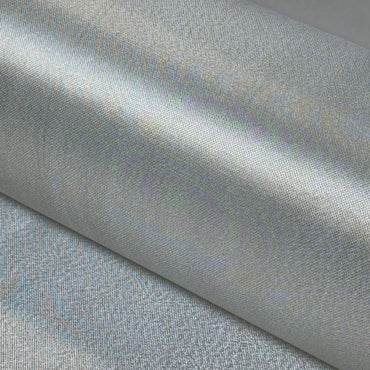
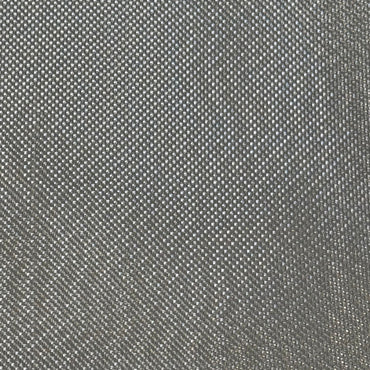
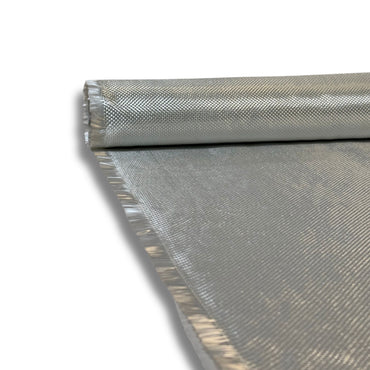
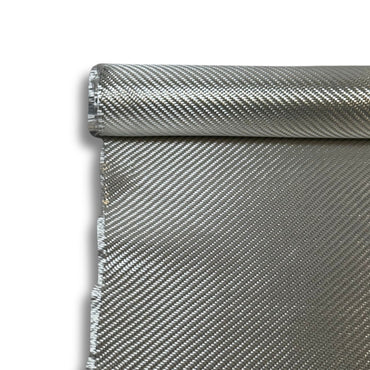
A repair shop running polyester and vinyl ester lives on four rolls: 1.5 oz mat for the interlayer and the first ply against old laminate, 0.75 oz mat behind gelcoat and in mold skin coats, 1708 biaxial for structure, and 10 oz plain weave for skins. 0.75oz Fiberglass Chopped Strand Mat is the thin one: its job is print blocking, a single ply between the gelcoat and the structural cloth so the weave does not telegraph through the finish after a summer in the sun. 10oz Fiberglass E Cloth is the medium-weight skin fabric at 38 in, with enough body for a deck or a hull side without the resin appetite of 18 oz goods, and it still wets out clear. For tabbing bulkheads and glassing chines, 1.5oz Fiberglass Mat Tape at 4 in tears and forms into an inside corner where a woven tape bridges, and it saves slitting a 38 in roll. Store mat rolled and dry; the binder picks up moisture, and a roll that has lived in a humid garage for a year wets out slower and traps air.
Loose fiber is the other rack item. 1/4" Chopped Strand Fiberglass stirred into mixed resin at 5 to 10 percent by weight gives a putty tensile and impact strength that fumed silica alone cannot, which is the difference between a fillet that holds and one that cracks. 1/2" Chopped Strand Fiberglass is the longer fiber for gap bridging and castings where the strand needs to knit across a void; it is harder to wet and lumpier to spread, so use it where load matters more than finish. Grinding laminate and working styrene call for a fitted P100 respirator with organic vapor cartridges, nitrile gloves and eye protection.
How much to order
Mat drinks resin at 2 to 2.5 times its own weight in hand layup, cloth at roughly 1:1. A 38 in yard of 1.5 oz mat is about 0.9 lb dry and takes about 2 lb of polyester; a yard of 10 oz cloth is about 0.7 lb and takes 0.7 to 0.9 lb. Put the actual panel size and ply schedule into the resin calculator and order glass and resin together so neither runs out first. For a one-off repair, buy the 3 yd cut of mat and the 3 yd cut of cloth and you will have offcuts for the next job. For a shop, the 25 yd roll is the unit; a full roll is for someone who will use 80 yd of mat before the binder ages.
Frequently asked questions
How much does a full roll of fiberglass mat weigh?
Figure it from the spec. 1.5 oz/ft² mat at 38 in is about 14 oz per linear yard, so an 80 yd full roll is roughly 70 lb (32 kg) plus the tube. 0.75 oz mat at 150 yd is about 67 lb. Both cross into freight territory, so buy full rolls only if you can receive a pallet; the 25 yd roll at about 22 lb travels as a parcel and fits a wall rack.
Can chopped strand mat be folded for shipping?
Once or twice on a short cut, yes. A 1 to 3 yd piece folded into a box is fine. Fold a 10 yd cut eight times and every crease cracks the binder, sheds fiber and shows as a dry streak in the laminate. Ask your fiberglass supplier to roll anything over 3 yd of mat on a tube, and store it rolled and dry until you cut it.
What is the difference between 38 in and 50 in fiberglass?
Only the width and the yardage math. A 38 in yard is 1.06 yd² and a 50 in yard is 1.39 yd², so a 50 in roll covers 31 percent more per linear yard. Buy 50 in for wide flat skins and decks where you want fewer seams; 38 in is easier to handle alone on a hull side and wastes less on narrow repairs.
How much chopped strand do I add to resin?
Start at 5 to 10 percent by weight, so about 1 to 2 oz of 1/4 in strand per pound of mixed resin, and add fumed silica to control sag. That gives a putty with real tensile strength for fillets, fastener fills and cracked corners. Go to 1/2 in strand for gap bridging and castings; it is harder to wet out and lumpier, so use it where strength matters more than finish.
What should I ask a fiberglass supplier before ordering?
Four things: the style and weight (oz/ft² for mat, oz/yd² for cloth), the width, whether mat is emulsion or powder bound, and whether the item is cut in house from their own roll or forwarded from a distributor. Then ask how a cut over 3 yd is packed. Rolled on a tube is the right answer for mat and for cloth going under a clear finish.
What You Need For This Job
- 1.5oz Fiberglass Chopped Strand Mat: the interlayer and first-ply mat, 38 in, 1 yd cuts to 25 yd rolls
- 0.75oz Fiberglass Chopped Strand Mat: print blocker behind gelcoat and mold skin coats
- 10oz Fiberglass E Cloth: 38 in plain weave for deck skins, sheathing and hull repairs
- 1.5oz Fiberglass Mat Tape: 4 in mat tape for chines, bulkhead tabs and inside corners
- 1/4" Chopped Strand Fiberglass: loose fiber for structural putty and fillets
- 1/2" Chopped Strand Fiberglass: longer fiber for gap bridging and castings
Next post

Best Fiberglass Cutting Tools for Clean Edges: WBT vs WBT2
Updated on 11 September 2026