Fiberglass Cloth vs Tape: Complete Guide for Marine Repairs and Reinforcement

08 June 2026
When you're working on boat repairs or building marine components, picking the right reinforcement material determines whether your work holds up or fails. Both fiberglass cloth and tape serve as reinforcement in composite construction, but each excels in different situations. I've seen plenty of repairs fail because someone grabbed the wrong material for the job.
Understanding Fiberglass Cloth vs Tape: The Fundamental Differences
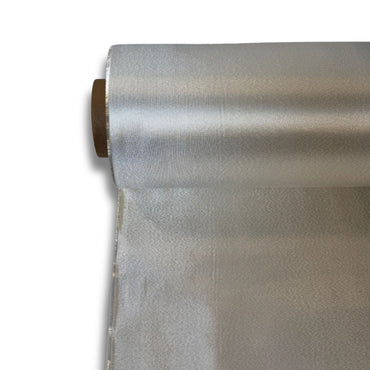
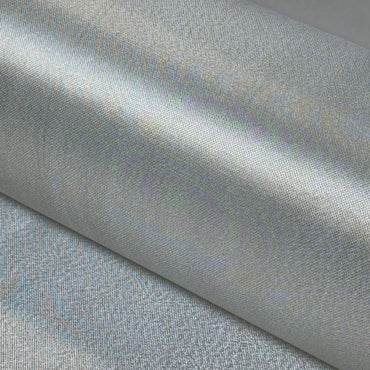
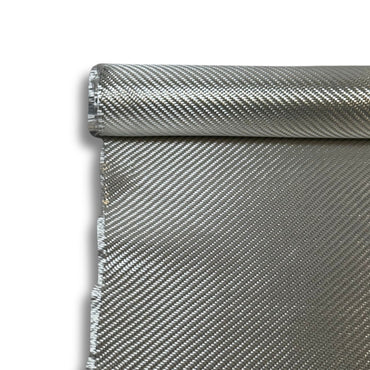
Fiberglass cloth and tape are both woven glass fiber fabrics, but they differ significantly in construction and handling. We stock cloth in standard widths of 36", 38", and 50" with consistent weave patterns, while tape comes in narrow strips from 2" to 12" wide.
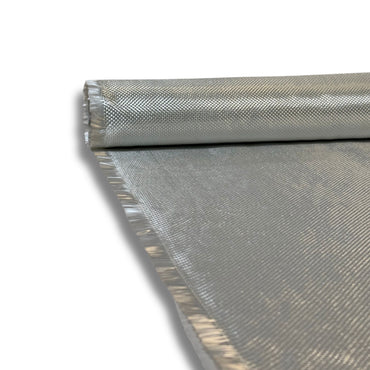
The key difference lies in edge construction. Cloth has cut edges that fray during handling, making it better for large surface areas where edges get covered by additional layers. Tape features selvedge edges (finished edges that won't unravel) or specially treated edges that stay intact during installation.
Weight Classifications and Their Impact
Both cloth and tape come in various weights, measured in ounces per square yard. Here's how I recommend matching weights to applications:
- Light weights (1.5-6 oz): Perfect for fine finishing work, cosmetic repairs, and tight radius areas
- Medium weights (8-12 oz): Ideal for general reinforcement and structural repairs
- Heavy weights (18+ oz): Used for major structural work and thick laminate build-up
For example, our 1.5oz Fiberglass Mat Tape offers excellent conformability for tight curves and detail work, while the 18oz Fiberglass E Cloth provides serious structural reinforcement for hull repairs.
When to Choose Fiberglass Cloth
I reach for fiberglass cloth when I need large coverage areas and maximum strength. The continuous weave pattern distributes loads evenly across the entire surface.
Large Surface Repairs
When repairing extensive hull damage or building new panels, cloth provides the most efficient coverage. The 10oz Fiberglass E Cloth strikes an excellent balance between strength and workability for medium-duty marine applications.
Structural Laminating
For building thick, strong laminates, cloth allows you to work with manageable pieces while maintaining consistent thickness. Multiple layers of cloth bond together seamlessly, creating a monolithic structure.
Complex Curved Surfaces
The bias (diagonal) stretch in woven cloth allows it to conform to compound curves without wrinkles or bridging. This makes it superior for hull shapes and other three-dimensional surfaces.
When to Choose Fiberglass Tape for Boats
Fiberglass tape offers distinct advantages where precision and ease of handling matter most:
Joint Reinforcement
Tape excels at reinforcing joints, seams, and transitions between different materials. The narrow width allows precise placement without waste, and the finished edges prevent delamination that can occur with cut cloth edges.
Edge Binding and Finishing
For reinforcing cut edges on panels or providing abrasion resistance along wear areas, tape offers superior control and appearance. Our 8.7oz Fiberglass Cloth Tape provides excellent strength-to-weight ratio for these applications.
Tight Spaces and Detail Work
In confined areas where maneuvering large pieces of cloth is difficult, tape allows precise application. This is particularly valuable in engine compartments, around hardware, and in other restricted spaces.
Specialized Tape Options: Biaxial Reinforcement
Beyond traditional woven tape, specialized options like 1708 Biaxial Fiberglass Tape offer enhanced performance characteristics. Biaxial construction provides strength in multiple directions simultaneously, making it ideal for high-stress applications like reinforcing transom areas or strengthening hull-to-deck joints.
Understanding Biaxial Benefits
Biaxial tapes combine multiple fiber orientations in a single layer, reducing the number of plies needed for equivalent strength. This saves time during installation and creates a more compact, lightweight repair.
Fiberglass Fabric Types: Making the Right Selection
Understanding the various fabric types we stock helps optimize your material selection:
Plain Weave
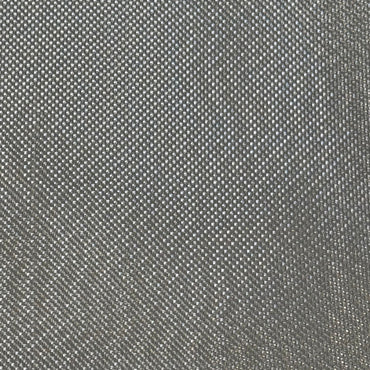
Most common construction, offering balanced strength and good conformability. Suitable for most general applications.
Woven Roving
Heavier construction with larger bundles of fibers. The 18oz Woven Roving provides excellent strength for structural applications but requires more skill to wet out properly.
Chopped Strand Mat (CSM)
CSM offers excellent thickness build-up and ease of wetting. While not as strong as woven fabrics, mat provides good adhesion and fills irregularities well. CSM bonds excellently with polyester and vinylester resins and provides good gelcoat compatibility.
Material Recommendation Table
| Application | Recommended Material | Weight | Notes |
|---|---|---|---|
| Small cosmetic repairs | Fiberglass Tape | 1.5-3 oz | Easy handling, minimal waste |
| Hull patches < 2 sq ft | Fiberglass Cloth | 6-8 oz | Good strength-to-weight ratio |
| Large hull repairs | Fiberglass Cloth | 10-12 oz | Efficient coverage, structural strength |
| Transom reinforcement | Biaxial Tape | 17-24 oz | Multi-directional strength |
| Joint reinforcement | Fiberglass Tape | 6-10 oz | Precise placement, finished edges |
| Thick laminate build-up | Woven Roving | 18-24 oz | Fast thickness build, alternated with CSM |
Application Techniques for Optimal Results
Surface Preparation
I've learned that surface prep makes or breaks any fiberglass repair. Here's my standard process:
- Sand existing fiberglass with 80-grit to remove gelcoat and create mechanical bonding
- Switch to 120-grit for feathering edges
- Final sand with 220-grit for smooth transitions
- Clean with acetone to remove all dust and contaminants
- Allow acetone to flash off completely before applying resin
Resin Selection and Mixing
Choose your resin system based on environment and performance requirements:
- Polyester resin: Mix with 1-2% MEKP catalyst (10-20 drops per ounce). Fast cure, lower cost, good for general repairs
- Epoxy resin: Mix exactly per manufacturer's ratio (typically 2:1 or 5:1). Superior adhesion and moisture resistance, longer working time
Overlapping and Feathering
Plan your layup to minimize overlap joints. When overlaps are necessary, feather the edges for smooth transitions. I typically use 2-3" overlaps for structural work, 1" for cosmetic repairs.
Cost Considerations and Material Efficiency
Tape typically costs 20-40% more per square yard than cloth, but it often provides better value for specific applications due to reduced waste and easier handling. Large repairs favor cloth for economic reasons, while precision work often justifies the higher cost of tape.
Consider total project cost including labor time. Tape's ease of handling can cut installation time by 30-50%, offsetting its higher material cost.
Conclusion: Matching Materials to Applications
Your choice between cloth and tape depends on specific application requirements. Cloth works best for large areas, structural work, and complex curves, while tape offers superior control for joints, edges, and detail work. We've seen the best results when contractors use both materials strategically in the same project.
Understanding these material differences, combined with proper weight selection and application techniques, ensures your marine repair or construction project achieves the strength and durability you need. Whether you're performing emergency repairs or building custom components, having the right reinforcement material in your inventory prevents delays and callbacks.
Looking to stock up on professional-grade fiberglass materials? Contact our wholesale team for volume pricing on cloth, tape, and complete repair kits. We work with boat builders, repair shops, and marine contractors nationwide.
Frequently asked questions
What is the real difference between fiberglass cloth and tape?
Both are woven glass fabrics, but the edges set them apart. We stock cloth in 36, 38, and 50 inch widths with cut edges that fray during handling, so it suits large areas where later plies cover the edges. Tape comes in narrow 2 to 12 inch strips with selvedge or treated edges that will not unravel as you install it.
When should I use tape instead of cloth?
Reach for tape on joints, seams, and transitions between different materials, plus edge binding and abrasion strips. The narrow width places precisely with no waste, and the finished edges resist the delamination you get from a frayed cut cloth edge. Use cloth instead for large surface repairs and building up thick structural laminate.
Which weight do I need for a structural hull repair?
Go heavy for serious structural work: 18oz cloth, like our 18oz E cloth, for major reinforcement and thick laminate build-up. Medium 8 to 12oz, such as the 10oz E cloth, handles general structural repairs with easier handling. Save the light 1.5 to 6oz weights for finishing, cosmetic repairs, and tight radius detail work.
Why does woven cloth conform to curves so well?
Woven cloth has bias stretch on the diagonal, so it follows compound curves and hull shapes without wrinkling or bridging. That diagonal give is what lets a flat fabric wrap a three dimensional surface cleanly. For very tight radius areas and detail work, drop to a light 1.5oz mat tape, which conforms even more easily.
Can I just use cut cloth on a joint instead of tape?
You can, but the cut edges fray and tend to lift right where a joint needs to stay bonded. Tape's selvedge or treated edges stay intact, place precisely, and resist delamination, which is why we use it on seams, joints, and material transitions. Cloth still earns its place across broad surfaces and full panels.
Shop the materials in this guide
- 6 oz fiberglass cloth, the general-purpose repair weight.
- 10 oz fiberglass cloth, for structural laminating.
- 8.7 oz fiberglass cloth tape, for seams, edges, and narrow repairs.
- 1708 biaxial tape, for tabbing and joint reinforcement.
- the full fiberglass cloth lineup.
- fiberglass cloth tapes.
Prev post

How to Fix Fiberglass Crack: Complete Guide to Boat Hull Crack Repair
Updated on 09 June 2026
Next post

The Complete Fiberglass Roller Guide: Choosing the Right Type for Your Marine Project
Updated on 21 May 2026