How to Choose the Right Gelcoat for Your Boat's Finish

23 February 2026
Gelcoat is a critical component of a boat's finish, providing both aesthetic appeal and protection against water, UV rays, and general wear. Selecting the right gelcoat ensures durability, longevity, and an attractive appearance. This guide will help you understand the different types of gelcoat, their applications, and how to choose the best one for your boat.
Quick reference: how to choose the right gelcoat by type
| Gelcoat type | Best for | How it behaves | Trade-off |
|---|---|---|---|
| Standard gelcoat | New fiberglass builds and repairs | Durable, glossy, multiple colors | Requires polishing to maintain shine |
| Waxed (finish) gelcoat | Final coats, one-coat jobs | Wax rises to surface, prevents tackiness | Sand off wax before overcoating |
| Unwaxed (laminating) gelcoat | Base coats, multi-layer work | Stays slightly tacky for bonding | Needs topcoat or wax additive to finish |
| Spray gelcoat | Large surfaces, professional finish | Formulated for a spray gun | Needs specialized equipment and skill |
| Brushing gelcoat | Small repairs, DIY jobs | Goes on with brush or roller | More sanding and buffing |
What Is Gelcoat?
Gelcoat is a specialized resin-based coating applied to the surface of fiberglass boats. It creates a smooth, glossy, and protective outer layer that resists environmental damage. Gelcoat is available in various formulations to suit different applications.
Types of Gelcoat
Understanding the different types of gelcoat will help you choose the right one for your project.
1. Standard Gelcoat
- Best For: New fiberglass builds and repairs.
- Properties: Durable, glossy, and available in multiple colors.
- Pros: Easy to apply, good adhesion to fiberglass reinforcement.
- Cons: Requires polishing to maintain shine.
2. Waxed Gelcoat (Finish Gelcoat)
- Best For: Final coats that do not require additional layers.
- Properties: Contains a paraffin wax additive that rises to the surface as it cures, preventing tackiness.
- Pros: Does not require sanding before polishing.
- Cons: Cannot be overcoated without sanding off the wax layer.
3. Unwaxed Gelcoat (Laminating Gelcoat)
- Best For: Multi-layer applications and base coats.
- Properties: Remains slightly tacky after curing to allow bonding with additional layers.
- Pros: Ideal for layering without sanding between coats.
- Cons: Requires a topcoat or wax additive for the final finish.
4. Spray Gelcoat
- Best For: Large surfaces requiring a smooth, even application.
- Properties: Specially formulated for use with a spray gun.
- Pros: Provides an even, professional finish with minimal texture.
- Cons: Requires specialized equipment and skill to apply properly.
5. Brushing Gelcoat
- Best For: Small repairs or DIY applications.
- Properties: Designed for hand application with a brush or roller.
- Pros: Easy to apply, does not require spraying equipment.
- Cons: May require more sanding and buffing for a smooth finish, similar to working with polyester resin applications.
How to Choose the Right Gelcoat
- For New Builds or Major Repairs: Use standard or unwaxed gelcoat for base layers, then finish with a waxed gelcoat.
- For Small Repairs: Choose brushing gelcoat for easy application.
- For a Professional Finish: Opt for spray gelcoat for large areas.
- For Easy Maintenance: Waxed gelcoat is best for one-coat applications without extra sanding.
Final Thoughts
Choosing the right gelcoat is essential for protecting and enhancing your boat's appearance. Whether you're performing a small touch-up or a full refinish, selecting the right type ensures durability and a long-lasting shine. For best results, use proper fiberglass application tools during your project.
For high-quality gelcoat, application tools, and marine finishing supplies, visit Boat Suppliers and get everything you need for a professional boat finish!
Frequently asked questions
What is the difference between waxed and unwaxed gelcoat?
Waxed gelcoat, also called finish gelcoat, contains a paraffin wax additive that rises to the surface as it cures and seals out air so the surface is not tacky and is ready to polish. Unwaxed gelcoat, or laminating gelcoat, stays slightly tacky after cure so additional layers bond to it. Use unwaxed for base coats and multi-layer work, then waxed for the final coat.
Which gelcoat should I use for a small repair?
For small repairs and DIY touch-ups, choose brushing gelcoat. It is formulated for hand application with a brush or roller, so you skip the spray gun and the cleanup that comes with it. The tradeoff is that brushed gelcoat usually needs more sanding and buffing afterward to level the finish and bring up the shine, similar to how you would fair and buff a polyester resin repair.
Do I need to sand before recoating waxed gelcoat?
Yes. Once waxed gelcoat cures, the paraffin wax sits on the surface, and nothing will bond to it until that wax is gone. If you need to apply another coat over it, you have to sand off the wax layer first so the next coat can grip. That is exactly why you reserve waxed gelcoat for the final coat and use unwaxed gelcoat for any layer you plan to build on.
How should I layer gelcoat on a new build or major repair?
For new builds and major repairs, lay your base coats with standard or unwaxed gelcoat so each layer stays tacky and bonds to the next without sanding between coats. Then finish with a waxed gelcoat so the top layer cures hard and tack-free, ready to polish. That sequence gives you good interlayer adhesion underneath and a sealed, glossy surface on top.
When is spray gelcoat worth the extra effort over brushing?
Reach for spray gelcoat on large surfaces where you want an even, professional finish with minimal texture, like a full hull or deck refinish. It lays down smoother than a brush or roller, but it requires a spray gun and the skill to apply it correctly. For small repairs the equipment and setup are not worth it, so stick with brushing gelcoat there.
Shop the materials in this guide
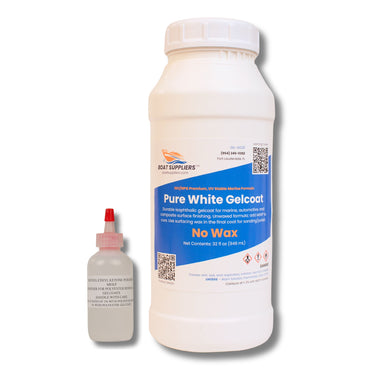
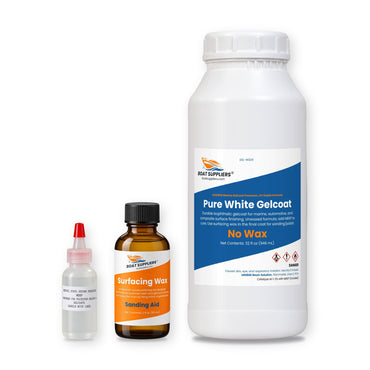
- pure white gelcoat, for new molds and repairs.
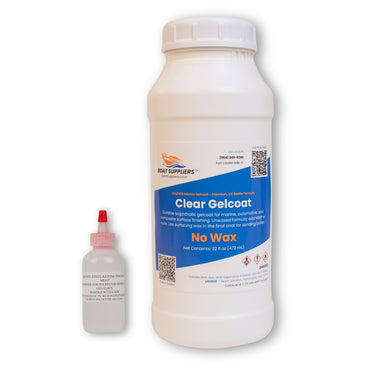
- clear gelcoat, for a barrier coat or custom tint.
- black tooling gelcoat, for building molds.
- orange tooling gelcoat, another high-build tooling color.
- the full gelcoat lineup.
- pure white gelcoat with wax (finish coat, cures tack-free in air).
Prev post

1708 Biaxial Fiberglass Explained: What the Numbers Mean
Updated on 23 February 2026
Next post

What Oz Fiberglass Cloth to Use: A Comprehensive Guide
Updated on 21 February 2026