Carbon Fiber Marine vs Automotive: Understanding the Critical Differences in Materials and Applications

13 April 2026
Marine and automotive carbon fiber often start as the same fabric; what separates them is everything around the fiber. A boat part has to survive decades of saltwater, UV and constant moisture, so it gets vinyl ester or marine epoxy, a sealed gelcoat or UV-stable topcoat and a heavier, over-built layup, while a car part is tuned for low weight, crash energy and looks. Plenty of boat owners and car people treat the two as interchangeable. On anything structural or weather-exposed they are not, and the gap shows up in resin choice, construction method and how the part gets repaired. If you are building custom boat parts, these are the calls that matter.
Quick reference: carbon fiber marine vs automotive
| Factor | Marine | Automotive |
|---|---|---|
| Operating environment | Constant moisture, UV, saltwater, temperature cycling | Temperature variations, vibration, impact forces |
| Resin system | Vinyl ester or marine epoxy | Epoxy for strength-to-weight, crash energy |
| Typical parts | Hulls, masts, structural reinforcements | Body panels, aerodynamic components, interior trim |
| Weave choice | Functional, unidirectional for directional reinforcement | Decorative twill for visual appeal |
| Surface protection | Gelcoat, UV-stable topcoat, sacrificial layers | Not required |
| When a part fails | Field repair with chopped carbon fiber | Replacement preferred |
| How it is made | Hand layup, vacuum bagging, resin infusion | RTM, prepreg and autoclave |
| Quality focus | Long-term durability, minimal void content | Crash safety standards, rapid processing |
| Design approach | Robust, over-engineered | Minimum viable weight |
Marine vs Automotive Carbon: The Environment Sets the Spec
Carbon on a car mostly has to handle heat swings, vibration and impact loads. Carbon on a boat takes all of that plus moisture that never lets up, UV, saltwater corrosion and temperature cycling anywhere from freezing to tropical.
Salt water is hard on any composite. It works into microscopic gaps in a laminate that was not sealed well, and what follows is osmotic blistering and delamination. That is why marine-grade carbon usually gets a different resin system and heavier protective coatings than an automotive part made from the same cloth.
Resin: What Changes on the Water
On the automotive side, epoxy is picked for strength-to-weight and for how well the part soaks up crash energy. Marine work does better with vinyl ester or a dedicated marine epoxy, chosen for moisture resistance and UV stability. Take our 11oz 6K 2x2 twill carbon: a boat builder and a car fabricator can lay up that exact fabric and still reach for different resins. Our resin compatibility chart shows which resin bonds to what and what can go over it, which matters once a gelcoat is in the plan.
What the Part Has to Do
Most automotive carbon goes into light body panels, aerodynamic pieces and interior trim, where looks and weight savings come ahead of long-term weather resistance.
On a boat, carbon is often the primary structure and has to keep its integrity through decades of hard exposure. Hulls, masts and structural reinforcements each call for their own fiber orientation and layup schedule, different from what a car part needs.
Weave and Fiber Direction
Car builders like twill because the diagonal pattern looks good. Boat builders tend to choose functional weaves that put the strength where the load runs. Our 11oz unidirectional carbon tape earns its place here, laying directional reinforcement along a hull bottom or up a mast section, while an automotive job may care more about how a woven pattern looks.
Holding Up to Sun, Salt and Chemicals
Marine carbon has to hold up where car parts see little stress. A boat that sits for months in a tropical marina takes heavy UV, while most automotive parts get limited direct sun. Boat parts also face fuel, cleaning products and marine growth preventatives (antifouling), and resisting those takes a different material spec.
That is why carbon fiber boat parts often get protection a car part goes without: gelcoat, a UV-stable topcoat or a sacrificial layer. The extra layer changes both which materials you pick and how the part gets built.
Repairing a Part vs Replacing It
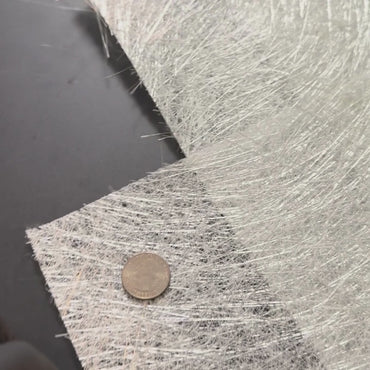
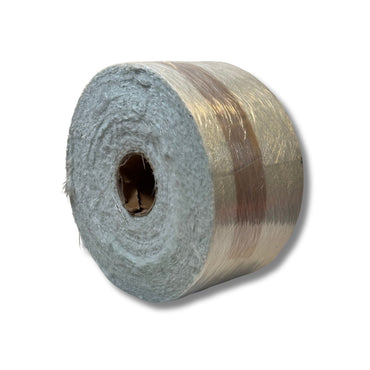
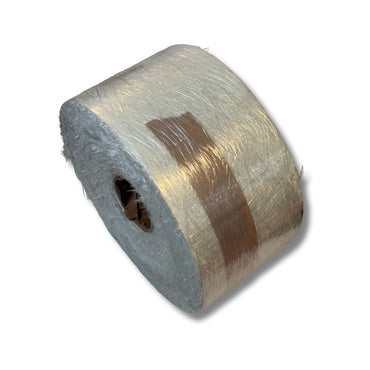
When an automotive carbon part fails, the usual answer is a new part. Boats more often get fixed where they sit: 1/2" chopped carbon fiber goes into structural repairs, and the shorter 1/4" chopped carbon fiber handles local reinforcement. Needing to repair in the field pushes marine material choices toward formulations that take a patch well.
How the Parts Get Made
Production methods split too. Automotive parts are often made with high-pressure, high-temperature processes such as RTM (Resin Transfer Molding) or prepreg cured in an autoclave, chosen for consistency at high volume.
Boat shops mostly lay up by hand, vacuum bag, or run resin infusion, methods that cope with the large, complex shapes boatbuilding involves. Those methods want different fiber formats and longer resin working times than a car part on a production line.
What Quality Means on Each Side
Automotive carbon has to pass strict crash safety standards. Marine quality control is about long-term durability and standing up to the environment, and that shapes everything from allowable void content to surface finish. A builder laying up our 12.3oz plain weave carbon tape for a boat usually cares more about thorough wet-out and low void content than about the fast cycle times a car plant needs.
Cost and How Much Margin to Build In
Car makers optimize for high-volume production and repeatable material properties, and the savings on the line often justify paying more for the material itself.
Boat builders usually buy smaller quantities and have to weigh what the material costs up front against how it performs and what it takes to maintain over the years. That math tends to favor heavier, over-engineered parts instead of the lowest-weight design a car program aims for.
Choosing Carbon for a Boat Part
For a marine part, list every exposure it will see before you buy anything: UV, moisture, temperature cycling and chemicals. Pick carbon fabric and a resin system meant for marine use, and do not count on automotive-grade material lasting on the water. For a car part, weight, crash behavior and finish drive the choice. Either way the fabric can be identical; the resin, the coating and the layup schedule decide which world the part is built for.
Frequently asked questions
Can I use automotive-grade carbon fiber parts on my boat?
We do not recommend it for anything structural or weather-exposed. Automotive carbon is built around crash energy and strength-to-weight, and it rarely sees sustained UV, saltwater, or freeze-to-tropical cycling. Marine parts need vinyl ester or marine epoxy resin systems plus gelcoat or UV-stable topcoats. The same fabric can serve both, but the resin, coatings, and layup schedule have to be marine-spec.
Why does marine carbon fiber need a different resin system than automotive?
Saltwater finds microscopic gaps in poorly sealed laminate and drives osmotic blistering and delamination. Automotive epoxies are tuned for strength-to-weight and impact, not constant moisture. Marine work leans on vinyl ester or marine epoxy for moisture resistance and UV stability. Pair that with a sealed surface, gelcoat or a UV-stable topcoat, so the carbon underneath stays dry over decades, not seasons.
Which carbon fiber weave should I pick for a boat part versus a car part?
On the automotive side, 2x2 twill gets chosen for the cosmetic diagonal look. On the water, function usually wins: unidirectional tape for directional reinforcement along a hull bottom or mast section, and a clean-wetting plain weave like a 12.3oz plain weave tape where you want consistent wet-out and low void content over fast cosmetic processing.
How are marine carbon parts repaired differently from automotive ones?
In automotive, a failed carbon panel usually gets replaced. On a boat you fix it in the field. We reach for chopped carbon fiber, 1/4 inch for localized reinforcement and 1/2 inch for structural repairs, blended into resin to rebuild a damaged area. That repairability is one reason marine builds favor more forgiving, over-engineered formulations instead of minimum-weight automotive parts.
Do marine and automotive carbon parts use the same manufacturing process?
Usually not. Automotive favors high-pressure, high-temperature methods like RTM or prepreg and autoclave for consistency and volume. Marine builders work larger, more complex shapes, so hand layup, vacuum bagging, and resin infusion are the norm. Those processes call for different fiber formats and longer resin working times, which is another reason automotive and marine materials are not a clean swap.
Shop the materials from this article
- Plain weave carbon fabric, 5.7 oz 3K.
- 5.7 oz 3K carbon in a 2x2 twill.
- Twill carbon in 11 oz 6K, heavier with a bolder pattern.
- The full carbon fiber fabric collection.
Prev post

The Complete Fiberglass Roller Guide: Choosing the Right Type for Your Marine Project
Updated on 21 May 2026
Next post

How to Use Biaxial Fiberglass for Boat Repair: Fabric Selection and Layup Guide
Updated on 08 April 2026