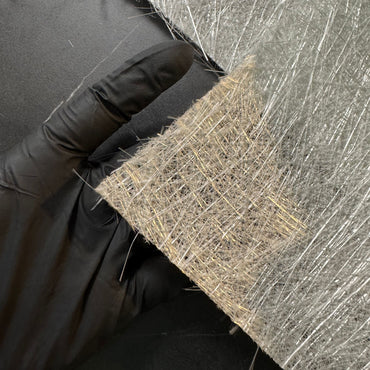
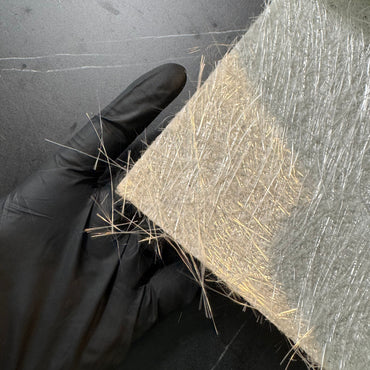
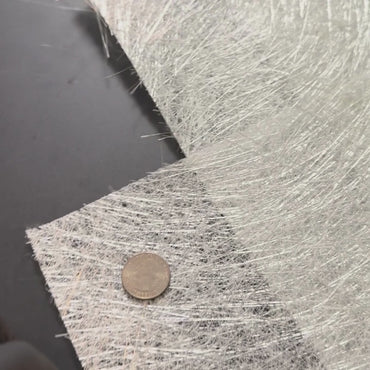
How to Choose Your Fiberglass Chop Mat Size

21 February 2026
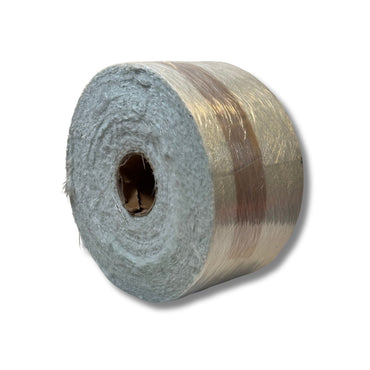
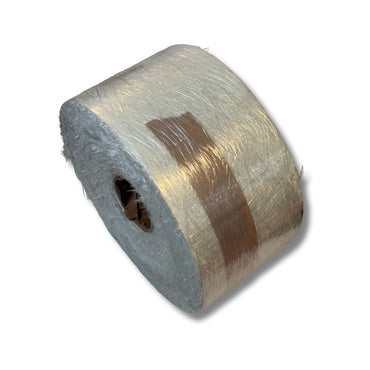
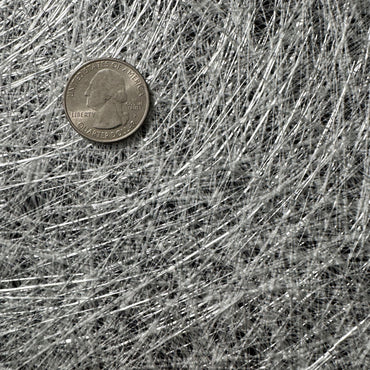
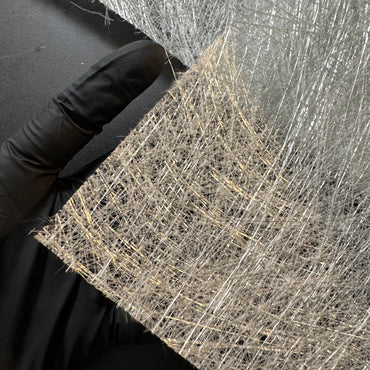
Fiberglass chopped strand mat is an essential material for boat building and repairs, offering excellent bulk reinforcement and strength. However, selecting the right chop mat size is crucial for achieving the best results in your project. Chop mat comes in different weights and thicknesses, each suited for specific applications. This guide will help you choose the ideal fiberglass chop mat size based on your needs.
Understanding Fiberglass Chop Mat Sizes
Fiberglass chop mat is typically measured in ounces per square foot or grams per square meter. The most common sizes include:
- ¾ oz (225 g/m²): Lightweight and best for light-duty applications.
- 1½ oz (450 g/m²): A versatile option used in most general-purpose repairs and laminations.
- 2 oz (600 g/m²) and above: Heavy-duty reinforcement, ideal for structural builds and added thickness.
Factors to Consider When Choosing Chop Mat Size
1. Type of Repair or Application
- Small Repairs & Detailing: For minor cracks, patches, or reinforcing small areas, a ¾ oz chop mat is sufficient.
- General Boat Repairs: If you're reinforcing a hull, transom, or deck, a 1½ oz chop mat provides a good balance of strength and workability.
- Structural Laminations: For areas requiring extra durability, such as keel reinforcement or bulkheads, opt for 2 oz or higher chop mat.
2. Thickness and Strength Needs
- Thicker chop mats (higher oz) add more bulk and strength but require more resin.
- Thinner chop mats are easier to work with and conform better to complex shapes.
3. Resin Compatibility
- Fiberglass chop mat works best with polyester and vinyl ester resins due to its styrene-soluble binder.
- If using epoxy resin, ensure you get a compatible mat without the traditional binder.
4. Ease of Application
- Lower weight mats (¾ oz, 1 oz) are easier to handle and mold into corners.
- Heavier mats (1½ oz and 2 oz) require more resin and may be harder to shape but provide extra strength.
Choosing the Right Mat for Your Project
| Application | Recommended Chop Mat Size |
|---|---|
| Small cracks & patches | ¾ oz (225 g/m²) |
| General boat repairs | 1½ oz (450 g/m²) |
| Structural reinforcement | 2 oz (600 g/m²) and above |
Final Thoughts
Selecting the right fiberglass reinforcement size ensures durability, ease of application, and cost-effectiveness for your boat repair or building project. Consider your specific needs, the resin you're using, and the strength required to make an informed decision. For a comprehensive overview of all fiberglass materials available, check out our fiberglass buyer's guide to explore your options. Additionally, using the proper tools like fiberglass rollers will help ensure professional results in your marine project.
Frequently asked questions
Which chopped strand mat weight should I use for general boat repairs?
For most hull, transom, or deck repairs, reach for 1.5 oz chopped strand mat (450 g/m2). It hits the sweet spot between strength and workability and is the standard mat for mold and boat work. Step down to 0.75 oz (225 g/m2) for small cracks and patches, and step up to 2 oz (600 g/m2) or heavier for structural laminations like keel reinforcement or bulkheads.
Can I use chopped strand mat with epoxy resin?
Standard CSM is built for polyester and vinyl ester because its binder dissolves in styrene. If you wet out standard mat with epoxy, the binder will not break down and the mat will not lay out or bond properly. If your layup is epoxy, source a mat made without the traditional styrene-soluble binder, or use woven cloth instead.
Why does heavier chop mat use so much more resin?
Mat weight is just fiber per square foot, so a 2 oz CSM packs more random glass than a 0.75 oz mat and needs more resin to fully wet out. Thicker mat builds bulk and strength fast but is harder to shape and drinks resin. Thinner mats like 0.75 oz and 1 oz conform to corners and complex shapes more easily and go down with less resin.
What chop mat goes behind gelcoat to stop print-through?
Use a 0.75 oz chopped strand mat (225 g/m2) as a thin print-blocking layer right behind the gelcoat. Its light, random fiber pattern fills against the back of the gelcoat so the coarser weave of woven roving or heavier mat does not telegraph through to the finished surface. It is also the right call for minor cracks, patches, and detail areas.
How do I match chop mat thickness to a complex curved part?
Lighter mats win on tight curves. A 0.75 oz or 1 oz mat conforms into corners and around contours without bridging or bunching, so use those where the part has compound shape. Save the 1.5 oz and 2 oz mats for flatter, higher-load areas where bulk and strength matter more than how easily the glass drapes.
Shop the materials in this guide
- 0.75 oz chopped strand mat, a thin print-blocking layer behind gelcoat.
- 1.5 oz chopped strand mat, the standard mat for mold and boat work.
- 2 oz chopped strand mat, heavy mat for fast bulk build.
- all chopped strand mat.
Running these jobs for paying customers? Boat Suppliers shop accounts get flat wholesale pricing on the full catalog. Apply for a wholesale account.
Prev post

Useful Tips for Working with Fiberglass Mat
Updated on 21 February 2026
Next post

What Is Chopped Strand Mat? A Beginner's Guide to Fiberglass Mat
Updated on 21 February 2026