Biaxial Fiberglass Fabric: Why It Outperforms Woven Fabrics for Marine Repairs

06 April 2026
When it comes to marine composite work, choosing the right reinforcement material can make or break your project. While traditional woven fabrics have been the go-to choice for decades, biaxial fiberglass fabric is rapidly becoming the preferred option for serious boat builders and repair professionals. Understanding the key differences between these materials will help you make informed decisions for your next marine project.
Quick reference: biaxial fiberglass fabric thickness and best use
| Fabric | Mat backing | Thickness per ply | Plies to 1/4 in | Best for |
|---|---|---|---|---|
| 1208 | Yes | 0.037 in | 7 | Shear and torsion: transoms, hull-to-deck joints |
| 1708 | Yes, 3/4 oz mat | 0.044 in | 6 | Transoms and stringers; builds thickness fast |
| 1808 | Yes | 0.048 in | 6 | Primary structure under lighter finishing plies |
| DB170 | No | 0.030 in | 9 | Max drape, cleaner surface, higher glass content |
Hand layup values; vacuum bagging compresses the laminate about 12%.
Products used in this guide
-

1708 Biaxial Fiberglass
Regular price From $12.95 USDSale price From $12.95 USD Regular priceUnit price $12.95 per yd -
DB170 – 17oz Biaxial Fiberglass Cloth (No Mat)
Regular price From $14.45 USDSale price From $14.45 USD Regular priceUnit price $14.45 per yd -
1708 Biaxial Fiberglass Tape
Regular price From $3.65 USDSale price From $3.65 USD Regular priceUnit price $4.95 per yd -
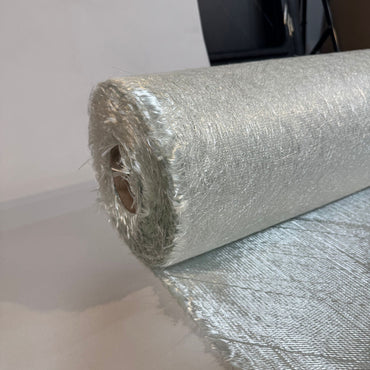
1808 Biaxial Fiberglass
Regular price From $14.45 USDSale price From $14.45 USD Regular priceUnit price $14.45 per yd

What Makes Biaxial Fiberglass Fabric Different?
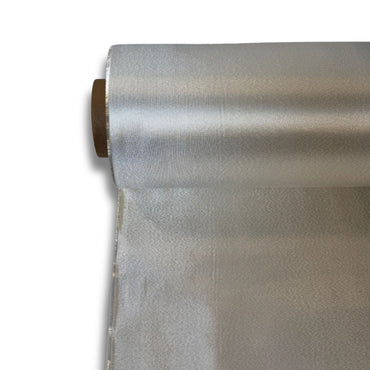
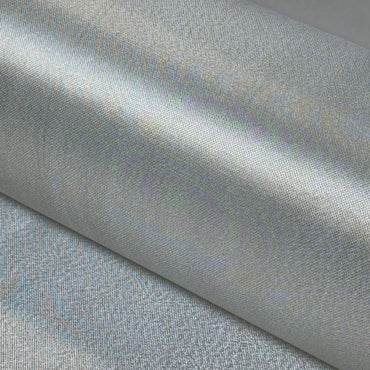
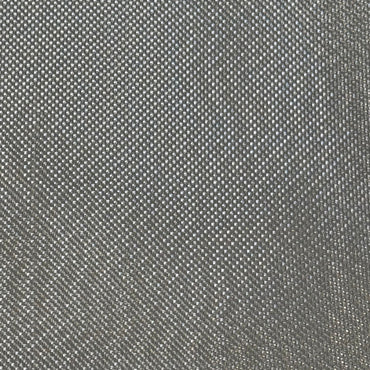
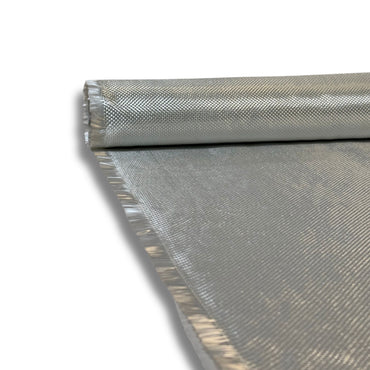
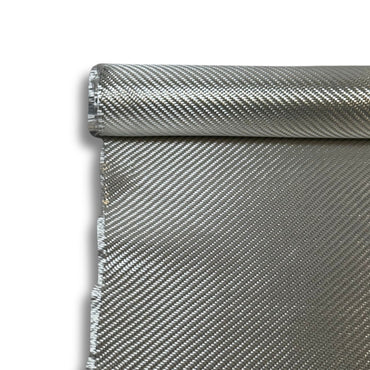
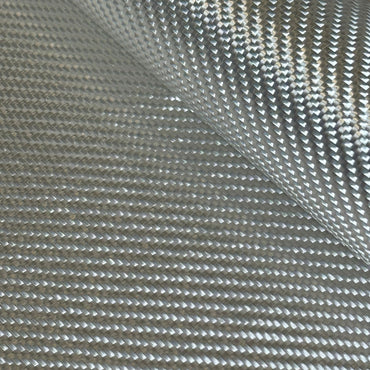
Unlike traditional woven fabrics that interweave fibers in a plain or twill pattern, biaxial fiberglass fabric consists of continuous fibers laid in two primary directions—typically at +45° and -45° angles. These fibers are held together with lightweight stitching rather than being woven, which eliminates the crimp that weakens traditional fabrics.
The +45/-45 biaxial cloth configuration provides exceptional strength characteristics that make it ideal for marine applications where loads come from multiple directions. This fiber orientation naturally resists the twisting and shearing forces that boats experience in choppy water conditions.
Fiber Architecture Advantages
The straight fiber paths in biaxial fabrics mean that more of the fiber's inherent strength is utilized compared to woven alternatives. In woven fabrics, fibers must bend over and under each other, creating weak points and reducing overall strength efficiency. Biaxial construction maintains fiber integrity while providing superior conformability around complex hull shapes.
Superior Wet-Out and Resin Compatibility
One of the most significant advantages of biaxial fiberglass fabric lies in its resin absorption characteristics. The open structure and minimal crimp allow resins to flow more easily through the fabric, resulting in better wet-out and fewer dry spots.
Our [1708 Biaxial Fiberglass] exemplifies this advantage perfectly. With its 17oz double bias construction stitched at 45 degrees and backed with 3/4oz mat, it provides exceptional resin flow while building thickness quickly—a crucial factor in marine repair work.
This improved wet-out translates to:
- Reduced void content in finished laminates
- Better mechanical properties
- Improved fatigue resistance
- Enhanced water resistance
Biaxial vs Woven Fiberglass: Performance Comparison
When comparing biaxial vs woven fiberglass, several key performance differences emerge that make biaxial the superior choice for most marine applications.
Strength-to-Weight Ratio
Biaxial fabrics typically deliver 15-20% higher strength-to-weight ratios than equivalent woven materials. This improvement comes from the elimination of crimp and the optimization of fiber orientation for expected load paths.
Conformability
The lack of tight weave structure allows biaxial fabrics to conform better to complex shapes without bridging or creating wrinkles. This is particularly important when working on hull repairs or creating compound curves.
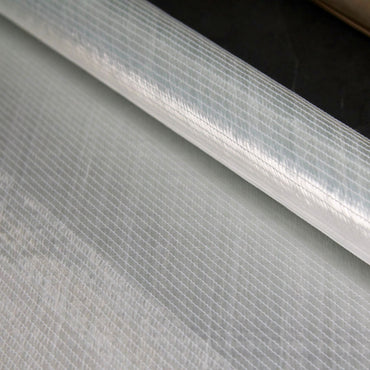
For projects requiring even more conformability, our [DB170 – 17oz Biaxial Fiberglass Cloth] without mat backing provides maximum drapability while maintaining the strength benefits of ±45° fiber orientation.
Build-Up Speed
Biaxial fabrics, especially those with mat backing, allow for faster laminate build-up compared to woven alternatives. This efficiency reduces labor time and improves productivity on larger projects.
Optimizing Your Biax Fiberglass Layup
Getting the most from your biax fiberglass layup requires understanding proper orientation and layup sequences. The key is to align the fabric's bias directions with anticipated stress patterns in your specific application.
Layup Orientation Guidelines
For general marine repairs, orient the fabric so that one bias direction aligns roughly with the primary load path, while the other provides cross-directional reinforcement. This creates a balanced laminate that can handle multidirectional stresses effectively.
Our [1208 Biaxial Fiberglass] works exceptionally well for applications requiring resistance to shear and torsional loads, making it ideal for areas like transom repairs or hull-to-deck joints where complex stress patterns are common.
Combining Different Weights
Professional fabricators often combine different weights of biaxial fabric to optimize their layup schedules. Starting with heavier fabrics like our [1808 Biaxial Fiberglass] for primary structure and finishing with lighter weights creates an efficient, strong laminate.
Choosing the Right Biaxial Fabric for Your Project
Selection criteria for biaxial fiberglass fabric should include weight, backing material, and intended application. Heavier fabrics build thickness quickly but may be harder to wet out properly, while lighter fabrics provide better conformability but require more layers.
Mat-Backed vs. Non-Backed Options
Mat-backed biaxial fabrics like our 1708 and 1808 options provide excellent build-up speed and help fill any surface imperfections. The chopped strand mat also improves inter-laminar strength, reducing the risk of delamination.
For applications where maximum strength is required or where print-through might be an issue, non-backed options like the DB170 provide cleaner surfaces and higher glass content.
Tape Applications
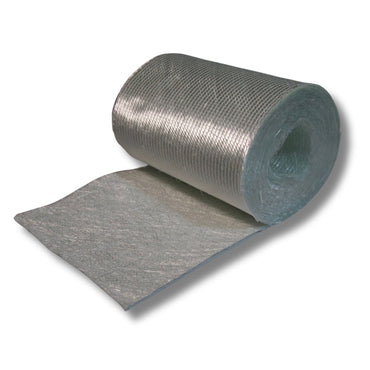
Don't overlook the convenience of pre-cut tapes for smaller repairs and detail work. Our [1708 Biaxial Fiberglass Tape] offers the same performance characteristics as the full-width fabric but in convenient 6" and 12" widths, perfect for reinforcing joints, seams, and localized repairs.
Cost-Effectiveness and Long-Term Value
While biaxial fabrics may carry a slightly higher initial cost than basic woven materials, their performance advantages translate to significant long-term value. The superior strength, better resin compatibility, and reduced labor requirements often result in lower total project costs.
Additionally, the improved fatigue resistance and water resistance of biaxial laminates means fewer repairs over the life of your vessel, providing excellent return on investment for quality-conscious boat owners.
Making the Switch to Biaxial
Transitioning from traditional woven fabrics to biaxial fiberglass fabric doesn't require learning entirely new techniques, but it does benefit from understanding the material's unique characteristics. The improved wet-out properties mean you may need to adjust your resin mixing ratios, and the superior conformability allows for more ambitious shaping projects.
Whether you're tackling a major hull repair, building a new component, or simply want to upgrade your repair techniques, biaxial fiberglass fabric offers proven advantages that make it the smart choice for serious marine work. The combination of superior strength, better processing characteristics, and long-term durability makes it an investment in both your current project and your boat's future reliability.
Frequently asked questions
Why is biaxial fiberglass stronger than woven cloth at the same weight?
In woven cloth, fibers bend over and under each other, and that crimp creates weak points that waste fiber strength. Biaxial fabric lays continuous fibers straight at plus and minus 45 degrees, held by light stitching instead of being woven, so the crimp is gone. The straight fiber paths use more of the glass's inherent strength, which is why biaxial typically delivers 15 to 20 percent higher strength-to-weight ratios than equivalent woven material.
Does biaxial fabric really wet out better than woven roving?
Yes. The open, low-crimp structure lets resin flow through the fabric more easily, giving better wet-out with fewer dry spots. That translates to reduced void content, better mechanical properties, improved fatigue resistance, and enhanced water resistance in the finished laminate. The 1708, with its 17 oz biaxial stitched at 45 degrees over a 3/4 oz mat, wets out well while still building thickness quickly, which matters on marine repairs.
Should I pick mat-backed or non-backed biaxial for my repair?
Mat-backed biaxial like 1708 or 1808 builds laminate fast, fills surface imperfections, and the chopped strand mat improves inter-laminar strength to resist delamination. Non-backed cloth like DB170, a 17 oz biaxial without mat, gives maximum drapability, cleaner surfaces, and higher glass content where print-through is a concern or you need top strength. Choose by whether build speed or surface and glass content matters most.
How should I orient biaxial fabric for a general hull repair?
Align the fabric's bias directions with the stresses you expect. For general marine repairs, set one bias direction roughly along the primary load path and let the other handle cross-directional reinforcement, which builds a balanced laminate that takes multidirectional loads. The plus and minus 45 degree orientation naturally resists the twisting and shearing a hull sees in chop, so it suits transoms and hull-to-deck joints well.
Can I combine different biaxial weights in one layup?
Yes, and pros do it routinely to optimize a layup schedule. Start with a heavier fabric like 1808 for the primary structure, then finish with lighter weights for an efficient, strong laminate. Heavier fabrics build thickness fast but can be harder to wet out fully, while lighter weights conform better but need more layers. Mixing lets you balance build speed, conformability, and final strength.
Shop the materials in this guide
- 1708 biaxial, the workhorse for transoms and stringers.
- 1808 biaxial, a heavier structural option.
- 1208 biaxial, a lighter biaxial with mat.
- all biaxial fabrics.
Prev post

Marine Filler Types: Complete Guide to Fairing, Structural, and Cosmetic Fillers for Boat Repair
Updated on 06 April 2026
Next post

Chopped Strand Mat vs Woven Roving: When to Use Each in Marine Fiberglass Work
Updated on 06 April 2026