How to Properly Fiberglass a Boat Hull for Maximum Durability

21 February 2026
To get maximum durability when you fiberglass a boat hull, clean it with acetone, scuff it with 60 to 80 grit, and dry-fit pre-cut cloth or mat before any resin is mixed. Then lay the glass into a thin resin coat, roll every ply until no dry spots or air remain, build from lighter fiberglass up to heavier reinforcement with a partial cure between layers, and sand with 80 to 120 grit before gelcoat or marine paint. It works on new builds and repairs alike.
What a hull layup needs
-

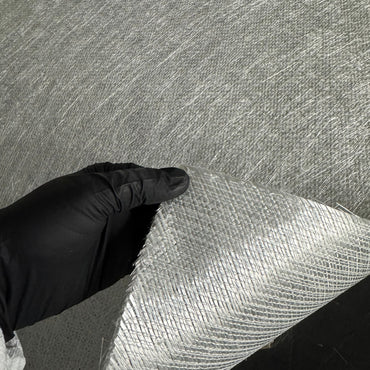
1708 Biaxial Fiberglass
Regular price From $12.95 USDSale price From $12.95 USD Regular priceUnit price $12.95 per yd -

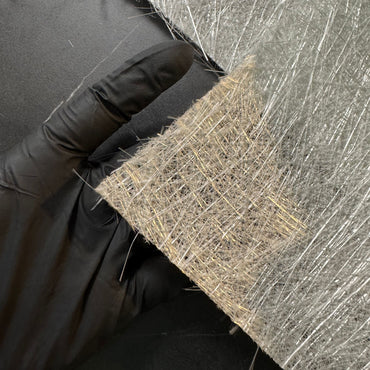
1.5oz Fiberglass Chopped Strand Mat
Regular price From $6.45 USDSale price From $6.45 USD Regular priceUnit price $6.45 per yd -


Marine-Grade Polyester Layup Resin with Hardener
Regular price From $34.95 USDSale price From $34.95 USD Regular priceUnit price $1.09 per floz -
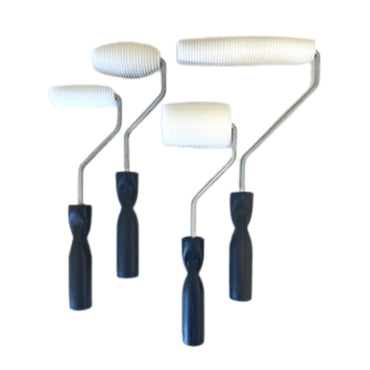
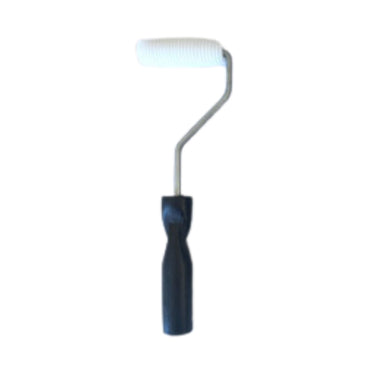

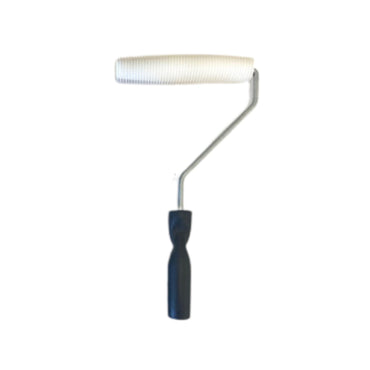
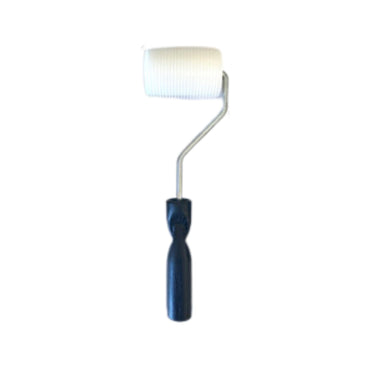
Fiberglass Radius Roller
Regular price From $11.95 USDSale price From $11.95 USD Regular priceUnit price per$12.95 USDSale


Quick reference: how to fiberglass a boat hull, step by step
| Step | What to use | Key detail |
|---|---|---|
| Surface prep | Acetone clean, then 60 to 80 grit | Roughs the hull for resin bonding |
| Dry fit | Pre-cut cloth or mat | Check placement before any resin |
| Layer order | Lighter fiberglass first | Then thicker layers for reinforcement |
| Structural areas | 1708 biaxial | 0.044 in cured per ply |
| Fast thickness | 18 oz woven roving | 0.030 in cured per ply |
| Resin | Polyester, vinyl ester or epoxy | MEKP for the first two, hardener for epoxy |
| Wet out | Thin resin coat, then the fiberglass | Roll out dry spots and air |
| Between layers | Partial cure | Then add the next layer |
| Finish | 80 to 120 grit sandpaper | Then gelcoat or marine paint |
Thickness per ply is the cured hand layup figure.
Step 1: Stage Your Materials First
Have all of this within reach before anything is mixed:
- Fiberglass cloth or chopped strand mat: woven cloth brings strength, CSM brings bulk. See mat versus woven roving for where each fits.
- Resin: polyester, vinyl ester, or epoxy, to suit the job; the resin compatibility chart shows what each bonds to.
- MEKP or hardener: the curing agent. Polyester and vinyl ester take MEKP; epoxy takes its own hardener.
- Acetone: for cleaning the hull and your tools.
- Sandpaper, 60 to 120 grit: coarse for prep, finer for the finish.
- Rollers and brushes: to spread resin and push out air.
- Protective gear: gloves, a respirator, and safety glasses.
Step 2: Prep the Hull
- Clean it: take off dirt, grease, and old paint with acetone or a marine cleaner.
- Sand it: scuff the area with 60 to 80 grit so the resin has something to grab.
- Fix damage first: repair cracks, holes, and weak spots before glass goes over them.
- Mask around it: protect anything nearby with plastic sheeting held down by masking tape.
Step 3: Cut the Glass and Plan the Layers
- Measure and cut: pre-cut the cloth or mat to fit each area of the hull.
- Dry-fit: set each piece on the hull while it is still dry and confirm where it goes.
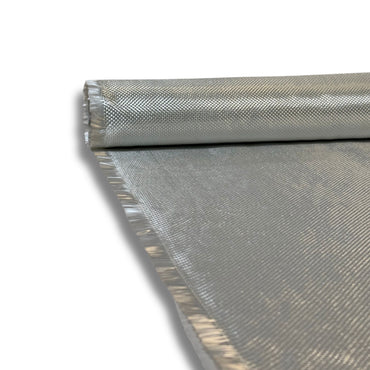
- Plan the stack: run several layers, lighter fiberglass against the hull and heavier layers on top for reinforcement. On structural repairs, 1708 biaxial fiberglass adds strength and 18 oz woven roving builds thickness fast. The laminate thickness chart lists cured thickness per ply.
Step 4: Mix the Resin and Lay Up
- Mix: combine resin and MEKP or hardener at the manufacturer's ratio so it cures properly.
- Coat first: brush or roll a thin film of resin onto the hull.
- Set the glass: lower the cloth or mat gently into the wet resin.
- Wet it out: roll resin evenly through the fiberglass until no dry spots are left.
- Roll out the air: chase out every trapped pocket, since air left behind becomes a weak point.
- Add plies: keep building, letting each layer partially cure before the next goes on.
Step 5: Cure and Finish
- Let it cure fully: go by the cure time for your resin.
- Sand: smooth the laminate with 80 to 120 grit.
- Topcoat: seal the glass with gelcoat or a durable marine paint.
- Inspect: go over the hull for flaws and touch up what you find.
Keeping the Hull Strong
Glassed this way, a hull stays watertight and strong, and it resists wear for years. Careful steps and good materials make the result durable and professional. Before the boat is laid up for winter, read our guide to winterizing a fiberglass boat, which covers protecting the whole hull. Transom damage is a separate job that needs its own targeted repair.
We carry fiberglass and carbon fabrics, laminating resins, and fiberglass tools for hull work.
Frequently asked questions
How should I prep a hull surface before fiberglassing?
Start clean: strip dirt, grease, and old paint with acetone or a marine cleaner. Rough up the surface with 60 to 80 grit sandpaper so the resin has tooth to bond to, then repair any cracks, holes, or weak spots before you lay glass over them. Mask off and protect the surrounding areas with tape and plastic sheeting so you only put resin where you want it.
What layering plan gives the strongest hull lay-up?
Measure and pre-cut your fiberglass, then dry-fit each piece on the hull to confirm placement before any resin goes down. Build in multiple layers, starting with lighter fabric against the surface and adding thicker layers for reinforcement. For structural areas, step up to 1708 biaxial for strength, and use 18 oz woven roving when you need to build thickness fast. Let each layer partially cure before adding the next.
Which resin should I use to fiberglass a boat hull?
Pick based on the job: polyester for general work, vinyl ester for better water resistance and a stronger bond, or epoxy for the toughest adhesion and structural repairs. Whatever you choose, mix it with the correct hardener or catalyst at the manufacturer ratio. Polyester and vinyl ester kick with MEKP catalyst, while epoxy uses a hardener, so match the curing agent to the resin system.
How do I keep air bubbles and dry spots out of the laminate?
Brush or roll a thin layer of resin onto the hull first, then lay the fiberglass gently into the wet resin. Use a roller to evenly distribute resin through the cloth so there are no dry spots, then go back over it to roll out every trapped air pocket. Air voids and dry spots are weak points, so consolidate fully on each layer before moving on.
What grit do I sand to before applying gelcoat or paint?
For final finishing, sand the cured laminate with 80 to 120 grit to smooth it out before you topcoat. During the prep stage you rough the bare hull with coarser 60 to 80 grit for adhesion. After full cure and final sanding, seal and protect the work with gelcoat or a durable marine paint, then do a final inspection and touch up any imperfections.
Shop the materials for this job
- 1708 biaxial and polyester resin kit: 10 yd of 50 in cloth with 5 gal of resin.
Prev post

How to Choose Your Fiberglass Chop Mat Size
Updated on 21 February 2026
Next post

What Is Chopped Strand Mat? A Beginner's Guide to Fiberglass Mat
Updated on 21 February 2026