
Epoxy Resin
-

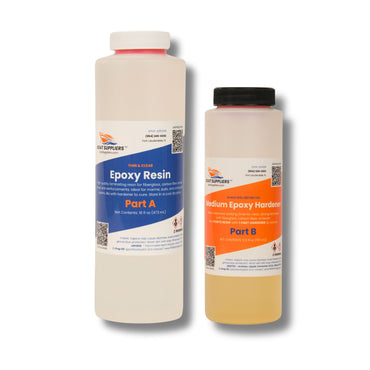


 Vendor:Boat Suppliers
Boat Suppliers Epoxy Resin Kit – Thin, Clear, with Hardener
High quality resin which is popular for lamination with fiberglass, carbon fiber, kevlar or any type of reinforcement....Regular price $34.95 USDSale price $34.95 USD Regular priceUnit price $1.46 per floz -

 Vendor:Boat Suppliers
Boat Suppliers Table Top Kleer Kote Epoxy Resin
Achieve a crystal-clear, glass-like finish with Kleer Kote Epoxy (#30), a premium 1:1 mix ratio epoxy resin system...Regular price $44.99 USDSale price $44.99 USD Regular priceUnit price per -

 Vendor:Boat Suppliers
1-1 Resin Ratio Pumps - 1oz Per Stroke
These Boat Suppliers Epoxy Resin Pumps pump 1oz per stroke, comes with 2 pumps that are the exact...Regular price $14.95 USDSale price $14.95 USD Regular priceUnit price per -


 Vendor:West System
West System 105 Epoxy Resin
West System 105 is the base resin of the 105/200-series system, the gold-standard marine epoxy from Gougeon Brothers....Regular price $59.51 USDSale price $59.51 USD Regular priceUnit price per -

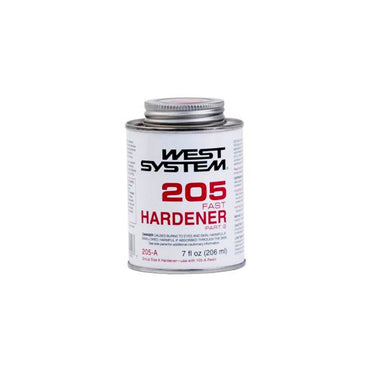
 Vendor:West System
West System 205 Fast Hardener
205 is the fast hardener for West System 105 resin: 5:1 by volume, 9-12 minutes of pot life...Regular price $38.95 USDSale price $38.95 USD Regular priceUnit price per -

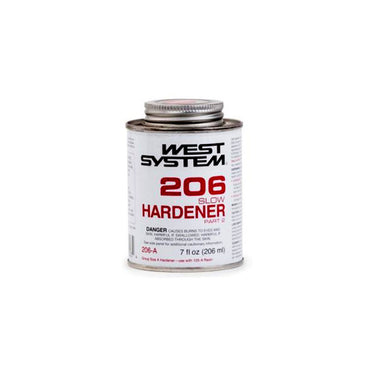
 Vendor:West System
West System 206 Slow Hardener
206 is the slow hardener for West System 105 resin: 5:1 by volume, 20-25 minutes of pot life...Regular price $34.61 USDSale price $34.61 USD Regular priceUnit price per -

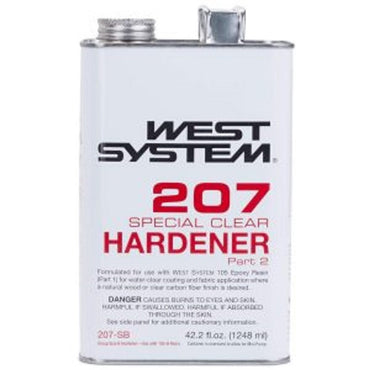 Vendor:West System
West System 207 Special Clear Hardener
207 is the clear-finish hardener for West System 105: 3:1 by volume, blush-free, with a UV inhibitor in...Regular price $63.15 USDSale price $63.15 USD Regular priceUnit price per -
 Vendor:West System
West System 300 Mini Pump Set
The 300 Mini Pump Set meters West System 105 resin and 200-series hardeners one full stroke to one...Regular price $31.39 USDSale price $31.39 USD Regular priceUnit price per -


 Vendor:Boat Suppliers
Thin Epoxy Resin
This listing is for resin only. Hardener is sold separately, allowing you to choose the cure speed (fast,...Regular price $9.98 USDSale price $9.98 USD Regular priceUnit price per -


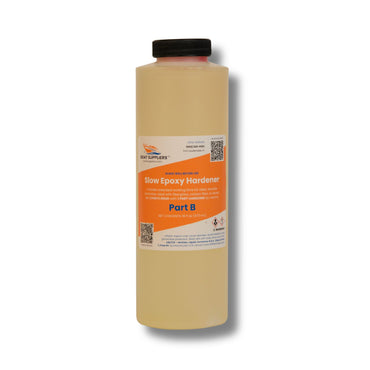
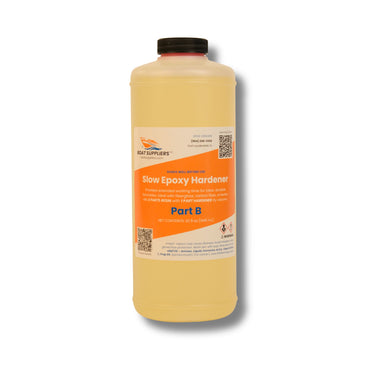
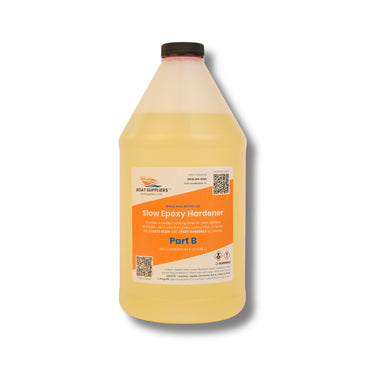 Vendor:Boat Suppliers
Boat Suppliers Slow Epoxy Hardener 2:1 Ratio
This listing is for resin only. Hardener is sold separately, allowing you to choose the cure speed (fast,...Regular price $15.95 USDSale price $15.95 USD Regular priceUnit price perSold out -


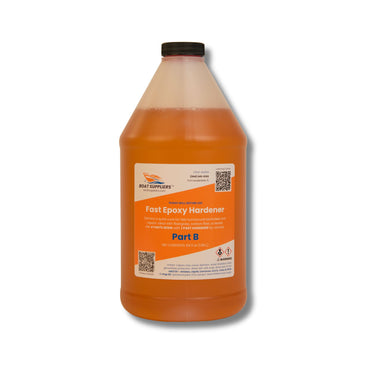 Vendor:Boat Suppliers
Boat Suppliers Fast Epoxy Hardener 4:1 Ratio
This listing is for resin only. Hardener is sold separately, allowing you to choose the cure speed (fast,...Regular price $15.95 USDSale price $15.95 USD Regular priceUnit price perSold out -


 Vendor:Boat Life
BoatLife Git Rot Epoxy Kit
BoatLife Git Rot Penetrating Epoxy Kit BoatLife Git Rot system is a superior product to combat dry rot...Regular price $33.99 USDSale price $33.99 USD Regular priceUnit price per -
 Vendor:Boat Suppliers
Boat Suppliers Epoxy Resin Kit - Thick, 1:1 Bonding and Coating, with Hardener
Thick 1:1 epoxy for the jobs where resin needs to stay put. This is the bonding and coating...Regular price $19.95 USDSale price $19.95 USD Regular priceUnit price per -
 Vendor:Boat Suppliers
Thick Epoxy Resin
The resin half of our Thick 1:1 epoxy system, sold by itself. Same high-build, no-sag formula as the...Regular price $9.98 USDSale price $9.98 USD Regular priceUnit price per -
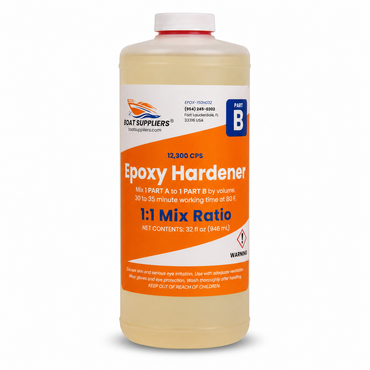 Vendor:Boat Suppliers
Thick Epoxy Hardener (1:1 Ratio)
The hardener half of our Thick 1:1 epoxy system. Mix equal parts by volume with Thick Epoxy Resin,...Regular price $15.95 USDSale price $15.95 USD Regular priceUnit price per


Epoxy Resin
Shop epoxy resin for strong, durable marine repairs and construction. Find high-quality, waterproof resins designed for boat building, fiberglass work, and coating applications.
Popular here: thin clear epoxy kit, table top epoxy.
Related categories: Polyester Resins, Vinyl Ester Resin, Fillers & Additives, Fiberglass Cloth.