Fiberglass delamination is a common issue in boats and other fiberglass structures, occurring when layers of fiberglass separate due to moisture, impact, or poor bonding. If left unaddressed, delamination can weaken the structure and lead to costly repairs. Fortunately, with the right techniques, you can prevent and repair delamination effectively. This guide covers the causes, prevention methods, and step-by-step repair process to keep your fiberglass in top condition.
What Causes Fiberglass Delamination?
Understanding the causes of delamination can help you prevent it from happening in the first place:
- Water Intrusion – Moisture seeping into fiberglass layers weakens the bond and leads to separation.
- Poor Adhesion During Construction – Improper resin saturation or inadequate bonding between layers.
- Impact Damage – Hard hits from docks, debris, or grounding can break the fiberglass bond.
- Prolonged UV Exposure – Sunlight can degrade resin over time, leading to weakening of the fiberglass layers.
- Freeze-Thaw Cycles – Water trapped in fiberglass expands when frozen, creating separation.
How to Prevent Fiberglass Delamination
- Seal and Maintain Gelcoat – Regularly inspect and repair any cracks in the gelcoat to prevent water intrusion.
- Use High-Quality Materials – Choosing the right resin and fiberglass ensures better adhesion and long-term durability.
- Apply Proper Resin Ratios – Make sure fiberglass is fully saturated during construction or repairs.
- Store Boats Properly – Keep boats covered and dry when not in use to avoid prolonged moisture exposure.
- Inspect for Damage Regularly – Catching minor issues early can prevent them from turning into major problems.
How to Repair Fiberglass Delamination
If you notice soft spots, bubbling, or separated layers in your fiberglass, follow these steps for a proper repair:
Step 1: Assess the Damage
- Tap the area lightly with a mallet—hollow sounds indicate delamination.
- Mark the affected area for precise repair.
- Determine if the delamination is surface-level or deep within the fiberglass layers.
Step 2: Remove the Damaged Fiberglass
- Use a grinder or sander to remove the top layer of gelcoat and affected fiberglass.
- Cut out severely damaged sections if necessary.
- Clean the exposed area thoroughly with acetone to remove dust and contaminants.
Step 3: Prepare the Repair Area
- If delamination is minor, drill small holes in the affected area to inject resin.
- For larger repairs, sand the surrounding area to ensure good adhesion for new fiberglass layers.
Step 4: Apply Epoxy or Polyester Resin
- Inject epoxy or polyester resin into small delaminated areas using a syringe.
- For cut-out sections, lay new fiberglass cloth or mat soaked in resin to rebuild the structure.
- Use a roller to remove air bubbles and ensure complete saturation.
Step 5: Cure and Finish
- Allow the resin to fully cure as per manufacturer instructions.
- Sand the repaired area smooth and fair it with a high-quality fairing compound.
- Apply gelcoat or marine-grade paint to restore the surface.
Final Thoughts
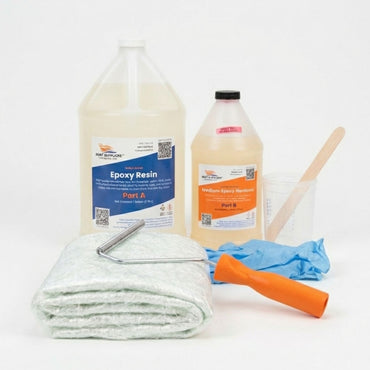
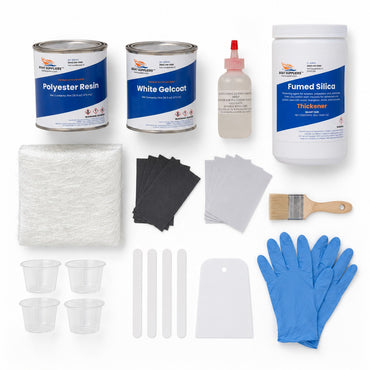
Preventing and repairing fiberglass delamination is essential for maintaining the integrity of your boat or fiberglass structure. With proper maintenance and repair techniques, you can extend the life of your fiberglass and avoid costly damage. For more complex repairs, consider using a fiberglass repair kit that contains all the essential components needed for professional-quality results.
Frequently asked questions
How do I know if my fiberglass is delaminated?
Tap the suspect area lightly with a mallet and listen. A hollow sound means the layers have separated, while a solid sound means the laminate is still bonded. Soft spots, surface bubbling, and visibly separated layers are the other tells. Map and mark the full affected area first, then decide whether the delamination is just surface-level or runs deep into the laminate, since that drives how much you grind out.
What causes fiberglass delamination on a boat?
The big driver is water intrusion, where moisture seeps between layers and breaks the bond. Other causes are poor adhesion during construction from inadequate resin saturation, impact damage from docks, debris, or grounding, prolonged UV exposure that degrades the resin, and freeze-thaw cycles where trapped water expands as it freezes and forces the layers apart. Sealing gelcoat cracks and storing the boat covered and dry heads most of these off.
Can I fix minor delamination by injecting resin?
Yes, for small, shallow delamination you can drill a few small holes into the affected area and inject epoxy or polyester resin with a syringe to re-bond the layers. Clean the area first with acetone so the resin grabs. For larger or deeper damage, injection is not enough: you grind out the failed material and re-laminate with fresh cloth or mat soaked in resin.
How do I rebuild a section where I had to cut out the bad fiberglass?
Grind off the gelcoat and the affected glass, cut out any severely damaged sections, and clean the exposed laminate with acetone. Sand the surrounding area so new material has good tooth to bond to. Lay fresh fiberglass cloth or mat, using 1708 biaxial to re-laminate structural areas, wetting each layer fully and rolling out all the air bubbles. Once cured, fair it with a quality fairing compound and seal with gelcoat or marine-grade paint.
Should I repair delamination with epoxy or polyester resin?
Either can work for the repair. Polyester is fine for general re-lamination, while epoxy gives the strongest secondary bond to old, cured laminate, which is why systems like West System 105 are popular for structural delamination work. Whichever you choose, fully saturate the new glass, roll out every air pocket, and let it cure per the manufacturer instructions before fairing and refinishing.
Shop the materials in this guide
- 1708 biaxial, for re-laminating delaminated areas.
- clear epoxy resin kit.
- West System 105 epoxy resin.
- all epoxy systems.
Running these jobs for paying customers? Boat Suppliers shop accounts get flat wholesale pricing on the full catalog. Apply for a wholesale account.
Prev post

How to Choose Your Fiberglass Chop Mat Size
Updated on 21 February 2026
Next post

What Is Chopped Strand Mat? A Beginner's Guide to Fiberglass Mat
Updated on 21 February 2026