1708 Biaxial Tape vs Strips Cut From the Roll: When Tape Wins

12 October 2026
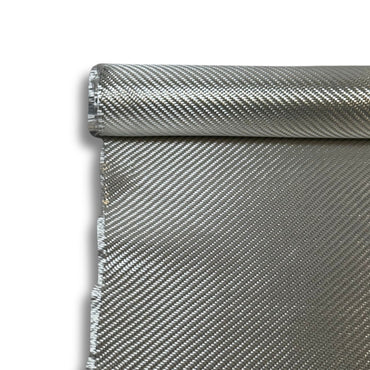
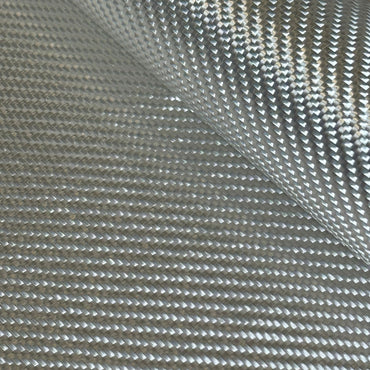
1708 biaxial tape and a strip cut off a 1708 roll are the same laminate once they are wet out: 17 oz/yd² of +45/-45 stitched E-glass over a 3/4 oz chopped strand mat backer. So the choice is not strength. It is yards, widths, edges and bench time. The rule we run: under about 25 yd of tabbing in one width, buy the tape; over that, or in a width the tape ladder does not come in, buy the roll and cut. Here is the math, and where an 8.7 oz woven tape beats both.
What you are actually comparing
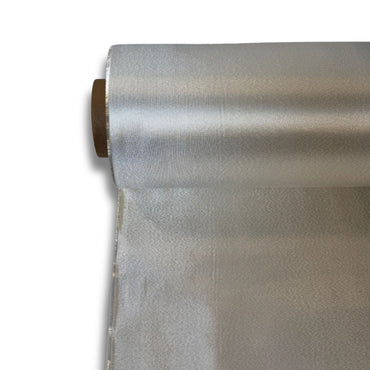
The tape is factory-slit to 6, 8, 10 and 12 in, wound on a roll, and sold by the yard from 1 yd up to a 95 yd roll. Every yard is the same width, the edge is straight, and you unroll it along the joint. A strip off the roll is the same fabric cut with a rotary cutter and a straightedge off a 38 in or 50 in wide cut: a 50 in roll yields eight 6 in strips with 2 in left over, a 38 in roll yields six. Stitched biaxial moves while you cut it, the cut edge sheds glass, and a strip that wanders 1/2 in off square over 3 yd is a tab with a thin leg. The strips are also only as long as the piece they came off, and longer cut goods can arrive in more than one piece either way.
The yardage math
| Job | Tape needed | Same tabbing off a 50 in roll |
|---|---|---|
| One 8 ft stringer, both sides, 3 staggered layers (6, 8, 10 in) | 16 yd, about 5.3 yd of each width | 3 yd of 50 in, two sets of three widths across 48 in |
| Two stringers, same schedule | 32 yd | 6 yd of 50 in |
| Transom perimeter on a 20 ft boat, inside, 3 layers (8, 10, 12 in) | about 12 yd, 4 yd of each width | 4 yd of 50 in, one set across 30 in with 20 in left for 6 in strips |
| Hull-to-deck joint on a 22 ft boat, inside, 2 layers (6, 8 in) | about 33 yd | 6 yd of 50 in, three sets across 42 in |
One linear yard of 50 in 1708 is 1.39 sq yd and slits into roughly 8 yd of 6 in tape, which is why the roll wins on yardage the moment a job needs 25 to 30 yd of one width. What it does not show is the hour with a rotary cutter, the edge waste, and the three separate cutting setups a stagger schedule needs. Under about 25 yd, the tape is cheaper once your time is on the bill.
Width: the stagger rule
A tab is a bond to two surfaces, so width is set by the fillet plus the legs. The first tape has to span the fillet radius and land at least 2 in onto each surface; on a 3/4 in fillet that is 6 in. Each following layer goes 2 in wider, 1 in each side, so the edges do not stack into a step: 6, then 8, then 10 in. For a transom-to-hull joint or a bulkhead carrying real load, run 3 to 4 in of leg, which is 8, 10 and 12 in. Mat side down on the first layer, against the fillet and the ground surface; no rotation needed, since the +45/-45 fibers already cross the joint. Wet out at roughly 1:1 resin to glass by weight. A yard of 6 in 1708 tape is about 0.17 sq yd and takes around 4 oz of mixed resin by hand, so a 16 yd stringer job is a half gallon of resin before the fillet putty. Run the real numbers through the resin calculator before you order.
Where 8.7 oz woven tape is the right tape
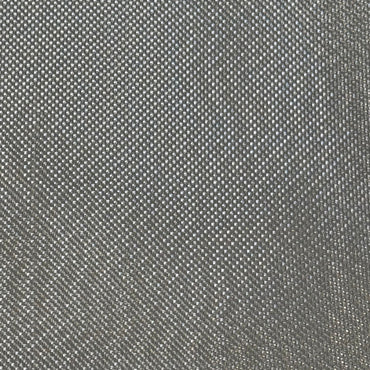
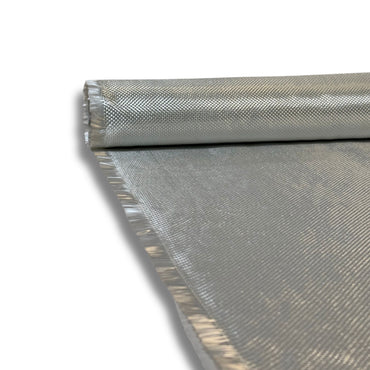
Not every joint wants a 1708 tab. An 8.7 oz plain weave E-glass tape with woven selvage edges, 0.0107 in per ply, comes in widths from 1 to 12 in, does not fray at all, and lays flat over a seam without the bulk of a mat-backed biaxial. That is the tape for stitch-and-glue chines, canoe and kayak seams, small-boat bulkhead tabs that carry no real load, a hardware doubler, and any joint that ends up under a finished surface where 1708's thickness would have to be faired off. It is not a stringer tab. A 20 ft boat's stringers get 1708.
Which one, by job
Stringers, bulkheads and knees on one boat, or a transom re-skin with its perimeter tabs: 1708 Biaxial Fiberglass Tape in 6 and 8 in for the stringers and 10 or 12 in for the transom perimeter, bought as 10 yd or 25 yd rolls per width. A full transom skin, a stringer system with 100 yd of tabbing, or any job where the skin fabric is coming off the same roll: 1708 Biaxial Fiberglass in 38 in or 50 in, and cut the tabs off it; buy an extra yard for the strips and the edge waste. Light seams, chines and doublers: 8.7oz Fiberglass Cloth Tape (E-Glass) in the width that gives 2 in of leg. Grinding and wetting out both want a fitted P100 with organic vapor cartridges, nitrile gloves and eye protection.
Frequently asked questions
What width fiberglass tape for stringers?
Start at 6 in on a 3/4 in fillet, which gives about 2 in of bond onto the stringer and 2 in onto the hull, then stagger up 2 in per layer: 6, 8, 10 in. A stringer carrying an engine bed or a transom-to-hull joint gets 3 to 4 in of leg, so 8, 10 and 12 in. Three layers of 1708 tape lands the tab at about 0.12 in (3 mm) of cured laminate, and all four widths are in the 1708 tape ladder.
Can I cut 1708 biaxial into strips?
Yes, with a rotary cutter and a straightedge on a cutting mat, and it is the cheaper route above about 25 yd of one width: a linear yard of 50 in 1708 slits into roughly 8 yd of 6 in strips. Expect the fabric to shift while you cut, the edges to shed glass, and each strip to be no longer than the cut it came from. Under 25 yd, factory-slit tape costs less once you count bench time.
Does 1708 tape have finished edges?
No. 1708 tape is slit from the wide fabric, so the edge is a clean, straight cut, not a woven selvage, and it can shed a few strands when handled dry. It stays straight and consistent in width, which is what a stagger schedule needs. If you want a selvage edge that will not shed at all, that is the 8.7 oz woven E-glass cloth tape, which is the right choice for light seams but not for a structural stringer tab.
How many layers of tape for tabbing a stringer?
Three staggered layers of 1708 tape on a typical outboard boat stringer, 6, 8 and 10 in, over a fillet of thickened resin with the mat side of the first layer against the fillet. That builds roughly 0.12 in (3 mm) of laminate on each side. Engine stringers on a bigger boat get four layers with the wider stagger. At about 4 oz of mixed resin per yard of 6 in tape, an 8 ft stringer tabbed both sides uses close to a half gallon.
Is 8.7 oz cloth tape strong enough for stringers?
Not on a powerboat. At 8.7 oz and 0.0107 in per ply it is a fraction of the glass in a 1708 tab, and its 0/90 plain weave runs half its fibers parallel to the joint. It is the right tape for stitch-and-glue chines, canoe and kayak seams, and doublers that end up under a finished surface. Stringers, bulkheads carrying load and transom perimeters get 1708 tape in three staggered widths.
What You Need For This Job
- 1708 Biaxial Fiberglass Tape: factory-slit 6, 8, 10 and 12 in tabbing tape, by the yard to 95 yd rolls
- 1708 Biaxial Fiberglass: the 38 in or 50 in roll to cut strips from on big tabbing jobs and transom skins
- 8.7oz Fiberglass Cloth Tape (E-Glass): woven-edge tape for seams, chines and doublers
Next post

RV Fiberglass Repair: Crack, Hole or Delamination? Which Kit You Need
Updated on 11 October 2026