Summer Fiberglass Projects: Make the Most of Warm Weather on Your Boat

10 July 2026
Summer is the best time to tackle those fiberglass repairs and upgrades you've been putting off all winter — but it's also the season when most DIYers make their biggest mistakes. Warm weather fiberglass work requires a different approach than working in a cool garage in March. Get it right and your summer fiberglass projects will cure faster, bond stronger, and look cleaner than anything you've done before. Get it wrong and you'll be dealing with bubbles, fish-eyes, and resin that kicks before you've finished rolling it out. This guide is for boat owners who want practical, experience-backed advice on how to use summer conditions to their advantage — not fight against them.
Why Summer Really Is the Best Season for Fiberglass Work (When You Plan It Right)
The best conditions for fiberglassing combine temperatures between 65°F and 85°F with low humidity and good ventilation. Summer mornings — especially in coastal areas — often hit that sweet spot perfectly. Warm substrates mean resins wet out quickly and achieve a more complete cure, which translates to better mechanical strength in your finished laminate. Cold laminations are notorious for leaving resin under-cured and brittle at the fiber interface. If you've ever peeled up a repair that delaminated after a single season, cold-weather work is often the culprit.
That said, there's a real difference between a pleasant 78°F morning and a sweltering 95°F afternoon with the hull sitting in direct sun. A dark fiberglass hull in July sun can reach surface temperatures well above 120°F, and that will torch your pot life down to almost nothing. The strategy is simple: work early, work in the shade, and know your materials.
Choosing the Right Fiberglass Material for Summer Boat Repair
Not all fiberglass products behave the same in the heat, and matching your material to the job is the first step toward a successful repair.
Chopped Strand Mat for Hull Repairs and Buildup
For most summer boat repair work — filling core voids, rebuilding hull sections, or reinforcing a transom — chopped strand mat is your workhorse. The randomly oriented fibers conform to curved hull surfaces far better than woven cloth, and the mat's binder dissolves in polyester resin to lock layers together into a monolithic laminate.
For lightweight patching and repairs where you need the material to conform to tight compound curves without bridging, the 0.75oz Fiberglass Chopped Strand Mat is an excellent starting point. At just $3.12, it's also an economical way to build up your first few layers before switching to heavier material. In summer heat, this lighter mat wets out fast — which is a genuine advantage when your working time is compressed.
When you need structural mass — rebuilding a transom, adding thickness to a keel area, or laminating a bilge repair — step up to the 1.5oz Fiberglass Chopped Strand Mat. This is the standard for marine lamination work and offers the balance of drapability and bulk that most hull repair jobs demand. In warm conditions, plan to apply no more than two or three layers at a time to avoid exothermic heat buildup, which can cause print-through or warping on thinner hull sections.
Mat Tape for Seams, Corners, and Tight Spots
One of the most underused products in a boat builder's summer toolkit is fiberglass mat tape. If you're repairing a deck-to-hull joint, reinforcing an interior seam, or tabbing in a new bulkhead, trying to cut and handle full sheets of mat in a cramped bilge on a hot day is miserable. The 1.5oz Fiberglass Mat Tape solves this problem neatly. Pre-cut widths mean no trimming, cleaner edges, and faster application — which matters a lot when your resin is kicking faster than expected in the summer heat. For a deeper look at when to use tape versus full cloth in your project, see our guide on choosing the right reinforcement for your boat project.
Woven Cloth for a Smooth, Strong Finish Layer
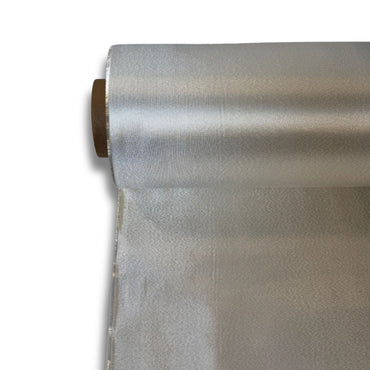
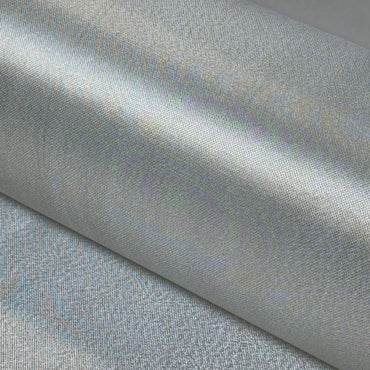
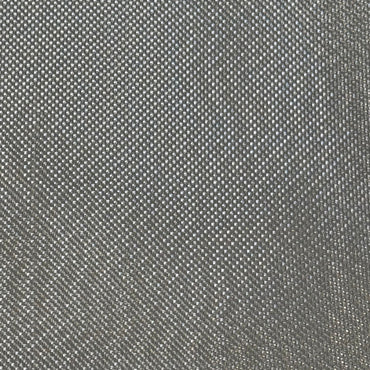
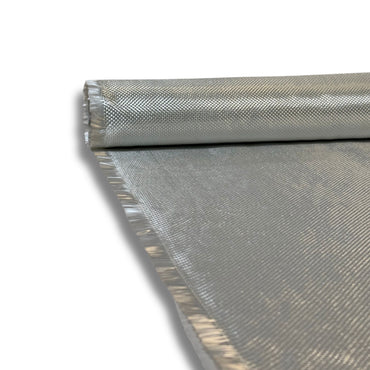
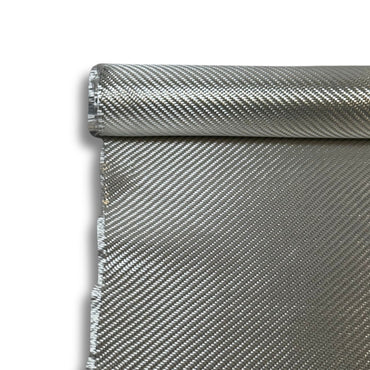
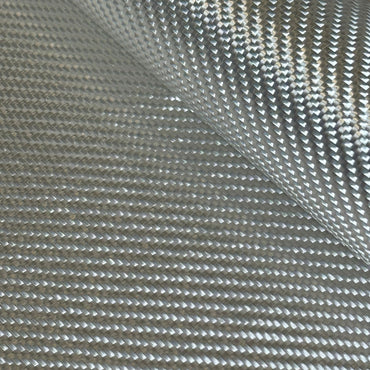
If your project calls for a surface that will be seen — a repaired deck, a faired hull section, or a cosmetic repair near the waterline — finish your laminate with woven cloth rather than mat. The 10oz Fiberglass E Cloth is a plain weave that sands beautifully and provides a tight, uniform surface for primer and paint. At 10 oz, it adds meaningful strength without the print-through risk of heavier fabrics. On show surfaces, a layer of surfacing veil knocks print-through down even further. Wet it out carefully in summer; the warm temperature means the cloth will become transparent quickly, but also means you need to move efficiently to avoid resin skinning before you've finished rolling out air. Mastering your fiberglass roller technique is especially important when working in warm conditions where pot life is shortened.
Chopped Strand Filler for Structural Bonding Paste
Summer is a great time to tackle any structural bonding work — setting cleats, tabbing in new equipment mounts, or making a strong filled putty for hardware backing plates. Loose chopped strand fiber mixed into your resin creates a far tougher fillet than fumed silica alone. The 1/4" Chopped Strand Fiberglass is ideal for most marine bonding putties, while the 1/2" Chopped Strand Fiberglass gives you longer fibers and higher impact resistance for heavily loaded connections like keel bolt repairs or motor mount foundations.
Summer Fiberglassing: Practical Tips to Stay Ahead of the Heat
Adjust Your Catalyst Ratio — Don't Ignore It
In summer heat, MEKP catalyst percentages for polyester resin should drop from the typical 1.5–2% down toward 1–1.25%. Test your specific resin on a scrap piece at your working temperature before committing to a large repair. Epoxy users should switch to a slow hardener and mix smaller batches. This is the single most common mistake warm weather fiberglass workers make, and the consequences — a kicked batch mid-layup, or worse, a hot laminate that warps your hull — are expensive.
Store Resin Out of the Sun
Keep your cans of resin in a cooler or in the shade until you need them. A can of polyester that's been sitting in the sun at 100°F will have a dramatically shorter pot life than the same resin stored at 70°F. Pre-chilling your mixing containers in a bucket of ice water is an old laminator's trick that buys you meaningful extra working time.
Work in Stages, Not All at Once
Summer's warmth also accelerates exothermic heat in thick laminates. If you're building up significant thickness — say, five or more layers of 1.5oz mat — apply two or three layers, let them reach green cure (firm but not fully hard), then continue. This staged approach prevents dangerous heat buildup that can crack or distort your repair.
Humidity Still Matters
Coastal boaters know that summer mornings can bring heavy dew and high humidity. Fiberglass does not bond well to damp surfaces. Always wipe your work area with a clean dry cloth before laminating, and avoid working when relative humidity exceeds 80%. Midday hours, while hotter, are often drier than early morning in humid climates — another variable worth monitoring before you open your resin.
A Practical Summer Project Checklist
Here's a quick hit list of summer fiberglass projects that are well-suited to warm conditions and can realistically be completed over a weekend:
- Transom repair or reinforcement — Use 1.5oz mat for buildup, finish with 10oz cloth
- Deck core replacement — Soft spots are easier to find when you can walk the deck barefoot; use mat tape to seal plywood core edges before laminating over
- Hull osmotic blister repair — Warm weather accelerates the drying of the hull after grinding; allow at least two weeks of warm-weather drying before laminating
- Interior bilge laminates — Cool the bilge by working before 9am; mat tape handles the awkward angles
- Boat floor replacement — Mix chopped strand filler into epoxy for a tough, structural bedding compound
Make the Season Work for You
Summer fiberglass projects reward preparation. Know your materials, respect the temperature, and work with the season's rhythms rather than against them. A 6am start, a shaded work area, and the right mat weight for your application will produce results that a rushed afternoon job in the blazing heat never will. Whether you're patching a small gelcoat repair or rebuilding a transom from scratch, the warm weather advantage is real — you just have to use it wisely. Stock up on materials before the season peaks, and your boat will be stronger and better-looking before summer is out.
Shop the materials in this guide
Prev post

How to Build a Fiberglass Surfboard: A Step-by-Step Guide for Composite Construction
Updated on 14 July 2026
Next post

Composite Layup Schedule Guide: How to Plan and Execute Any Fiberglass Build
Updated on 07 July 2026