Sealing and Protecting Marine Plywood for Long-Term Use

23 February 2026
Marine plywood is a popular choice for boat construction and repairs due to its strength, durability, and resistance to moisture. However, without proper sealing and protection, even high-quality marine plywood can degrade over time due to water exposure, UV damage, and fungal growth. This guide will walk you through the best methods to seal and protect marine plywood for long-term use.
Quick reference: sealing marine plywood step by step
| Step | How | Why it matters |
|---|---|---|
| Sand | 80 to 120 grit sandpaper | Opens the grain for better absorption |
| Clean and dry | Tack cloth or compressed air | Sealing over moisture traps it inside |
| Seal the faces | Thin, even coats of epoxy | Hard, waterproof barrier |
| Build coats | At least 2 to 3 coats | Makes a continuous moisture barrier |
| Between coats | Let harden, sand lightly with fine grit | Next coat bonds well |
| Seal the edges | Thickened epoxy or marine sealant | Edges are most vulnerable to water |
| Seal fastener holes | Coat screws with sealant first | Keeps water out of the core |
| Topcoat | UV-protective paint or varnish | Epoxy breaks down under UV |
| Maintain | Inspect for cracks or peeling | Reapply sealant as needed |
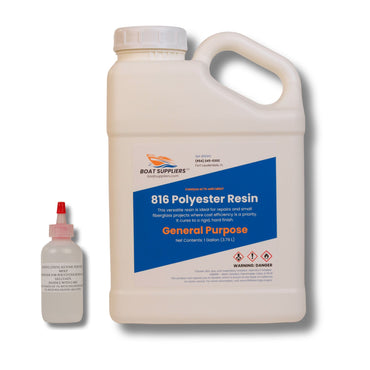
Products used in this guide
-

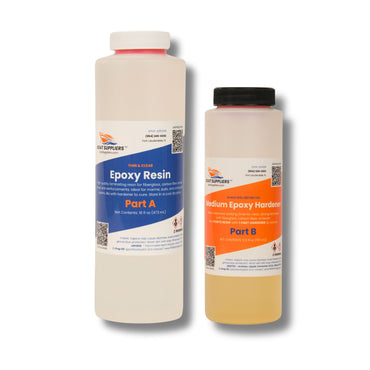


Boat Suppliers Epoxy Resin Kit – Thin, Clear, with Hardener
Regular price From $31.95 USDSale price From $31.95 USD Regular priceUnit price $1.46 per floz -


West System 105 Epoxy Resin
Regular price From $59.51 USDSale price From $59.51 USD Regular priceUnit price per -
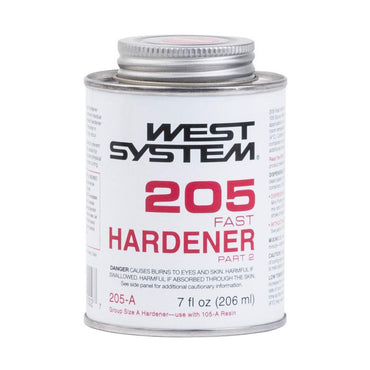

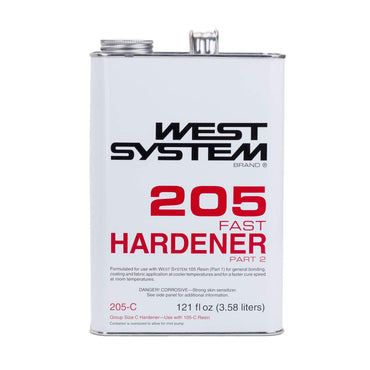
West System 205 Fast Hardener
Regular price From $38.95 USDSale price From $38.95 USD Regular priceUnit price per -
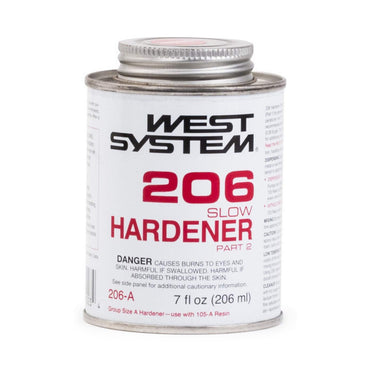

West System 206 Slow Hardener
Regular price From $34.61 USDSale price From $34.61 USD Regular priceUnit price per


Why Seal Marine Plywood?
Sealing marine plywood provides several key benefits:
- Prevents Water Damage – Protects against swelling, warping, and rot caused by moisture absorption.
- Increases Lifespan – Proper sealing extends the durability of marine plywood, reducing the need for replacements.
- Protects Against UV Damage – Shields the wood from sun exposure that can weaken and fade the surface.
- Enhances Structural Strength – Sealing reinforces the wood fibers, preventing delamination and degradation.
Step 1: Choose the Right Sealer or Coating
Selecting the right sealant depends on your specific needs and the environment where the plywood will be used. Common options include:
- Epoxy Resin – Provides a hard, waterproof barrier and excellent durability.
- Polyurethane Varnish – Offers UV resistance and a flexible, protective finish.
- Marine-Grade Paint – Adds color while also sealing the surface.
- Wood Preservatives – Prevents fungal and insect damage.
Step 2: Prepare the Plywood Surface
- Sand the Surface – Use 80-120 grit sandpaper to smooth the plywood and open the grain for better absorption.
- Clean the Wood – Remove dust and debris with a tack cloth or compressed air.
- Dry the Plywood Completely – Ensure the wood is fully dry before applying any sealant to prevent moisture trapping.
Step 3: Apply the Sealer
- Brush or Roll on Epoxy – If using epoxy resin, mix it according to the manufacturer's instructions and apply a thin, even coat.
- Allow Proper Curing Time – Epoxy requires several hours to fully harden before additional coats.
- Sand Between Coats – Lightly sand the surface with fine-grit sandpaper to ensure proper adhesion of additional layers.
- Apply Additional Layers – For best protection, apply at least two to three coats of epoxy, varnish, or paint using proper application tools.
Step 4: Seal the Edges and Fastener Holes
- Use Thickened Epoxy for Edges – The edges of plywood are most vulnerable to water intrusion, so apply extra epoxy or marine sealant.
- Seal Screw and Drill Holes – Before inserting screws, coat them with sealant to prevent water penetration into the core.
Step 5: Final Protection and Maintenance
- Topcoat with UV-Protective Paint or Varnish – Protect epoxy-sealed plywood from sun damage.
- Regularly Inspect for Wear – Check for cracks or peeling and reapply sealant as needed.
- Keep the Surface Clean – Remove dirt and salt buildup to maintain the protective coating.
Final Thoughts
Properly sealing and protecting marine plywood ensures it remains strong and durable for years, whether used in marine applications, decking, or other projects. By following these steps, you can safeguard your investment against water damage, rot, and UV exposure while understanding the importance of using appropriate marine-grade materials for long-lasting protection.
For high-quality marine plywood, sealants, and protective coatings, visit Boat Suppliers and get everything you need to complete your project!
Frequently asked questions
Which sealer should I use on marine plywood?
It depends on where the panel lives. Epoxy resin gives a hard, waterproof barrier and the best durability, which is why it is the primary seal coat. Polyurethane varnish adds UV resistance and a flexible finish. Marine-grade paint seals while adding color, and wood preservatives guard against fungal and insect damage. A common pro stack is an epoxy seal coat topped with a UV-protective varnish or paint.
Do I really need to seal the edges and screw holes separately?
Yes. The edges and fastener holes are where water gets into the plywood core, so they need extra attention. Brush thickened epoxy or marine sealant onto the cut edges, and coat screws with sealant before driving them so water cannot wick down the threads into the core. Sealing the faces but leaving the edges raw is the most common way good marine plywood still rots.
How many coats of epoxy does marine plywood need?
Plan on at least two to three coats of epoxy, varnish, or paint for solid long-term protection. Apply each epoxy coat thin and even, give it the several hours it needs to harden, and lightly sand with fine grit between coats so the next layer bonds well. Building multiple coats is what creates a continuous moisture barrier rather than a thin, easily breached film.
Does epoxy alone protect marine plywood from sun damage?
No. Epoxy is an excellent moisture barrier but breaks down under UV exposure, so it needs a topcoat. Finish epoxy-sealed plywood with a UV-protective paint or varnish to shield it from sunlight that would otherwise chalk and weaken the surface. The epoxy stops water, the topcoat stops UV, and together they keep the panel sound.
How should I prep marine plywood before sealing it?
Sand the surface with 80 to 120 grit to smooth it and open the grain for better absorption. Remove all dust and debris with a tack cloth or compressed air, then make sure the wood is completely dry before any sealant goes on. Sealing over trapped moisture locks water inside the panel, so a fully dry, clean surface is non-negotiable before the first coat.
Shop the materials in this guide
- clear epoxy resin kit, for a moisture-blocking seal coat.
- West System 105 epoxy resin.
- all epoxy systems.
Prev post

How to Make a Fiberglass Mold: Complete Step-by-Step Guide
Updated on 23 February 2026
Next post

1708 Biaxial Fiberglass Explained: What the Numbers Mean
Updated on 23 February 2026