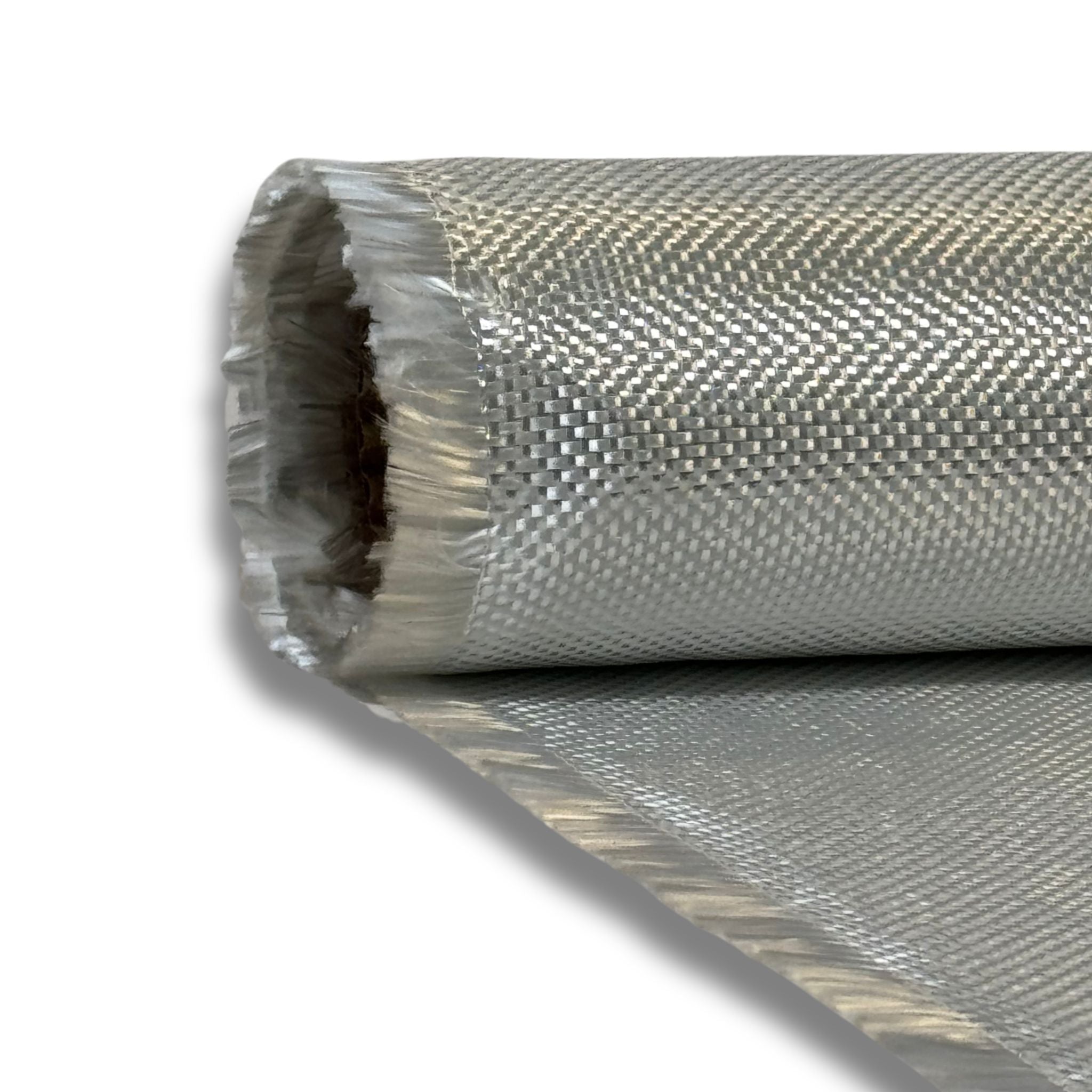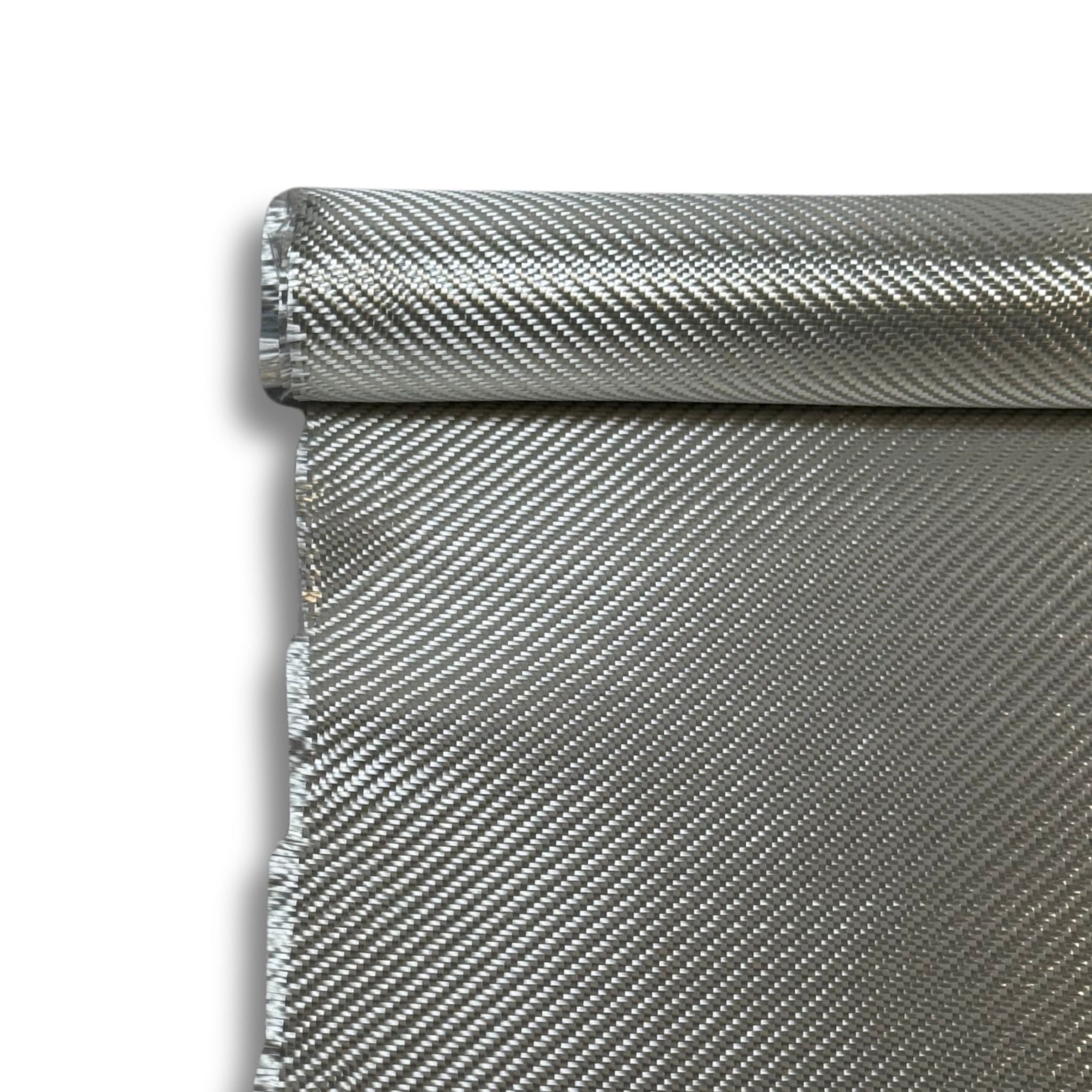

What Oz Fiberglass Cloth to Use: A Comprehensive Guide

21 February 2026
Choosing the right fiberglass cloth for your boat repair or build can be tricky. With various weights available, each serving a different purpose, it's essential to understand the differences and applications. This guide will break down the commonly used fiberglass cloth weights and when to use each.
Understanding Fiberglass Cloth Weights
Fiberglass cloth is measured in ounces per square yard (oz/yd²). Common weights include:
- 4 oz – Lightweight, flexible, great for surface finishes
- 6 oz – All-purpose weight, ideal for most boat repairs
- 10 oz – Heavy-duty, for structural reinforcement
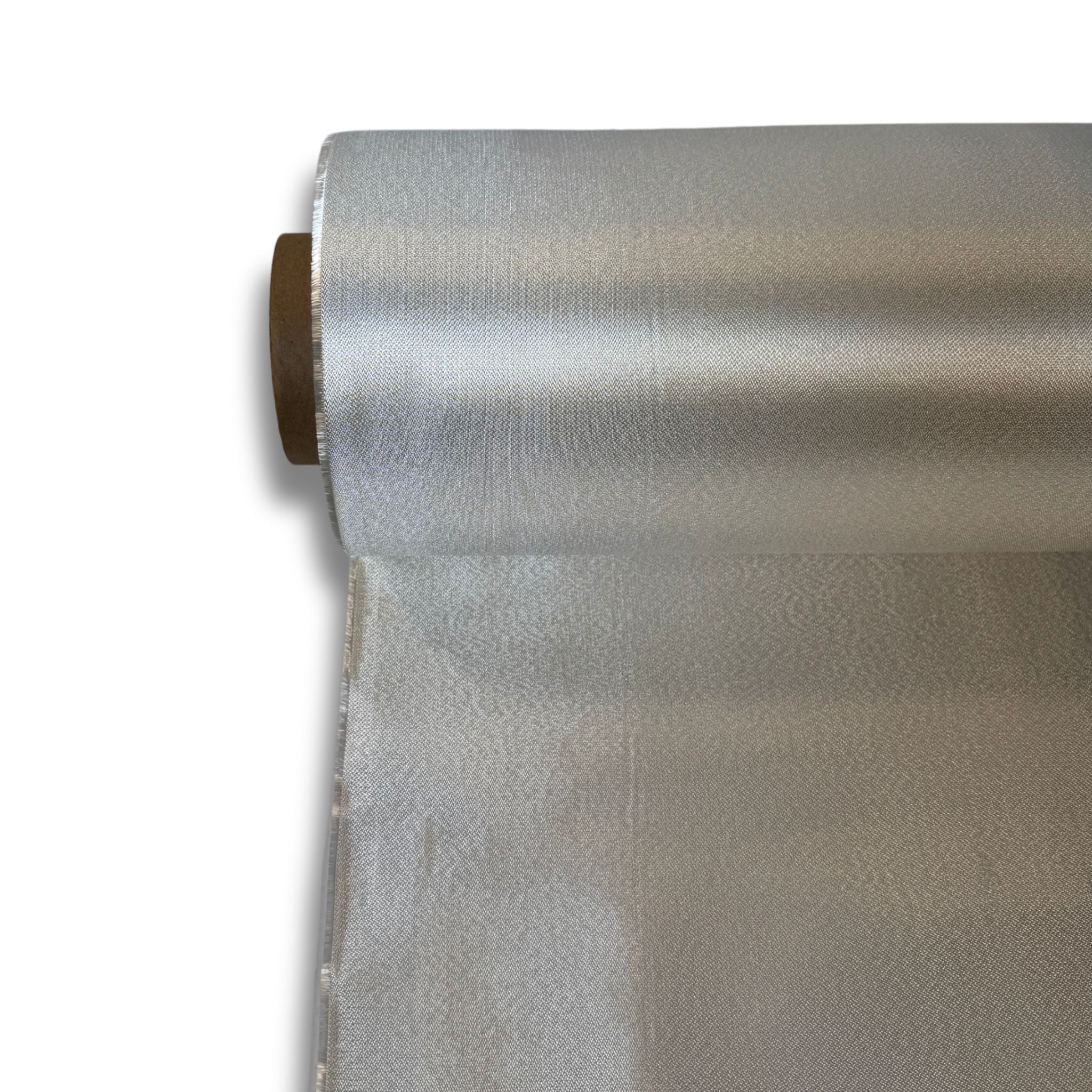
4 oz Fiberglass Cloth
Best for: Small repairs, tight curves, cosmetic finishes
4 oz cloth is thin and highly conformable. It's perfect when you need the fiberglass to follow complex shapes without bunching. Use it for:
- Final surface layers
- Small crack repairs
- Covering tight radius curves
- Cosmetic touch-ups
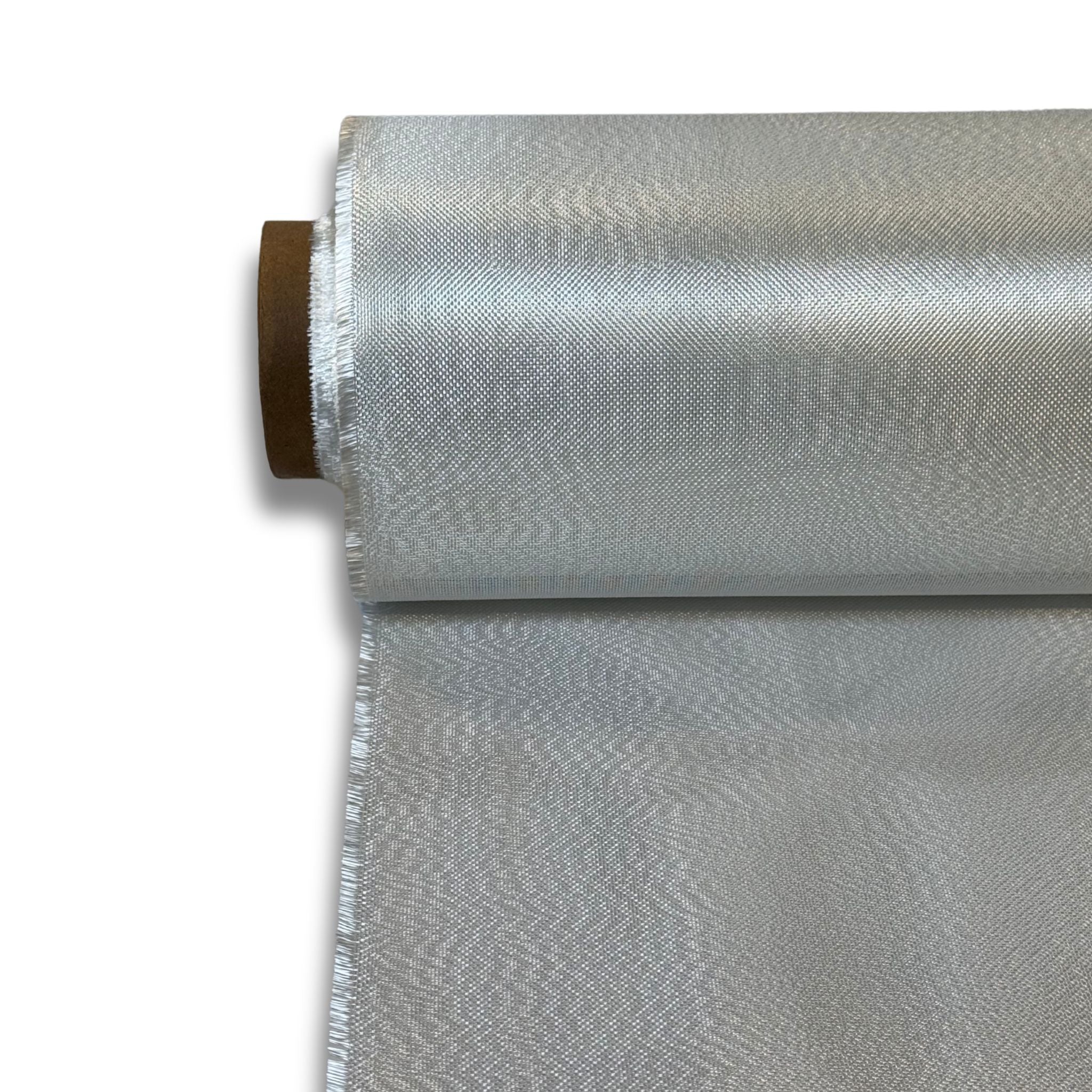
6 oz Fiberglass Cloth
Best for: General boat repair, floor overlays, deck work
6 oz is the workhorse weight for most marine applications. It offers a good balance of strength, workability, and resin absorption. Use it for:
- Boat floor repairs
- Deck overlays
- Hull patches
- General fiberglass layups
10 oz Fiberglass Cloth
Best for: Structural repairs, transoms, hull reinforcement
10 oz cloth is thick and strong, providing maximum reinforcement. It's harder to conform to tight curves but excels in flat or gently curved structural applications. For even stronger structural work, consider biaxial fiberglass as an alternative. Use it for:
- Transom rebuilds
- Stringer reinforcement
- Hull structural repairs
- High-stress areas
Weight Comparison Table
| Weight | Thickness | Conformability | Strength | Best Application |
|---|---|---|---|---|
| 4 oz | Thin | Excellent | Light | Detail work, finishing |
| 6 oz | Medium | Good | Medium | General repairs |
| 10 oz | Thick | Limited | High | Structural work |
Tips for Choosing the Right Weight
- Consider the curve: Tighter curves need lighter cloth
- Think about layers: Multiple layers of light cloth can be easier to work with than one heavy layer
- Match to your project: Structural repairs need 10 oz; cosmetic repairs can use 4 oz
- Use the right resin: Fiberglass cloth works best with epoxy resin
For comprehensive information on all fiberglass types and their applications, check out our complete fiberglass buyer's guide.
Related Guides
Shop Fiberglass Cloth
Ready to start your project? Browse our selection of fiberglass cloth in all weights.
Questions? Contact us for help choosing the right material.
Frequently asked questions
Which oz fiberglass cloth should I use for a general boat repair?
Reach for 6oz cloth. It is the all-purpose workhorse weight for most marine work, balancing strength, workability, and resin absorption. Use it for boat floor repairs, deck overlays, hull patches, and general layups. Step down to 4oz for small repairs, tight curves, and cosmetic finishing, and step up to 10oz when the job is structural, like a transom or hull reinforcement.
What does the oz rating on fiberglass cloth actually measure?
Cloth weight is measured in ounces per square yard, written oz/yd2. A higher number means more glass per square yard, which translates to greater thickness and strength but lower conformability. So 4oz is thin and drapes easily, 6oz is medium, and 10oz is thick and stiff. The weight is your shorthand for how much reinforcement you are laying down and how easily it will follow a shape.
Why does heavier cloth not wrap tight curves well?
Heavier cloth like 10oz is thick and resists bending, so it tends to bridge or bunch over tight radii and compound curves. Lighter cloth conforms far better. A good workaround is to run several layers of lighter cloth instead of one heavy layer, which is often easier to handle and lets you follow the shape cleanly while still building the strength you need.
Do I need 10oz cloth for a transom rebuild?
For transom rebuilds, stringer reinforcement, and other high-stress structural areas, 10oz cloth is the right weight because it delivers maximum reinforcement on flat or gently curved sections. If you want even more structural performance, biaxial fiberglass is worth considering as an alternative since its fiber orientation carries load more efficiently than woven cloth. Save the 4oz for finishing and detail work.
Which resin works best with fiberglass cloth?
Fiberglass cloth works best with epoxy resin. Epoxy wets out the weave cleanly and bonds well, which is what you want whether you are laying a cosmetic 4oz finish layer or a structural 10oz reinforcement. Match the cloth weight to the job first, light for curves and cosmetics, heavy for structure, then wet it out with a quality epoxy for the strongest, most durable result.
Shop the materials in this guide
- 4 oz fiberglass cloth, for light repairs and surfboard work.
- 6 oz fiberglass cloth, the general-purpose layup and repair weight.
- 10 oz fiberglass cloth, for medium-weight structural reinforcement.
- 18 oz fiberglass cloth, for heavy structural builds.
- the full fiberglass cloth lineup.
Running these jobs for paying customers? Boat Suppliers shop accounts get flat wholesale pricing on the full catalog. Apply for a wholesale account.
Prev post

How to Choose the Right Gelcoat for Your Boat's Finish
Updated on 23 February 2026
Next post

Hawk Epoxy vs. West System Epoxy
Updated on 21 February 2026